
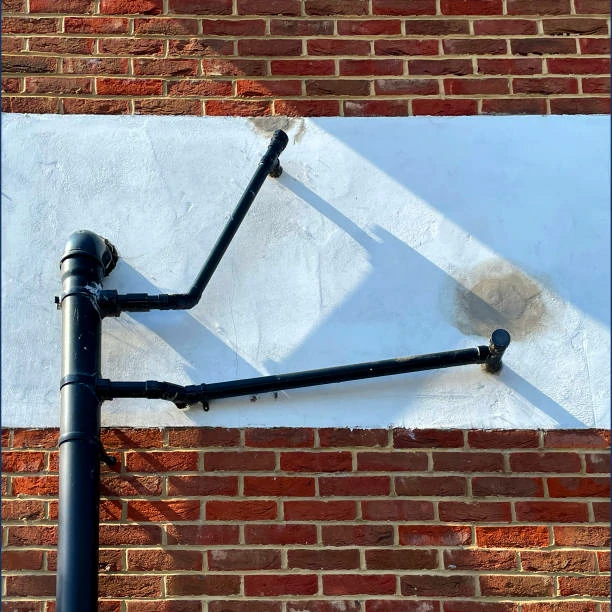
Common Issues with PVC Pipes and How to Fix Them
PVC pipes are widely used in plumbing due to their durability, affordability, and ease of installation. However, like any material, they are not immune to problems. Knowing the common issues with PVC pipes and how to fix them can save time, money, and prevent further damage. Here are some of the most common problems and their solutions:
Cracking and Splitting
PVC pipes can crack or split due to several reasons such as freezing temperatures, physical impact, or manufacturing defects.
Causes and Prevention
Freezing temperatures cause water inside the pipes to expand, leading to cracks. Insulating pipes can prevent this. Physical impacts, such as heavy objects falling on the pipes, can also cause damage. Protecting exposed pipes reduces this risk.
Fixing Cracks and Splits
To fix a cracked PVC pipe, use a PVC pipe repair kit. The kit usually includes a fiberglass wrap and resin. Clean the damaged area, apply the resin, and wrap it with fiberglass. For severe damage, replace the affected section of the pipe.
Leaks at Joints
Leaks often occur at the joints of PVC pipes, usually due to improper installation or wear over time.
Causes and Prevention
Improper solvent welding can lead to weak joints. Ensure proper application of primer and cement during installation. Over time, joints may wear out due to repeated stress or chemical exposure.
Fixing Leaky Joints
To fix a leaky joint, cut out the leaking section and replace it with a new fitting. Apply primer and cement correctly to ensure a strong bond.
Blockages
Blockages in PVC pipes can disrupt water flow and cause backups, leading to potential damage.
Causes and Prevention
Debris, grease, hair, and other foreign materials often cause blockages. Prevent blockages by installing strainers in sinks and regularly cleaning drains.
Fixing Blockages
Use a plumbing snake or auger to clear the blockage. For stubborn clogs, a chemical drain cleaner may be necessary. Avoid excessive use of harsh chemicals, as they can damage PVC pipes.
Discoloration
PVC pipes can become discolored over time due to various factors, including UV exposure and chemical reactions.
Causes and Prevention
UV exposure from sunlight can cause PVC pipes to become brittle and discolored. Use UV-resistant paint or wrap the pipes to protect them. Chemicals such as chlorine can also cause discoloration. Limit the use of harsh chemicals in your plumbing system.
Fixing Discoloration
While discoloration itself may not affect functionality, it can be aesthetically displeasing. Painting discolored pipes with UV-resistant paint can improve their appearance and protect them from further damage.
Noise
PVC pipes can produce noise due to water hammer or loose fittings.
Causes and Prevention
Water hammer occurs when a valve shuts suddenly, causing a pressure surge. Install water hammer arrestors to prevent this. Loose fittings or brackets can also cause noise. Ensure all fittings and brackets are secure.
Fixing Noisy Pipes
Secure loose pipes with additional brackets or straps. Install water hammer arrestors to reduce pressure surges and noise.
Sagging
Sagging pipes can cause poor drainage and potential blockages.
Causes and Prevention
Improper support during installation leads to sagging. Ensure proper pipe support with hangers or brackets spaced at appropriate intervals.
Fixing Sagging Pipes
Add additional supports to the sagging section. In severe cases, replace the sagging section and install proper supports.
Chemical Damage
Certain chemicals can degrade PVC pipes, leading to brittleness and failure.
Causes and Prevention
Avoid using harsh chemicals that can damage PVC. Use PVC pipes specifically rated for chemical exposure if needed.
Fixing Chemical Damage
Replace sections of pipe that have suffered chemical damage. Ensure the new pipes are compatible with the chemicals in use.
Tree Root Infiltration
Tree roots can infiltrate and damage underground PVC pipes, causing blockages and leaks.
Causes and Prevention
Tree roots seek out moisture and can infiltrate pipes through small cracks or joints. Avoid planting trees near underground pipes.
Fixing Root Infiltration
Use a rooter machine to clear the roots from the pipes. In severe cases, replace the affected sections and consider using root-resistant pipe materials.
Заключение
While PVC pipes are durable and versatile, they can encounter various issues over time. Understanding the common problems and knowing how to fix them ensures the longevity and efficiency of your plumbing system. Regular maintenance and proper installation practices can prevent many of these issues, saving time and money in the long run. With the right knowledge and tools, addressing PVC pipe problems becomes manageable and straightforward.
Подключайтесь
ИФАН является китайским производителем пластиковых труб, фитингов и клапанов с 30-летним опытом работы. Если вы заинтересованы в ИФАН медные фитинги, медные клапаны, пластиковые трубы и фитинги, пожалуйста, свяжитесь с нами. ИФАН предлагает вам разнообразные стандартные трубы для удовлетворения ваших конкретных потребностей. Нажмите ниже, чтобы узнать больше о широком ассортименте доступной и экономичной арматуры и сопутствующих товаров для трубопроводных систем от IFAN.
Мы ответим на ваше письмо или факс в течение 24 часов.
Вы можете позвонить нам в любое время, если у вас возникнут вопросы по нашей продукции.
Для получения дополнительной информации, пожалуйста, посетите наш веб-сайт https://ifanpro.com/
Отправить по почте: [email protected]
Whatsapp: + 86 19857948982








 Русский
  English
  Français
  Español
Последние комментарии