
A replacement PVC union half needs a confirmed match to the existing central assembly, not just the same nominal pipe size. Identify the maker, series, listed spare and seal. If that cannot be established, stop the mating attempt and have a competent installer assess a complete matched replacement.
Key Takeaways
- A pipe-end designation does not identify the central union mate.
- Find the installed maker, series and actual spare reference.
- Separate the union end, nut and seal in the enquiry.
- A dated retailer compatibility list needs current product confirmation.
- An unidentified half that will not seat remains a held purchase.
- Complete matched replacement needs an installer’s actual scope.
Separate the pipe end from the central union connection
The replacement union end fits the pipe size, but its nut will not seat on the old half. Buying another part with the same nominal size may repeat the failure. Identify the existing union and its approved spare family before ordering a half, nut or seal. If that identification cannot be established, have the installer plan a complete matched replacement rather than forcing the two halves together.

A union has more than one interface. At the outside, a socket or threaded end connects to the pipe or another component. In the middle, the union nut brings the mating ends and seal together. The pipe-end designation describes the outside connection; it is not, by itself, proof that a candidate central nut, mating face and seal belong together.
Cepex’s PVC union page illustrates the distinction: it describes socket or threaded pipe ends made to the relevant sizing standards, while identifying the O-ring arrangement at the central union. This is information about that manufacturer’s products. It does not authorize joining an unidentified old half to any other manufacturer’s nominally equal-sized part.
The practical buying question is therefore narrower than “does this fit two-inch pipe?” It is “does the maker identify this spare as the mate for the exact installed union?” Keep the pipe-end size in the enquiry, but add the union identity and central assembly evidence. Otherwise, a supplier may answer the outside-diameter question correctly while the actual replacement problem remains unresolved.
What spare listings and compatibility guides actually establish
There is direct public evidence that buyers encounter this mismatch. A 2017 Home Improvement question describes a store-bought PVC connector that appeared to match in size but would not screw together correctly. That is a household user’s question, not a wholesale-demand estimate or a technical approval source. Its proposed explanations should not be substituted for manufacturer documentation.
EFFAST’s union spare-parts category separates nuts, union ends, bushes and O-rings, and distinguishes metric solvent-weld, BS solvent-weld and BSPP-threaded pipe-end variants. This tells the buyer to look for the actual component family. A category listing alone still does not identify which part fits a particular unidentified installation.
A supplier’s 2014 compatibility article reports its own investigations and lists combinations it found compatible. It shows a genuine commercial stocking problem. Treat the reported combinations as dated, seller-specific information to verify, rather than a current manufacturer-approved universal interchange chart. The article itself distinguishes standalone unions from valve assemblies.
Those sources support a document-led buying method, not a blanket assertion that every brand differs or that every part from one brand always fits. Model generations and component families matter. Ask for positive identification of the actual installed assembly and the proposed spare, including any manufacturer limitations, rather than relying on either universal interchangeability or universal incompatibility as a shortcut.
Case A: an identified assembly produces a specific spare request
Assume a fictional maintenance file identifies the installed union’s maker and series, its size, and the current manufacturer spare list. The supplier confirms in writing that the proposed union end and seal are listed replacements for that exact assembly and duty. No real model number, test result or supplier confirmation is being claimed in this example.
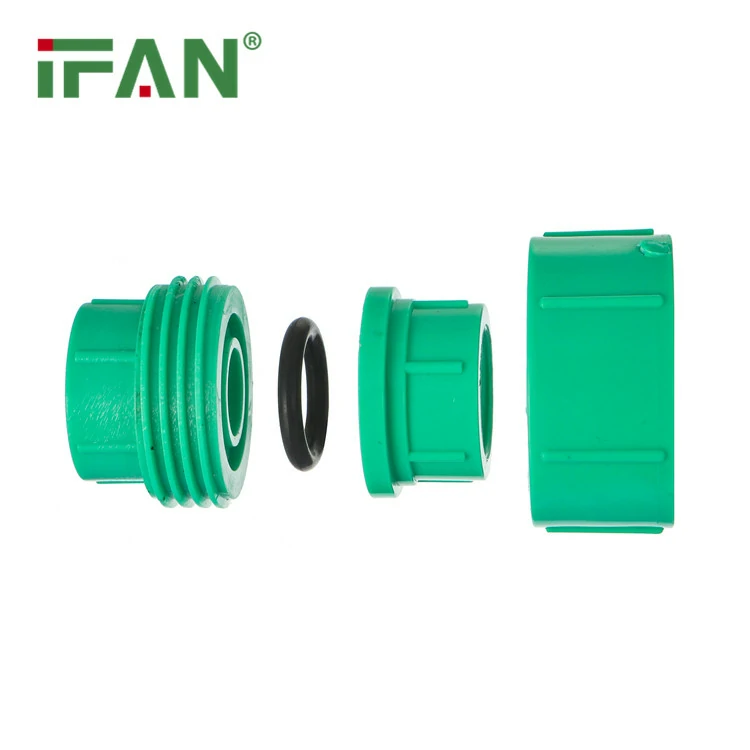
The completed purchase instruction is to order the identified listed spare and the specified matching seal, retaining the maker’s assembly instructions. Include the actual pipe-end variant as a separate line so a correct central mate is not supplied with the wrong outside connection. A request saying only “same size PVC union half” throws away the evidence that made the choice possible.
For this fictional case, the record should read: “Existing assembly identified; listed replacement end and seal confirmed; correct pipe-end variant specified; installation and return-to-service checks remain with the competent installer.” This closes the procurement choice without inventing a completed repair. It does not allow a buyer to assume the installed assembly’s pressure or temperature suitability from the spare’s appearance.
Now change the source of the identification. If the only match is a retailer photograph, with no link to the installed series, Case A no longer has enough evidence for that instruction. Ask the maker or a knowledgeable supplier for identification. The same attractive product photograph can support an enquiry without supporting an approved spare purchase.
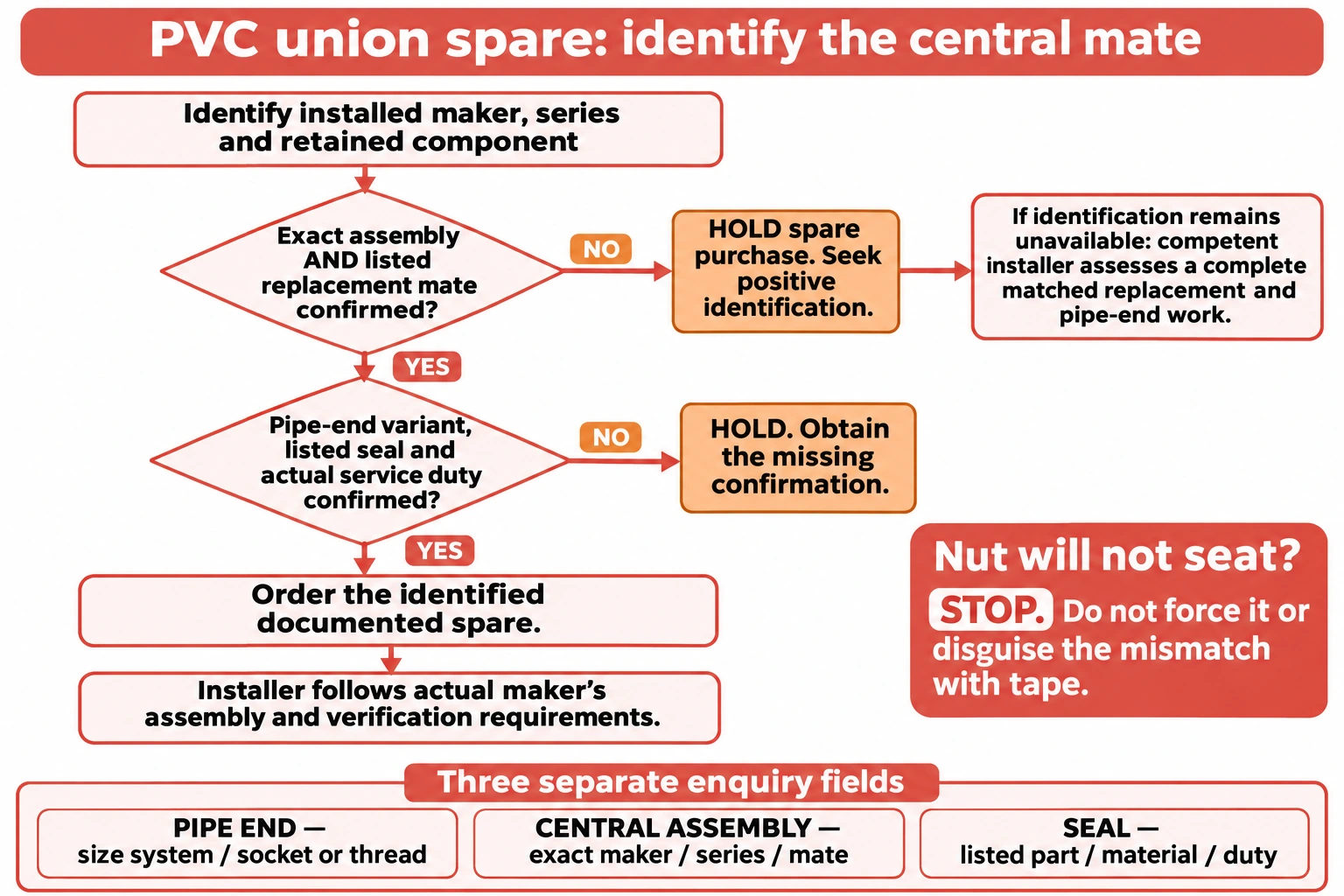
Open the union-spare decision map at full size.
- Identify the installed maker, series and retained component.
- If exact assembly and listed replacement mate are unconfirmed, hold the spare purchase and seek identification.
- If identification remains unavailable, a competent installer assesses a complete matched replacement and required pipe-end work.
- For an identified spare, confirm pipe-end variant, listed seal and actual duty; missing confirmation remains a hold.
- Order the identified documented spare only after those confirmations. The installer follows actual maker assembly and verification requirements.
- If the nut will not seat, stop; do not force it or disguise the mismatch with tape.
Case B: the old union is unidentified and the nut will not seat
Assume the old part has no legible maker or series marking. The new half has the same apparent pipe size. Its nut starts but does not seat correctly. The completed decision is to stop that mating attempt and seek positive identification. Do not treat a few engaged turns as evidence of a correct pressure connection.
Do not force the nut, alter the mating faces or use thread tape to disguise the mismatch. On the cited Cepex design, the O-ring provides the central seal and the maker does not call for PTFE tape between nut and union end. That named example helps explain why sealing a pipe thread and assembling a central union are different tasks; the actual installed product still needs its own instructions.
If identification succeeds, return to the maker’s listed replacement route. If it cannot be established, ask a competent installer to plan replacement with a complete matched union assembly, including the required pipe-end work and space. That is a planning decision, not an instruction to cut a live line or a claim that a new assembly will fit the existing gap.
Record the two outcomes separately: “Spare purchase held pending identification” and, where identification remains unavailable, “Complete matched replacement to be assessed by installer.” Replacing the whole assembly may create different requirements for available pipe length, access, isolation and joining. Those requirements belong in the replacement scope before buying, not as surprises discovered after the old fitting has been removed.
| Record available | Purchase disposition | What must still happen |
|---|---|---|
| Exact installed family and listed spare confirmed; pipe end, seal and duty confirmed | Order the identified documented spare | Competent installer follows the actual maker’s assembly and verification requirements |
| Only a similar photograph or nominal size; exact family unconfirmed | Hold the spare purchase and seek identification | Obtain positive identification and listed-mate confirmation; appearance alone does not close the record |
| Identification remains unavailable, or the candidate nut will not seat | Stop the mating attempt; have the installer assess a complete matched replacement | Establish isolation, space and pipe-end work before buying; do not force or tape the mismatch |
Matching the assembly still leaves seal and duty checks
A positive component match solves the mating question. It does not automatically establish suitability for the service fluid, temperature, pressure or any required product approval. Identify the actual duty and confirm the assembly and seal against the maker’s documents. A generic “PVC union” description does not supply those missing approvals.
Do not choose an O-ring solely by its color or approximate outside diameter. The correct spare identity and material need to be established for the actual assembly and duty. If the old seal is unavailable or deformed, say so in the enquiry instead of treating its measured shape as a new-part specification. The supplier needs the component reference and application, not a guessed compound name.
Separate identification measurements from acceptance criteria. Photographs of markings, a safe off-line view of the mating faces, and dimensions requested by the supplier may help identify a part. They do not, by themselves, certify the connection’s pressure capability. Ask the maker which observations are needed and how the actual installation is to be checked.
The installer should follow the correct manufacturer’s assembly and verification requirements for the system. This article does not prescribe a tightening torque, solvent-cement cure time or pressure-test procedure. None has been established for the unknown union, its service or the site conditions. A procurement guide should not turn an unresolved identity problem into an improvised installation method.
Build an enquiry that can distinguish all three interfaces
Organize the enquiry into three views: the pipe-end connection, the central mating assembly and the seal. Supply the maker and series markings where available, photographs that show which component is retained, and the exact part you want replaced. If the union belongs to a valve, identify that valve and series rather than assuming a standalone-union spare is suitable.
For the pipe end, state the actual size system and connection type. For the central assembly, ask whether the proposed spare is expressly identified for the installed family. For the seal, request the correct listed part and service suitability. Include the fluid, pressure and temperature requirements and identify any approvals the actual project requires. Missing data should remain marked unknown.
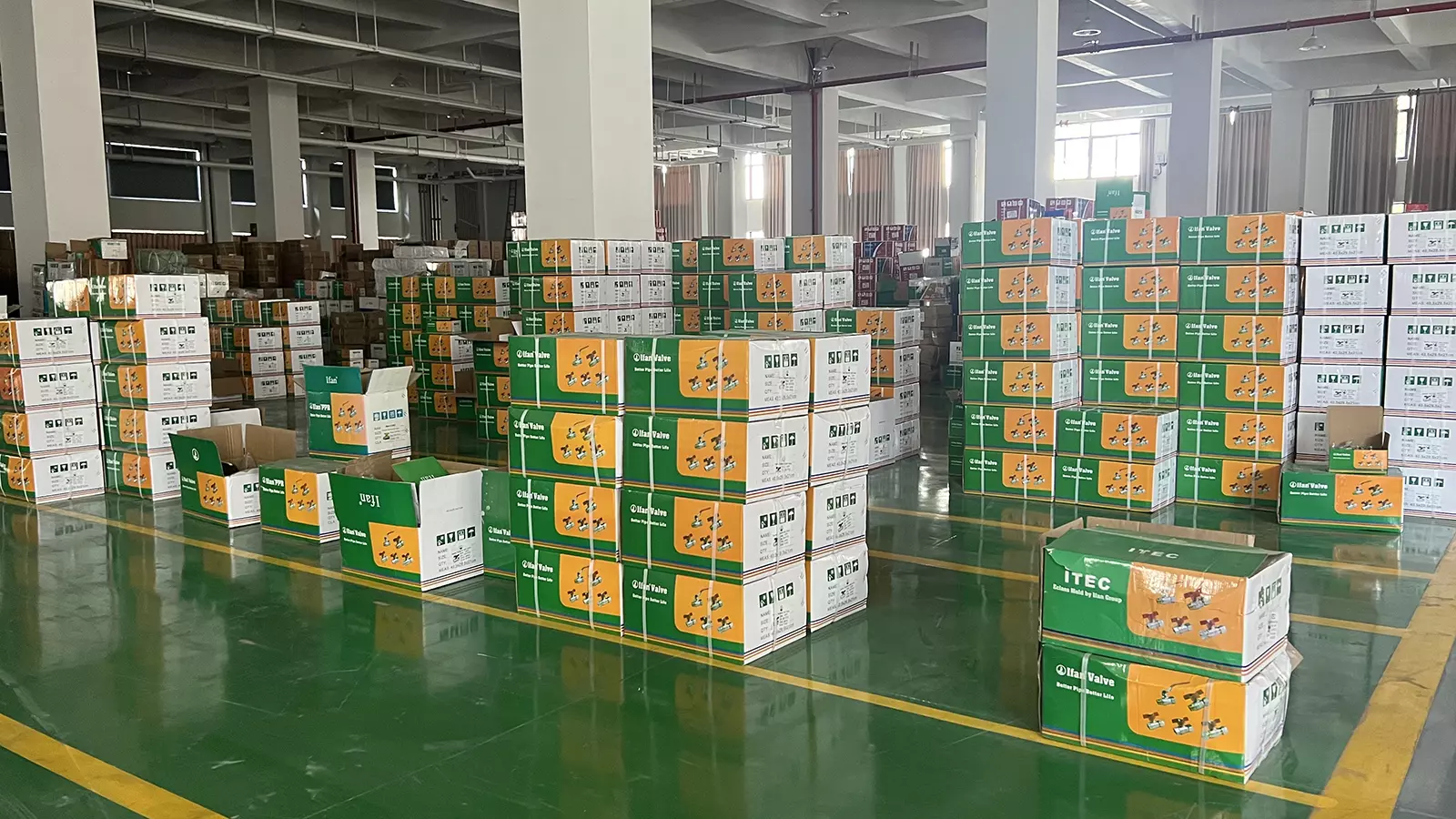
IFANPRO’s PVC pipe and fittings range is a relevant starting point when discussing a new matched fitting requirement. Ask what specific complete assembly or documented spare can actually be supplied. This guide does not claim that an IFANPRO half, nut or O-ring will mate with another manufacturer’s existing union.
Send the identification record, intended duty, quantity and destination with the enquiry. Ask for the actual part references, included seals, minimum order, sample or inspection arrangements, and lead time. Confirm whether the quote concerns an identified spare or a complete assembly; those are different offers. No stock, price, MOQ or delivery date is established here.
Our 121UC female-union size guide concerns pipe-end and fixture selection. Its nominal size choices do not answer this central spare-mating question. Keep that distinction in the purchase record so a general size match is not accepted as the missing replacement confirmation.
| Interface | Enquiry evidence | What it does not prove alone |
|---|---|---|
| Pipe end | Actual size system and socket or thread variant | Central union compatibility |
| Central assembly | Installed maker/series and listed matching spare | Seal suitability for the intended duty |
| Seal | Correct maker-listed spare and service confirmation | Installation or return-to-service approval |
Заключение
Before ordering, give the supplier the installed assembly identity, the retained component, the pipe-end variant and the actual duty. An identified listed spare can produce a specific purchase instruction. An unidentified half that will not seat produces a hold and, if necessary, a complete-replacement assessment. Keeping those outcomes explicit is more useful than another trial purchase based on nominal size.
Frequently Asked Questions
Does the same nominal pipe size prove two union halves fit?
No. It identifies the pipe-end requirement, not the exact central nut, mating-face and seal combination. Establish the actual union family and its listed spare.
Can PTFE tape correct a union-half mismatch?
Do not use tape to disguise a mismatch. The cited Cepex central union uses an O-ring and does not call for PTFE there; use the actual product’s instructions.
Can I use a standalone union spare on a valve?
Only when the actual maker identifies it for that valve assembly. A similar pipe-end size or product photograph is not sufficient confirmation.
What if the old union cannot be identified?
Hold the spare purchase and ask a competent installer to assess a complete matched replacement, including isolation, space and pipe-end work. Do not force the candidate half.
Written by Justin · IFANPRO piping content









 Русский
 English
 Français
 Español
Последние комментарии