
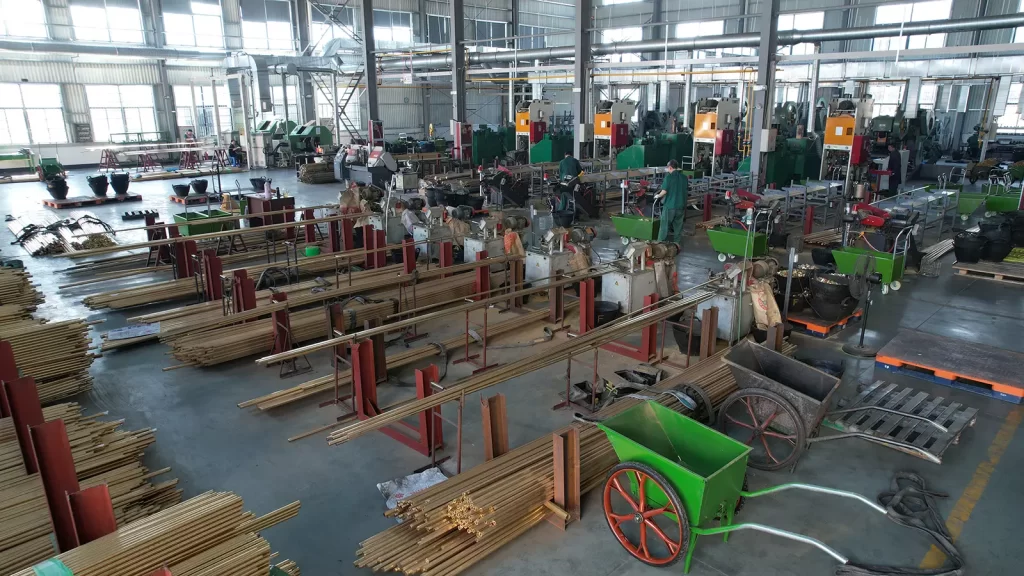
Brass compression fittings are the joint most wholesalers stock without thinking hard about, right up to the day a container of them starts generating warranty claims.
The fitting looks like a commodity — a body, a nut, a ring — and it is priced like one. But three specification decisions sit inside that commodity, and none of them appear on a typical proforma invoice: what alloy the ferrule is cut from, what tube outside diameter and temper the joint was actually designed around, and whether the brass was qualified for the destination market’s lead and dezincification rules.
Here is the number that makes this concrete. EN 1254-2:2021, the European standard governing compression fittings for copper tube, designs the joint for a service lifetime of up to 50 years.
That figure assumes the fitting, the ferrule and the tube temper were matched to the standard’s requirements. Get the ferrule alloy wrong on chrome-plated tube, or specify a fitting against nominal pipe size instead of the tube OD it is genuinely dimensioned on, and the joint does not fail at year 50 — it weeps on the commissioning test and the installer bills you for the return visit.
Key Takeaways
- Compression fittings are sized on tube outside diameter, never on nominal pipe size — a 15 mm fitting takes 15 mm OD tube, and a 1/2 in fitting takes 1/2 in OD tube, which are not the same joint.
- EN 1254-2:2021 covers copper-tube compression ends from 6 mm to 108 mm and splits them into type A (non-manipulative, with sealing elements) and type B (manipulative, without).
- Copper ferrules seal more readily on annealed copper tube; brass ferrules are the choice for stainless, chrome-plated or brass tube, where a harder ring is needed to bite.
- For US-destined potable water, “lead free” means a weighted average of 0.25% lead across wetted surfaces — cut from 8% by the 2011 Reduction of Lead in Drinking Water Act (effective January 2014), calculated per NSF/ANSI/CAN 372.
- Dezincification-resistant brass is CW602N (CZ132), stamped CR or DZR, qualified by ISO 6509 — which passes a sample at 200 µm maximum dezincification depth or less.
- ASTM F2434 was withdrawn in 2025 with no replacement. If your spec sheet still cites it, ASTM F1974 is the live specification that covers compression-class metal insert fittings.
- The ferrule is consumed on first tightening. A body and nut can be reused; the ring cannot — which is why loose ferrule stock belongs on every order.
What a Brass Compression Fitting Actually Is
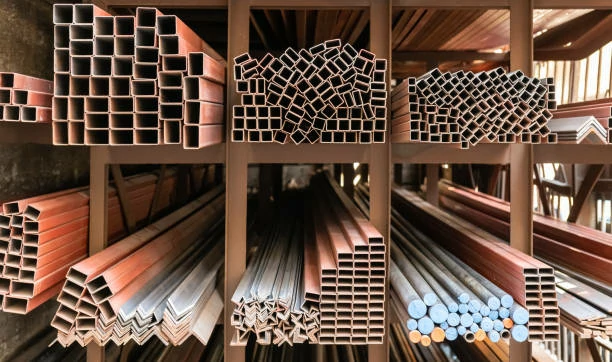
A compression joint is three parts: body, nut and ferrule. Only the ferrule is consumed on assembly.
A compression joint is three components and one geometry. The body carries a tapered seat. The nut threads onto the body. Between them sits a ferrule — an olive, in British usage — which the nut drives into the taper until the ring deforms around the tube and seals against both the tube wall and the seat.
No heat, no flux, no flaring tool. That is the whole appeal: a joint that can be made in a ceiling void with two spanners, by an installer who does not need a torch permit.
The envelope this buys you is narrower than the convenience suggests, and the numbers are worth knowing before the sales conversation rather than after it. On the copper side, EN 1254-2:2021 covers compression ends from 6 mm to 108 mm and designs the joint for a service life of up to 50 years. On the composite-pipe side, ASTM F1974 rates brass compression fittings at 125 psi (690 kPa) for cold- and hot-water distribution up to and including 180 °F (82 °C). Neither figure is marketing; both are the ceiling a specifier will hold you to.
The part that matters commercially is which of those three components is consumed. The ferrule is permanently deformed on first tightening; it has spent its ability to deform further, and re-seating a used ring on a new tube is where the “compression fittings always leak” reputation comes from. The body and nut survive.
In practice this means a wholesaler who sells fittings without loose ferrule stock is selling a product that fails on its second installation, and the installer blames the brand rather than the ring.
Type A and type B are not interchangeable
EN 1254-2 divides the family in two, and buyers who treat the split as pedantry end up with the wrong stock. Type A is non-manipulative: the tube is cut, deburred and inserted, and sealing elements do the work. Type B is manipulative — the tube itself is worked, and the fitting seals without separate sealing elements.
Type B is specified against R220 annealed or R250 half-hard copper tube to EN 1057; R290 hard tube is only used with the manufacturer’s explicit guidance, because hard tube resists the deformation the joint depends on.
If you are stocking for a market that installs on hard-drawn tube and you order type B, the installer will make the joint anyway, it will pass a low-pressure test, and it will start weeping under thermal cycling six months later.
That is the failure mode most compression-fitting warranty claims actually describe, and it originates on the purchase order rather than on site. For the broader argument about where compression joints belong at all, our comparison of compression versus threaded fittings and which is safer covers the pressure and vibration cases in more depth.
Ferrule Material: The Part Most Buyers Never Specify
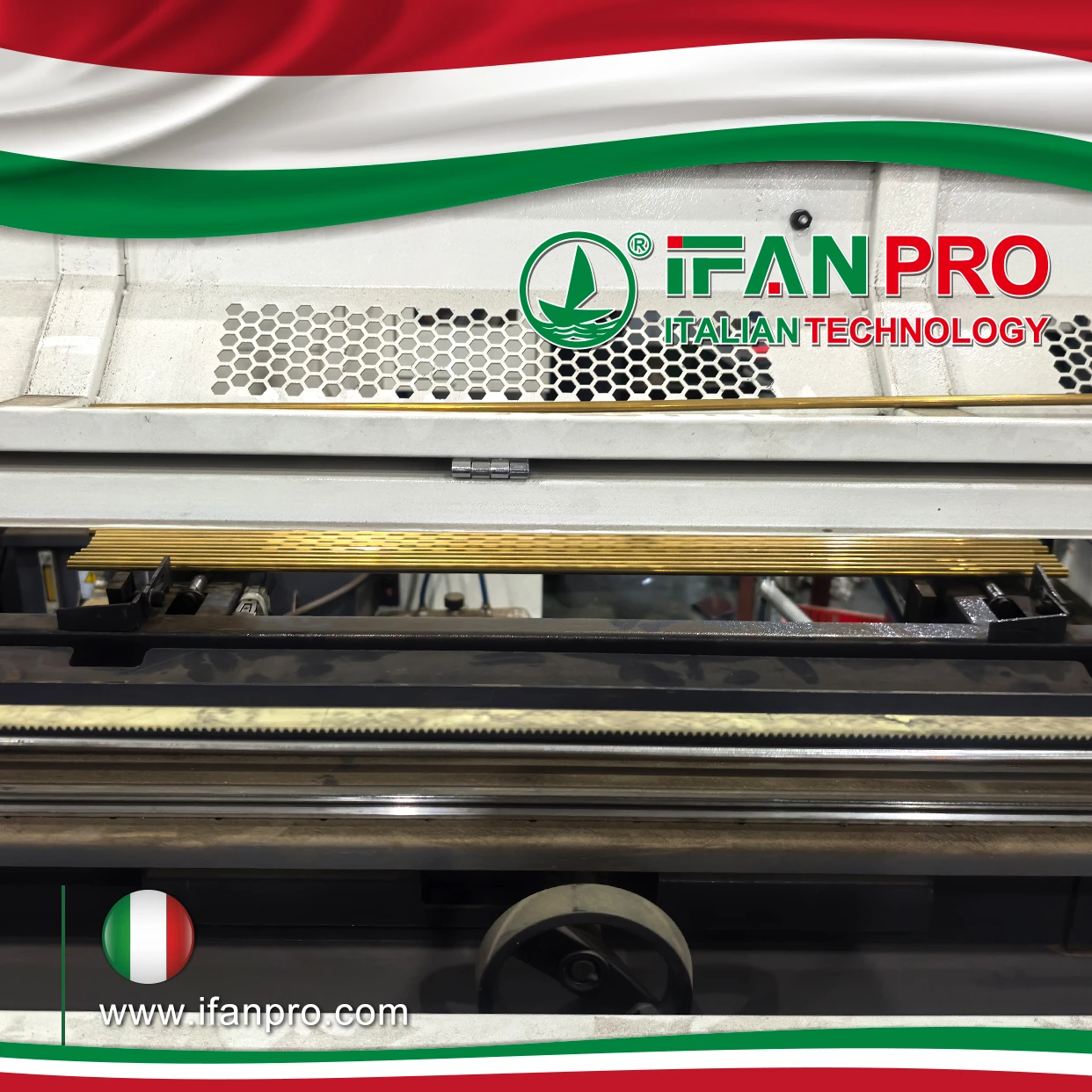
Ferrule alloy is a line item on the drawing, not a detail. Brass and copper ferrules behave differently on the same tube.
Ask ten importers what alloy the olives in their last container were cut from and most will not know, because the quotation said “brass compression fitting” and the ferrule came in the bag. It is the one component whose material genuinely changes who can install the fitting successfully, and it is the cheapest thing on the part.
The mechanics are simple. A ferrule has to be softer than the thing it grips or it will not deform into a seal; it also has to be hard enough to bite rather than smear. Copper is the softer ring and it compresses readily, which is why it has been the traditional choice on annealed copper plumbing tube.
Brass is the harder ring, and it is the sensible choice where the tube is stainless steel, chrome-plated copper or brass itself — surfaces a copper olive will slide on rather than grip — and where working pressures are higher than domestic plumbing.
The trade-off runs both ways and neither ring is the “better” one. A brass ferrule needs more torque on the spanner to seat, which on thin-wall annealed tube is exactly how an installer crushes the bore. A copper ferrule seats with less effort but will mangle if the same installer applies brass-ferrule torque to it. When a buyer standardises on a single ferrule alloy across a mixed catalogue, one of those two failure modes is being shipped to somebody.
| Ferrule alloy | Best on | Avoid on | Failure signature when mismatched |
|---|---|---|---|
| Copper | Annealed (R220) and half-hard (R250) copper tube to EN 1057 | Stainless, chrome-plated and brass tube | Ring smears and spins; joint never seals despite over-tightening |
| Brass | Stainless, chrome-plated copper, brass tube; higher-pressure duties | Thin-wall annealed copper installed by hand-torque | Bore crushed or tube necked at the ring; flow loss and later fatigue |
| DZR brass (CW602N) | Aggressive or high-chloride potable water where CR/DZR is mandated | Nothing technically — it is a cost decision, not a compatibility one | None from the alloy; the risk is paying DZR price for unstamped stock |
One practical consequence for anyone writing a purchase order: name the ferrule alloy explicitly, and name it per size band rather than per order. A catalogue that runs 15 mm domestic sizes on copper olives and 22 mm plant-room sizes on brass is a coherent catalogue. A catalogue that runs whatever the factory had in the bin is the one that generates a claim.
Tube-Size Compatibility: OD Sizing, Tempers and Tolerances
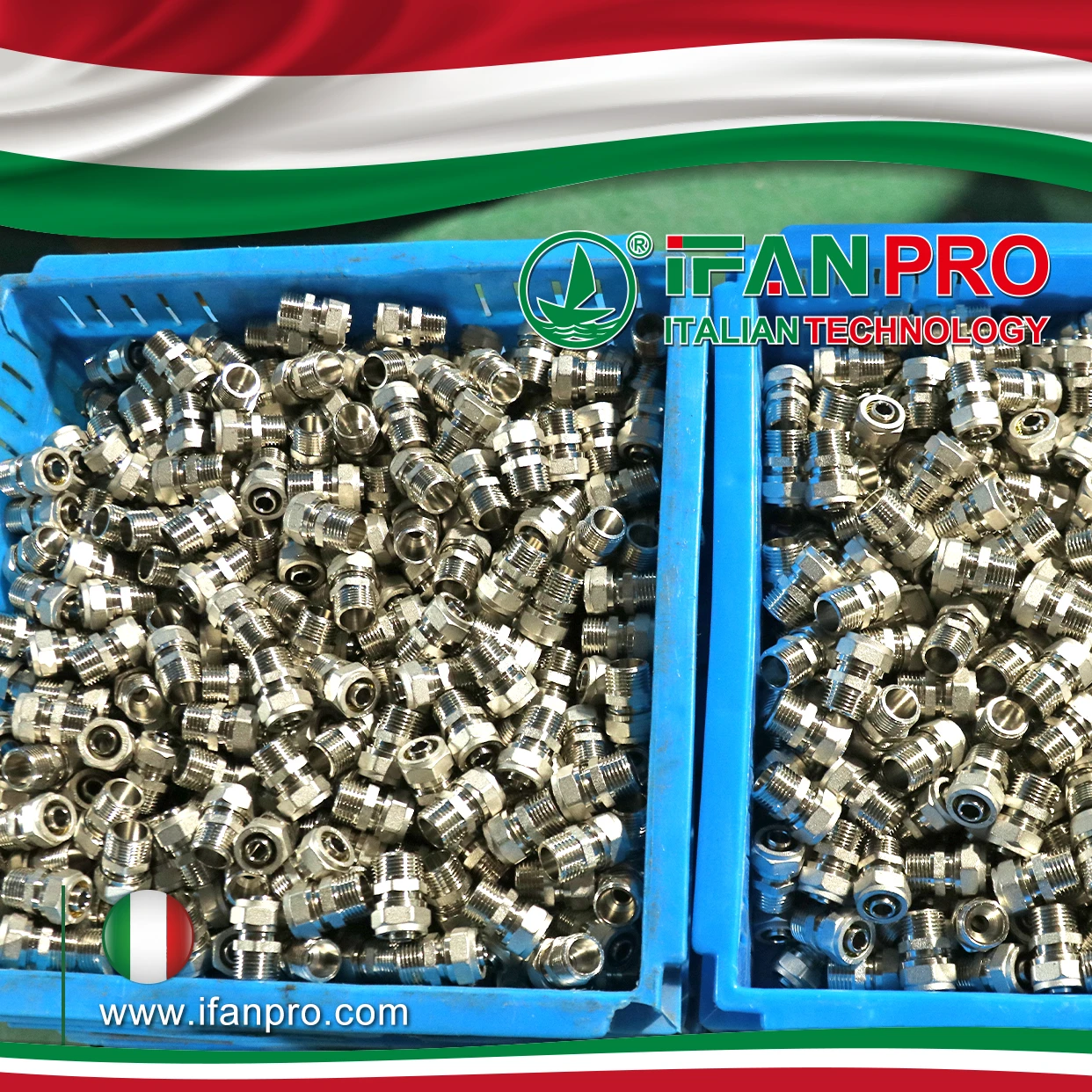
A brass PEX compression fitting: split ring plus compression nut, the joint class named in ASTM F1974.
This is where cross-border orders go wrong most often, and the reason is a genuine terminology trap. Compression fittings are sized on the tube’s outside diameter. Threaded fittings are sized on nominal pipe size, which is a label rather than a measurement. A buyer who reads “1/2 inch” on a threaded catalogue and “1/2 inch” on a compression catalogue is reading two different dimensions, and the two ranges do not cross-reference.
EN 1254-2 covers copper-tube compression ends from 6 mm to 108 mm, so the metric ladder is broad; the practical stocking range for building services sits far below the top of it.
The mistake that costs money is not the size itself but the assumption that a metric fitting will accept an imperial tube of a nominally similar figure. A 15 mm olive on 1/2 in OD tube (12.7 mm) has nowhere near enough material to close the gap, and the joint will not seal at any torque.
Temper and tolerance decide whether the seal is repeatable
Diameter alone is not the whole compatibility question. EN 1057 sets outside-diameter tolerance by temper, and it does not set the same one for all three: hard tube is held to a tighter window than half-hard R250 on the same nominal size, so two tubes that both say 15 mm can arrive at meaningfully different diameters and both be compliant. The tolerance figures themselves are in the standard, and the band a given fitting is qualified across should be in the manufacturer’s qualification file — ask for it rather than assuming.
Annealed R220 tube differs in a way that catches inspectors out. Its tolerance is written against the mean diameter, not against any single measurement you might take with a caliper at the cut end — so a compliant R220 tube can read out of tolerance at the one point you happen to measure.
For a fitting manufacturer that spread is the design case: the ferrule and seat have to seal across the full tolerance band of the tempers the fitting is qualified for.
For a buyer it is the QC case. If you are inspecting incoming tube against a fitting range, measuring one point on one tube end and passing the batch is not a check — an R220 tube can be out of round at that point and still be fully compliant. Measure across the diameter at two axes and treat the mean as the number.
The plastic-tube compression family is a different standard
Brass compression fittings for PEX and PEX-AL-PEX are governed separately, and one current change is worth putting on your spec sheet now. ASTM F1974 covers metal insert fittings for composite pipe in two classes: split ring with compression nut, and copper crimp ring. It permits wrought copper, cast copper alloy, machined brass and forged brass, and rates the joint at 125 psi (690 kPa) for cold- and hot-water distribution at temperatures up to and including 180 °F (82 °C).
ASTM F2434 — the crimp-ring specification for SDR9 PEX and PEX-AL-PEX, covering 1/2, 3/4, 1 and 1-1/4 in — was withdrawn in 2025 with no replacement.
If your purchase specification, your import documentation or your product listing still cites F2434 as the governing standard, that reference is now pointing at a dead document, and a buyer in a regulated market will ask about it before you do. F1974 is the live specification for the compression class. The size and thread interface between these families is covered further in our guide to compression fittings for copper and PEX.
Compliance: Lead Limits, Dezincification and What the Stamp Means
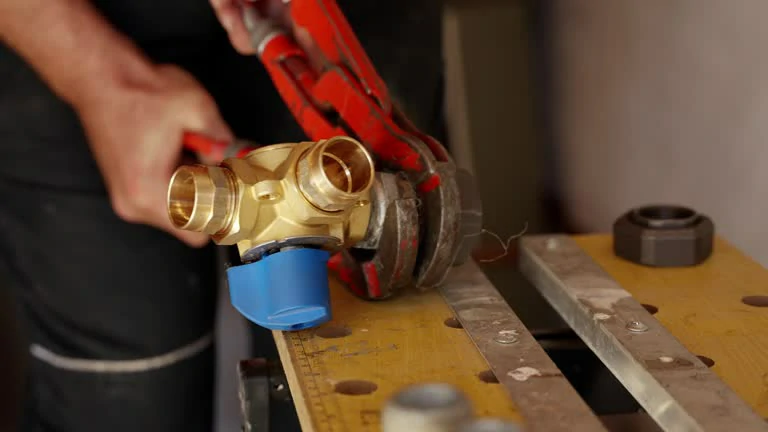
CR or DZR on the body is the only field-visible evidence that the alloy was qualified to ISO 6509.
Two separate regulatory regimes apply to brass in contact with drinking water, and they are frequently conflated. Lead content is a health limit. Dezincification resistance is a durability property. A fitting can satisfy one and fail the other, and buyers who ask only for “lead free brass” get exactly that and nothing else.
On the lead side, the US Safe Drinking Water Act defines “lead free” as a weighted average of not more than 0.25% lead across wetted surfaces, with 0.2% for solder and flux.
That threshold came from the Reduction of Lead in Drinking Water Act, signed on 4 January 2011 and effective 4 January 2014, which cut the previous allowance of 8% — a thirty-two-fold tightening that reclassified a large part of the world’s existing brass inventory. The three-year gap between signature and enforcement is the part buyers still get wrong: it was written in as a sell-through window for stock already in the channel, so a mill certificate or a catalogue sheet dated 2012 can legitimately show 8% brass and still be an authentic document. It is not evidence that the supplier is compliant today. NSF/ANSI/CAN 372 gives the calculation method for that weighted average, and the rule requires third-party certification by an accredited body rather than a supplier’s own declaration.
On the durability side, dezincification is the selective leaching of zinc out of the brass, leaving a porous copper skeleton that looks intact and has lost its strength.
The qualifying alloy is CW602N — CZ132, CuZn36Pb2As in composition terms — with wrought forging stock covered by BS EN 12165 and rod by BS EN 12164. The test is ISO 6509: a polished sample immersed for 24 hours in a 1% cupric chloride solution at 75 °C, then sectioned and measured under a microscope. Acceptance is a maximum dezincification depth of 200 µm or less — a result above that threshold means the material is not qualified.
The only field-visible evidence of dezincification qualification is the marking. Fittings that meet the requirement carry CR (corrosion resistant) or DZR cast or stamped into the body. An unstamped fitting sold as DZR is either a marking omission or a material substitution, and from a container in a warehouse there is no way to tell those apart without a test report tied to the heat number.
The commercial trap here is specific. DZR brass costs more than standard leaded brass, so it is the natural place for a supplier to quietly substitute.
The defence is not a certificate on its own — a certificate can belong to a different production run. It is asking for the ISO 6509 report to reference the same heat or batch number that appears on the packing list for your container, and refusing stock where the body carries no CR or DZR mark. Why the underlying corrosion happens, and which water chemistries accelerate it, is covered in our explainer on why cheap brass fittings fail in hard water.
What IFANPRO Supplies — and Where We Stop
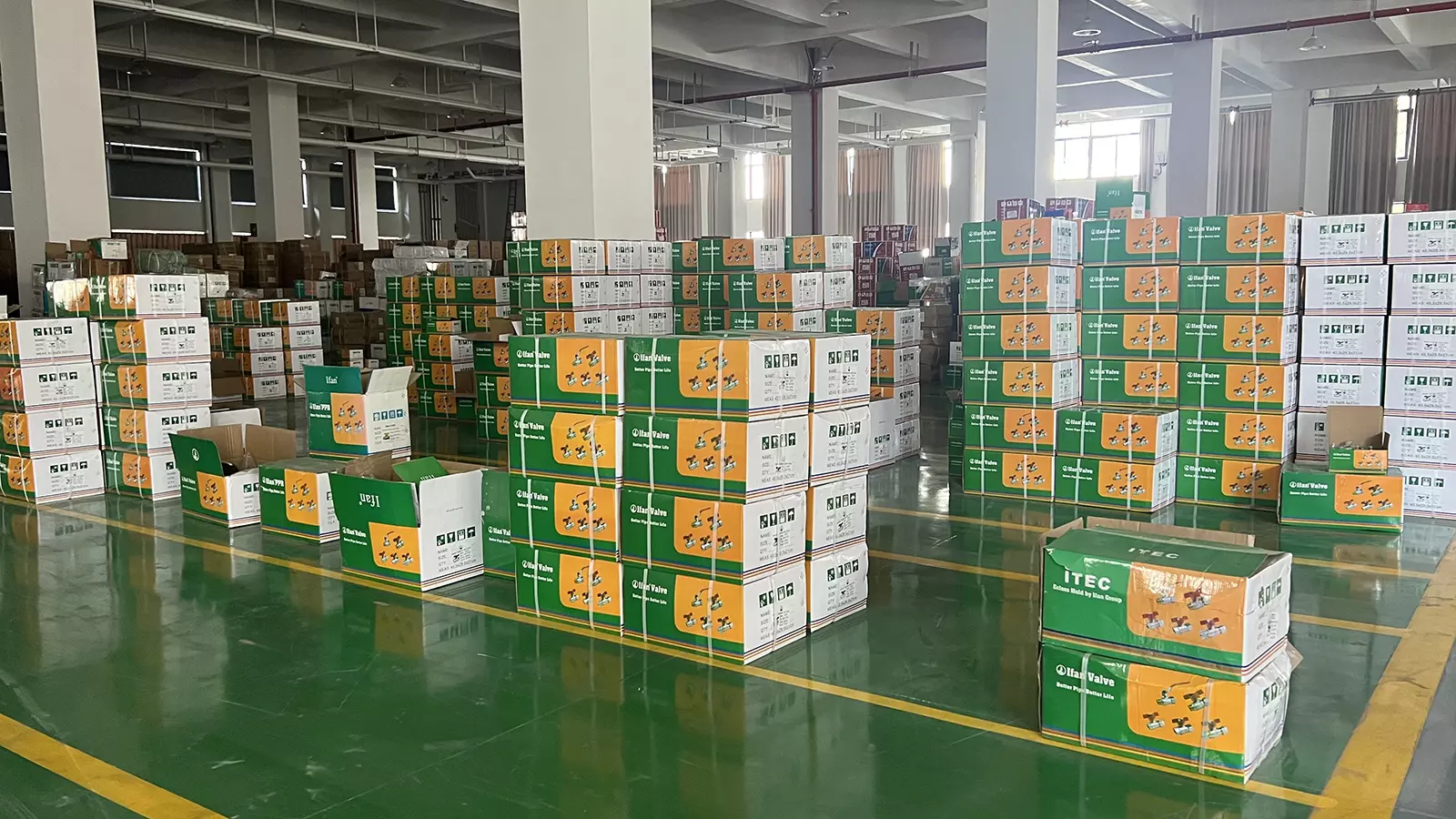
Mixed-size stock is what makes a container order practical for a wholesaler carrying a full size ladder.
A scope statement is more useful to a buyer than a capability claim, so here is the honest one. IFANPRO’s compression-fitting production is brass-bodied fittings for PEX and PEX-AL-PEX tube — the split-ring-and-compression-nut class of ASTM F1974 — covering 1/2 in to 1 in, with a published working range of −40 °C to 110 °C and a stated 50-year design life.
Elbows, tees, sockets, female seated elbows and male/female adaptors are all in the catalogue. Alongside that sits a separate brass fittings category of 49 SKUs, the 407-series threaded pipe fittings and the 112/113 conversion adaptors that let a compression run terminate at a threaded interface.
The range is built to seven named tube standards rather than one: GB/T 18992, DIN 16892, ASTM F877, ASTM F2788, BS 7291, BS EN ISO 15875 and CSA B137.
For an importer that matters more than it looks. It means a single supplier can serve a UK-facing line against BS 7291, a North American line against ASTM F877 and CSA B137, and a Continental line against DIN 16892, without splitting the order across three factories and three sets of tooling. The certification stack behind it is ISO 9001, ISO 14001, CE, WRAS, NSF/IAPMO, Intertek, EAC, Watermark and SAI Global — the marks a distributor is usually asked to evidence at customs and at tender.
What the range is not: IFANPRO does not publish a copper-tube compression line to EN 1254-2. If your requirement is olives for 15 mm and 22 mm copper plumbing tube, that is a different product family and this catalogue is not the match. Saying so is more useful than a page that implies otherwise and wastes a week of your sourcing time. The wider brass programme sits in the brass fittings catalogue, with valve bodies under brass valves.
Commercial terms as published
Published lead time is 15–30 days after receipt of deposit, on standard payment terms of a 30% deposit in advance with the 70% balance against a copy bill of lading. Sample turnaround is stated at 7 days.
Minimum order quantity is not published as a single figure and is set per project against your size mix — a distributor taking one size in volume and a wholesaler taking a full ladder in small quantities are quoted differently, and asking for the MOQ against your actual size list is the only way to get a real answer rather than a catalogue number. Unit price behaves the same way: brass compression fittings are priced off brass rod, which moves with the LME copper and zinc complex, so quotes are given against a validity window rather than a fixed list.
How to Choose the Right Brass Compression Fitting for Your Order
The specification runs in a fixed order, and the order matters because each decision constrains the next. Get it backwards — pick the fitting first and the tube second — and you will spend the negotiation trying to make a catalogue fit a job it was never dimensioned for.
Start from the tube, not the fitting. Establish the tube material, the outside diameter in the units your market actually installs in, and the temper. Those three facts eliminate most of a catalogue before you have looked at a price. Then apply the destination market’s compliance rules, because they determine the alloy and the alloy determines the price band. Only then does size ladder, configuration mix and quantity come into it.
What to check before you place the order
- Tube OD and unit system: confirm the fitting is dimensioned on outside diameter and that metric and imperial lines are not being cross-referenced. 15 mm and 1/2 in are different joints.
- Temper compatibility: for copper tube, confirm which EN 1057 tempers the fitting is qualified against, and whether type A or type B applies. Hard R290 tube needs explicit manufacturer confirmation.
- Ferrule alloy, per size band: specify copper or brass olives explicitly rather than accepting the factory default, and match the alloy to the tube surface in each band.
- Lead compliance for the destination: for US-bound potable water, third-party certification to the 0.25% weighted average under NSF/ANSI/CAN 372 — a self-declaration is not the same document.
- Dezincification, if the water demands it: CW602N material, a CR or DZR body mark, and an ISO 6509 report whose batch number matches your packing list.
- Live standard references: check that nothing in your spec or listing still cites ASTM F2434, withdrawn in 2025. Point compression-class references at ASTM F1974.
- Loose ferrule stock: order spare olives as a line item. The ring is consumed on first assembly and the second installation fails without them.
- Quote validity window: get the price expressed against a validity period, since brass rod tracks copper and zinc and a stale quote is not a quote.
Best for, and not for
| Brass compression fittings are the right call for | Look elsewhere when |
|---|---|
| Retrofit and repair work where a torch is not permitted or practical | The joint will be buried, cast into a slab or otherwise made inaccessible |
| Serviceable connections at valves, meters, manifolds and appliance tails | The line carries sustained vibration that will work the nut loose over time |
| Mixed-trade sites where install quality varies and a torch permit is a delay | Duty pressure or temperature exceeds the fitting’s rated envelope — 125 psi at 180 °F for ASTM F1974 composite-pipe fittings |
| Distributors serving several thread and tube standards from one stock line | Your requirement is copper-tube olives to EN 1254-2 — a different product family from the PEX compression range |
A Worked Order: Two Markets, One Size Ladder
Take a plumbing wholesaler supplying two customer groups from one warehouse: domestic installers working on PEX-AL-PEX in a mild-water region, and a small contractor base fitting out plant rooms in a coastal city with aggressive, high-chloride supply water. The instinct is to buy one specification and serve both. The specification work says otherwise, and the split is cheaper than the claims.
The domestic line is straightforward. PEX-AL-PEX at 1/2 in and 3/4 in, brass compression fittings of the ASTM F1974 split-ring class, standard brass body, and the design envelope checked against the duty: 125 psi and 180 °F is comfortably above a domestic hot-water system, so the rating is not the binding constraint. Ferrules stay as supplied for the composite tube.
The compliance question is the lead limit if any of that stock is destined for a US-facing customer — third-party certification to the 0.25% weighted average, not a declaration.
The plant-room line is where the money is decided. Aggressive water is precisely the condition dezincification is defined by, so the body alloy has to be CW602N with a CR or DZR mark and an ISO 6509 report at 200 µm or better tied to the batch.
That is a real cost step over standard brass, and it is the step a supplier under price pressure will try to skip. If the wholesaler buys one alloy for both lines, the choice is either paying DZR prices on domestic stock that does not need it, or shipping standard brass into a coastal plant room and receiving the failures eighteen months later, at which point the replacement labour dwarfs the alloy premium several times over.
The order that comes out of that thinking is two lines, not one: a volume domestic line specified on price and turn, and a smaller technical line specified on alloy and paperwork, with the ISO 6509 report referenced by batch on the second. Both can sit on one packing list and one container.
What cannot sit on one packing list is one alloy pretending to cover both duties. For distributors building this kind of split programme, the sourcing and verification side of the decision is covered separately in our guidance on what DZR and lead-free designations actually mean for compliance.
See the joint being made
If your team is training installers on the difference between a seated olive and an over-torqued one, this short neutral demonstration shows the nut, olive and body sequence on copper tube — the same mechanics that govern the brass-bodied composite-pipe fittings above.

Neutral educational demonstration hosted on YouTube. Clicking loads the video on youtube.com.
Заключение
A brass compression fitting is a commodity in price and a specification in behaviour. The three decisions that separate a fifty-year joint from a warranty claim — ferrule alloy against tube surface, outside diameter and temper against the standard the fitting was qualified to, and body alloy against the destination market’s lead and dezincification rules — are all made before anyone quotes a unit price, and none of them is expensive to get right at that stage.
If you are building or reviewing a compression range, start by writing down the tube your market actually installs on and the water it carries, then check your current spec sheet for standard references that have gone stale. Those two steps will tell you more about your exposure than another round of price comparison.
Frequently Asked Questions
Can you reuse a brass compression fitting?
The body and nut can be reused; the ferrule cannot. It is permanently deformed on first tightening and has no capacity left to form a new seal, so fit a new olive every time the joint is remade.
Are brass compression fittings sized by pipe size or tube diameter?
By tube outside diameter, unlike threaded fittings which use nominal pipe size. A 15 mm compression fitting takes 15 mm OD tube, and metric and imperial ranges do not cross-reference.
Should I use a brass or a copper olive?
Copper suits annealed and half-hard copper tube because it deforms readily. Brass suits stainless, chrome-plated and brass tube, and higher pressures, where a harder ring is needed to bite rather than slide.
What does the CR or DZR mark on a brass fitting mean?
It declares dezincification-resistant material, normally CW602N, qualified by the ISO 6509 test. Acceptance is a maximum dezincification depth of 200 µm or less; above that, the material is not qualified.
Is ASTM F2434 still a valid standard to cite?
No. ASTM F2434 was withdrawn in 2025 with no replacement. For compression-class metal insert fittings on PEX and PEX-AL-PEX, cite ASTM F1974 instead.
What lead limit applies to brass fittings for US drinking water?
A weighted average of not more than 0.25% lead across wetted surfaces, and 0.2% for solder and flux, calculated per NSF/ANSI/CAN 372 and verified by third-party certification.
What size range do IFANPRO brass compression fittings cover?
The PEX and PEX-AL-PEX compression range runs 1/2 in to 1 in, rated −40 °C to 110 °C with a 50-year design life, built to seven tube standards including BS EN ISO 15875, ASTM F877 and CSA B137.









 Русский
  English
  Français
  Español
Последние комментарии