Lead free brass fittings are brass connectors and valves whose water-contact (wetted) surfaces contain a weighted-average lead content at or below 0.25%, the ceiling written into NSF/ANSI 372 and the US “lead-free” law that most markets now echo. In plain terms, a fitting is not “lead-free” because a catalog says so; it is lead-free because the alloy it is machined from and the certified listing behind it prove the wetted lead sits under that limit. That distinction is where a lot of importers get burned.
The risk is subtle. A supplier can print “lead-free” on a spec sheet while shipping a standard leaded brass, or ship a genuinely low-lead alloy whose certification scope does not actually cover the SKU in your purchase order. Both pass a casual eye and both may fail an incoming inspection or a customs check. This guide covers what the term legally means, the standards that apply market by market, the low-lead alloys behind the label, why lead content and dezincification are separate problems, and how to verify a supplier’s claim before the container leaves. If you also handle plastic lines, it pairs with the certifications that prove potable safety on the pipe side.
Key Takeaways
- “Lead-free” is a legal threshold, not a marketing word: NSF/ANSI 372 caps the lead content of wetted surfaces at a 0.25% weighted average, and most potable-water markets reference this limit in some form.
- The US Reduction of Lead in Drinking Water Act (effective 2014, building on California AB1953) is the lineage behind the 0.25% figure; other markets set their own marks, so the exact rule depends on where the product is installed.
- Common low-lead alloys include C69300 (Eco Brass / silicon brass), C87850 (silicon bronze-brass) and DZR CW602N, versus standard C36000 free-cutting leaded brass.
- Lead content and dezincification are different problems: a fitting can be genuinely lead-free and still fail by dezincification in aggressive water if it is not a DZR-rated alloy.
- A credible lead-free claim comes with three things: the alloy designation, the mill/material certificate, and a certification listing (NSF, WRAS or equivalent) whose scope actually matches the SKU.
- Recycled brass scrap can carry unexpected lead, so an XRF spot-check on incoming goods is a cheap insurance policy against a mislabeled batch.
- Limits, accepted marks and the importer’s compliance role vary by market; confirm the current requirement with the local authority or certification body before you commit.
What “Lead-Free” Brass Actually Means
Brass is a copper-zinc alloy, and for decades a small percentage of lead was added on purpose. Lead makes brass machine beautifully: it breaks chips, lets tools run fast, and gives clean threads. The catch is that lead can leach from the wetted surface into standing water, and lead in drinking water carries a health risk with no comfortable “safe” level. Regulators responded by capping how much lead the water-contact surfaces of a fitting may contain, and that cap is what the phrase “lead-free” now points to.
The reference figure most buyers will encounter is a 0.25% weighted average lead content across the wetted surfaces, as set out in NSF/ANSI 372. “Weighted average” matters: it is calculated across all the wetted components of an assembly in proportion to their surface area, not a flat per-part rule. So the practical target for lead free brass fittings is a demonstrable weighted-average lead figure under that ceiling, verified through a recognized listing rather than assumed from the alloy name alone.
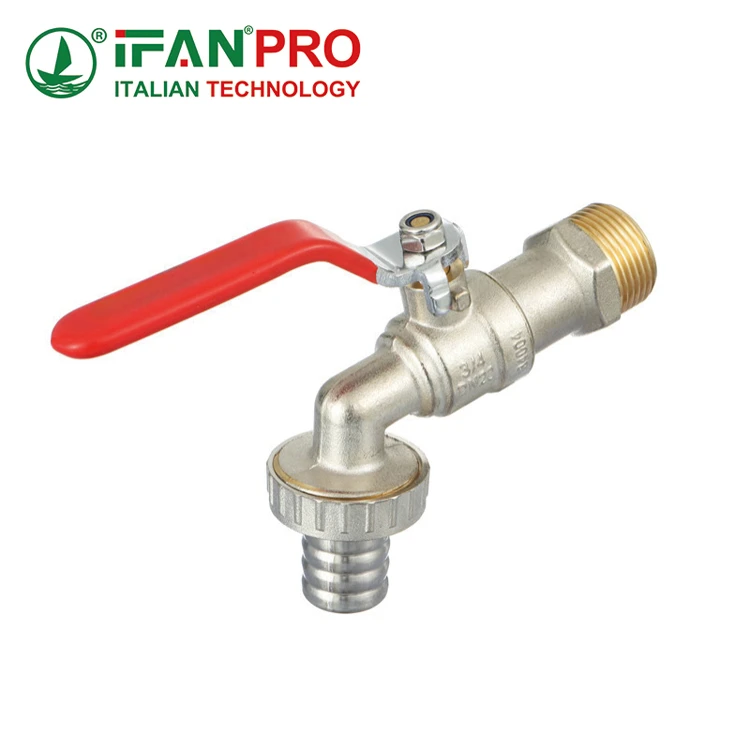
One clarification worth stating plainly: “lead-free” here does not mean zero lead. It means the wetted lead content typically sits at or below that weighted-average threshold. The word is a regulatory shorthand, and the precise limit, the components it applies to, and the marks a market will accept can differ depending on jurisdiction. Treat any blanket “compliant everywhere” claim with caution and confirm the specific requirement for your destination market.
The Standards by Market
There is no single global “lead-free brass” certificate. Each region layers its own standards, and a product legal in one market may need a different mark next door. The table below groups the marks importers ask about most. It is a map, not legal advice; the applicable standard, and whether the importer or the installer carries the compliance burden, depends on the destination and the end use.
| Standard / mark | Primary market | What it primarily addresses |
|---|---|---|
| NSF/ANSI 372 | US & Canada | Lead content: the 0.25% weighted-average wetted-surface limit |
| NSF/ANSI 61 | US & Canada | Health effects: what may leach into potable water, including lead |
| WRAS approval | UK | Fitness for contact with potable water under UK regulations |
| ACS | France | Sanitary conformity attestation for drinking-water contact |
| UBA listing | Germany | Approved metallic materials for drinking-water contact |
| WaterMark | Australia | Certification for plumbing products, referencing relevant AS standards |
Read the table as a starting shortlist, not a checklist to satisfy all at once. An importer shipping to California and one shipping to Bavaria are chasing different pieces of paper for the same physical valve. The EPA’s lead-free guidance is a useful primer for the US framework, but requirements evolve, so confirm the current version and any state-level overlay with the relevant authority or certification body before ordering.
The Low-Lead Alloys Behind the Label
A “lead-free” claim is only as sound as the metal it is cut from. Manufacturers hit the limit by switching away from high-lead free-cutting brass to alloys that machine acceptably with little or no lead. Each choice trades something off, usually a mix of machinability, raw cost and corrosion resistance. The table below covers the alloys buyers see most often.
| Alloy | Type | Notes & trade-offs |
|---|---|---|
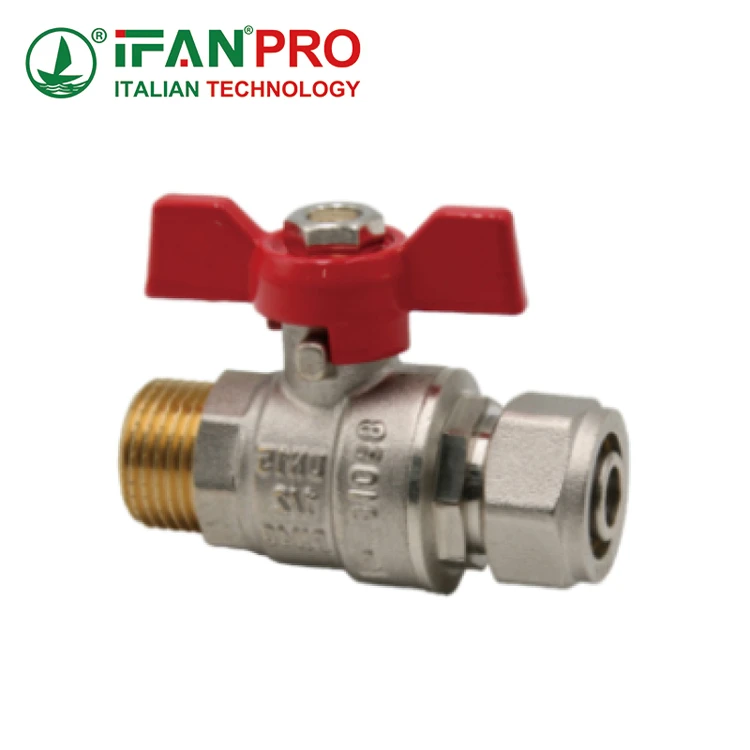
| C69300 (Eco Brass) | Silicon brass, low-lead | Good strength and dezincification resistance; machines well for a low-lead grade; typically a higher input cost than leaded brass |
| C87850 | Silicon bronze-brass casting alloy | Common for lead-free cast bodies and valves; good castability; property profile differs from wrought grades |
| CW602N (DZR brass) | Dezincification-resistant brass | Engineered against dezincification; low-lead variants exist, but DZR rating and lead limit are separate criteria to confirm |
| C36000 | Free-cutting leaded brass | The classic high-machinability standard; typically too much lead for wetted potable use under the 0.25% limit |
The practical lesson: an alloy name on a datasheet tells you the intent, not the outcome. Silicon brasses like C69300 machine differently from leaded stock, so a supplier that switched alloys but never retuned its tooling may show it in thread quality. Ask which specific alloy is used for the wetted parts of your SKU, and treat any answer that names only “brass” as incomplete.
Lead Content vs Dezincification — Two Different Problems
This is the trap that catches experienced buyers. Lead content and dezincification sound related because both involve brass and water, but they are separate failure modes with separate cures. Lead content is a health limit: keep the wetted lead under the threshold so it does not leach into drinking water. Dezincification is a corrosion mechanism: in certain waters the zinc leaches out of the brass over time, leaving a weak, porous copper skeleton that can crack, leak or block the bore.
Here is the insider warning: a fitting can be fully lead-free and still dezincify. The 0.25% limit says nothing about zinc migration. If the water is hard, chloride-rich or otherwise aggressive, and the alloy is not a dezincification-resistant (DZR) grade, the part can pass every lead test and then fail in the field a few years later. Buyers who only ask “is it lead-free?” leave this exposure open.
The fix is to treat them as two questions. Ask whether the wetted alloy meets the lead limit, and separately whether it is DZR-rated for the water conditions at the installation site. Some low-lead silicon brasses inherently resist dezincification, while a DZR grade like CW602N is engineered specifically for it; confirm which property the certificate actually covers, because a mark for one does not guarantee the other. When you also join brass to plastic or copper, the corrosion picture widens, which is why the choices in our guide to joining pipes of different materials matter alongside the alloy itself.
How to Verify a Supplier’s Lead-Free Claim
A claim is a starting point, not proof. Verifying lead free brass fittings comes down to three documents plus one physical check, and each of them can expose a gap that a spec sheet hides. Work through them in order before you place a repeat order or scale a supplier up.
- The alloy designation. Ask for the exact grade of the wetted parts (for example C69300 or CW602N), not just “lead-free brass”. A supplier who cannot name it may not control it.
- The mill / material certificate. Request the mill test certificate for the specific batch, showing composition. Cross-check that the lead figure is consistent with the alloy claimed.
- The certification listing scope. This is where most claims quietly fail. An NSF or WRAS listing covers named products within a defined scope. Confirm your exact SKU and size range fall inside that scope, not just “the brand”.
- An XRF spot-check. A handheld X-ray fluorescence gun reads surface composition in seconds. Pulling a few units from the container gives an independent read against the alloy and lead claim.
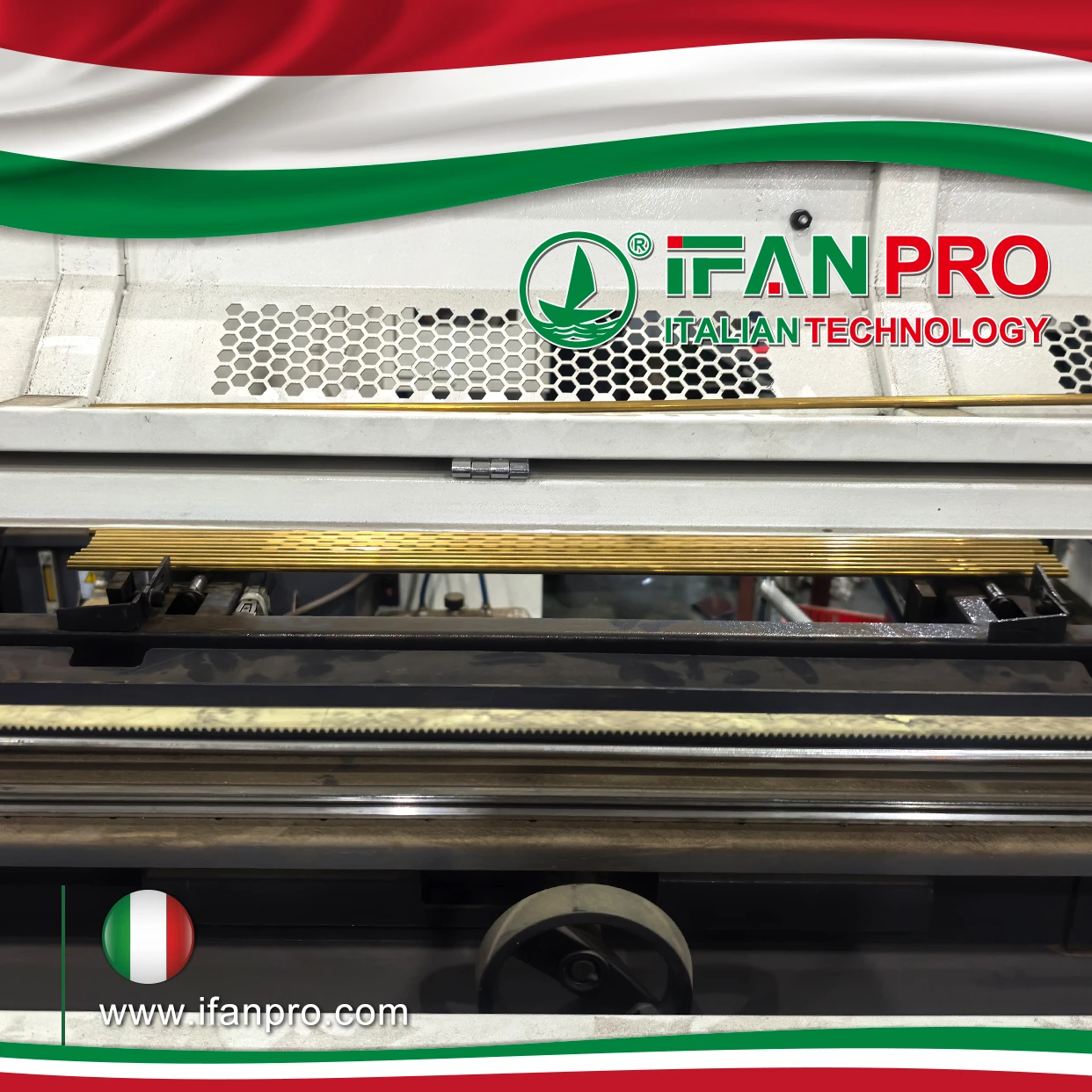
The quiet risk is recycled scrap. Low-lead brass can be produced from mixed feedstock, and a batch blended with the wrong scrap can carry more lead than the alloy spec allows. That is exactly the kind of drift an XRF spot-check on incoming goods catches before it becomes a customs or warranty problem.
One more discipline: match the certificate to the purchase order every time, not just at first qualification. Suppliers change alloy sources, tooling and even factories between runs, and a listing valid last year may no longer cover a re-sourced SKU. Re-checking scope on reorders is cheap relative to a rejected shipment. The same discipline applies across product lines, including the PEX fitting connection types you may buy from the same vendor.
What We Check on Lead-Free Brass Before Shipping
At IFANPRO we treat lead-free as a controlled input, not a label we add at the end. Since 1993 we have manufactured pipe and fittings across PEX, PPR, HDPE and PVC alongside brass fittings and valves, and the brass line runs through the same document-and-test discipline we apply everywhere. Here is what actually happens before a lead-free brass order ships.
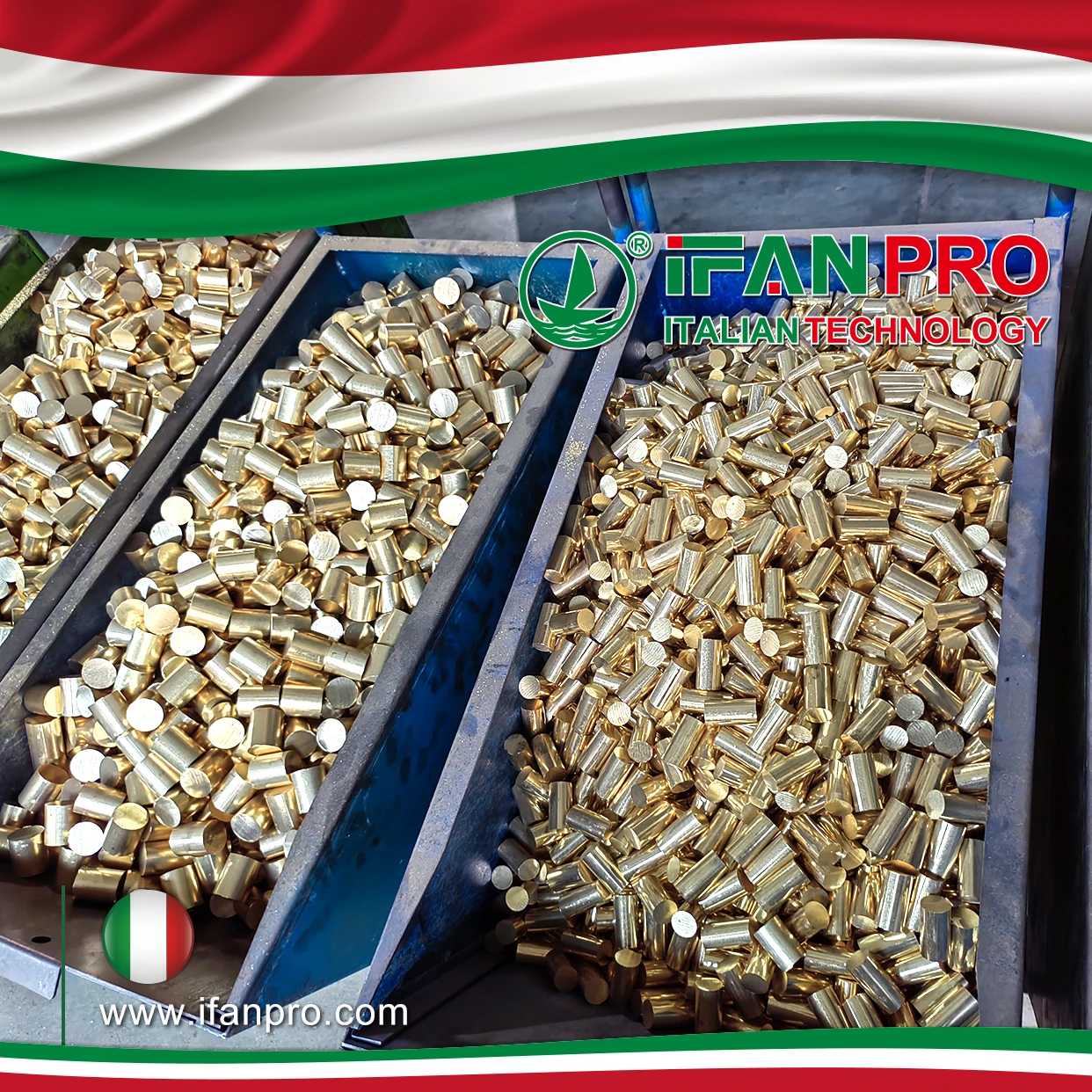
- Certified low-lead alloy input. We start from a specified low-lead grade for the wetted parts rather than substituting on cost, so the metal is right before machining begins.
- Material certificate on file. We keep the mill/material certificate for the batch and can supply it with the order, so the composition claim is traceable rather than verbal.
- Certificate-scope-to-SKU match. We check that the certification listing matched to your market actually covers the specific SKU and size you ordered, not just the product family.
- Dimensional and pressure testing. We run dimensional checks and pressure testing so the fitting seals and holds, because a compliant alloy still has to perform mechanically.
We back this with ISO 9001 and 14001 systems and product certifications including CE, WRAS and NSF/IAPMO across our range, and we match the paperwork to the destination market. Where a market needs a specific mark we help identify it, though we always recommend buyers confirm the current requirement with their local authority, since the importer usually carries the final compliance responsibility. If you are weighing brass against other materials for a job, our comparison of PEX vs copper vs PPR puts the trade-offs side by side.
Заключение
Lead-free brass is a documented threshold, not a slogan: the wetted surfaces must typically sit at or under the 0.25% weighted-average lead limit, proven by the alloy, the material certificate and a listing whose scope matches your SKU. Keep lead content and dezincification as two separate questions, and re-check the paperwork on every reorder rather than trusting the first approval. If you want a supplier that treats those checks as standard, ask us for the alloy grade, the material certificate and the market-matched listing for the exact SKU you are quoting.
Frequently Asked Questions
Does “lead-free” brass contain zero lead?
No. “Lead-free” is a regulatory shorthand for a wetted-surface lead content that typically sits at or below a 0.25% weighted average under NSF/ANSI 372, not an absence of lead. The exact limit and accepted marks can vary by market, so confirm the requirement for your destination with the local authority or certification body.
Can a lead-free brass fitting still corrode?
Yes. Lead content and dezincification are different problems. A fitting can meet the lead limit and still dezincify in hard or aggressive water if the alloy is not a DZR-rated grade. Check the lead compliance and the dezincification rating separately for the water conditions at the site.
Which alloys are used for lead-free brass fittings?
Common low-lead grades include C69300 (Eco Brass / silicon brass), C87850 (a silicon bronze-brass casting alloy) and DZR CW602N, which replace standard C36000 free-cutting leaded brass on wetted parts. Each trades off machinability, cost and corrosion resistance differently, so ask which grade is used for your specific SKU.
How do I verify a supplier’s lead-free claim?
Ask for the alloy designation, the mill/material certificate for the batch, and a certification listing (NSF, WRAS or equivalent) whose scope actually covers your SKU and size. Back it with an XRF spot-check on incoming goods, which catches mislabeled or scrap-contaminated batches before they cause a customs or warranty issue.
Does an NSF listing cover every product in the range?
Not necessarily. A certification listing covers named products within a defined scope, so a valid listing for a brand does not automatically cover every SKU or size. Confirm that your exact ordered item falls inside the listed scope, and re-check on reorders because suppliers may re-source parts between runs.
IFANPRO has manufactured piping systems and brass fittings since 1993 from a 120,000 m² facility, shipping to more than 200 countries with ISO 9001/14001, CE, WRAS and NSF/IAPMO certifications. Our team writes practical guidance for importers, wholesalers and installers who need products that pass inspection and perform in the field.


 Русский
  English
  Français
  Español
Последние комментарии