
If you’re planning or modifying a plumbing system, you may find yourself needing to connect two different pipe materials—PVC (Polyvinyl Chloride) and PPR (Polypropylene Random Copolymer). But is it possible to connect PVC to PPR safely and effectively?
The short answer is: Yes, you can connect PVC to PPR, but you must use the correct adapters or transition fittings to ensure a secure, leak-free joint. In this guide, we’ll explain how to do it properly, the tools required, and common mistakes to avoid.
🔍 Why Connect PVC to PPR?
- Renovations: You may be updating an old PVC plumbing system with new PPR components.
- System Expansion: Adding new PPR pipes to an existing PVC infrastructure.
- Cost or Availability: Sometimes one material is more cost-effective or regionally available.
❗ Key Challenge: Different Welding Methods
The reason PVC and PPR can’t be directly fused is because:
- PVC uses solvent cement (chemical bonding).
- PPR uses heat fusion welding (thermal bonding).
➡️ This means you cannot directly weld PVC to PPR with heat or glue.
✅ How to Properly Connect PVC to PPR
To create a secure, long-lasting connection, follow these steps:
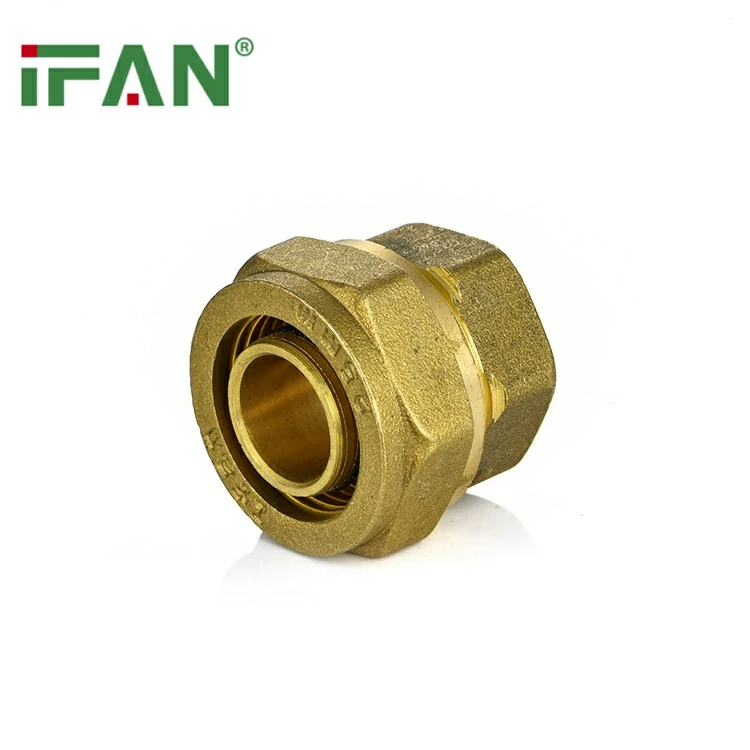
1. Use a PVC-to-PPR Transition Fitting
These fittings are specifically designed with:
- One end for PVC (usually threaded or solvent socket)
- One end for PPR (typically socket fusion type)
Common types include:
- PVC Male Thread × PPR Female Adapter
- PVC Socket × PPR Socket Combo Coupling
2. Apply Correct Joining Method for Each Side
- On the PVC side: Use PVC solvent cement and primer to secure the pipe to the adapter.
- On the PPR side: Use a fusion welding machine to connect the PPR pipe to the fitting.
✅ This hybrid method ensures each material is joined according to its specific requirements.
🛠️ Tools & Materials You’ll Need
- PVC primer & solvent cement
- PPR socket fusion welding machine
- PVC–PPR transition fitting
- Pipe cutter and measuring tape
- PTFE tape (if using threaded fittings)
⚠️ Common Mistakes to Avoid
- Using glue on PPR: PPR cannot be joined with glue—heat fusion only.
- Misaligned threads: Always check for BSP/NPT compatibility when using threaded adapters.
- No support or clamps: Unsecured transition joints can become stress points.
💡 Pro Tip: Choose Certified Fittings from Trusted Manufacturers
Using poor-quality adapters may lead to leaks, pressure drops, or early failure. If you’re buying in bulk or managing a project, always choose certified products.
At ifanultra, we offer:
- DIN/ISO-certified PVC–PPR transition fittings
- Custom OEM options for bulk orders
- Technical support for international plumbing projects
We manufacture and export high-quality PPR and hybrid fittings worldwide, helping professionals save time, cost, and avoid costly installation issues.
🔄 Can You Replace PVC Entirely with PPR?
Yes—PPR is a better long-term solution in many applications due to:
- Greater temperature resistance (up to 95°C)
- Longer service life (50+ years)
- Higher pressure tolerance
- Eco-friendly, recyclable material
If you’re planning a full upgrade or a new plumbing system, switching entirely to PPR may be more efficient than maintaining mixed systems.
✅ Conclusion
While PVC and PPR cannot be directly welded or glued together, special transition fittings make it possible to connect the two safely. By using the correct adapters and following proper procedures, you can build a reliable hybrid plumbing system.
If you’re sourcing PVC–PPR adapters or full PPR systems, explore solutions at ifanultra.com—your trusted factory partner for certified pipeline products and custom manufacturing.








 Français
  English
  Русский
  Español
Commentaires récents