
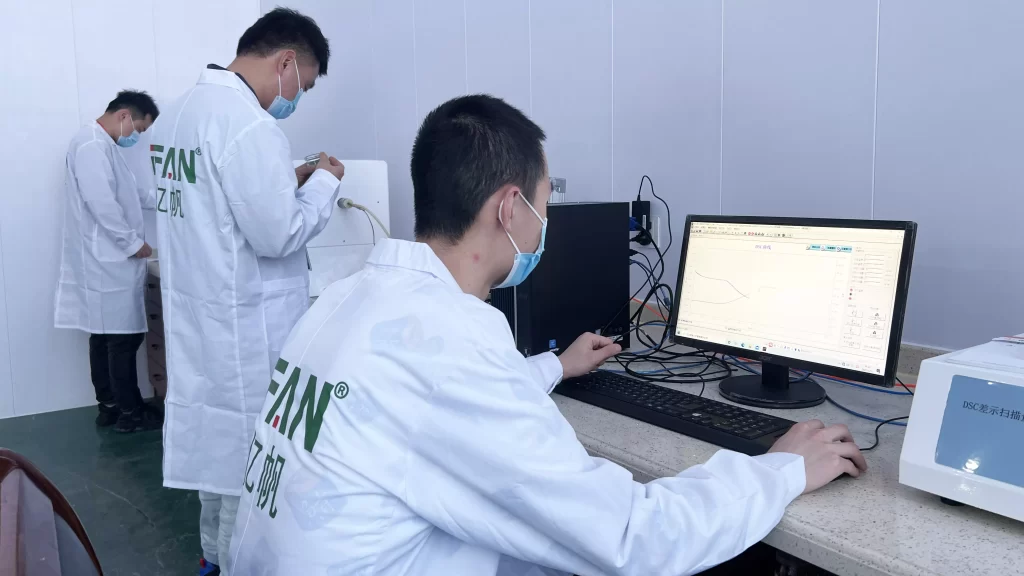
Two OIT results cannot be ranked by minutes alone. First match the test method, temperature, atmosphere and pressure, crucible arrangement, specimen preparation and evaluation basis. If those conditions differ or are missing, a longer oxidation induction time does not establish a better PE pipe. Compare each result with its own applicable requirement, or obtain a properly matched comparison.
This guide is for a pipe buyer or quality engineer reviewing two laboratory reports. It resolves comparability, not a universal acceptance limit, remaining service life or proof of a particular IFANPRO batch. The key question is whether the reported difference belongs to the material or to the way it was tested.
Key Takeaways
- Isothermal OIT is a time; oxidation onset temperature is a different result.
- Different test temperatures can invalidate a direct minutes-to-minutes ranking.
- Atmosphere, pressure and crucible conditions belong with the reported result.
- Specimen preparation and sampling identity can change what is being compared.
- Matching conditions permits a bounded oxidative-stability comparison, not a field-life guarantee.
- A missing condition calls for clarification or matched testing before a procurement ranking.
Watch: Differential Scanning Calorimetry (DSC) — METTLER TOLEDO
Neutral instrument training for the measurement context; it is not evidence for a supplied pipe batch.
Start with what the number measures
In an isothermal oxidation induction time test, the specimen is held at a selected temperature. The result records the delay between exposure to the oxidizing atmosphere and the evaluated onset of oxidative reaction. A dynamic oxidation onset temperature result instead records a temperature while the specimen is being heated. Treating a temperature result as though it were a longer waiting time compares different quantities.
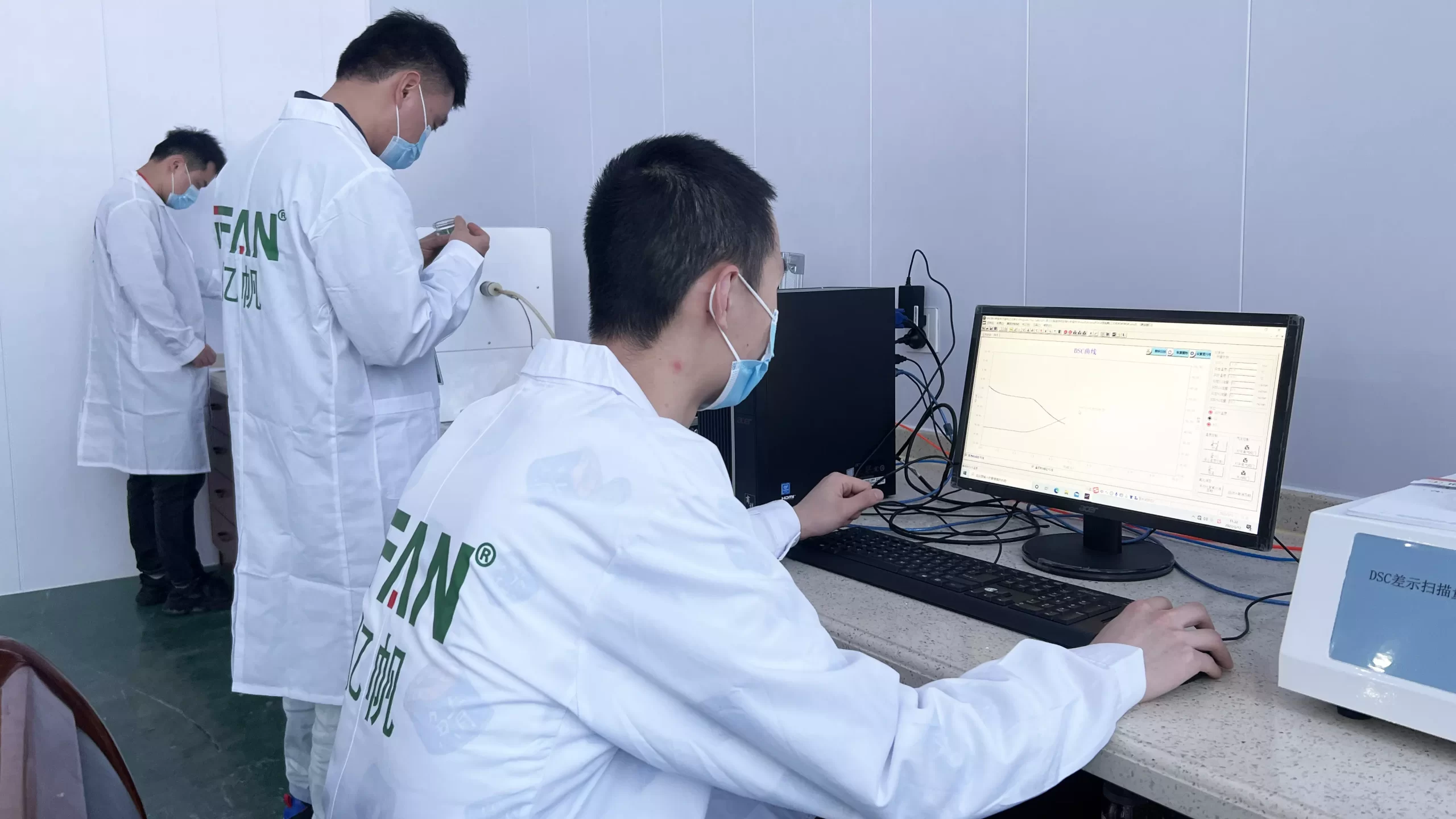
The METTLER TOLEDO OIT guide explicitly answers the public questions “What is the difference between OIT and OOT?” and “How to achieve reproducibility during OIT measurements?” These are useful report-review questions as well as laboratory questions: a purchasing decision depends on the same measurement identity.
On the first page of each report, locate the method reference, result unit and test temperature. Then find the complete test conditions rather than assuming a familiar acronym supplies them. Our recycled-material testing discussion already explains why test methods and units matter when investigating a material claim. The decision here is narrower: when can two reported OIT times actually support a ranking?
A method name is not the whole comparison
ASTM’s published research abstract on polyethylene OIT determinations identifies temperature, oxygen conditions and crucible material as influences on the result. It also emphasizes temperature accuracy and crucible cleanliness. The abstract supports the need to control these variables; it is not a new pipe acceptance standard or a licence to adjust a certificate informally.

Temperature is especially easy to overlook because both reports may still show minutes. METTLER TOLEDO explains that raising the test temperature shortens OIT when the other relevant parameters remain constant. It also describes the catalytic effect of copper crucibles compared with aluminium. A lower value under a different condition can therefore have a different explanation from a lower value in a controlled comparison.
| Field | Why it matters | Review response |
|---|---|---|
| Method and edition | Defines the required procedure and reporting basis | Check actual applicability and any deviations |
| Isothermal temperature | Changes the rate of oxidative reaction | Do not rank unmatched temperatures by minutes |
| Atmosphere, flow and pressure | Defines the exposure around the specimen | Resolve oxygen versus air and pressure differences |
| Crucible and lid arrangement | Can affect reaction and exposure | Confirm material and open/covered configuration |
| Specimen and evaluation basis | Defines the material portion and onset being measured | Check preparation, identity and result calculation |
A shared standard reference is a starting point. If one report declares a modified atmosphere or a different measurement temperature, read that departure. Do not erase a recorded difference simply because both laboratories cite the same family of standards. If a field is absent, it remains unknown until the laboratory supplies it.
Use a matched-condition example without inventing a conversion
Illustrative report-review example: Report A states 30 minutes at 200°C, while Report B states 25 minutes at 210°C. Assume both describe PE specimens, but no matched retest is available. Those values are teaching assumptions, not IFANPRO test data or acceptance limits.
The correct purchasing conclusion is not that A is the better material. Its longer time was measured under a different temperature condition. Nor can B automatically be declared better because its test was hotter. The available evidence does not quantify how these particular specimens respond across temperatures. A ranking requires a common basis; a guessed multiplier or a subtraction of minutes supplies none.
Now change the case: both reports use the same temperature, atmosphere, pressure, crucible configuration, preparation and evaluation procedure on appropriately identified comparable specimens. Their times can then inform a comparison of oxidative stability under those conditions. That conclusion still stays within the test. It does not establish which whole pipe has greater pressure resistance or how many years either pipe will last in service.
A third case is independent compliance. Two reports may each have a legitimate acceptance requirement with its own prescribed conditions. Assess each against the requirement that actually applies to it. Passing two different requirements does not turn their raw times into a common performance league table. Product compliance and cross-supplier ranking are different decisions.
Check what was sampled, not only the DSC settings
NETZSCH’s OIT application note describes measurements on two polyethylene samples. It reports carefully matched preparation and an open aluminium crucible arrangement, and warns that preparation and measurement parameters—including a lid opening—can influence the results. Its comparison is supported by controlled conditions, not just two numbers placed beside each other.
For a pipe purchase, add traceability to that laboratory logic. A resin sample, a finished-pipe specimen and a piece from an unidentified retained sample are not automatically evidence for the same delivered batch. Record the product and batch identity, the sampling description and any specimen-location information the method or purchase specification requires. Otherwise, even an impeccably executed measurement may answer a different purchasing question.
OIT provides a useful view of oxidative stability under the stated accelerated test. It does not independently prove the absence of recycled material, establish a disinfectant service class or replace the other checks required for a pipe system. A meaningful test gains value when its limited result is connected to the correct batch and requirement.
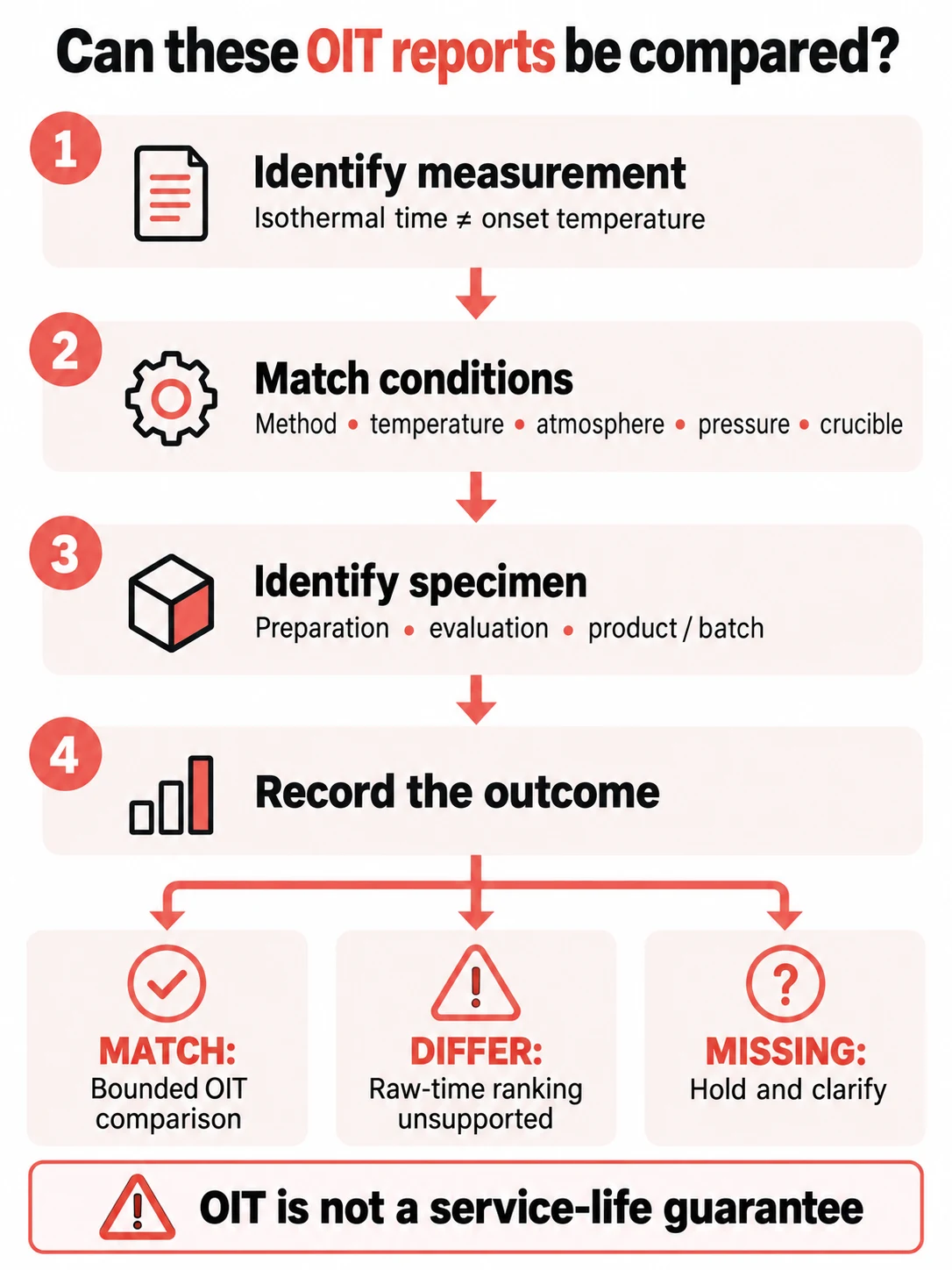
- Identify measurement: confirm units.
- Match conditions: method, temperature, atmosphere, pressure and crucible.
- Identify specimen: preparation, evaluation basis, product and batch.
- Record the outcome: a bounded comparison when matched, an unsupported ranking when different, or a hold when information is missing.
Give the review one of three clear outcomes
| Situation | Conclusion now | What resolves it |
|---|---|---|
| Conditions and specimen basis match | Comparable for the stated OIT assessment | Apply the relevant specification; retain test limits |
| A material condition differs | Direct raw-time ranking unsupported | Obtain an approved common comparison basis or matched testing |
| Conditions or batch identity missing | Hold the comparison | Obtain the missing report fields and traceability, then reassess |
For the 30-minute and 25-minute example, request the complete methods and specimen identities first. If the temperature difference remains, keep the direct ranking on hold and arrange an appropriately matched assessment through the laboratory. If clarification shows that all relevant conditions actually match, return to the results and the applicable requirement. This gives the hold a concrete exit condition.
When reviewing HDPE pipe and fitting options, keep the report review attached to the exact product specification. For a potential order, send IFANPRO the product and test-document requirements for an availability check, including country, pipe application, material, dimensions and the governing specification. This article does not claim that a particular batch, OIT report or laboratory service is available.
Conclusion
A longer OIT is meaningful only within a defined comparison. Confirm what is measured, match the test conditions and identify the specimen before ranking reports. Where the basis differs, preserve each report’s own compliance decision and obtain a common basis for any supplier comparison. Keep field-life and whole-pipe claims outside what the OIT evidence proves.
Frequently Asked Questions
Can I convert a result at one temperature to another?
Not with a universal minutes correction. These sources provide no general conversion for an unknown pipe compound; use a laboratory-approved comparison basis or matched testing.
Is OIT in degrees the same as OIT in minutes?
No. Dynamic oxidation onset temperature and isothermal oxidation induction time describe different measurements. Confirm the method and units before comparing.
Does a passing OIT prove the pipe’s service life?
No. It addresses oxidative stability under the stated test conditions. Service suitability and lifetime require the relevant product and application evidence.










 Français
 English
 Русский
 Español
Commentaires récents