
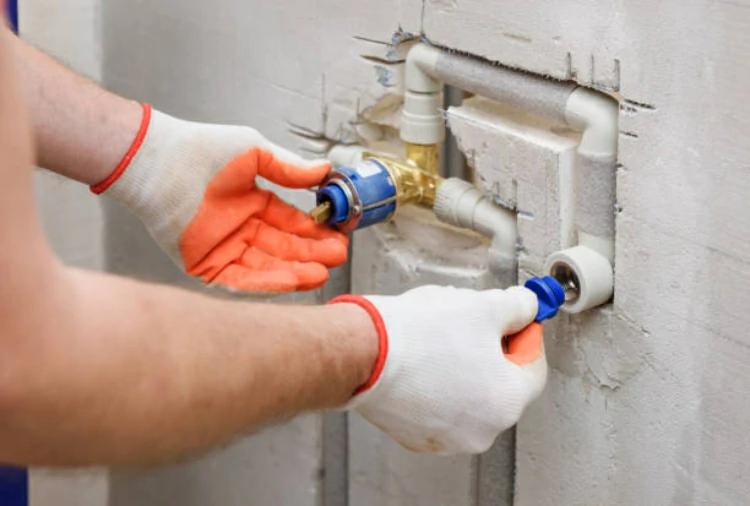
Understanding the Differences: PPR vs. PVC Pipes
Introduction to PPR and PVC Pipes
In the realm of plumbing materials, PPR (Polypropylene Random Copolymer) and PVC (Polyvinyl Chloride) pipes are two commonly used options. While both materials serve similar purposes, they exhibit distinct characteristics that set them apart. Understanding the differences between PPR and PVC pipes is essential for making informed decisions in plumbing projects.
Composition and Structure
PPR pipes are made from polypropylene, a thermoplastic polymer known for its durability and chemical resistance. In contrast, PVC pipes are composed of polyvinyl chloride, a synthetic plastic polymer. The composition of each material contributes to its unique properties and suitability for different applications.
Durability and Longevity
PPR pipes are renowned for their exceptional durability and longevity. They are resistant to corrosion, rust, and chemical degradation, making them ideal for both indoor and outdoor plumbing systems. PVC pipes, while durable, may degrade over time when exposed to sunlight and certain chemicals, limiting their lifespan in certain environments.
Flexibility and Ease of Installation
PPR pipes offer superior flexibility and ease of installation compared to PVC pipes. Their lightweight construction and smooth surface allow for effortless handling and maneuverability, reducing installation time and labor costs. PVC pipes, although flexible to some extent, may require additional fittings and connectors for complex plumbing layouts, increasing installation complexity.
Thermal and Chemical Resistance
Both PPR and PVC pipes exhibit excellent thermal and chemical resistance, making them suitable for a wide range of applications. PPR pipes can withstand high temperatures and pressures, making them ideal for hot water distribution systems. PVC pipes are also heat-resistant but may soften at higher temperatures, limiting their suitability for certain applications.
Cost-Effectiveness and Sustainability
In terms of cost-effectiveness, PPR pipes offer significant advantages over PVC pipes. While PVC pipes may have lower upfront costs, the long-term savings associated with PPR pipes, including lower maintenance and replacement costs, make them a more cost-effective option in the long run. Additionally, PPR pipes are recyclable and environmentally friendly, contributing to sustainable building practices.
Заключение
The choice between PPR and PVC pipes depends on various factors, including project requirements, budget constraints, and environmental considerations. While both materials offer advantages and disadvantages, PPR pipes stand out for their superior durability, flexibility, and longevity in plumbing applications. By weighing the differences between PPR and PVC pipes, property owners and contractors can make informed decisions to ensure efficient, reliable, and sustainable plumbing systems.
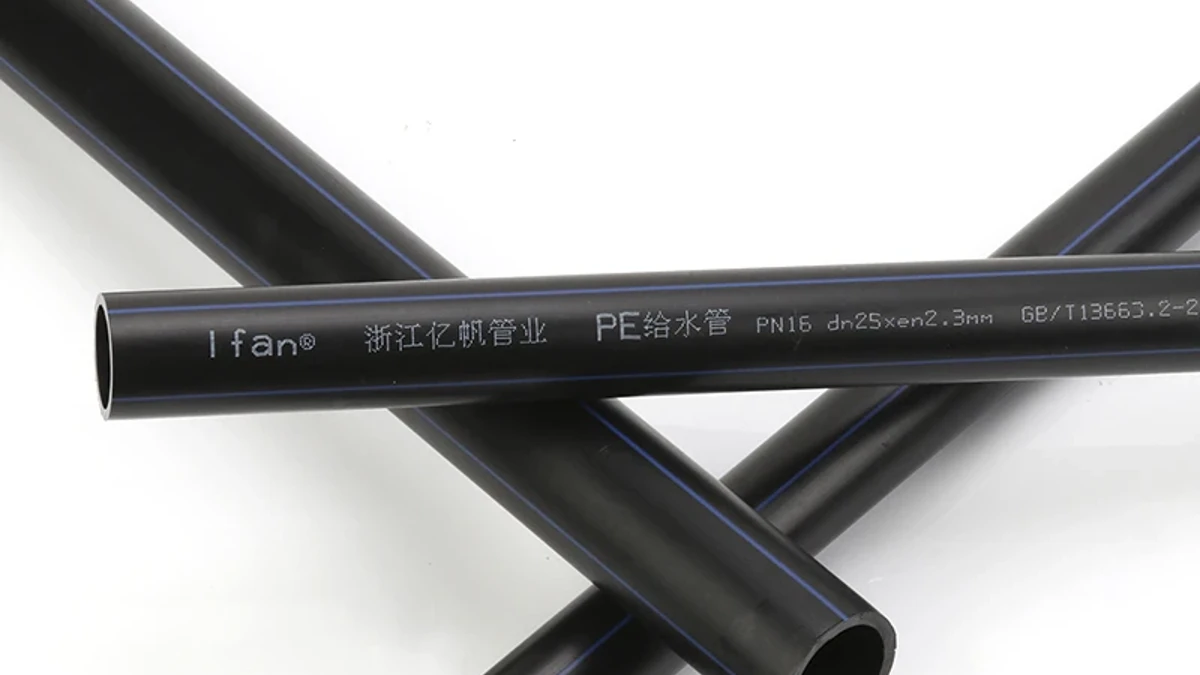
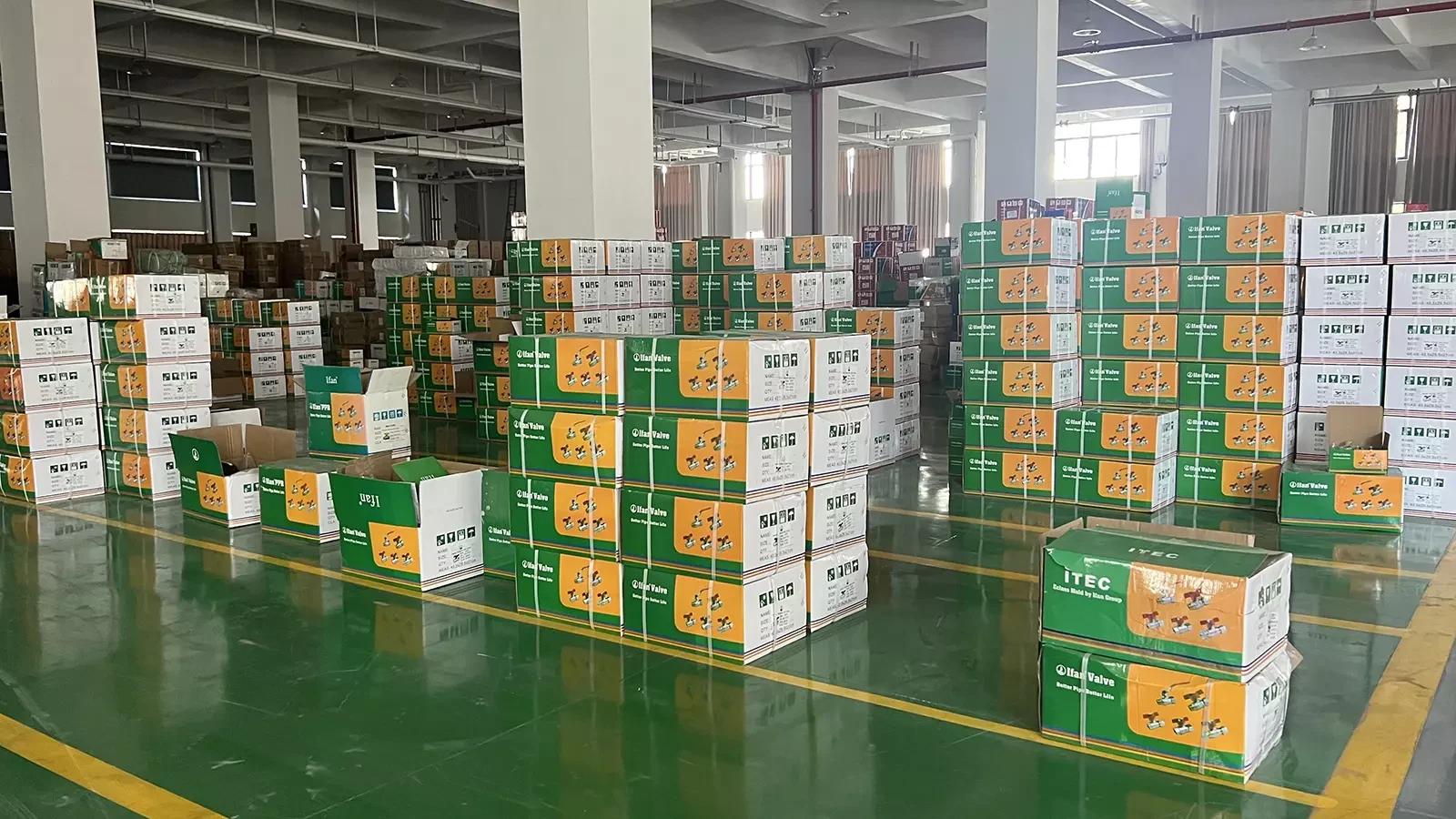
ИФАН является китайским производителем пластиковых труб, фитингов и клапанов с 30-летним опытом работы. Если вы заинтересованы в ИФАН медные фитинги, медные клапаны, пластиковые трубы и фитинги, пожалуйста, свяжитесь с нами. ИФАН предлагает вам разнообразные стандартные трубы для удовлетворения ваших конкретных потребностей. Нажмите ниже, чтобы узнать больше о широком ассортименте доступной и экономичной арматуры и сопутствующих товаров для трубопроводных систем от IFAN.
Мы ответим на ваше письмо или факс в течение 24 часов.
Вы можете позвонить нам в любое время, если у вас возникнут вопросы по нашей продукции.
Для получения дополнительной информации, пожалуйста, посетите наш веб-сайт https://ifanpro.com/
Отправить по почте: [email protected]
Whatsapp: + 86 19857948982







 Русский
  English
  Français
  Español
Последние комментарии