
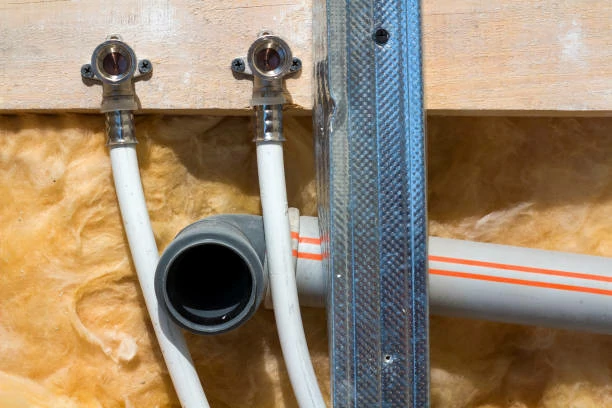
Introduction to PEX Plumbing
PEX (cross-linked polyethylene) plumbing has become a popular choice for residential and commercial applications. Its flexibility, durability, and ease of installation make it a preferred alternative to traditional plumbing materials like copper and PVC. Understanding the relevant plumbing codes and standards is crucial for ensuring a safe and compliant installation.
The Importance of Plumbing Codes and Standards
Ensuring Safety Plumbing codes and standards establish guidelines to ensure the safety and health of building occupants. They help prevent issues like leaks, contamination, and system failures.
Uniformity and Compliance Codes provide uniformity across installations, ensuring that all plumbing systems meet minimum performance and safety requirements. Compliance with these codes is often required by local building authorities.
Protecting Property Adhering to plumbing standards protects property by minimizing the risk of water damage, mold growth, and other plumbing-related issues. Proper installation extends the life of the plumbing system.
Key Plumbing Codes for PEX
International Plumbing Code (IPC) The IPC sets standards for plumbing systems’ design, installation, and maintenance. It includes specific guidelines for using PEX pipes and fittings.
Uniform Plumbing Code (UPC) The UPC provides a framework for ensuring safe and effective plumbing systems. It covers materials, design, and installation practices for PEX plumbing.
National Standard Plumbing Code (NSPC) The NSPC includes comprehensive requirements for plumbing installations. It addresses the use of PEX pipes in various applications, including potable water systems and hydronic heating.
Standards for PEX Pipes and Fittings
ASTM Standards The American Society for Testing and Materials (ASTM) has developed several standards for PEX pipes and fittings:
- ASTM F876: Specifies the dimensions, materials, and performance requirements for PEX tubing.
- ASTM F877: Covers the specifications for PEX hot- and cold-water distribution systems.
- ASTM F1960: Addresses the requirements for cold-expansion fittings using PEX reinforcement rings.
CSA Standards The Canadian Standards Association (CSA) provides standards for PEX plumbing in Canada:
- CSA B137.5: Defines the requirements for PEX tubing systems for potable water and radiant heating.
NSF Standards The NSF International standards ensure the safety of materials in contact with drinking water:
- NSF/ANSI 14: Covers plastic piping system components and related materials.
- NSF/ANSI 61: Ensures materials used in drinking water systems do not leach harmful contaminants.
Installation Guidelines
Pipe Support and Spacing PEX pipes need adequate support to prevent sagging and stress on joints. The IPC and UPC specify the maximum spacing between supports.
Expansion and Contraction PEX pipes expand and contract with temperature changes. Installation guidelines recommend using expansion loops or offsets to accommodate this movement.
Fittings and Connections Use fittings and connections that comply with ASTM standards. Follow manufacturer guidelines for crimping, clamping, or expanding fittings to ensure secure joints.
Protection from UV Light PEX pipes degrade when exposed to UV light. Store and install them away from direct sunlight or use UV-resistant coverings.
Bending and Flexibility PEX’s flexibility allows it to bend around corners, reducing the need for fittings. Avoid kinking the pipe, which can weaken it and cause leaks.
Inspections and Approvals
Local Building Codes Consult local building codes before starting your project. Local regulations may have additional requirements or modifications to national standards.
Permits and Inspections Obtain necessary permits and schedule inspections with local building authorities. Inspectors will verify that the installation complies with all relevant codes and standards.
Common Mistakes to Avoid
Improper Crimping or Clamping Ensure crimp rings or clamps are correctly installed. Use a Go/No-Go gauge to verify that connections are secure.
Inadequate Pipe Support Provide adequate support for PEX pipes to prevent sagging. Follow code requirements for support spacing.
Incorrect Pipe Sizing Use the correct pipe size for your application. Undersized pipes can restrict water flow and pressure, while oversized pipes can be wasteful and costly.
Ignoring Expansion and Contraction Account for PEX expansion and contraction. Use expansion loops or slack in the pipe to prevent stress on joints and fittings.
Exposure to UV Light Protect PEX pipes from UV light exposure. Store them indoors and cover exposed sections to prevent degradation.
Заключение
Understanding and adhering to PEX plumbing codes and standards is essential for a safe, reliable, and compliant plumbing system. Familiarize yourself with the relevant codes, obtain necessary permits, and follow installation guidelines to ensure a successful PEX plumbing project. Proper planning and execution will provide long-lasting benefits, ensuring the safety and efficiency of your plumbing system.
Подключайтесь
ИФАН является китайским производителем пластиковых труб, фитингов и клапанов с 30-летним опытом работы. Если вы заинтересованы в ИФАН медные фитинги, медные клапаны, пластиковые трубы и фитинги, пожалуйста, свяжитесь с нами. ИФАН предлагает вам разнообразные стандартные трубы для удовлетворения ваших конкретных потребностей. Нажмите ниже, чтобы узнать больше о широком ассортименте доступной и экономичной арматуры и сопутствующих товаров для трубопроводных систем от IFAN.
Мы ответим на ваше письмо или факс в течение 24 часов.
Вы можете позвонить нам в любое время, если у вас возникнут вопросы по нашей продукции.
Для получения дополнительной информации, пожалуйста, посетите наш веб-сайт https://ifanpro.com/
Отправить по почте: [email protected]
Whatsapp: + 86 19857948982










 Русский
  English
  Français
  Español
Последние комментарии