
PEX pipe has taken over residential and light-commercial plumbing for one blunt reason: a crew can run a flexible line from the manifold to a fixture with a fraction of the joints copper demands, and every joint you delete is a leak you never have to warranty. Cross-linked polyethylene bends around corners, tolerates a freeze that would split copper, and costs less per meter installed. That is the pitch. The reality underneath it is more nuanced — there are three manufacturing grades, four incompatible fitting systems, a real chlorine-and-UV failure story, and a certification maze that decides whether your shipment clears customs or gets rejected at the border.
This guide is written for the people who buy and specify pipe by the container, not the pallet. IFANPRO has manufactured PEX and PEX-AL-PEX systems since 1993 and ships to more than 200 countries, so the framing here is a sourcing-and-engineering one: what actually separates PEX-a from PEX-b on a spec sheet, which certifications a wholesaler must verify before wiring a deposit, and where PEX quietly fails so you can screen it out before it reaches your customers.
Key Takeaways
- PEX is cross-linked polyethylene rated for roughly 160 psi at 73°F and 80 psi at 200°F under ASTM F876/F877 — a hot-and-cold potable water pipe, not a structural one.
- Three grades exist: PEX-a (Engel/peroxide, most flexible, expansion fittings), PEX-b (silane, stiffer, strongest chlorine resistance, cheapest), PEX-c (irradiation, least common). PEX-a runs 15–25% more than PEX-b.
- Fitting systems are not interchangeable: crimp, clamp/cinch, push-fit, and cold-expansion each need their own tool and rings. Expansion (F1960) works only with PEX-a.
- For potable water, verify NSF/ANSI 61 and 372 (lead-free) or WRAS; a certificate that names a different SKU or an expired scope is the most common import rejection.
- PEX lasts 40–50 years indoors but degrades under UV in weeks of direct sun and can crack early under high chlorine plus high temperature — grade and stabilizer package matter.
- For closed-loop radiant heating with a boiler or steel pump, use oxygen-barrier PEX (EVOH, DIN 4726). Non-barrier pipe corrodes ferrous components from the inside.
- PEX-AL-PEX adds an aluminum core: it holds its bent shape, cuts thermal expansion by about 80%, and is a built-in oxygen barrier — worth the premium on heating loops and long exposed runs.
What Is PEX Pipe, and Why the Cross-Linking Matters
PEX stands for cross-linked polyethylene. Ordinary high-density polyethylene is a bundle of separate polymer chains that slide past each other when heated, which is why a plain HDPE cup deforms in boiling water. Cross-linking chemically bonds those chains into a three-dimensional net. That net is what lets the same base plastic hold pressure at 200°F, survive a freeze-thaw cycle, and return toward its original shape after bending — properties raw polyethylene does not have.
The degree of cross-linking is a measured spec, not a marketing word. ASTM F876 sets a minimum: at least 70% for PEX-a and 65–70% for PEX-b and PEX-c. Too little and the pipe behaves like plain PE under heat; too much and it turns brittle. A reputable mill batch-tests this with a solvent-extraction method and keeps the certificate. When a supplier cannot produce a cross-linking percentage for the lot you are buying, that is not a paperwork gap — it means nobody measured whether the pipe will hold 80 psi at 200°F.
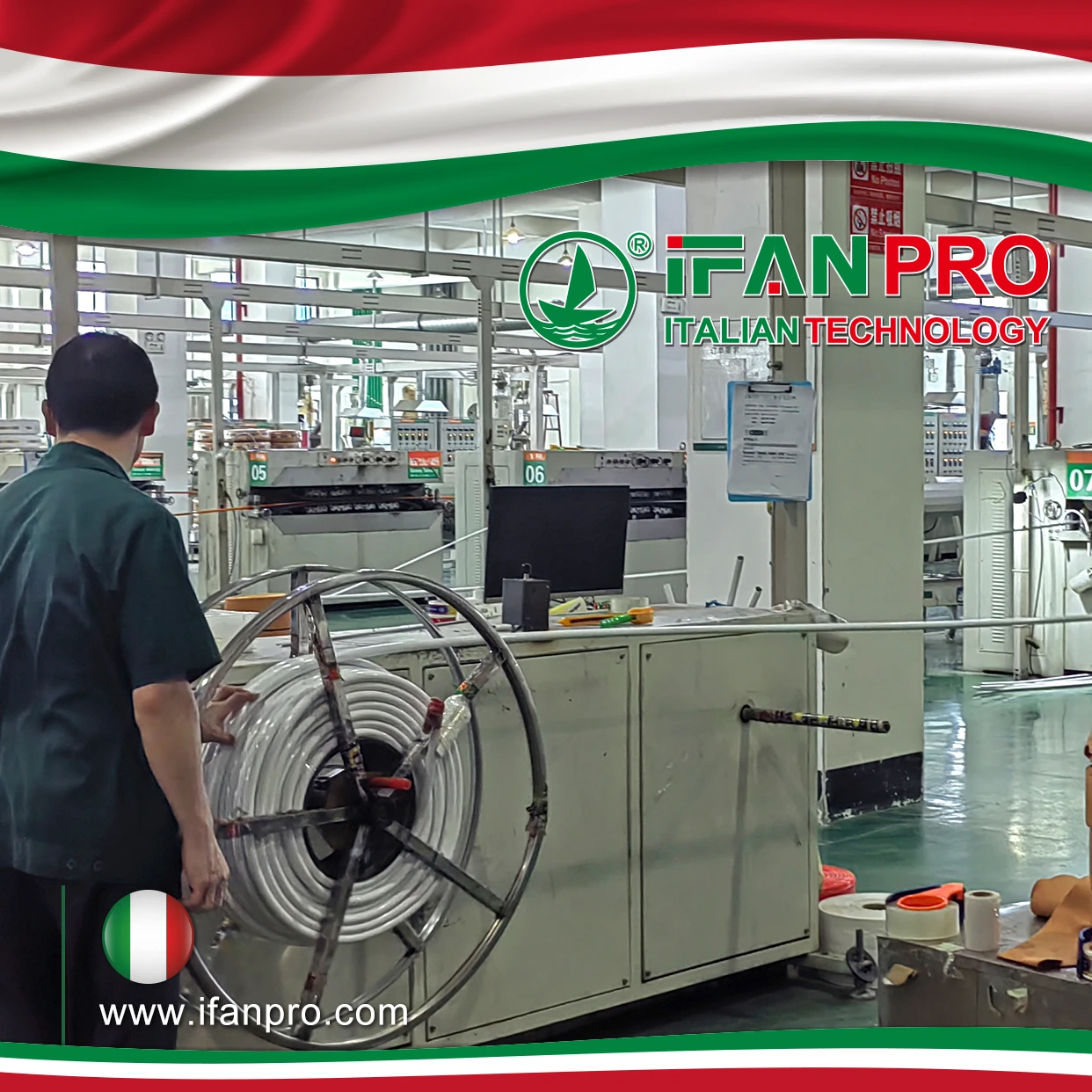
The practical payoff of that chemistry is joint reduction. A rigid system needs an elbow at every direction change; a coil of PEX turns the corner without one. On a typical two-bath house that can mean cutting fitting count by more than half, and since a mechanical joint is the single most common leak point in any plumbing system, fewer joints is a direct reliability gain — the reasoning behind why crews increasingly reach for modern PEX plumbing fittings over sweated copper.
PEX-A vs PEX-B vs PEX-C: The Three Manufacturing Methods
All three grades meet the same ASTM performance floor, so a spec sheet can make them look identical. They are not. The difference is how and when the cross-linking happens, and that decides flexibility, repairability, chlorine resistance, and which fittings you are locked into. This is the single most misunderstood decision in PEX buying, and getting it wrong is what puts the wrong pipe on the wrong job.
PEX-a — the Engel (peroxide) method
Cross-linking happens in the melt, before the plastic cools, using peroxides. This produces the highest and most uniform cross-link density and the most flexible pipe on the market. PEX-a has genuine thermal memory: kink it and you can heat the spot with a hot-air gun to erase the damage, which no other grade allows. It also uses cold-expansion fittings — you expand the pipe end, insert the fitting, and the memory clamps it down full-bore. The trade-off is price, typically 15–25% above PEX-b, and the expansion tool costs more than a crimp tool.
PEX-b — the silane (moisture-cure) method
Cross-linking happens after extrusion, as the pipe cures in warmth and moisture. PEX-b is stiffer, keeps some coil memory, and is the cheapest to produce — which is why it dominates North American residential plumbing. Its underrated advantage is chlorine resistance: independent stress-rupture testing has repeatedly shown well-made PEX-b holding up longest against hot, highly chlorinated water. For a distributor whose market has aggressive municipal chlorination, that durability edge often outweighs PEX-a’s flexibility.
PEX-c — the irradiation (cold) method
Cross-linking is done after extrusion by bombarding the pipe with an electron beam. No chemical catalysts are involved, but the beam penetrates the wall unevenly, so cross-linking can be lighter on the inside surface. PEX-c is moderately stiff and prone to kinking. It is a reasonable choice for radiant heating loops but the least common pick for potable systems, and most serious plumbing buyers treat it as a secondary option rather than a primary spec.
The honest position: PEX-b is the default value choice for cold-and-hot potable plumbing, PEX-a is worth the premium where installers need maximum flexibility or field kink-repair, and PEX-c earns its place mainly in heating. The table below is the spine of that decision.
| Недвижимость | PEX-a | PEX-b | PEX-c |
|---|---|---|---|
| Method | Peroxide (Engel) | Silane (moisture) | Electron-beam |
| Гибкость | Highest | Moderate, coil memory | Stiffer, kink-prone |
| Kink repair with heat | Yes | No | No |
| Chlorine resistance | Good | Strongest | Good |
| Primary fittings | Cold-expansion (F1960) | Crimp / clamp / push | Crimp / clamp / push |
| Relative cost | Highest | Lowest | Mid |
PEX vs PEX-AL-PEX: When the Aluminum Core Earns Its Premium
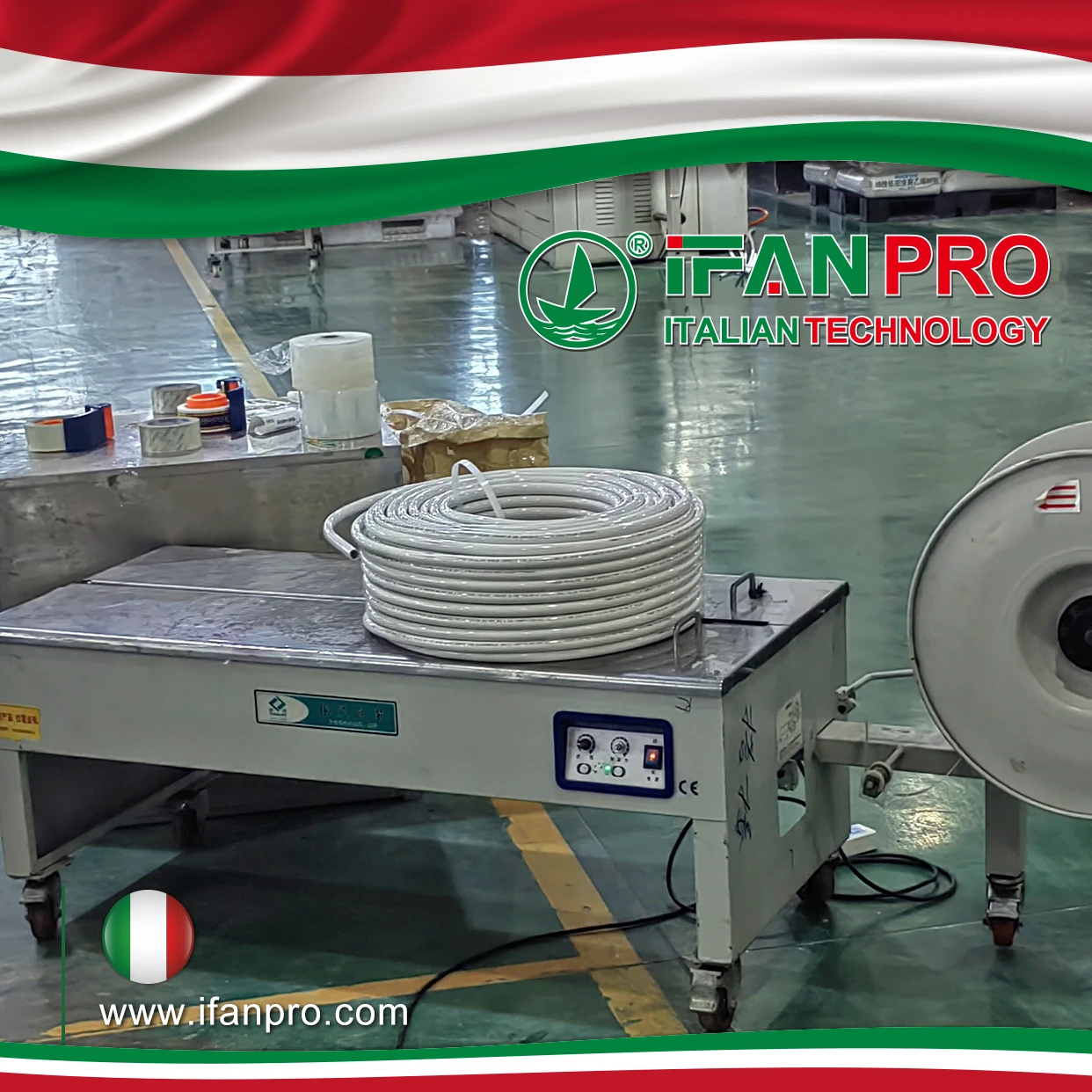
PEX-AL-PEX is a composite: a welded aluminum tube sandwiched between an inner and outer layer of PEX. That aluminum core changes the pipe’s behavior in three ways that matter on the jobsite. It stays bent where you shape it instead of springing back, so long horizontal runs don’t need a strap every half meter. It cuts thermal expansion by roughly 80% — plain PEX can grow about 1 inch per 10 feet across a 100°F swing, and the aluminum layer largely tames that noisy movement. And the aluminum is itself a total oxygen barrier, which the next section explains is not optional on a heating loop.
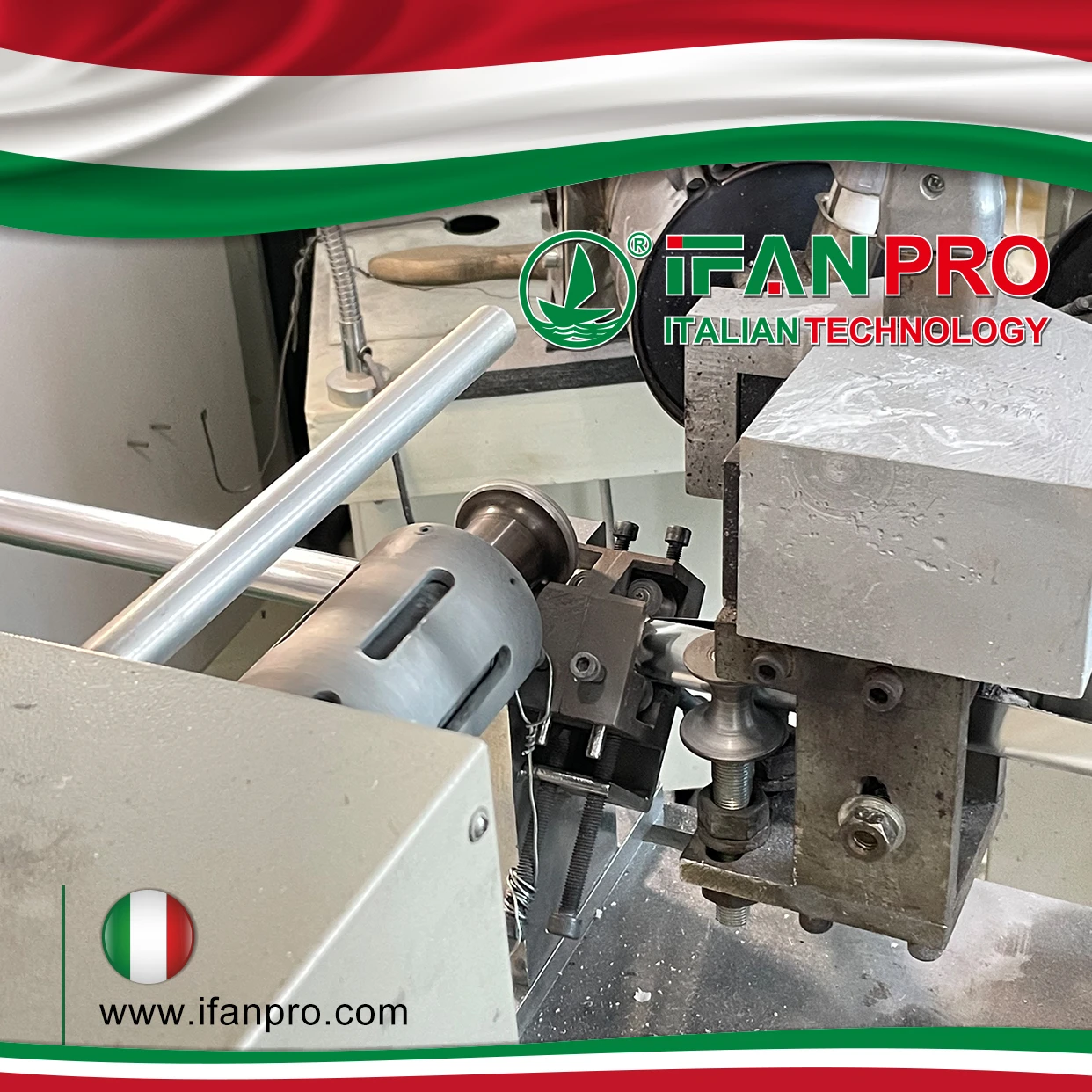
The cost is real: PEX-AL-PEX runs meaningfully higher per meter and needs its own calibrated fittings, because the aluminum makes the wall thicker and less forgiving. For a straight cold-water branch, that premium is wasted. For a radiant floor loop, a gas line where codes permit it, or a long exposed run where dimensional stability matters, it pays for itself in fewer supports and quieter, more stable pipe. Where the two meet a valve, the connection detail is what leaks or holds — the reason mechanical unions built for the composite exist to permanently seal PEX-AL-PEX connections against the pipe’s thermal movement.
PEX Pipe Sizes and Pressure Ratings
PEX is sold in two dimensional systems, and mixing them up is a classic import mistake. North America uses nominal CTS sizes (3/8″, 1/2″, 3/4″, 1″) measured by copper-tube equivalence; much of Europe, the Middle East, and Asia uses metric outside-diameter (16, 20, 25, 32 mm). A 1/2″ CTS pipe and a 16 mm pipe are close but not identical, and their fittings do not cross over. Confirm which system your market’s fixtures and inspectors expect before you place the order.
Pressure rating is temperature-dependent, and any honest data sheet states all three points. Standard PEX to ASTM F876 carries a pressure rating of about 160 psi at 73°F, 100 psi at 180°F, and 80 psi at 200°F. The number that matters is the hot rating — a pipe that looks strong at room temperature but is only rated to 60 psi at 200°F has no business on a hot-water or heating line. Insist on the full rating triplet on the certificate, not a single headline figure.
| Nominal (CTS) | Metric OD equivalent | Typical use |
|---|---|---|
| 3/8″ | ~12 mm | Short fixture drops, icemaker lines |
| 1/2″ | ~16 mm | Individual fixtures, most common branch |
| 3/4″ | ~20 mm | Main branch lines, multiple fixtures |
| 1″ | ~25 mm | Trunk lines, manifold feeds |
PEX Fitting and Connection Methods: Crimp, Clamp, Push-Fit, Expansion
The fitting system is a bigger commitment than the pipe grade, because it dictates the tool your customers must own and the rings they must keep in stock. Four systems dominate, and they are not interchangeable. Choosing one is choosing an ecosystem.
- Crimp (ASTM F1807): a copper ring squeezed over the pipe and fitting barb with a crimp tool. Cheapest system, but each joint must be checked with a go/no-go gauge, and the tool is size-specific unless you buy a multi-head.
- Clamp / cinch (ASTM F2098): a stainless ear-clamp tightened by a cinch tool. One tool covers all sizes and it works better in tight spaces, at a slightly higher per-ring cost.
- Push-fit: no tool at all — the fitting grips internally and can be removed and reused. The fastest option and the most expensive per fitting, favored for repairs and awkward retrofits.
- Cold-expansion (ASTM F1960): expand the PEX-a end, insert the fitting, let the pipe’s memory clamp down. It gives the largest inside diameter and least flow restriction, but works only with PEX-a and needs an expansion tool.
| System | Tool need | Cost per joint | Flow / notes |
|---|---|---|---|
| Crimp (F1807) | Crimp tool + gauge | Lowest | Insert barb restricts flow |
| Clamp / cinch (F2098) | One cinch tool, all sizes | Low | Better in tight spaces |
| Push-fit | None | Highest | Removable, reusable, fast |
| Cold-expansion (F1960) | Expansion tool | Mid | Full-bore, PEX-a only |
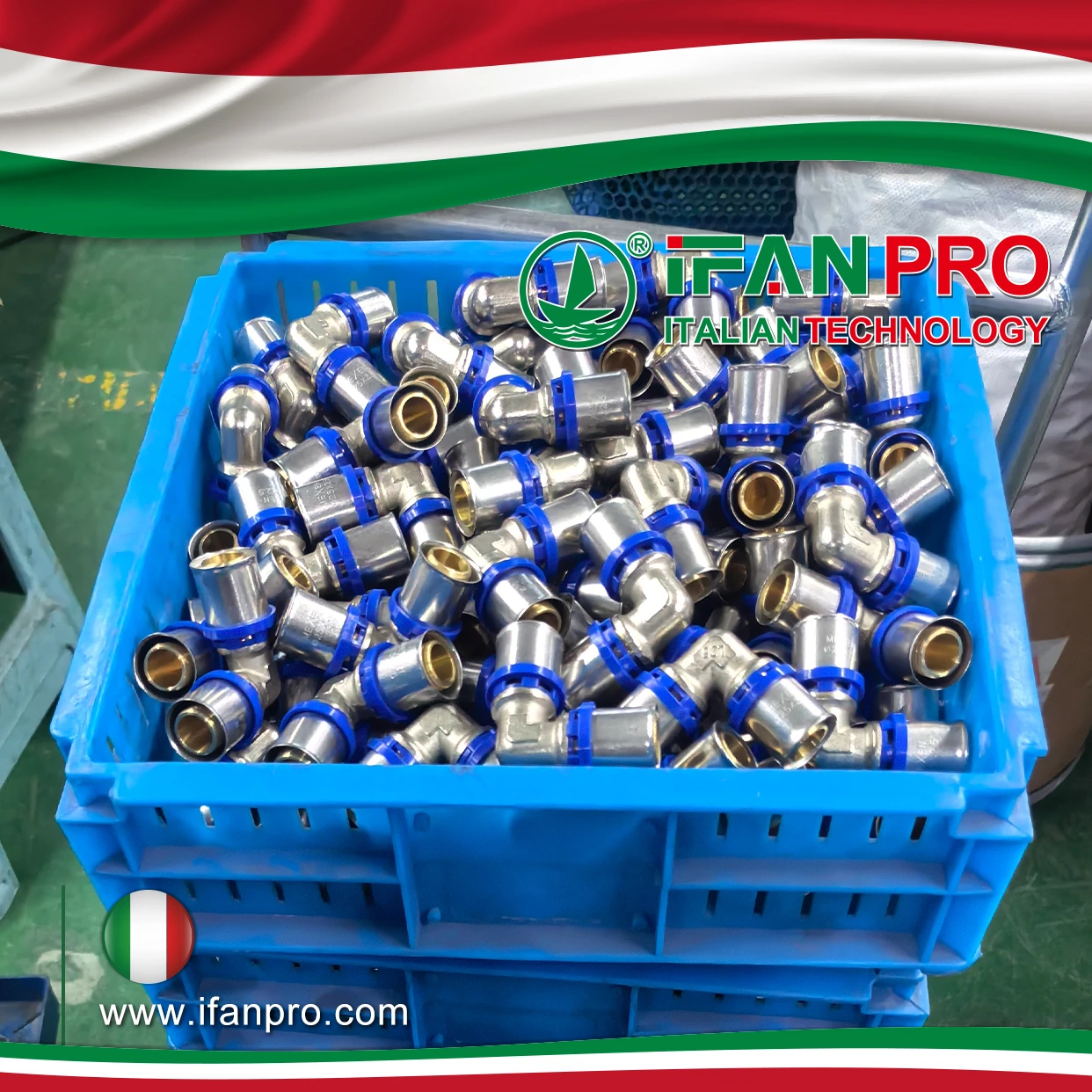
One trap worth flagging: standard barbed insert fittings neck down the inside diameter at every joint, so a system with many insert fittings on a long run can lose noticeable flow and pressure. If your customer is plumbing a big house on crimp fittings, sizing the trunk up a step is cheaper than the callback. The metal in those fittings matters too — low-grade brass in hard water fails by dezincification, which is why serious buyers compare fitting quality across suppliers rather than buying on the barb price alone.
PEX Layout: Home-Run Manifold vs Trunk-and-Branch
There are two ways to route PEX through a building, and the choice shapes pressure balance, how much pipe you buy, and how many joints end up buried in a wall. A home-run layout gives every fixture its own uninterrupted line from a central manifold — think of it as a breaker panel for water. A trunk-and-branch layout runs one main trunk through the building with smaller branches teed off it, the same pattern copper has used for decades.
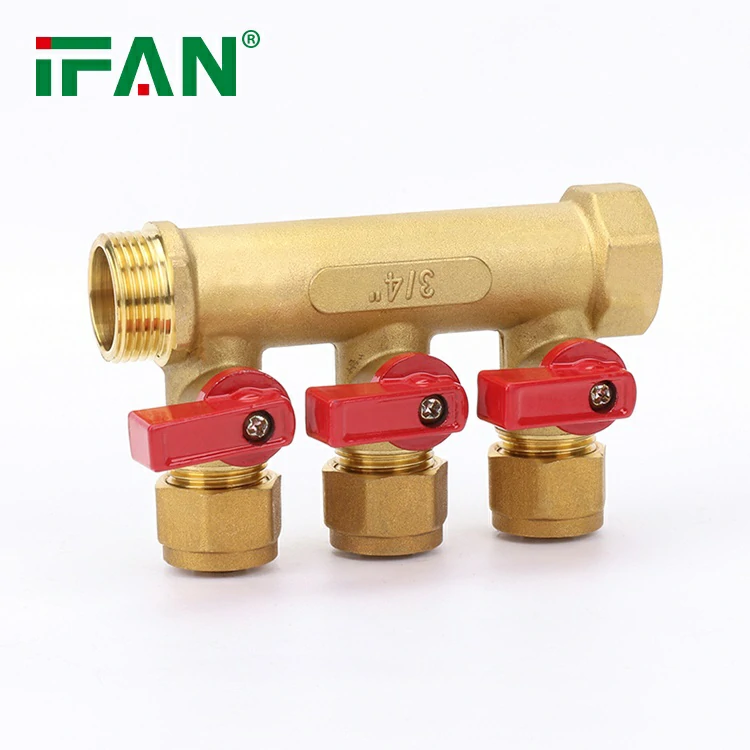
Home-run wins on two things that matter for a building’s whole life. Pressure stays balanced because no fixture steals flow from a neighbor on the same branch — flush a toilet and the shower doesn’t run cold. And since every connection lives at the accessible manifold, there are no hidden in-wall joints to fail behind drywall. The price is more tubing plus the manifold. Trunk-and-branch uses noticeably less pipe and feels familiar to crews trained on copper, but it loses pressure when several fixtures draw at once and buries tee fittings in the structure. On a new build with a mechanical room, the manifold’s extra pipe is cheap insurance — every joint you move out of a wall is a leak you can actually reach, and the manifold pairs naturally with the brass distribution hardware covered earlier.
| Layout | Pipe used | Pressure balance | In-wall joints | Best for |
|---|---|---|---|---|
| Home-run manifold | Most | Balanced, no cross-draw | None — all at manifold | New builds, multi-bath |
| Trunk-and-branch | Least | Drops under simultaneous use | Tees buried in walls | Retrofits, simple layouts |
| Hybrid (sub-manifold) | Moderate | Good on grouped fixtures | Few | Balancing cost and access |
Is PEX Safe for Drinking Water? The Certifications That Matter
Yes — PEX certified for potable use is approved for drinking water across North America, the UK, Australia, and the EU, and has been for decades. But “PEX is safe” and “this shipment is compliant in your market” are different claims, and the gap between them is where importers lose money. The material is fine; the paperwork is what gets rejected at the port.
For potable water, the certifications that typically matter are NSF/ANSI 61 (drinking-water health effects) and NSF/ANSI 372 (lead-free content) in North America, and WRAS or a Regulation 4 approval in the UK, with WaterMark required in Australia. Which mark you need depends on the destination market and the buyer’s role, so confirm the current requirement with the local authority or your certification body before ordering. The recurring failure is not a missing certificate — it is a real certificate that names a different pipe series, covers a size range you didn’t buy, or lapsed last year. Always match the certificate’s scope and date to the exact SKU on your packing list.
A new-build taste complaint is almost always fresh PEX off-gassing in the first weeks, which flushing clears — but standing water in an unused line can pick up flavor, so certified low-migration compounds are worth paying for in premium markets.
PEX vs Copper vs PPR: A Material Decision Matrix
Most buyers landing on PEX are really deciding between three systems, and the right answer depends on labor cost, water chemistry, and which trade dominates the local market. Copper is the incumbent — proven for 50-plus years, fire-safe, fully recyclable — but it is expensive in both material and skilled labor, and it develops pinhole leaks in acidic or aggressive water. PPR is the heat-fused plastic that rules much of Europe, the Middle East, and Asia: its welded joints have no mechanical leak point, but it is rigid, needs a trained welder, and is unforgiving of a bad fusion. PEX wins on install speed, freeze tolerance, and cost, and loses on UV exposure and rodent vulnerability.
| Factor | PEX | Copper | PPR |
|---|---|---|---|
| Install speed | Fastest, flexible | Slow, skilled labor | Moderate, needs welder |
| Material cost | Low | High | Low–mid |
| Freeze tolerance | High (expands) | Low (splits) | Low–mid |
| Joint leak risk | At fittings | At solder joints | Very low (fused) |
| Weakness | UV, rodents | Acidic-water pinholes | Rigid, fusion errors |
The position: in high-labor-cost markets with freeze risk, PEX is usually the rational pick. In markets where PPR is the trained trade and inspectors expect fused joints, fighting that with PEX is an uphill sell regardless of the material’s merits. Read the market, not just the spec sheet — and where a job mixes systems, the joining detail between them is its own skill, covered in our guide to joining pipes of different materials.

PEX Pipe Lifespan and the Real Failure Modes
Well-made, properly installed PEX has a design life of 40–50 years, and manufacturers commonly back it with 25-year warranties. That number holds only when four specific enemies are kept off it, and every one of them is screenable before the pipe reaches a customer.
- Chlorine and chloramine: hot, heavily chlorinated water oxidizes PEX from the inside. This is the failure behind past class-action cases against under-stabilized pipe. The defense is a proper antioxidant package and, in aggressive-water markets, favoring the chlorine-resistant grade — verify the pipe carries the ASTM F2023 chlorine-resistance rating.
- UV exposure: sunlight breaks down PEX fast. Most makers cap unprotected outdoor storage or exposure at roughly 30 days to 6 months depending on the stabilizer. PEX is an indoor/buried pipe — an exposed exterior run is a warranty void waiting to happen.
- Rodents: mice and rats will chew PEX where they never could copper. In rodent-prone builds, that risk alone can decide the material or force protective sleeving.
- Fitting stress and bad installs: over-crimped rings, under-expanded joints, and unsupported spans put the pipe under stress it wasn’t rated for. Most “PEX failures” are really fitting failures — which is why the fitting brand and installer training matter as much as the pipe.
Thermal Movement and Freeze Behavior: PEX Is Not Metal
PEX expands and contracts far more than copper, and installing it as if it were rigid metal is a common, avoidable mistake. A PEX line grows roughly 1 inch per 100 feet for every 10°F of temperature change — about 2.3 mm per meter across a 55°C swing. Strap it tight to every joist the way you would copper and it has nowhere to go: it buckles between clips, and the constant movement loads the fittings with stress they weren’t meant to carry. The telltale sign is a hot-water line that ticks or creaks as it heats. That noise is almost always over-clamped PEX, not a defect in the pipe.
The fix is to let it move. Use loose mid-run clips that let the pipe slide, leave slack and gentle expansion loops on long hot runs, and never anchor a straight length rigidly at both ends. This is one more reason to reach for PEX-AL-PEX on long or exposed runs, where the aluminum core cuts that movement by about 80% and keeps the line quiet and dimensionally stable.
Does PEX really survive a freeze?
Its elasticity is a real advantage: PEX can stretch around forming ice where rigid copper splits, so it survives freeze events that would burst a metal line. But it is not freeze-proof. A line fully blocked with ice that freezes repeatedly can still rupture, and the metal insert fittings — not the tube — are usually the first to go. PEX buys you margin, not immunity. An unheated vacation home in a cold climate still needs its lines drained or heat-traced; treating PEX as freeze-proof is how a burst manifold greets the owner in spring.
PEX for Underfloor Heating: Why the Oxygen Barrier Is Not Optional
PEX is the default pipe for radiant floor heating because it snakes through a slab in continuous loops with no buried joints. But heating PEX has a requirement potable PEX does not: an oxygen barrier. Plain PEX is slightly permeable to oxygen, and in a closed loop that oxygen diffuses into the water and rusts every ferrous component it touches — the boiler heat exchanger, the circulator pump, cast-iron manifolds. The result is corrosion sludge and dead pumps within a few heating seasons.
The fix is an EVOH oxygen-barrier layer co-extruded onto the PEX, meeting the DIN 4726 permeation limit, or the aluminum core of PEX-AL-PEX which blocks oxygen completely. For any closed hydronic loop with metal parts, specify barrier pipe — the small premium is trivial next to a replacement boiler. Barrier pipe pairs with a distribution manifold, and matching the loop count and flow at the manifold is what keeps floor temperatures even.
Is PEX Right for Your Project?
PEX is not the universal answer, and a supplier who tells you it is worth distrusting. Here is the honest segmentation of where it wins and where another material is the better call.
| Best for | Not ideal for |
|---|---|
| Residential hot/cold potable plumbing | Exposed outdoor runs (UV) |
| Radiant floor heating (barrier grade) | High-temperature industrial process lines |
| Freeze-risk and remodel/retrofit work | Markets where inspectors require fused/metal pipe |
| Fast tract-home and multi-unit builds | Rodent-heavy sites without sleeving |
What We Check Before PEX Pipe Ships
For a wholesaler, the difference between a repeat supplier and a costly one is what happens on the line before the container is sealed. These are the checkpoints a serious PEX manufacturer runs, and the ones you should ask any supplier to evidence:
- Cross-linking percentage per batch: solvent-extraction test proving the lot meets the ASTM F876 minimum, with the certificate tied to your production run — not a generic sample from last year.
- Hydrostatic pressure test: sustained-pressure and burst testing against the temperature-rated triplet, not a single room-temperature reading.
- Wall thickness and ovality: caliper checks across the coil, because the fastest way to cut cost is to shave wall thickness below the SDR the fittings expect.
- Certification scope match: the WRAS, NSF/IAPMO, CE or WaterMark certificate covers the exact series, size range, and is in date for your destination market.
- Raw-material traceability: virgin PEX resin with a documented stabilizer package, not reprocessed regrind that fails early under chlorine and heat.
- Stock age and UV exposure: check the printed manufacturing date and confirm the coils were never yard-stored uncovered — PEX degrades under direct sun in as little as 30 days unprotected, so a discount on old, sun-exposed stock is a false economy.
IFANPRO runs these checks across a 120,000 m² facility with more than 200 production and testing machines and a 50-plus person technical team, holding ISO 9001 and ISO 14001 alongside the product certifications. The point of listing them is not the badge count — it is that you can and should demand this evidence from any factory before a deposit leaves your account.
A Practical Sourcing Scenario
Consider an importer supplying plumbing merchants in a market with hard, chlorinated municipal water and a metric-fixture standard. Working through the decisions in this guide, the sensible spec falls out quickly: PEX-b in 16, 20, and 25 mm for its chlorine resistance and price, on a clamp/cinch fitting system so merchants keep one tool for all sizes, plus a barrier grade and matching brass manifolds for the radiant-heating share of demand.
Before the deposit, the buyer requests three documents against the exact SKUs — the batch cross-linking certificate, the temperature-rated pressure report, and the in-date WRAS or NSF scope — and a caliper photo set proving wall thickness. That is the difference between a container that clears and sells and one that gets rejected at inspection or generates warranty claims 18 months later. The material choice is only half the job; the verification is the other half. For buyers standardizing on a specific fitting line, the same discipline applies to sourcing PEX fittings factory-direct.
The Complete PEX Cluster: Related Guides
This page is the hub. Each guide below goes deep on one decision inside the PEX system — use them to drill into the specific choice in front of you:
- PEX-a vs PEX-b vs PEX-c — the three cross-linking methods and which grade to stock by market.
- Is PEX Safe for Drinking Water? — the NSF, WRAS and WaterMark certifications importers must verify.
- PEX vs Copper vs PPR — a material decision matrix by labor cost, water chemistry, and market.
- How to Wholesale PEX Pipe from China — grades, certs, MOQs, factory vetting, and pre-ship checks.
- PEX vs PEX-AL-PEX — when the aluminum-core composite is worth its premium.
- PEX Fitting Connection Types — crimp, clamp, push-fit, and cold-expansion compared.
- PEX for Underfloor Heating — oxygen-barrier vs non-barrier for radiant loops.
- PEX Pipe Size Chart — CTS vs metric sizes, flow and pressure by size, and sizing for long runs.
- PEX Pipe Lifespan & Failure Modes — chlorine, UV, rodents, and fitting stress, and how to screen for durability.
- Private-Label & OEM PEX — how distributors build their own pipe brand.
- How Italian Technology Is Shaping PEX Plumbing Fittings — where fitting design is heading.
- IFANPRO 121UC vs Standard PEX Fittings — a head-to-head on fitting quality.
- Solving Leaks in PEX-AL-PEX Connections — the composite-pipe joint detail.
- Guide to the 121UC PEX Union Fitting — serviceable unions for maintenance.
- Joining Pipes of Different Materials — mixed-system transitions.
Заключение
PEX earns its place through joint reduction, freeze tolerance, and installed cost — but the grade, the fitting system, the certification scope, and the oxygen barrier are the details that decide whether a shipment performs or comes back as a claim. Get the grade right for your water chemistry, lock a fitting ecosystem your market can service, and treat certification as a per-SKU document check rather than a badge on a brochure.
If you are specifying or sourcing PEX for a specific market, start from the water chemistry and the local fixture standard, then match the grade and fittings to them. Compare full temperature-rated data sheets and current certification scopes before you commit to a supplier, and ask for the batch-level evidence every time.
Frequently Asked Questions
Which is better, PEX-a or PEX-b?
PEX-a is more flexible and can be kink-repaired with heat, while PEX-b is cheaper and has the strongest chlorine resistance. For most potable plumbing PEX-b is the value pick; choose PEX-a where installers need maximum flexibility.
How long does PEX pipe last?
Properly installed indoor PEX has a design life of 40 to 50 years and is commonly warranted for 25 years. Lifespan drops sharply with UV exposure, aggressive chlorine at high temperature, or rodent damage.
Is PEX safe for drinking water?
Yes, PEX certified to NSF/ANSI 61 and 372 or WRAS is approved for potable water in most markets. Confirm the certificate matches your exact SKU and destination, and flush new lines to clear any initial taste.
What is the difference between PEX and PEX-AL-PEX?
PEX-AL-PEX has an aluminum core between two PEX layers, so it holds its bent shape, expands about 80% less with heat, and blocks oxygen completely. It costs more and suits heating loops and long exposed runs.
Do I need oxygen-barrier PEX for underfloor heating?
Yes, for any closed loop with a boiler, pump, or steel or cast-iron parts. Non-barrier PEX lets oxygen diffuse in and corrode those metal components. Use EVOH barrier PEX to DIN 4726 or PEX-AL-PEX.








 Русский
  English
  Français
  Español
Последние комментарии