
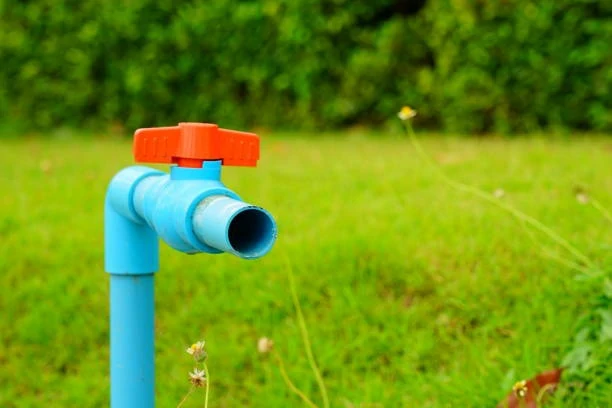
PVC (Polyvinyl Chloride) ball valves have become essential components in various plumbing and industrial applications due to their durability, cost-effectiveness, and resistance to corrosion. Regular maintenance ensures that these valves perform optimally and extend their lifespan. Understanding how to maintain PVC ball valves can save time and money while preventing system failures. This guide outlines best practices for maintaining PVC ball valves effectively.
1. Understanding the Structure of PVC Ball Valves
To maintain PVC ball valves, it is crucial to understand their structure. A typical PVC ball valve consists of a body, a ball with a central hole, a handle for operation, O-rings, and seals. The ball controls the flow of fluid through the valve. When the handle turns, it rotates the ball, allowing or blocking the flow. Familiarity with these components helps identify areas needing maintenance.
2. Regular Inspection
Regular inspection of PVC ball valves plays a vital role in effective maintenance. Technicians should routinely check for visible signs of wear, leaks, or damage. Look for cracks or deformities in the valve body or handle, as these can indicate potential issues. Inspect the O-rings and seals for any signs of deterioration, such as brittleness or cracking. Early detection of these problems allows for prompt repairs, preventing more severe issues down the line.
During inspections, also check the connections to ensure that there are no leaks at the joints. Leaks can cause fluid loss and potentially damage surrounding equipment. If any irregularities occur, address them immediately to maintain system integrity.
3. Cleaning the Valve
Cleaning PVC ball valves regularly helps maintain their functionality. Dirt, debris, or chemical residues can accumulate on the valve, affecting performance. To clean a valve, first shut off the flow of fluid and relieve any pressure in the system.
Use a soft cloth or sponge soaked in warm, soapy water to wipe down the exterior of the valve. For stubborn residues, a mild detergent can help dissolve the buildup. Avoid abrasive cleaners or scouring pads, as these can scratch the surface of the PVC and compromise its integrity. After cleaning, rinse thoroughly with water to remove any soap residue.
For the interior, if the valve allows for disassembly, consider removing it from the pipeline. After disassembly, clean the internal components using a soft cloth or a soft brush. Ensure that you remove any deposits that may obstruct the ball’s movement. Once cleaned, reassemble the valve carefully, ensuring all components fit snugly.
4. Lubrication of Moving Parts
Lubrication plays a crucial role in the maintenance of PVC ball valves. The handle and ball mechanism can become stiff or difficult to operate over time. To keep the valve functioning smoothly, apply a suitable lubricant to the handle and the shaft where it connects to the valve body.
Use a silicone-based lubricant or a similar product designed for plastic applications. Avoid petroleum-based lubricants, as these can degrade PVC over time. Apply the lubricant sparingly, ensuring it penetrates the moving parts without excess buildup, which can attract dirt and debris.
5. Checking for Leaks
Leaks represent one of the most significant issues in maintaining PVC ball valves. Regularly check for leaks around the valve body, handle, and connections. Small leaks can indicate worn O-rings or seals that require replacement. If leaks occur, shut off the valve and inspect the components for wear or damage.
To check for leaks, conduct a pressure test if feasible. This test involves applying pressure to the system and observing for any drops in pressure, which can indicate a leak. If leaks are found, replace the faulty components promptly to avoid further complications.
6. Replacing Worn Parts
Over time, certain components of PVC ball valves wear out and require replacement. O-rings and seals are particularly susceptible to degradation due to exposure to fluid and pressure. When conducting regular inspections, note any signs of wear.
To replace worn parts, first, shut off the water supply and relieve any pressure in the system. Remove the valve from the pipeline, disassemble it, and carefully take out the old O-rings and seals. Replace them with new, compatible components, ensuring a snug fit. Reassemble the valve and reinstall it in the pipeline.
7. Seasonal Maintenance
Seasonal maintenance becomes essential, especially in regions with fluctuating temperatures. PVC can become brittle in extreme cold, leading to cracks or breaks. Before winter, inspect and maintain all PVC ball valves, ensuring they remain functional during colder months.
In warmer climates, UV exposure can degrade PVC materials. Consider applying UV-resistant coatings to extend the lifespan of the valves if they remain exposed to sunlight. Regular maintenance during seasonal changes helps prevent unexpected failures.
8. Handling Pressure Changes
PVC ball valves can face varying pressure conditions, which may affect their operation. During maintenance checks, monitor the pressure levels within the system. High-pressure spikes can lead to valve failures. If pressure surges occur frequently, consider installing pressure relief valves or other mechanisms to mitigate these fluctuations.
When adjusting the pressure settings, ensure that the PVC ball valve can handle the new conditions. Refer to the manufacturer’s specifications for the maximum pressure rating of the valve. Maintaining appropriate pressure levels ensures smooth operation and minimizes the risk of damage.
9. Proper Installation
Proper installation of PVC ball valves lays the foundation for successful maintenance. Ensure that valves fit correctly into the piping system, with no misalignments or tension on the connections. Misalignment can lead to leaks and premature wear.
Follow the manufacturer’s guidelines for installation, including the use of appropriate fittings and adhesive if required. Ensure all connections are tight but avoid overtightening, which can damage the valve or the piping.
10. Documentation and Record Keeping
Maintaining a record of maintenance activities helps track the condition of PVC ball valves. Document inspection dates, cleaning schedules, component replacements, and any repairs performed. This information assists in identifying patterns in wear and can guide future maintenance efforts.
Record keeping also supports compliance with safety regulations in industrial settings. Many industries require documentation of regular maintenance for safety audits. Having a comprehensive maintenance log simplifies this process and demonstrates a commitment to safety and reliability.
List of Top PVC Ball Valves Suppliers
| Название компании | Расположение | Годы опыта | Сертификаты |
| ИФАН | Чжуцзи, Китай | 1993 | Сертификация ISO |
| ASC Engineered Solutions | США | 2019 | Сертификация ISO |
| Патель Прецизионный завод | Индия | более 21 года | Сертификация ISO |
| КРАСНО-БЕЛАЯ КЛАПАННАЯ КОРПОРАЦИЯ | США | 1971 | Сертификация ISO |
| Регуляторы расхода SVF | США | 1988 | Сертификация ISO |
IFAN international standard for PVC Ball Valves
IFAN complies with a wide range of international standards to ensure the quality and reliability of its products. These standards include BS 3505, BS 4346, ASTM D1785 SCH40, ASTM D1785 SCH80, DIN, GB, DWV, ASTM D2665, ASTM D2241, ASTM D2729, ASTM F441/F441M, ISO 1452 Series standards, EN ISO 1452, DIN 8061/8062, GB/T 10002 Series standards, AS/NZS 1477, JIS K6741, CSA B137.3, NSF/ANSI 14, and TIS 17-2532/1131-2535, among others. By adhering to these rigorous standards, IFAN demonstrates its commitment to delivering high-quality plumbing solutions that meet global safety and performance criteria, catering to various industrial and residential applications.
Заключение
Maintaining PVC ball valves is essential for ensuring their longevity and optimal performance. Regular inspection, cleaning, lubrication, and timely replacement of worn parts play crucial roles in effective maintenance. Understanding the structure of the valve and following best practices can significantly reduce the risk of leaks, malfunctions, and costly downtime. By implementing these maintenance strategies, users can keep their PVC ball valves functioning efficiently, extending their lifespan and ensuring reliable operation in various applications.
Подключайтесь
ИФАН является китайским производителем пластиковых труб, фитингов и клапанов с 30-летним опытом работы. Если вы заинтересованы в ИФАН медные фитинги, медные клапаны, пластиковые трубы и фитинги, пожалуйста, свяжитесь с нами. ИФАН предлагает вам разнообразные стандартные трубы для удовлетворения ваших конкретных потребностей. Нажмите ниже, чтобы узнать больше о широком ассортименте доступной и экономичной арматуры и сопутствующих товаров для трубопроводных систем от IFAN.
Мы ответим на ваше письмо или факс в течение 24 часов.
Вы можете позвонить нам в любое время, если у вас возникнут вопросы по нашей продукции.
Для получения дополнительной информации, пожалуйста, посетите наш веб-сайт https://ifanpro.com/
Отправить по почте: [email protected]
Whatsapp: + 86 19857948982







 Русский
  English
  Français
  Español
Последние комментарии