
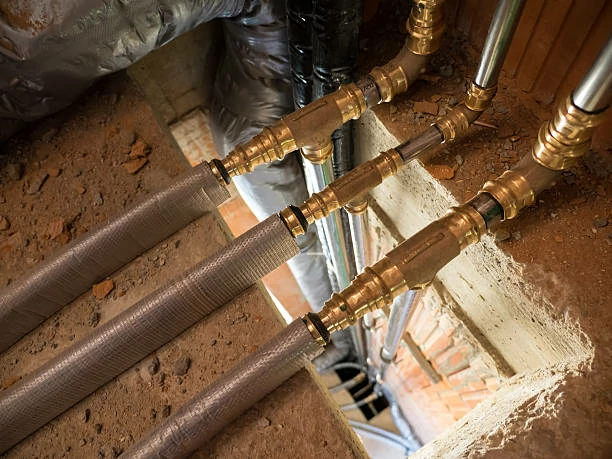
Understanding Copper Water Heater Corrosion
Copper water heater corrosion can cause leaks, reduce efficiency, and shorten the lifespan of the heater. Understanding the causes and preventive measures is crucial for maintaining a long-lasting, efficient system.
Causes of Copper Water Heater Corrosion
Electrolytic Corrosion
Electrolytic corrosion occurs due to electrical currents passing through the water heater. This can happen if the heater shares grounding with electrical systems.
Chemical Corrosion
Chemical corrosion happens when water with high mineral content reacts with the copper. This includes water with high levels of chlorine or acidic water.
Galvanic Corrosion
Galvanic corrosion occurs when copper pipes connect to pipes made of different metals. This creates a galvanic cell, leading to corrosion.
Preventing Electrolytic Corrosion
Proper Grounding Ensure the water heater and plumbing system have proper grounding. Avoid sharing grounding paths with electrical systems.
Isolating Electrical Currents Install dielectric unions or plastic spacers to isolate the water heater from electrical currents. This prevents electrolytic corrosion.
Preventing Chemical Corrosion
Water Treatment
Treat water to reduce its mineral content. Install water softeners to remove calcium and magnesium, and neutralize acidic water with a neutralizer.
Chlorine Reduction
Use carbon filters to reduce chlorine levels in the water. This minimizes the chemical reaction between chlorine and copper.
Preventing Galvanic Corrosion
Using Dielectric Unions
Install dielectric unions between copper and other metals. These unions prevent direct contact and stop the galvanic reaction.
Choosing Compatible Metals
Use compatible metals for plumbing connections. Avoid connecting copper pipes directly to metals like steel or iron.
Regular Maintenance
Flushing the System
Regularly flush the water heater to remove sediment buildup. This prevents corrosion and maintains efficiency.
Inspecting for Leaks
Frequently inspect the water heater and connections for leaks. Early detection can prevent extensive corrosion damage.
Installing a Sacrificial Anode
Function of Sacrificial Anodes
Sacrificial anodes protect the water heater by corroding in place of the copper. They attract corrosive elements, sparing the heater.
Anode Replacement
Regularly check and replace the sacrificial anode. This ensures continuous protection against corrosion.
Using Corrosion Inhibitors
Types of Inhibitors
Use corrosion inhibitors in the water supply. These chemicals form a protective layer on the copper surface, preventing corrosion.
Choosing Safe Inhibitors
Select inhibitors that are safe for drinking water. Follow the manufacturer’s instructions for correct application.
Ensuring Proper Installation
Professional Installation
Hire professional plumbers for installing copper water heaters. Proper installation reduces the risk of corrosion.
Correct Plumbing Practices
Ensure the use of proper plumbing practices, such as avoiding direct contact between different metals and using appropriate fittings.
Monitoring Water Quality
Testing Water Quality
Regularly test the water quality to identify potential corrosive elements. Use testing kits or professional services for accurate results.
Adjusting Treatment Methods
Adjust water treatment methods based on the test results. This ensures continuous protection against corrosion.
Using Protective Coatings
Applying Coatings
Apply protective coatings to the interior of the water heater. These coatings prevent corrosive elements from reaching the copper.
Selecting Suitable Coatings
Choose coatings designed for water heaters. Follow the manufacturer’s guidelines for application and maintenance.
Insulating Pipes
Pipe Insulation
Insulate copper pipes to prevent condensation. This reduces the risk of water buildup and subsequent corrosion.
Choosing Insulation Materials
Select appropriate insulation materials that are compatible with copper. Ensure proper installation to maximize protection.
Regular Inspection and Maintenance
Scheduled Inspections
Schedule regular inspections by professionals to assess the condition of the water heater. Early detection of issues can prevent severe corrosion.
Maintenance Records
Keep detailed records of all maintenance activities. This helps track the condition of the water heater and plan future maintenance.
Заключение
Preventing copper water heater corrosion requires understanding its causes and implementing preventive measures. Proper grounding, water treatment, regular maintenance, and using protective measures can significantly extend the lifespan of your water heater. By taking these steps, you can ensure an efficient, long-lasting system free from the damaging effects of corrosion.
Подключайтесь
ИФАН является китайским производителем пластиковых труб, фитингов и клапанов с 30-летним опытом работы. Если вы заинтересованы в ИФАН медные фитинги, медные клапаны, пластиковые трубы и фитинги, пожалуйста, свяжитесь с нами. ИФАН предлагает вам разнообразные стандартные трубы для удовлетворения ваших конкретных потребностей. Нажмите ниже, чтобы узнать больше о широком ассортименте доступной и экономичной арматуры и сопутствующих товаров для трубопроводных систем от IFAN.
Мы ответим на ваше письмо или факс в течение 24 часов.
Вы можете позвонить нам в любое время, если у вас возникнут вопросы по нашей продукции.
Для получения дополнительной информации, пожалуйста, посетите наш веб-сайт https://ifanpro.com/
Отправить по почте: [email protected]
Whatsapp: + 86 19857948982












 Русский
  English
  Français
  Español
Последние комментарии