
Meta Description: Discover how PPR pipe fittings function, their joining methods, and why they’re the top choice for modern plumbing systems. Expert insights to help you decide!
1. The Core Mechanism of PPR Pipe Fittings
PPR (Random Copolymer Polypropylene) fittings create a permanent seal through heat fusion technology. The process leverages the material’s thermoplastic properties:
- Heating & Softening: A specialized tool heats the pipe and fitting surfaces until they melt.
- Molecular Bonding: The pipe is inserted into the fitting. Upon cooling, they fuse into a seamless structure, eliminating leaks.
- Temperature & Pressure Resistance: PPR withstands -20°C to 95°C, ideal for hot/cold water systems.
2. Step-by-Step Joining Process (With Visual Guide)
- Cut the Pipe: Use a cutter for a smooth edge.
- Mark Insertion Depth: Align with the fitting’s specified depth.
- Heat the Surfaces: Insert both into a heat gun for 5-10 seconds.
- Join & Hold: Push the pipe into the fitting and hold for 10-15 seconds.
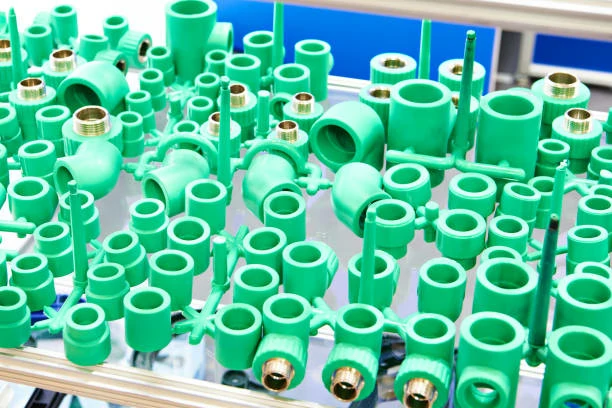
3. Why PPR Outperforms Traditional Materials
- Corrosion-Resistant: No chemical reactions, ensuring long-term durability.
- Energy-Efficient: Low thermal conductivity reduces heat loss.
- Eco-Friendly: Recyclable and energy-saving during production.
- Cost-Effective: Easy installation cuts labor and maintenance costs.
4. Common Applications of PPR Fittings
- Residential hot/cold water systems
- Commercial building plumbing
- Radiant floor heating
- Industrial fluid transportation
5. FAQs
Q: How long do PPR fittings last?
A: Over 50 years with proper use.
Q: Can damaged PPR fittings be repaired?
A: Yes, by cutting out the damaged section and refitting.
Заключение: PPR pipe fittings are a reliable, sustainable choice for plumbing systems. Their heat fusion technology ensures leak-free performance, making them perfect for both DIY projects and professional installations.








 Русский
  English
  Français
  Español
Последние комментарии