
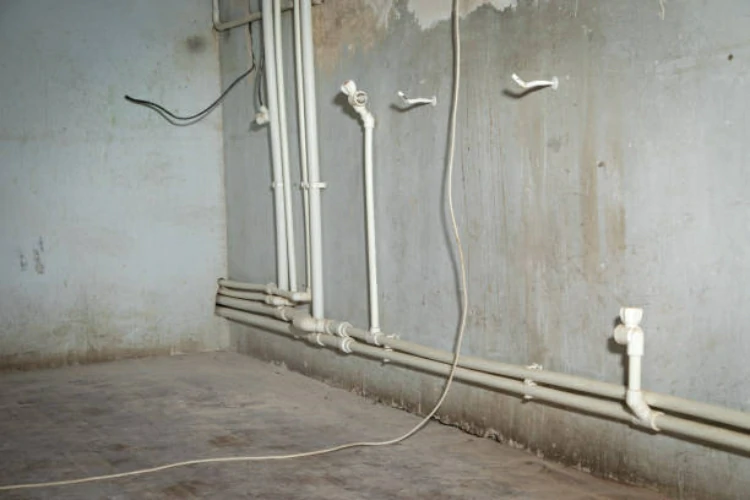
Introduction: Understanding the Advantages and Disadvantages
PPR (Polypropylene Random Copolymer) pipeline systems have gained popularity in various industries due to their unique characteristics and benefits. However, like any material, PPR pipelines also have their drawbacks. In this article, we’ll delve into the pros and cons of using PPR pipeline systems to help you make informed decisions for your projects.
Advantages of PPR Pipeline
1.1 Excellent Corrosion Resistance One of the primary advantages of PPR pipeline systems is their exceptional resistance to corrosion. Unlike metal pipes, PPR pipes are immune to rust, oxidation, and chemical corrosion, making them ideal for transporting a wide range of fluids, including water, chemicals, and gases.
1.2 High Temperature Resistance PPR pipes can withstand high temperatures up to 95°C, making them suitable for hot water distribution systems, radiant floor heating, and industrial applications where thermal stability is crucial. Their ability to maintain structural integrity at elevated temperatures ensures reliable performance and safety.
1.3 Smooth Internal Surface PPR pipes feature a smooth internal surface that minimizes frictional resistance and turbulence, allowing for efficient fluid flow and reduced energy consumption. The smooth bore also prevents scaling, sedimentation, and bacterial growth, ensuring clean and hygienic water supply systems.
1.4 Easy Installation and Maintenance PPR pipeline systems are lightweight, flexible, and easy to install, reducing labor costs and construction time compared to traditional piping materials. With simple heat fusion or mechanical joints, PPR pipes can be quickly assembled and connected without the need for specialized tools or skills. Additionally, their smooth surface facilitates easy cleaning and maintenance, minimizing downtime and operational disruptions.
Disadvantages of PPR Pipeline
2.1 Limited Temperature Range While PPR pipes offer remarkable high-temperature resistance, their temperature range is limited compared to certain other materials. PPR pipes may deform or soften when subjected to temperatures exceeding 95°C. This limitation restricts their usage in extremely hot environments like steam systems or industrial processes requiring higher operating temperatures.
2.2 Vulnerability to UV Radiation PPR pipes are susceptible to degradation when exposed to prolonged sunlight or UV radiation. UV exposure can cause the outer surface of PPR pipes to become brittle and prone to cracking over time. Therefore, PPR pipeline systems installed outdoors or in areas exposed to direct sunlight require UV-resistant coatings or insulation to prevent premature aging and deterioration.
2.3 Higher Initial Cost Although PPR pipeline systems offer long-term cost savings through reduced maintenance and operational expenses, their initial installation cost may be higher compared to some conventional piping materials such as PVC or copper. The cost of PPR pipes and fittings, as well as the specialized equipment required for heat fusion, can contribute to higher upfront investment for PPR projects.
2.4 Limited Compatibility with Solvents PPR pipes are incompatible with certain solvents and chemicals, posing a risk of material degradation and pipeline system compromise. It’s essential to carefully assess the compatibility of PPR pipes with the fluids they will convey. This precaution helps prevent chemical reactions, leaching, or contamination of the transported substances.
Conclusion:
PPR pipeline systems offer numerous advantages, including corrosion resistance, high temperature resistance, smooth internal surface, and easy installation. Certainly, PPR pipes have limitations to consider. These include a narrow temperature range and vulnerability to UV radiation. Additionally, they typically entail a higher initial cost and may have compatibility issues with certain solvents. However, by thoroughly assessing both the advantages and disadvantages of PPR pipes, you can determine whether they are suitable for your specific application and project requirements.
ИФАН является китайским производителем пластиковых труб, фитингов и клапанов с 30-летним опытом работы. Если вы заинтересованы в ИФАН медные фитинги, медные клапаны, пластиковые трубы и фитинги, пожалуйста, свяжитесь с нами. ИФАН предлагает вам разнообразные стандартные трубы для удовлетворения ваших конкретных потребностей. Нажмите ниже, чтобы узнать больше о широком ассортименте доступной и экономичной арматуры и сопутствующих товаров для трубопроводных систем от IFAN.
Мы ответим на ваше письмо или факс в течение 24 часов.
Вы можете позвонить нам в любое время, если у вас возникнут вопросы по нашей продукции.
Для получения дополнительной информации, пожалуйста, посетите наш веб-сайт https://ifanpro.com/
Отправить по почте: [email protected]
Whatsapp: + 86 19857948982



 Русский
  English
  Français
  Español
Последние комментарии