
1. Введение
For chemical processing professionals, ensuring materials can withstand extreme temperatures and corrosive environments is critical. This guide answers whether PPR pipes are suitable for high-temperature chemical applications, backed by technical data, certifications, and real-world examples.
2. Свойства материала PPR
2.1 High-Temperature Resistance
- Continuous Use: 95°C (EN 12201 certified).
- Short-Term Peaks: Tolerates up to 110°C.
- Stabilizers: Added antioxidants prevent thermal degradation.
2.2 Chemical Inertness
- pH Stability: Handles extremes from 1 (strong acid) to 14 (strong alkali).
- Solvent Resistance: Resists alcohols, esters, and ketones.
3. Technical Specifications
3.1 Pressure Ratings
- PN16 (16 bar): Standard for most chemical processes.
- PN25 (25 bar): High-pressure systems.
3.2 Chemical Compatibility
| Chemical | Concentration | Compatibility | Test Standard |
|---|---|---|---|
| Hydrochloric | Up to 30% | Excellent | ASTM D543 |
| Sulfuric | Up to 50% | Good | ISO 175 |
| Nitric | Up to 20% | Fair | EN 12201 |
3.3 Certifications
- ISO 10350: International chemical resistance standard.
- EN 12201: 50-year material stability.
4. Industrial Applications
4.1 Chemical Storage
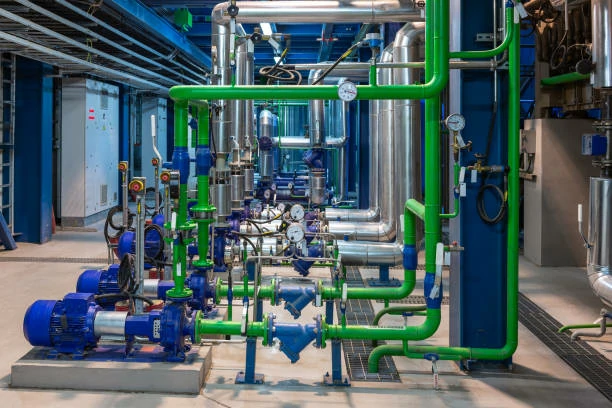
- Sulfuric acid tanks: DN110 PN25 PPR pipes.
- Chlorine gas: PPR-lined steel systems.
4.2 Water Treatment
- Chloramine disinfection: 15-year lifespan verified.
- Alum coagulants: No leaching in NSF 61 tests.
4.3 Pharmaceutical Manufacturing
- Ethanol-based cleaning: 10-year service life.
- Sodium hypochlorite (20%): Successfully used in production lines.
5. Лучшие практики установки
- Welding: Follow ISO 21307 for seamless joints.
- Pressure Testing: 1.5x working pressure for 2 hours.
- Insulation: Use high-temperature foam sleeves.
- Expansion Management: Install expansion joints every 30-50 meters.
6. Case Studies
6.1 German Petrochemical Plant
- Вызов: Transporting 30% hydrochloric acid at 85°C.
- Решение: DN75 PN16 PPR pipes.
- Результат: 15-year leak-free operation.
6.2 Indian Water Utility
- Requirement: Chloramine-resistant pipes for 90°C systems.
- Product: Custom PPR formulation.
- Outcome: 20% lower maintenance costs than HDPE.
7. FAQs
Q: Can PPR pipes handle nitric acid at high temperatures?
A: Yes, up to 20% concentration at 95°C.
Q: What’s the maximum pressure for PPR in chemical systems?
A: PN25 (25 bar) for continuous use.
Q: Are PPR pipes safe for chlorine gas?
A: Use PPR-lined steel pipes for direct exposure.
8. Conclusion
PPR pipes are a reliable choice for high-temperature chemical applications when matched to specific conditions. For tailored solutions, explore [Yifan Pipeline]’s ISO 10350-certified PPR pipes. Visit ifanultra.com to request a free compatibility report.









 Русский
  English
  Français
  Español
Последние комментарии