
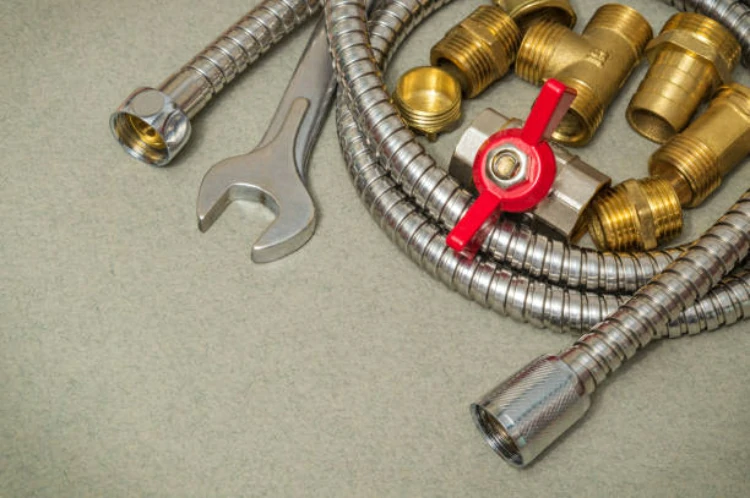
Introduction to Brass Ball Valves
Brass ball valves are integral components in plumbing systems, offering precise control over the flow of liquids and gases. Proper installation is paramount to ensure optimal performance, longevity, and safety of these valves. In this article, we will explore the installation methods and essential precautions for brass ball valves to maximize their efficiency and reliability.
Installation Methods
1. Preparation
Before installing brass ball valves, it is crucial to prepare the work area and gather the necessary tools and materials. Ensure that the valve size matches the piping system, and verify that the valve is compatible with the intended application and fluid type. Inspect the valve for any defects or damage before proceeding with the installation process.
2. Mounting the Valve
Begin by shutting off the main water supply and relieving any pressure in the piping system. Position the brass ball valve in the desired location, taking care to align it correctly with the pipe. Use pipe wrenches or adjustable pliers to securely fasten the valve to the pipe fittings, ensuring a tight and leak-free connection.
3. Sealing Threaded Connections
Apply an appropriate sealing compound or thread sealant to the threaded connections of the brass ball valve to prevent leaks and ensure a reliable seal. Teflon tape or pipe dope are commonly used sealing materials that provide a tight seal and help prevent corrosion and degradation of the threaded connections over time.
Installation Precautions
1. Avoid Over-Tightening
When installing brass ball valves, it is essential to avoid over-tightening the connections, as this can damage the valve body or strip the threads. Use caution and apply just enough torque to create a secure seal without compromising the integrity of the valve or fittings.
2. Protect Against Contaminants
During installation, take precautions to protect the valve from dirt, debris, and other contaminants that could compromise its performance. Keep the valve openings covered or capped until the installation is complete to prevent foreign matter from entering the valve body or obstructing the flow path.
3. Conduct Pressure Testing
After installation, conduct a pressure test to ensure integrity and smooth operation. Gradually increase pressure and inspect for leaks or weaknesses.
Заключение
Proper installation of brass ball valves is essential to ensure optimal performance, reliability, and safety in plumbing systems. Follow recommended installation methods and precautions to optimize brass ball valve efficiency and longevity. Consult manufacturer guidelines and industry standards for best results and regulatory compliance.
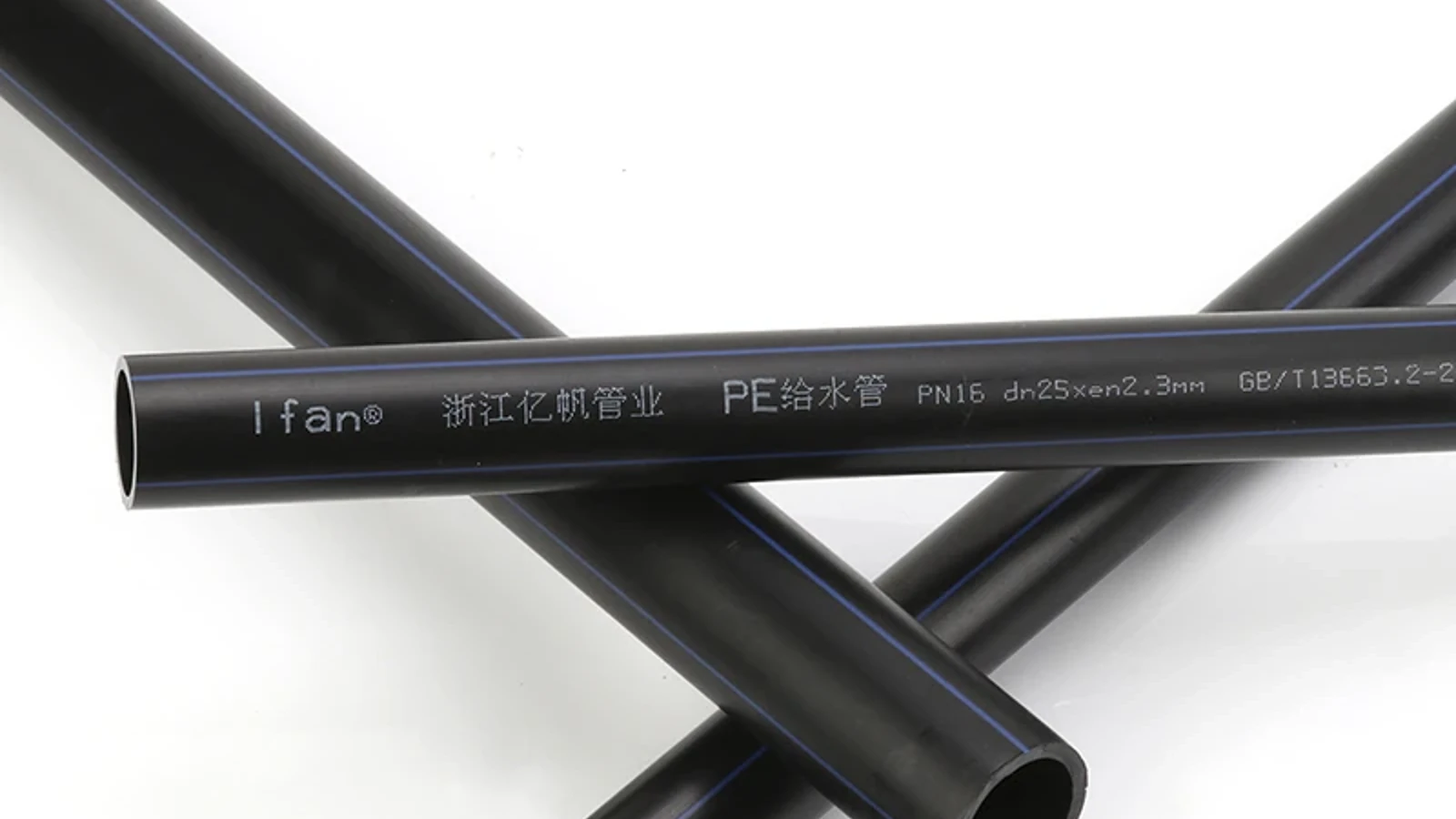
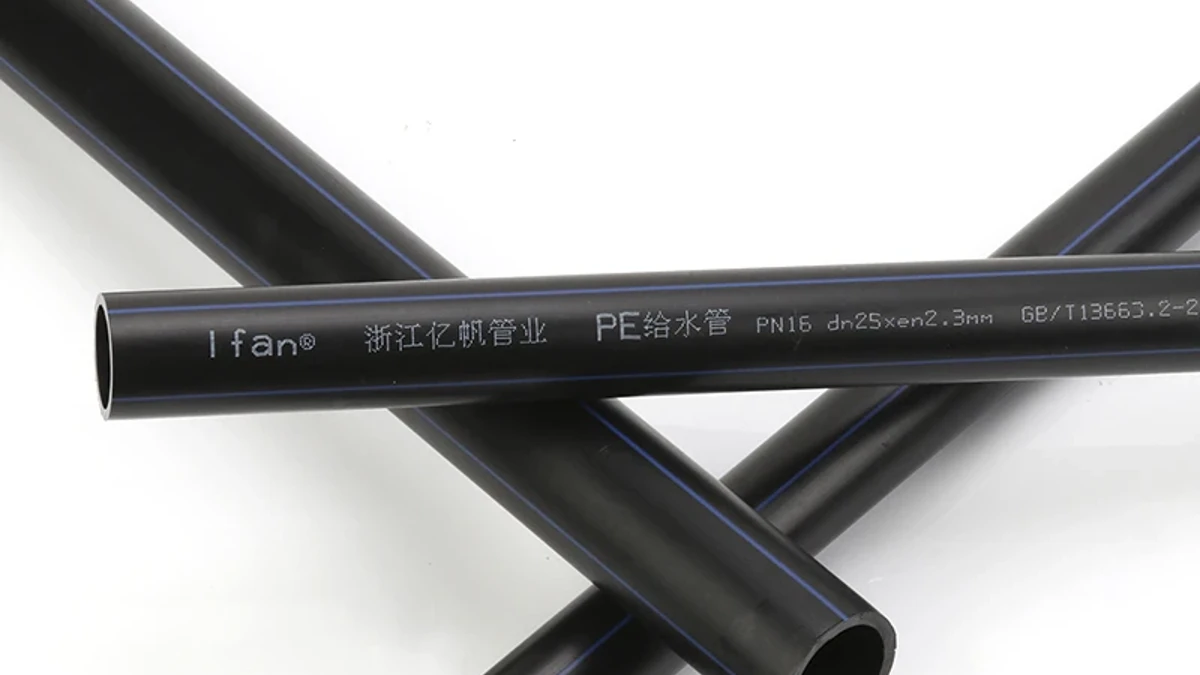
ИФАН является китайским производителем пластиковых труб, фитингов и клапанов с 30-летним опытом работы. Если вы заинтересованы в ИФАН медные фитинги, медные клапаны, пластиковые трубы и фитинги, пожалуйста, свяжитесь с нами. ИФАН предлагает вам разнообразные стандартные трубы для удовлетворения ваших конкретных потребностей. Нажмите ниже, чтобы узнать больше о широком ассортименте доступной и экономичной арматуры и сопутствующих товаров для трубопроводных систем от IFAN.
Мы ответим на ваше письмо или факс в течение 24 часов.
Вы можете позвонить нам в любое время, если у вас возникнут вопросы по нашей продукции.
Для получения дополнительной информации, пожалуйста, посетите наш веб-сайт https://ifanpro.com/
Отправить по почте: [email protected]
Whatsapp: + 86 19857948982










 Русский
  English
  Français
  Español
Последние комментарии