
1. Введение
When it comes to selecting pipes for water systems, professionals often face the dilemma of choosing between PPR (Polypropylene Random Copolymer) and CPVC (Chlorinated Polyvinyl Chloride). This blog post aims to provide a comprehensive comparison of these two materials, helping our customers make informed decisions for their projects.
2. Material Properties Comparison
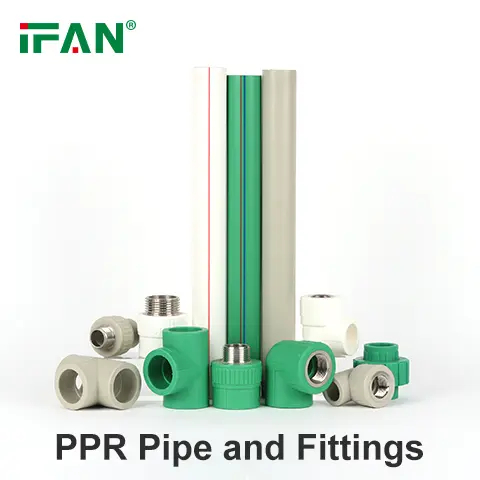
2.1 PPR Pipes
- Composition: Copolymer of propylene and ethylene
- Key Features: Lightweight, flexible, corrosion-resistant
- Диапазон температур: -20°C to 95°C
2.2 CPVC Pipes
- Composition: Chlorinated polyvinyl chloride
- Key Features: Rigid, fire-resistant, chemical-resistant
- Диапазон температур: -40°C to 110°C
3. Performance Comparison
3.1 Heat Resistance
- PPR: Ideal for hot water up to 95°C
- CPVC: Handles temperatures up to 110°C
3.2 Pressure Resistance
- PPR: Withstands 10-16 bar pressure
- CPVC: Handles 10-14 bar pressure
3.3 Chemical Resistance
- PPR: Resistant to most acids and alkalis
- CPVC: Better suited for aggressive chemicals
3.4 Environmental Impact
- PPR: Recyclable and non-toxic
- CPVC: Contains chlorine, requires special disposal
4. Application Scenarios
4.1 Residential Water Systems
- PPR: Preferred for potable water supply
- CPVC: Used in areas with high chlorine content
4.2 Commercial Buildings
- PPR: Cost-effective for large-scale projects
- CPVC: Suitable for chemical storage systems
4.3 Municipal Infrastructure
- PPR: Ideal for underground drinking water networks
- CPVC: Used in wastewater treatment facilities
5. Installation & Maintenance
5.1 Joining Methods
- PPR: Hot melt welding (permanent joints)
- CPVC: Solvent cement (quick installation)
5.2 Long-term Maintenance
- PPR: Low maintenance, no scaling
- CPVC: Prone to UV degradation if exposed
6. Cost Analysis
6.1 Initial Cost
- PPR: 10-15% lower than CPVC
- CPVC: Higher material and installation costs
6.2 Lifecycle Cost
- PPR: 50+ years service life
- CPVC: 25-30 years service life
7. ifan Pipeline’s PPR Solutions
As a leading manufacturer, we offer:
- Customizable PPR pipes in diameters 16mm-630mm
- ISO 9001-certified products compliant with EN 12201
- Special coatings for high-temperature applications
- Technical support for complex projects
8. Conclusion
While both materials have their strengths, PPR pipes generally offer better overall performance for most water system applications, especially in drinking water supply. Their combination of safety, durability, and cost-effectiveness makes them the preferred choice for discerning customers. Visit ifanultra.com to explore our premium PPR solutions and get expert advice for your next project.












 Русский
  English
  Français
  Español
Последние комментарии