
The debate over PEX vs PEX-AL-PEX usually starts with a price sticker. A coil of composite pipe can cost 40 to 90 percent more per meter than the same diameter of single-layer PEX, and that gap makes contractors pause at the counter. The honest answer is that the aluminum core buys you real, measurable properties, and on some jobs those properties are worth every cent. On others, you are paying for a barrier and a stiffness you will never use.
This article takes a clear side on each scenario instead of hedging into mush. We break down thermal expansion in inches, the oxygen barrier question for closed heating loops, the fitting differences that trip up crews used to plain PEX, and the exact points where the premium pays off. If you want the wider background first, start with our complete guide to PEX pipe, then come back for the head-to-head.
Key Takeaways
- PEX-AL-PEX holds its bent shape and moves roughly 80 percent less with heat: about 0.3 inch per 100 ft per 10°F versus 1 to 2.5 inches for plain PEX.
- The welded aluminum core is a complete oxygen barrier, which matters for closed heating loops with steel or cast-iron components.
- Plain PEX can match that barrier only with an added EVOH layer; without it, oxygen diffusion can corrode a boiler, pump, or manifold over years.
- Composite pipe needs calibrated press or compression fittings and a reamer; you cannot repair a kink with a heat gun the way you can on flexible PEX.
- Our position: use composite for hydronic heating, long exposed runs, and gas where permitted; use single-layer PEX for standard cold and hot water branches.
- Paying the composite premium on a short cold-water branch buys nothing but a stiffer pipe and a slower install.
What Sets PEX-AL-PEX Apart
PEX-AL-PEX is a five-layer sandwich: cross-linked polyethylene inside, a welded aluminum tube in the middle, PEX again outside, with adhesive bonding the layers. That aluminum core is what you are actually paying for, and it changes the pipe in three ways that a contractor feels on site.
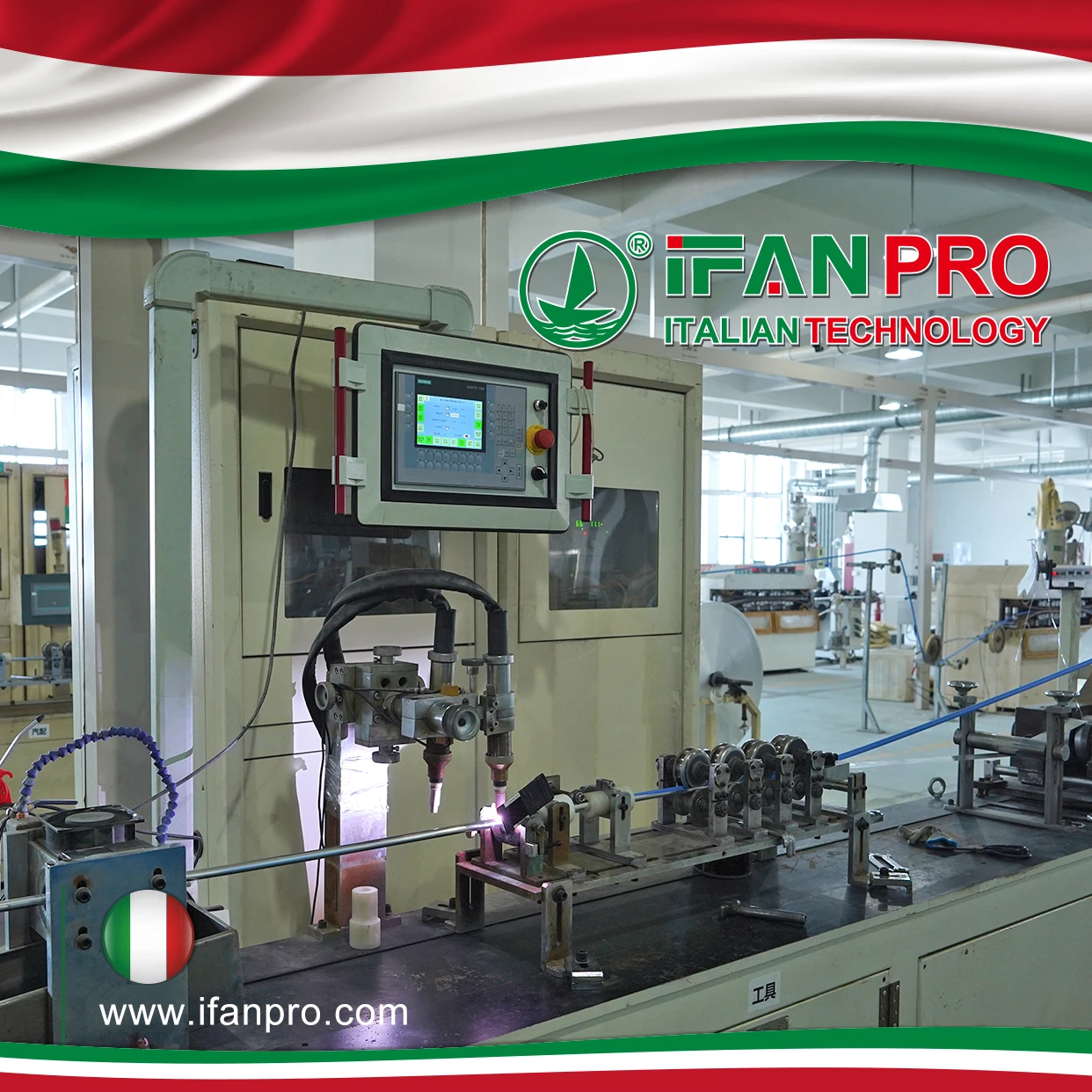
First, it holds its bent shape. Bend composite pipe to 45 degrees around an obstruction and it stays there, no clips fighting to straighten it out. Second, it cuts thermal expansion by roughly 80 percent because aluminum barely moves compared to plastic. A hot run that would grow visibly in plain PEX stays put. Third, the aluminum is a total oxygen barrier by construction; nothing diffuses through solid metal.
Think of the aluminum core as three features fused into one wall: a memory that keeps bends, a brake on expansion, and a sealed barrier. You buy all three together whether the job needs all three or not.
Single-Layer PEX in Brief
Single-layer PEX is one uniform wall of cross-linked polyethylene, and its defining trait is spring-back. Pull it off a coil and it wants to return to that curl, which is called coil memory. On a long open run that memory fights you; inside a stud bay where flexibility saves fittings, it is a gift. It costs less per meter, installs faster with expansion or crimp fittings, and comes in longer coils, so fewer joints hide in walls.
The catch for heating work is that plain PEX lets oxygen diffuse through its wall. To stop that, manufacturers laminate an EVOH film onto barrier-grade PEX, which is a different product line from standard potable tubing. If you grab a coil of standard PEX for a boiler loop, you did not get an oxygen barrier, and that omission can quietly cost a customer a corroded pump. The cross-linking method also shapes the pipe’s behavior; see our breakdown of PEX-a vs PEX-b vs PEX-c before you spec a brand.
Head-to-Head Comparison
Here is the direct PEX vs PEX-AL-PEX comparison a contractor cares about at the quoting stage. Read the verdict prose under the table, because each row swings the decision differently depending on the job.
| Propiedad | Single-Layer PEX | PEX-AL-PEX |
|---|---|---|
| Flexibilidad | High; springs back to coil shape | Bendable but holds its shape |
| Thermal expansion | 1 to 2.5 in per 100 ft per 10°F | ~0.3 in per 100 ft per 10°F |
| Oxygen barrier | Only with added EVOH layer | Built in via aluminum core |
| Fittings | Expansion, crimp, or push-fit | Calibrated press or compression |
| Relative cost | Baseline (lowest per meter) | ~40 to 90% more per meter |
| Best use | Cold and hot water branches | Heating loops, exposed runs, gas |
On flexibility, plain PEX wins for tight remodel work: it snakes through joist bays and springs into corners without a jig. Composite wins wherever you want a clean, permanent bend that stays put, like an exposed basement run. On expansion, the numbers are not close; a 100 ft hot line cycling 100°F could move over 2 inches in plain PEX and under half an inch in composite. On the oxygen barrier, plain PEX only competes if you specifically bought the EVOH version. On fittings, plain PEX is faster and more forgiving. On cost, plain PEX wins outright until a specific requirement forces the composite’s hand.
Thermal Expansion and Noise
Expansion is not an abstract spec; it is the ticking sound a homeowner calls you about six months after the job. When hot water hits a long PEX run, the pipe grows, then drags across a joist notch or a strap, producing creaks and ticks as it moves and cools. Plain PEX can grow 1 to 2.5 inches per 100 ft for each 10°F of temperature swing, so a hot main draws attention to itself.
PEX-AL-PEX stays quiet because the aluminum holds it near dimensionally stable, moving only around 0.3 inch over that same 100 ft. If you are running an exposed hot line across a finished basement ceiling, that difference decides whether the customer hears the plumbing every morning. The trade-off with plain PEX is manageable if you plan for it: loosen strap spacing, add expansion loops, and never pin a hot run tight against framing. Composite lets you support it more like rigid pipe and forget the noise complaint.
Insider warning: the number one expansion callback is not a leak, it is noise. If a run is long, hot, and exposed to earshot, composite pipe or generous expansion allowances save you a return trip.
Oxygen Barrier and Heating Loops
This is the section where the wrong choice ages badly. Oxygen slowly diffuses through the wall of ordinary plastic pipe, and in a closed hydronic loop that dissolved oxygen attacks any ferrous metal it touches: the cast-iron pump body, a steel boiler heat exchanger, or a black-iron manifold. The corrosion is gradual, so the failure shows up years later as sludge, a seized circulator, or a leaking heat exchanger, long after the crew has left.
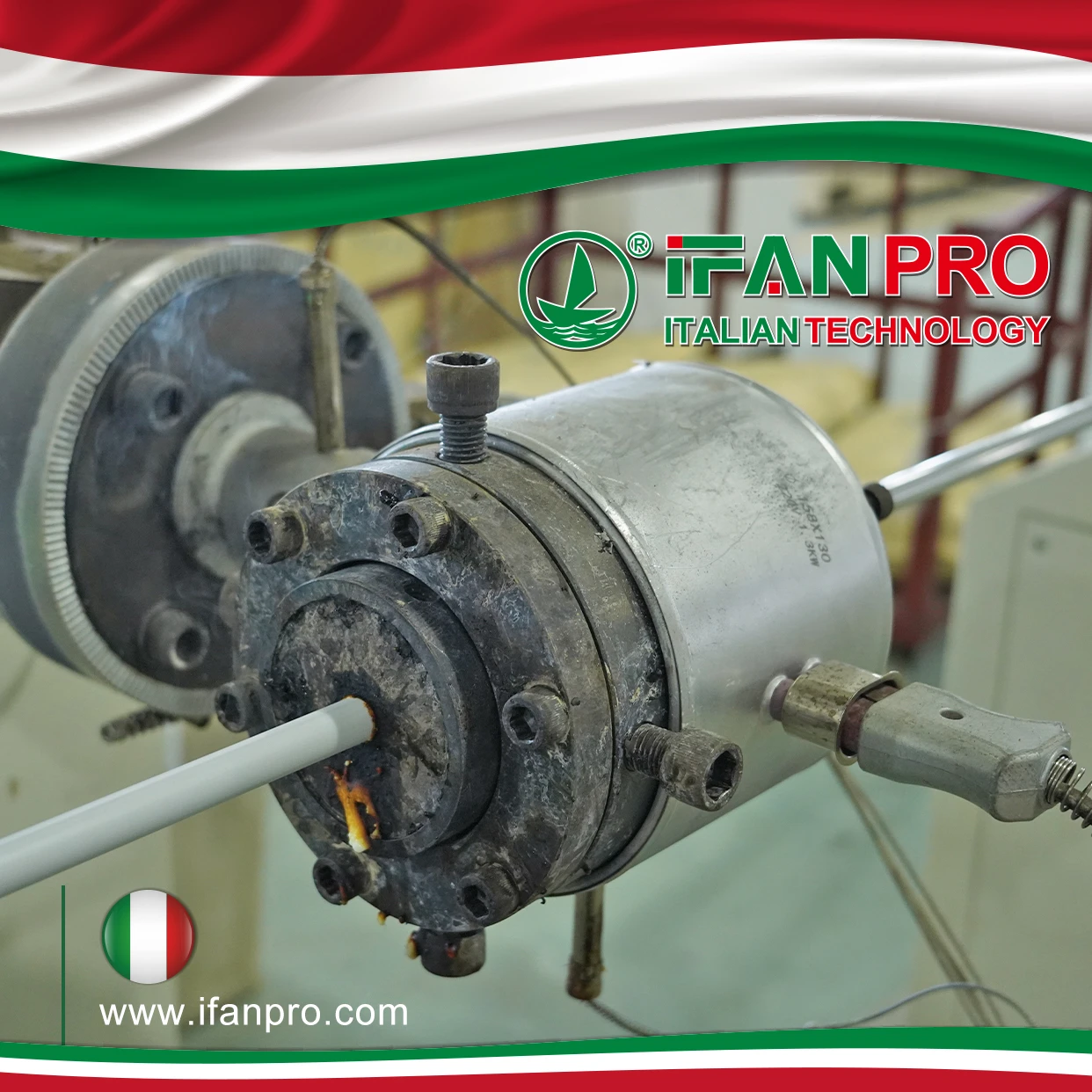
European practice codified this with DIN 4726, which sets an oxygen-permeation limit for pipe used in underfloor heating and closed loops. PEX-AL-PEX meets that need by construction: solid aluminum blocks oxygen completely, no film to nick or scratch off. Plain PEX can meet the same goal only with a laminated EVOH barrier, and you have to confirm you actually bought the barrier version. Requirements vary by market and system design, so verify local code and manufacturer scope before you commit potable or heating pipe; treat this as guidance, not a compliance ruling.

Fittings and Installation Differences
A crew fluent in expansion PEX will fumble their first composite job if nobody warns them. PEX-AL-PEX has a thicker wall and a hard aluminum layer, so it demands calibrated press or compression fittings and a two-step prep on every cut: ream and calibrate the inner bore so the fitting’s O-rings seat on a round, deburred surface. Skip the reamer and you shave the seal on installation, then chase a weep months later.
- Cut square with a proper pipe cutter, then ream and calibrate every end before the fitting goes on.
- Match the fitting brand’s press jaw or torque spec to the pipe; mixed systems are the classic leak source.
- Do not try to heat-repair a kink. A hard kink in composite means cut it out; there is no hot-air rescue like on plain PEX.
- Respect the minimum bend radius; over-bending can crack the aluminum core even if the plastic looks fine.
Plain PEX is more forgiving: expansion fittings on PEX-a self-seal as the pipe rebounds, crimp rings tolerate a range of technique, and a mild kink can sometimes be relaxed with careful heat. That forgiveness is a real labor advantage on high-volume residential work. If your composite joints have ever wept, our guide to solving leaks in PEX-AL-PEX connections walks through the calibration and fitting-match fixes step by step. For the broader material trade-offs against metal and PPR, compare PEX vs copper vs PPR.
When Each Is Worth It
Here is the position stated plainly. Buy PEX-AL-PEX when the job needs its stability or its barrier; buy single-layer PEX everywhere else and pocket the difference. The table sorts the common cases so you are not paying a premium out of habit.
| Pipe Choice | Best For | Not Ideal For |
|---|---|---|
| PEX-AL-PEX | Hydronic and underfloor heating loops | Short cold-water branches |
| PEX-AL-PEX | Long exposed runs where noise matters | Tight remodel work needing many bends |
| PEX-AL-PEX | Gas piping where locally approved | Budget high-volume rough-in |
| Single-Layer PEX | Standard hot and cold water distribution | Non-barrier PEX in ferrous heating loops |
| Single-Layer PEX | Fast fixture branches and manifolds | Rigid exposed runs needing a fixed shape |
Take the two extremes. On a hydronic slab loop feeding a cast-iron boiler, composite is worth the premium every time; the oxygen barrier alone protects thousands of dollars of equipment. On a 12 ft cold branch to a bathroom sink, composite buys you nothing but a stiffer pipe and a slower connection, so plain PEX is the right call. Most jobs live between those poles, and the two tables above tell you which lever, barrier, stability, or cost, is pulling the decision. Where local code or gas approval is involved, confirm the pipe’s listed scope before you commit.
What We Check Before Pipe Ships
The composite’s whole value rests on one thing: the aluminum core being sound and the layers bonded. At IFANPRO we treat the weld and the wall as pass-or-fail gates, not averages. Here is what we verify before a coil leaves the plant.
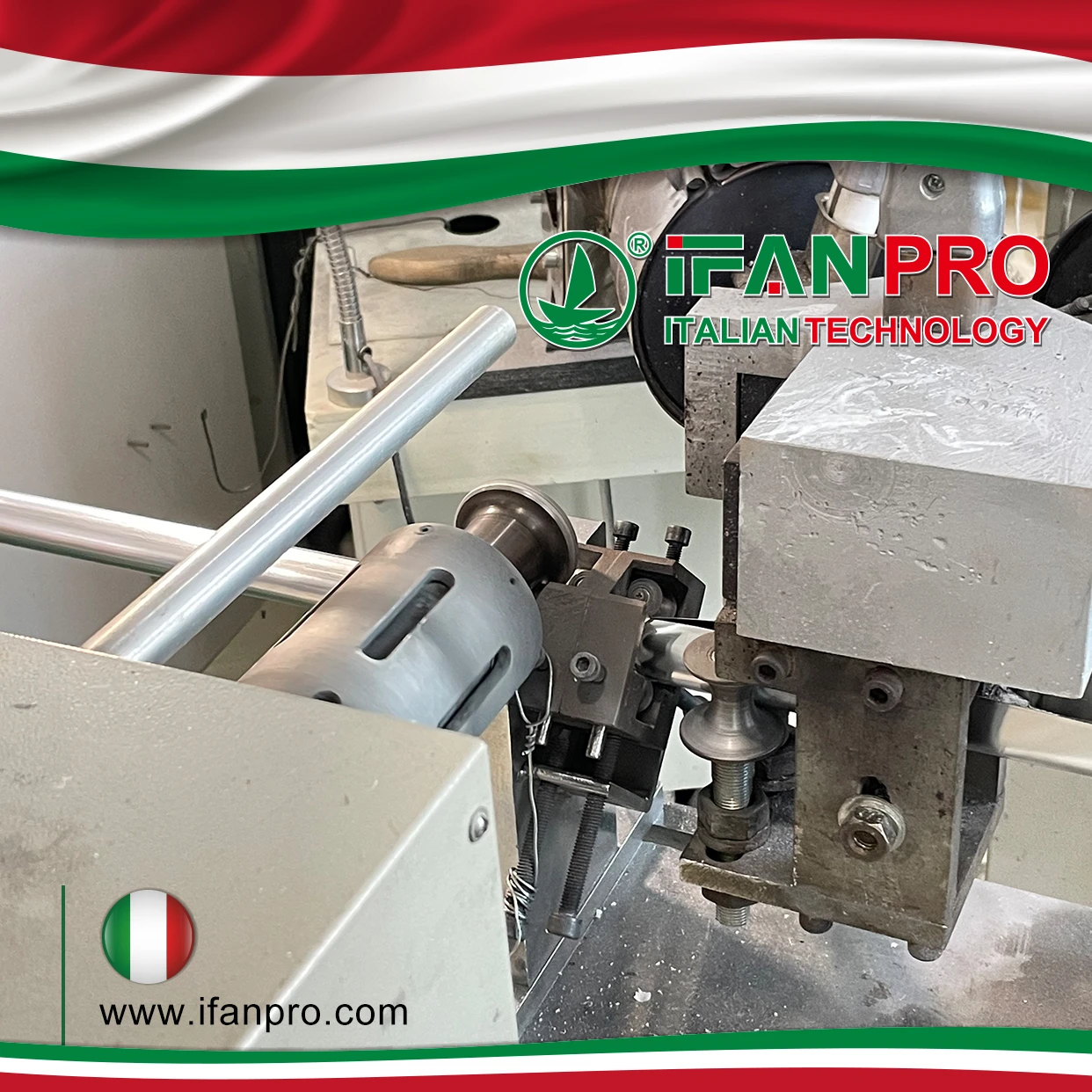
- Aluminum weld integrity: we inspect the longitudinal weld so the oxygen barrier is continuous with no pinholes.
- Pressure testing: sample lengths are hydrostatically tested to confirm the layers hold under load.
- Wall thickness and ovality: we measure both so calibrated fittings seat on a round, correctly sized bore.
- Certificate-scope match: we confirm the batch matches the certificate scope for your destination market before it ships.
- Virgin resin: we run virgin, not reground, polyethylene so cross-link density and long-term strength stay predictable.
Our production references recognized standards, including ASTM F876 for PEX tubing and guidance from the Plastics Pipe Institute. Certification scope differs by product and market, so we confirm the applicable listing for your order rather than promising blanket approval. For the underlying material science, the general reference on cross-linked polyethylene is a useful primer.
Conclusión
PEX-AL-PEX earns its premium on heating loops, long exposed runs, and gas where approved, because you are buying a real oxygen barrier and near-metal stability. Single-layer PEX is the smarter, faster, cheaper choice for ordinary hot and cold water branches. Match the pipe to the requirement pulling the decision and you stop overpaying without ever risking the job where the barrier mattered.
If you are speccing a project and want both products from one source with certificates matched to your market, take your run schedule to a manufacturer who makes both lines and can confirm the scope for you.
Frequently Asked Questions
Is PEX-AL-PEX always better than plain PEX?
No. It is better where you need low expansion, a fixed bent shape, or a built-in oxygen barrier, such as heating loops and long exposed runs. On a short cold-water branch, it just adds cost, stiffness, and install time with no functional gain.
Can I use single-layer PEX for underfloor heating?
Only if it is the oxygen-barrier version with an EVOH layer, and only where local code allows it. Standard non-barrier PEX in a closed loop with steel or cast-iron parts can let oxygen through and corrode those components over time. Verify the product and code before you commit.
Why does PEX-AL-PEX need different fittings?
Its thicker wall and hard aluminum layer require calibrated press or compression fittings, plus reaming and calibrating each cut end. Standard crimp technique alone will not seat the seals reliably, which is why mismatched fittings are the most common composite leak.
How much less does composite pipe expand?
Roughly 80 percent less. Plain PEX can move 1 to 2.5 inches per 100 ft for every 10°F swing, while PEX-AL-PEX moves about 0.3 inch over the same length and temperature change, which is why composite runs stay quiet.
Can I repair a kink in PEX-AL-PEX with a heat gun?
No. Unlike flexible PEX, a hard kink in composite pipe damages the aluminum core, so you cut out the kinked section and use a fitting. Heat will not restore the crushed metal layer.
Acerca de IFANPRO
IFANPRO has manufactured PEX, PPR, HDPE, and PVC pipe and brass fittings since 1993 from a 120,000 m² factory with 600+ staff. We produce single-layer PEX and PEX-AL-PEX composite pipe with matched fittings, hold certifications including ISO 9001/14001, CE, WRAS, NSF/IAPMO, and WaterMark, and ship OEM/ODM orders to more than 200 countries. Certification scope varies by product and destination market; we confirm the applicable listing for each order.








 Español
  English
  Français
  Русский
Comentarios recientes