
I was baffled. My kitchen faucet had become a frustrating trickle, yet the pipe under the sink looked perfectly clean. Sound familiar? Let’s solve this mystery together.
To troubleshoot low flow in a clear pipe, start by checking the aerator or showerhead for mineral clogs, then inspect your home’s pressure regulator valve, and finally consider hidden issues in the main supply line or internal pipe corrosion.
If you’re staring at a clear pipe and a weak stream, you’re not imagining things. The problem is often hidden from plain sight. This guide will walk you through the step-by-step detective work to find and fix the real culprit behind your disappointing water pressure.
You turn on the tap and get a sad drizzle. The pipe looks fine, so what’s wrong? I’ve learned the hard way that the answer is rarely obvious.
The most common hidden causes are clogged aerators or showerheads, a faulty pressure reducing valve (PRV), mineral buildup inside pipes, a partially closed main shut-off valve, or problems with the municipal water supply line leading to your home.
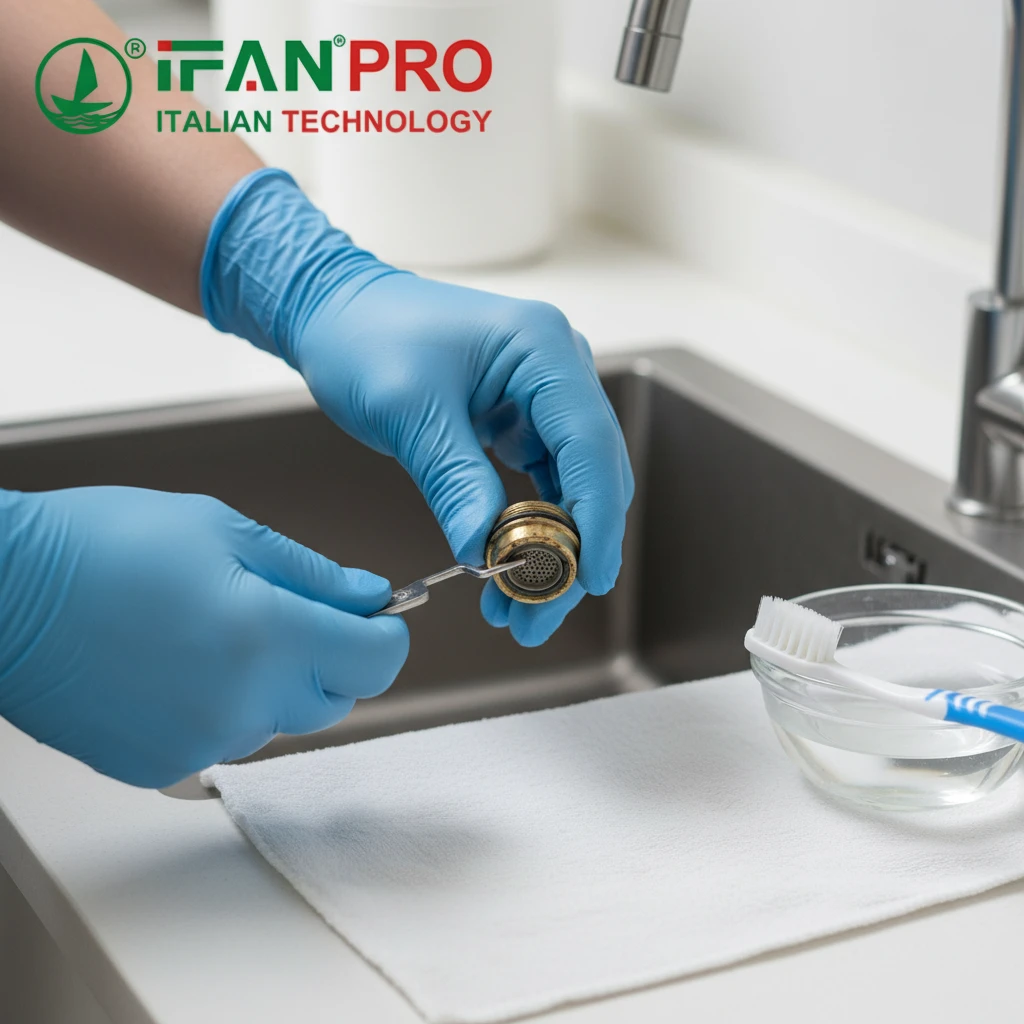
When your water pressure drops but the pipes look clear, it means the restriction isn’t where you can easily see it. The issue is either at the very end of the line, at the very beginning, or hidden inside the walls. Think of your plumbing like a highway. A traffic jam (low flow) can happen at the exit ramp (your faucet), at an on-ramp (your main valve), or because the road itself has narrowed over time (your pipes).
Let’s break down these invisible troublemakers. First, consider the endpoints. Your faucet aerator and showerhead have tiny holes. These holes are magnets for minerals like calcium and magnesium found in hard water. The buildup happens slowly, so you might not notice the gradual decline until one day the flow is just pathetic. It’s the easiest problem to check and fix.
The Silent Saboteur: Your Pressure Regulating Valve (PRV)
Many homes have a pressure regulator where the main water line enters the house. Its job is to protect your plumbing from the high pressure sometimes sent by the city. Like any mechanical device, it can fail. When it fails, it often fails by restricting flow too much. You’ll find this bell-shaped device near your main water shut-off valve. A faulty PRV can cause low pressure throughout the entire house.
The Invisible Narrowing: Pipe Corrosion and Scale
Even if the pipe you can see looks clear, what about the 20 feet of pipe inside your wall? In older homes with galvanized steel pipes, rust and mineral scale build up on the inside walls. This slowly reduces the diameter of the pipe. A pipe that was once half an inch wide inside might now be only a quarter inch. This creates massive resistance to water flow. This problem usually affects older homes more and gets worse over many years.
| Hidden Cause | Typical Symptoms | Primary Fix |
|---|---|---|
| Clogged Aerator/Showerhead | Low flow at one specific fixture only. | Clean or replace the aerator/showerhead. |
| Faulty Pressure Regulator (PRV) | Low pressure in the entire house, possibly sudden. | Adjust or replace the PRV valve. |
| Internal Pipe Corrosion (Galvanized) | Low pressure that worsens over years, rusty water. | Repipe the affected sections with copper or PEX. |
| Partially Closed Main Valve | Low pressure after recent plumbing work. | Ensure the main shut-off valve is fully open. |
| Municipal Supply Issue | Low pressure affecting multiple houses in the area. | Contact your local water utility. |
Another often-overlooked culprit is the main shut-off valve itself. If you or a plumber recently worked on your system, this valve might have been turned off and then only partially reopened. It doesn’t take much—just being a quarter-turn from fully open—to cut your home’s water pressure in half. Always check this valve first if your pressure problem started after other work was done.
How can a clogged aerator or showerhead reduce flow in a clear pipe?
It seems too simple to be true. How can a tiny screen at the end of the pipe cause such a big problem? I dismissed this idea for weeks, and I was wrong.
A clogged aerator or showerhead reduces flow by physically blocking the water’s exit path with mineral deposits (limescale). These deposits fill the tiny holes designed to let water through, forcing the water to squeeze through a much smaller space, which drastically slows it down.
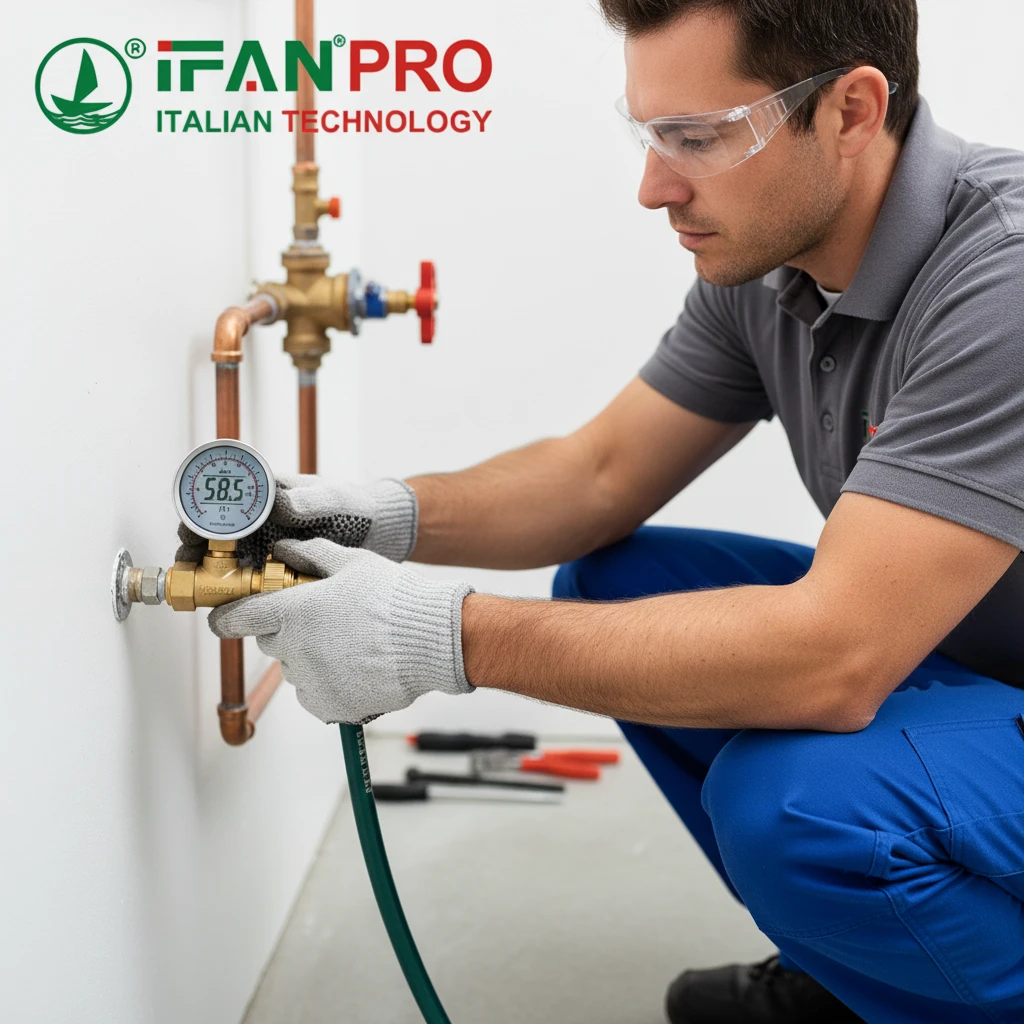
The aerator is the small, threaded screen you screw onto the end of your faucet. Its main jobs are to mix air with the water to create a smoother, splashing stream and to conserve water. A showerhead performs a similar function with many small nozzles. Over time, minerals dissolved in your water—especially if you have hard water—precipitate out and stick to any surface. The small, complex passages in an aerator or showerhead are perfect traps for this scale.
Here’s the science: Flow rate is determined by pressure and resistance. Your home’s water pressure provides the push. The pipes and fixtures provide resistance. When the aerator holes are wide open, resistance is low, and flow is high. When those holes are 90% clogged with chalky white mineral deposits, the resistance is extremely high. The same water pressure now has to force water through a pinhole instead of a wide opening, resulting in a weak trickle. The pipe leading to it can be perfectly clean, but the final gate is slammed shut.
How to Diagnose a Clogged Aerator
The test is simple. Turn on the faucet with the aerator attached and note the flow. Then, carefully unscrew the aerator (you may need pliers wrapped in a cloth to avoid scratches). Turn the water on again. If the flow is strong and splashing without the aerator, you’ve found your culprit. The aerator itself will often feel heavier than expected due to the mineral weight, and you’ll see the white or greenish crust blocking the mesh.
Cleaning vs. Replacing
You can often clean an aerator. Soak it in a bowl of white vinegar overnight. The acetic acid in vinegar dissolves calcium and magnesium carbonate (limescale). In the morning, use an old toothbrush to scrub away any loose bits and rinse it thoroughly. For a showerhead, you can fill a plastic bag with vinegar, tie it around the showerhead to submerge the nozzles, and let it soak. If soaking doesn’t work, or if the aerator is damaged, replacement is cheap and easy. They are standard sizes available at any hardware store.
| Fixture Type | Signs of a Clog | Recommended Cleaning Solution | Soak Time |
|---|---|---|---|
| Kitchen/Bathroom Faucet Aerator | Weak, uneven, or spraying stream. | White Vinegar | 4-8 hours |
| Showerhead | Some nozzles not spraying, weak overall flow. | White Vinegar or CLR | 1-2 hours |
| Handheld Sprayer | Reduced force, water dribbling from sides. | White Vinegar | 2-4 hours |
Prevention is key. If you have hard water, regular cleaning every few months can prevent major clogs. Installing a whole-house water softener is a more permanent solution that will protect all your appliances and fixtures from scale buildup, not just your aerators. Remember, this is the first and easiest thing to check. It costs nothing to look and can save you from calling a plumber for a simple five-minute fix.
Why might a faulty pressure regulator be the invisible culprit?
When every faucet in the house has low pressure, the problem is systemic. My search led me to a mysterious bell-shaped valve in my basement I’d never noticed before.
A faulty pressure regulator (PRV) can be the invisible culprit because it controls the maximum water pressure entering your entire home. If it fails or its setting drifts too low, it restricts flow at the source, causing uniformly low pressure at all fixtures, even with perfectly clear pipes.
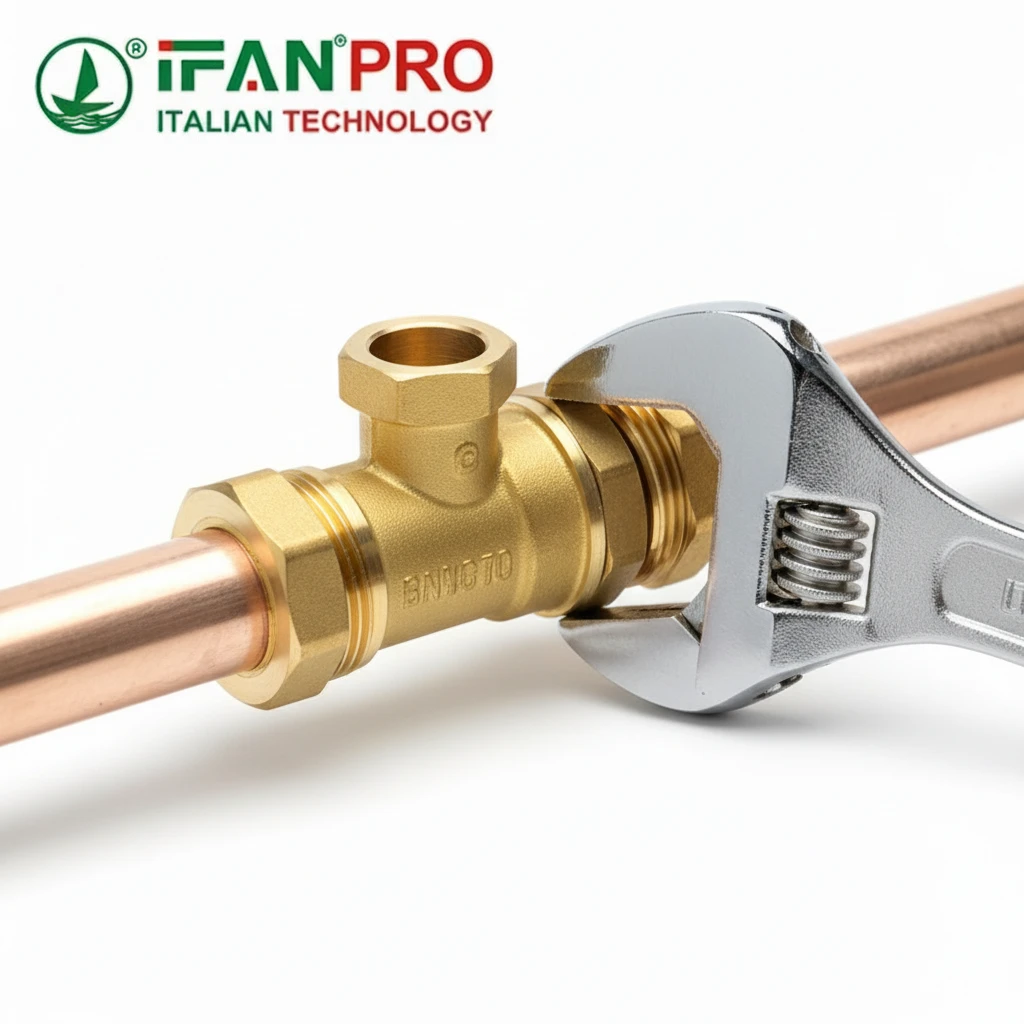
The pressure reducing valve is a crucial safety and comfort device. Municipal water mains often operate at high pressure (sometimes 80 psi or more) to serve tall buildings and fire hydrants. This pressure is too high for home plumbing, as it can stress pipes, joints, and appliances, causing leaks and damage. The PRV’s job is to reduce that incoming pressure to a safe level, typically between 40-60 psi.
These valves contain a spring, a diaphragm, and a movable stem. Over years of constant pressure, the spring can weaken, the diaphragm can harden or tear, or mineral deposits can jam the mechanism. When it fails, it usually fails in the “closed” or “restricted” position to be safe, thus lowering your home’s water pressure. Sometimes, the adjustment screw can simply vibrate loose, causing the setting to drift lower. The problem is truly “invisible” because the valve usually looks fine from the outside, and it’s located in a spot homeowners rarely check.
How to Identify PRV Failure
There are a few telltale signs. First, the symptom is whole-house low pressure. Second, you might hear a constant humming or vibrating noise from the valve area. Third, you can test your home’s water pressure with a simple, inexpensive pressure gauge that screws onto an outdoor hose bib or a laundry faucet. If the reading is consistently below 40 psi, your PRV is a prime suspect. Note: Test when no water is being used elsewhere in the house.
To Adjust or To Replace?
Some PRVs have an adjustment screw on top. Turning this screw clockwise (usually) increases the pressure. You can try adjusting it slightly (a quarter-turn at a time) while monitoring the pressure gauge. If the pressure doesn’t change, or if it fluctuates wildly, the valve is likely broken internally and needs replacement. Replacement is a job for a skilled DIYer or a plumber, as it involves shutting off the main water supply to the house and soldering or threading in a new valve.
| PRV Symptom | What It Means | Action Required |
|---|---|---|
| Pressure reads below 40 psi on gauge | PRV is set too low or is failing closed. | Try adjustment. If no change, replace. |
| Pressure reads above 80 psi on gauge | PRV has failed open (less common, but dangerous). | Replace immediately to prevent pipe damage. |
| Pressure fluctuates wildly | Internal parts are worn or jammed. | Replace the valve. |
| Constant humming/vibrating noise | Internal diaphragm is vibrating. | Valve is failing; plan for replacement. |
It’s important to know that not every home has a PRV. If you live in a low-pressure area or an older home, you might not have one. In that case, whole-house low pressure points to a different issue, like a problem with the main supply line. But if you do have one, it’s a critical component to investigate when flow is low everywhere. Ignoring a failing PRV can lead to more than just low pressure; if it fails in the high-pressure direction, it can cause burst hoses, leaking water heaters, and other expensive damage.
When should you suspect a problem with the main water supply line?
You’ve checked everything inside. The aerators are clean, the PRV seems okay. Yet, the problem persists. This is when you look beyond your property line.
You should suspect a problem with the main water supply line when low water pressure affects every fixture in your house simultaneously, when it starts suddenly (especially after cold weather or nearby construction), and when your immediate neighbors are experiencing the same issue.
The main supply line is the pipe that runs from the city’s water main (usually under the street) to your home. It is your personal connection to the municipal water system. Problems here are serious because they are underground and on your property, making them your responsibility to fix from the property line inward. There are two main types of issues: obstructions and leaks.
Obstructions can occur if the pipe collapses due to shifting soil, if tree roots have invaded and clogged it, or if severe internal corrosion has closed it up (common with old galvanized steel service lines). A leak in the main supply line is another major cause. It might seem counterintuitive, but a leak can cause low pressure. Water follows the path of least resistance. If there’s a large crack in the pipe underground, a significant portion of your water pressure is lost as water escapes into the soil before it even reaches your house. You might also notice a constantly soggy patch in your yard, an unexplained spike in your water bill, or even the sound of running water when everything is off.
The Sudden Onset vs. The Gradual Decline
The timing of the problem is a major clue. A sudden drop in pressure often points to an acute event: a major leak from a broken pipe, the city shutting a valve for maintenance, or a construction crew accidentally damaging the line. A gradual decline over many months or years is more indicative of a slowly clogging pipe due to corrosion or root intrusion.
How to Investigate a Supply Line Issue
Start by talking to your neighbors. If they have the same problem, it’s almost certainly an issue with the municipal main, and you should call your water utility immediately. If it’s just you, the problem is likely on your private segment of the line. Check your water meter. Find the meter, ensure no water is being used in your home, and watch the small leak indicator (often a triangle or a silver wheel). If it is moving, you have a leak somewhere. The next step is to call a professional plumber who can perform a pressure test or use specialized acoustic equipment to locate an underground leak.
| Symptom | Likely Cause | Who is Responsible? | Next Step |
|---|---|---|---|
| Low pressure at your house only, soggy yard | Leak in your private supply line. | Homeowner | Call a leak detection plumber. |
| Low pressure at your house only, no wet spots | Collapsed or clogged private supply line. | Homeowner | Call a plumber for camera inspection. |
| Low pressure across the whole neighborhood | Municipal main break or valve issue. | Water Utility | Contact your water company. |
| Sudden pressure loss after freezing weather | Frozen or burst supply line. | Homeowner | Shut off water and call a plumber urgently. |
Fixing a main supply line problem is a major undertaking. It often involves excavation to dig up and replace the old pipe. Today, “trenchless” methods like pipe bursting are sometimes possible, which are less disruptive to your landscaping. This is not a DIY repair. The investment, however, is crucial. A compromised supply line will only get worse, potentially leaving you without any water at all. If you suspect this is the issue, professional diagnosis is the essential next step.
Conclusión
Low flow from a clear pipe is a solvable puzzle. Start with the simple fixes like cleaning aerators, then systematically check valves and supply lines to restore your water pressure for good.











 Español
  English
  Français
  Русский
Comentarios recientes