
Índice
隐藏
1. Why Pipe Quality Testing Matters
- Directly impacts the safety and lifespan of water supply, gas, and industrial fluid systems
- Poor-quality pipes may cause leaks, bursts, contamination, and other severe issues
- International standards (e.g., ISO 3126, ASTM D2290) specify performance requirements
2. Material Performance Testing: The Foundation of Quality
2.1 Composition Analysis
- Spectrometry for metal pipes (steel/copper) to check alloy elements (e.g., chromium, nickel)
- Infrared spectroscopy for plastic pipes (PPR/PEX) to verify polymer purity and additives
- Case: ifan Pipeline’s PPR pipes pass SGS testing with ≥99.5% polypropylene content
2.2 Physical-Mechanical Property Tests
- Tensile Strength: Measured via universal testing machine (e.g., GB/T 8804 requires ≥25MPa for PPR)
- High-Temperature Resistance: Creep performance of plastic pipes after 1000 hours at 95℃
- Low-Temperature Impact: Anti-brittle fracture test for metal pipes at -20℃
3. Pressure and Leakage Testing: Core Function Validation
3.1 Hydrostatic Test
- Procedure:
- Fill the pipe with water, pressurize to 1.5x working pressure (e.g., 2.4MPa for PN16 pipes)
- Maintain pressure for ≥1 hour; allowable pressure drop ≤0.05MPa (ISO 1167 compliant)
- Equipment: Computer-controlled hydrostatic tester with automatic pressure curve recording
3.2 Air Pressure Test
- For gas/compressed air pipes, test at 1.1x working pressure
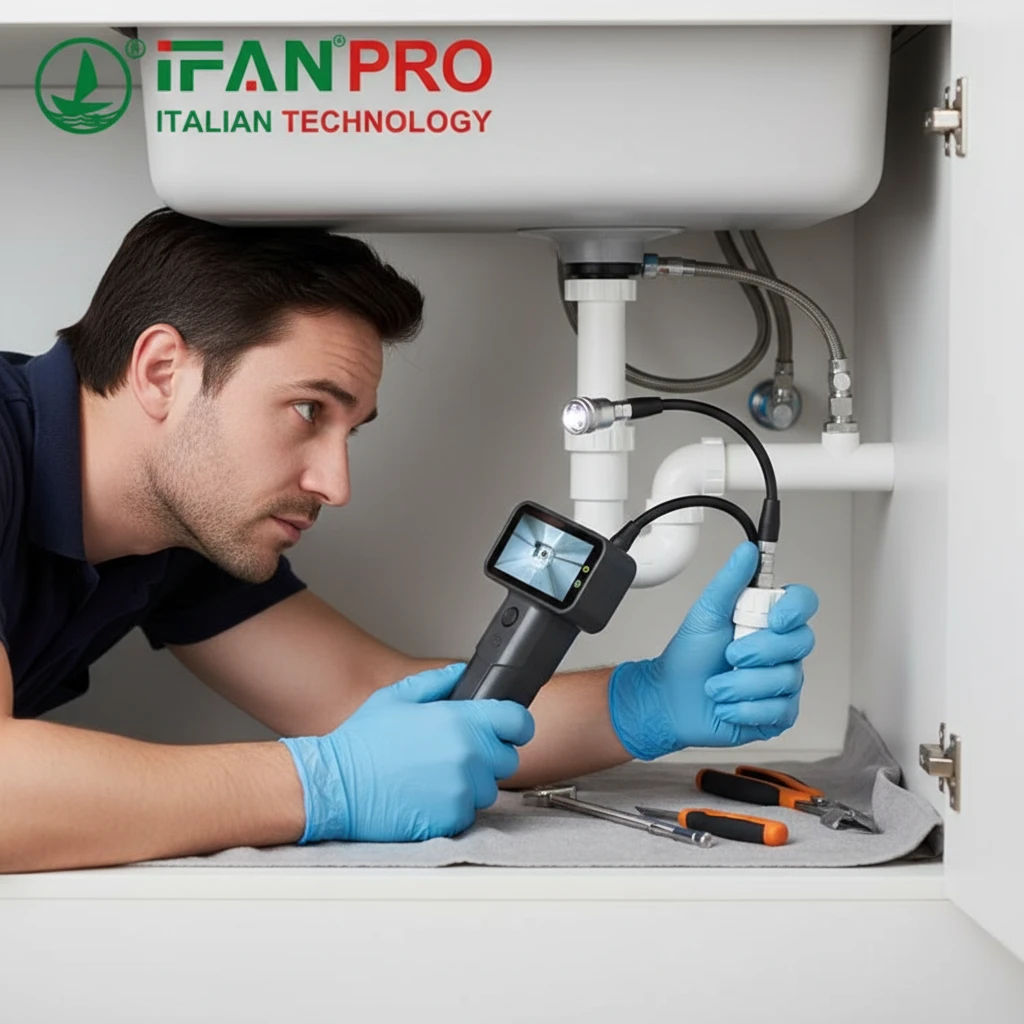
- Soap bubble method for leak detection at joints/welds; halogen leak detectors for precision
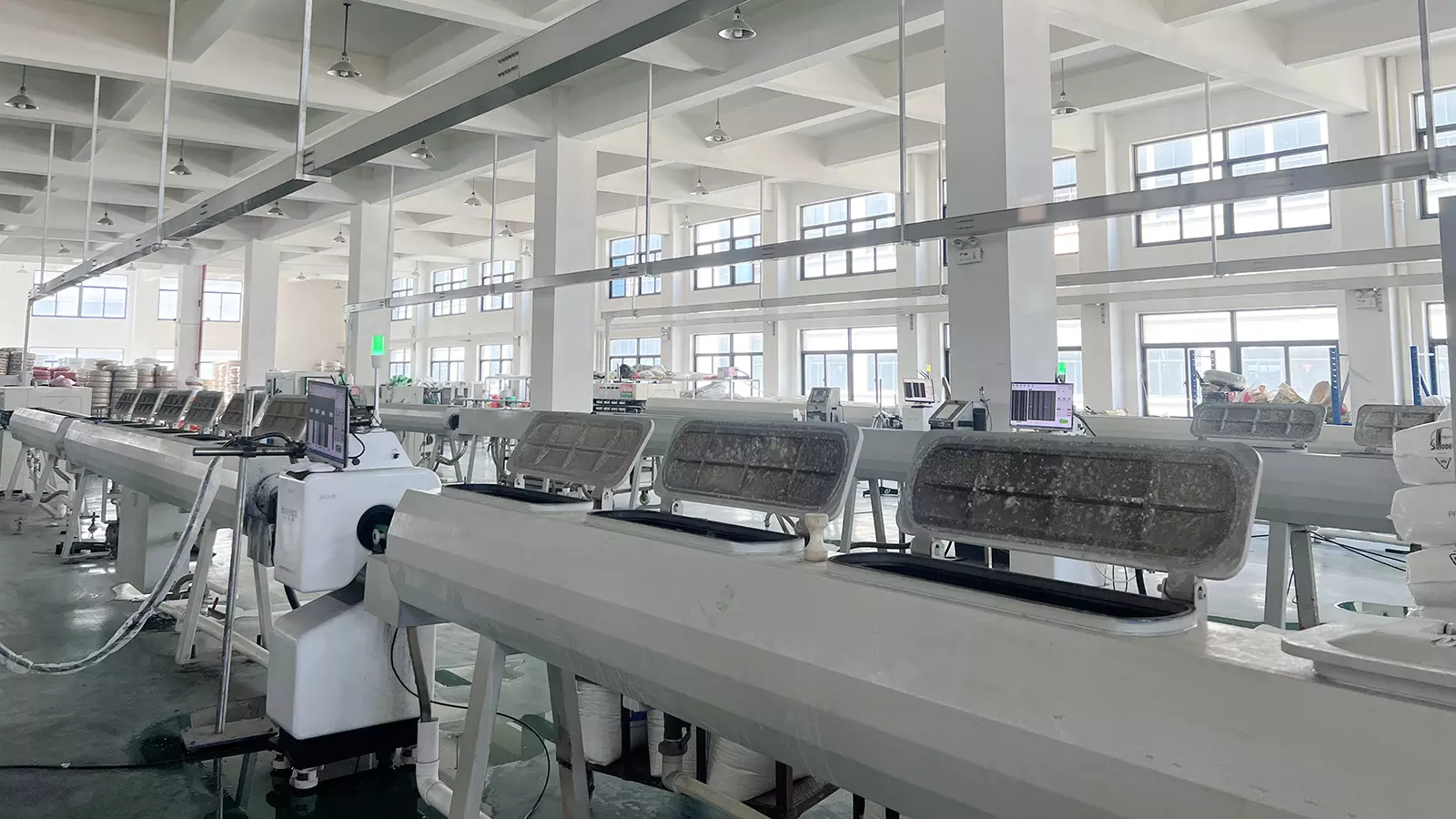
4. Dimensional and Visual Inspection: Details Matter for Fit
- Dimension Measurement:
- OD, wall thickness (micrometer): Meet tolerances in GB/T 13663 (PE) or ASTM A53 (steel)
- Ovality: Max/min diameter difference ≤1% of nominal diameter at both ends
- Visual Check:
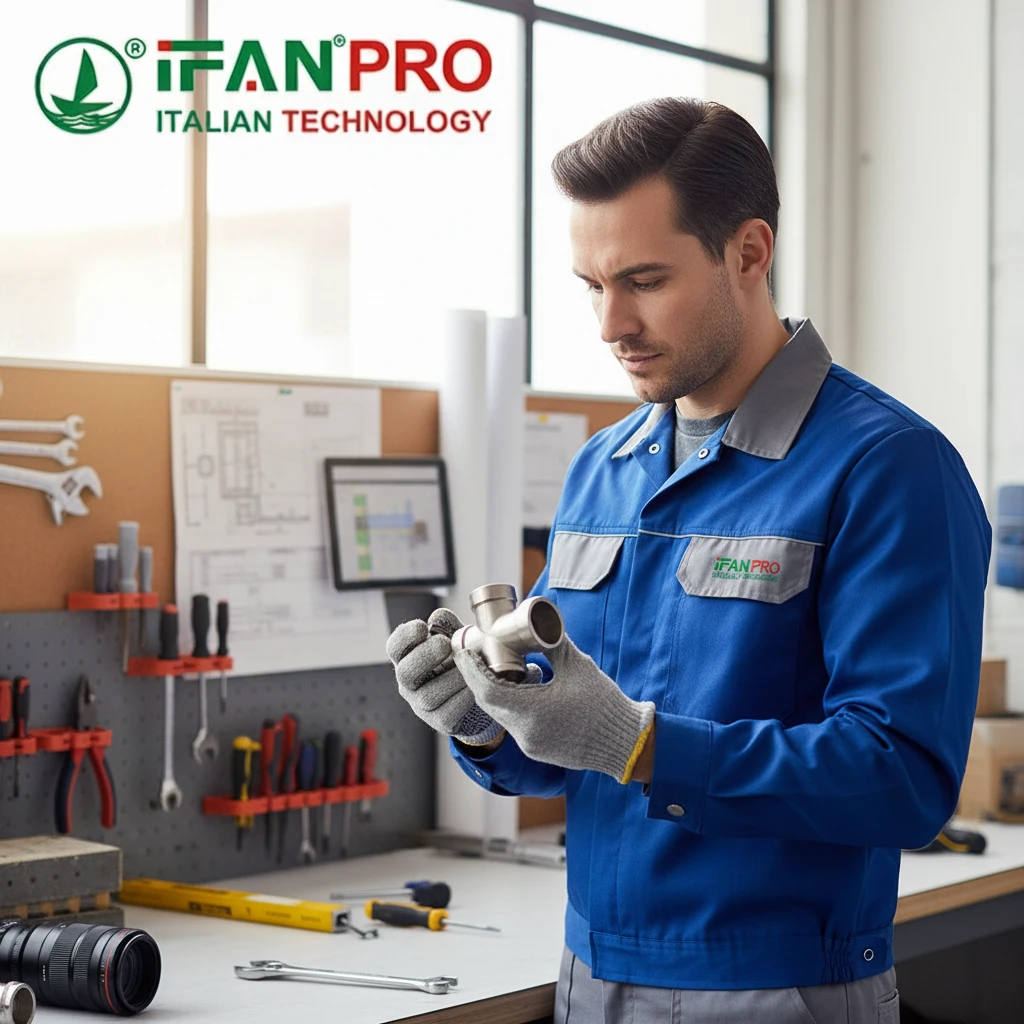
- Metal pipes: Weld flatness (目视 /weld gauge), galvanization uniformity (copper sulfate test)
- Plastic pipes: Smooth surface, color consistency; no bubbles/impurities allowed
5. Long-Term Performance and Environmental Adaptability
5.1 Corrosion Resistance Test
- Salt spray test (ASTM B117): Simulate marine/industrial corrosion cycles for metal pipes
- Chemical immersion test: Weight change rate of plastic pipes after 30 days in acid/alkali solutions
5.2 Thermal Aging Test
- Accelerated aging chamber (70℃×168 hours) to evaluate oxidation; tensile strength retention ≥80%
5.3 Joint Performance Test
- Pull-out force test for heat-fused/electrofused joints: PPR joint strength ≥90% of pipe body
6. Professional Certifications: Authoritative Quality Endorsement
- International Certifications: ISO 9001, CE/PED (EU Pressure Equipment Directive)
- Industry Standards: Drinking water pipes need NSF/ANSI 61 (USA) or WRAS (UK) hygiene approval
- All ifan Pipeline products pass third-party lab tests; COC (Certificate of Conformity) available
7. Simple Testing Tips for Buyers
- Review QC Reports: Request batch testing data (especially pressure test results)
- Weight Comparison: ±5% deviation from standard weight may indicate thin walls
- Combustion Test: High-quality PPR pipes burn without black smoke and no pungent odor after extinction
Conclusión
Pipe quality testing is a systematic process involving material analysis, pressure testing, long-term performance evaluation, and certification review. With 15 years of industrial pipe manufacturing experience, ifan Pipeline implements 12 quality inspection procedures from raw material intake to delivery, ensuring compliance with strict international standards. Visit ifanultra.com to download our free Pipe Quality Testing Handbook or contact us for customized testing solutions.




 Español
  English
  Français
  Русский
Comentarios recientes