
1. Why Do PPR Pipes Leak?
- Common Leak Causes:
- Improper fusion welding (incorrect temperature, dirty surfaces)
- Pipe aging (long-term exposure to high temperature/pressure)
- Mechanical damage (excessive bending, heavy object pressure)
- Low-quality fittings (inferior O-rings, non-compliant joints)
- ifan Pipeline Tip: Certified PPR pipes (ISO 22510 compliant) reduce leakage risks by 60% with 30% improved anti-aging properties.
2. Quick Temporary Fixes for Different Leak Scenarios
▶ Minor Seepage (Cracks/Pinholes)
- Silicone Seal Method:
- Turn off water supply, dry the surface
- Apply food-grade waterproof silicone (≥2mm thickness), cure for 24 hours
- Suitable for: Cold water pipes under 0.6MPa pressure
- Rubber Tape Wrapping:
- Wrap a high-pressure rubber tape (≥3cm width) tightly around the leak
- Secure with stainless steel clamps, tighten until no leakage
- Note: Temporary solution – seek permanent repair within 24 hours
▶ Joint Leaks (Most Common Issue)
- Re-tightening Method:
- Close upstream/downstream valves, release pressure
- Gently tighten the joint clockwise with a 专用 wrench (avoid over-tightening)
- Replace with ifan Pipeline’s EPDM food-grade O-rings if leaks persist
3. Permanent Repairs: Local Replacement to System Upgrade
▶ Local Pipe Segment Replacement (DIY-Friendly)
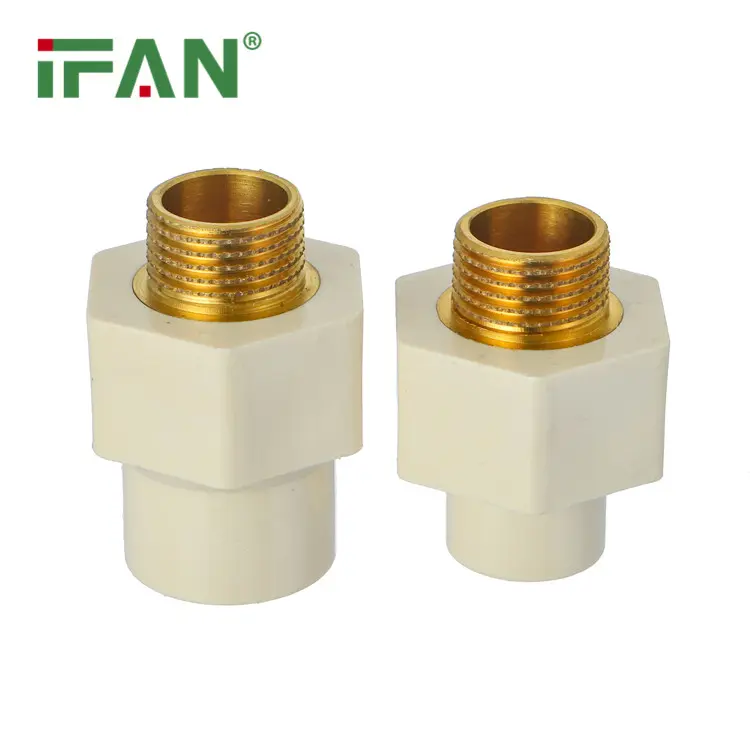
- Tools Needed: PPR pipe cutter, fusion welder (260±5℃), matching fittings
- Steps:
- Cut out the leaking section (vertical cut, sand smooth edges)
- Fusion-weld new fittings: Insert pipe to marked depth (e.g., 18mm for DN20)
- Cooling Time: 5 mins for DN20, 8 mins for DN32
- ifan Advantage: Patented anti-stick coating ensures 95% successful welding
▶ System-Level Upgrade (For Aging Systems)
- Pruebas de presión: Use a pump to test at 1.5x working pressure (e.g., 1.2MPa for 0.8MPa systems), allow ≤0.05MPa drop in 30 mins
- Segmented Replacement: Prioritize pipes over 10 years old; use copper-inset PPR fittings for stronger joints
4. DIY vs Professional: When to Call a Plumber?
| Scenario | Recommended Action | Risks |
|---|---|---|
| Main pipe burst | Contact a plumber immediately | Incorrect repairs may cause full water shutdown |
| Buried pipe leak | Professional leak detection first | Random excavation may damage structures |
| Large-diameter leaks (DN50+) | Flange connection required | Low-power welders may fail |
| Persistent hot water leaks | Replace with high-temperature fittings | Temporary fixes fail under heat |
5. 5 Golden Rules to Prevent PPR Pipe Leaks
- Buy Certified Products: Look for GB/T 18742 standard and S2.5 (hot water) wall thickness
- Follow Installation Standards: Clean pipe ends before fusion; avoid working below 5℃
- Allow Expansion Space: Install an expansion joint every 3m; use metal bellows for hot water systems
- Inspecciones periódicas: Annual visual checks (focus on elbows/tees); record pressure changes
- Operate Within Limits: Long-term temp ≤70℃, max 瞬时 temp 95℃
6. ifan Pipeline: Your Leak Solution Expert
- Full Repair Kit: Quick 抢修接头 with memory metal ring (install in 3 mins)
- Custom Services: Leak detection + system design (free on-site survey in selected areas)
- Technical Support: 24/7 online service, fusion video tutorials, pressure testing guides
Conclusión
Effectively stopping PPR pipe leaks requires matching solutions to leak types, pipe specs, and usage conditions. While temporary fixes buy time, permanent solutions rely on quality products and proper installation. With 20 years of expertise, ifan Pipeline offers end-to-end solutions for residential and industrial users. Visit ifanultra.com to download our PPR Pipe Maintenance Manual and get professional leak-proof advice today.










 Español
  English
  Français
  Русский
Comentarios recientes