
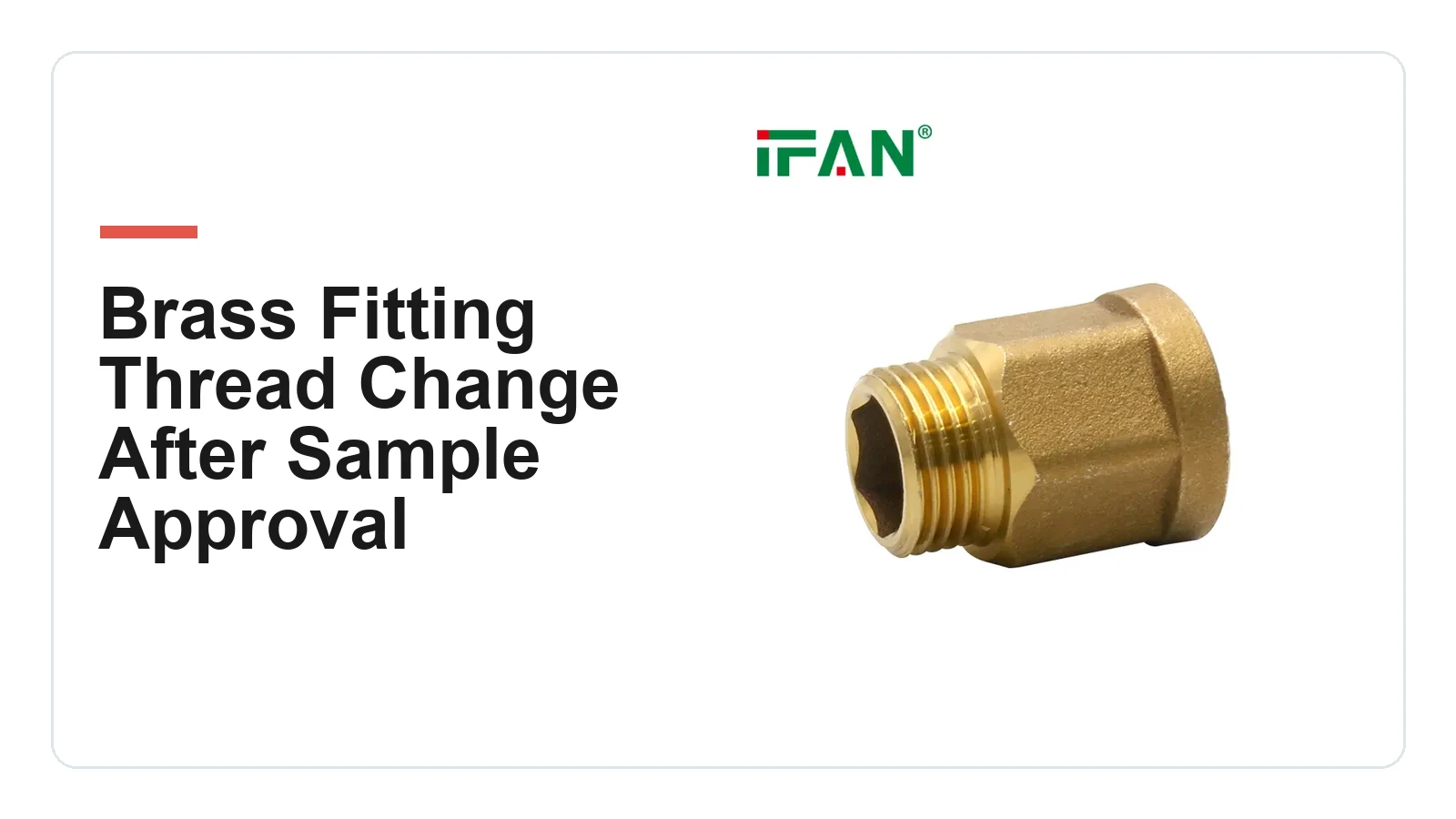
The brass adapter sample is signed and the purchase order is open. Then a revised drawing arrives with a different thread on one port. The supplier asks for permission to change the machining setup. What can you approve today?
Hold routine production and shipment of the changed fitting. Have engineering compare the new callout with the drawing tied to the signed sample. If the thread actually changes, put any permission to cut trial parts in writing and make it separate from production release. Use the accepted revised sample and its evidence to release named lots against named purchase order lines. A temporary exception needs its own signed approval identifying the affected PO lines and lots and the applicable quantity or expiry limit.
Key Takeaways
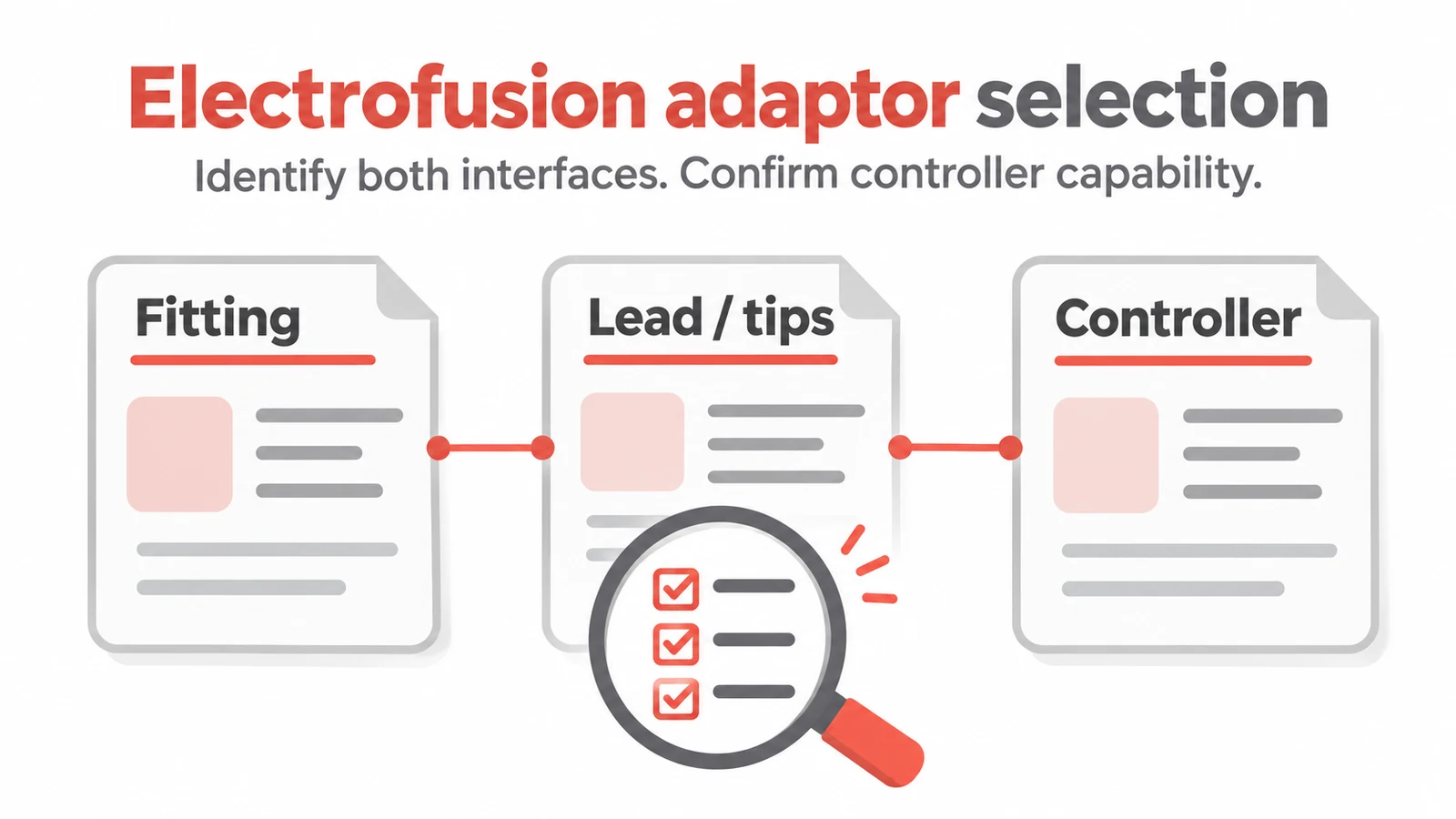
- Hold routine work and shipment of the changed fitting. Match redline, exact port, mating part and approved sample.
- A clerical correction carries the stated approval only when the written evidence confirms equivalence.
- A physical change needs a written limited trial, revised sample evidence, and separate written decisions for routine production and shipment.
- An approved temporary exception applies to identified lots and PO lines within its limits.
- Record approved revision, eligible lot and release status on each affected purchase order line.
Find the exact change on the approved drawing
Start with the sample ID, the drawing revision it was approved against, and the purchase order (PO) line that calls for that revision. Ask the supplier for a redline of the changed port and the before-and-after specifications. A note that says “thread updated” leaves you guessing whether the callout changed, the part changed, or the sample already differed from the approved drawing.
Give engineering the exact mating component as well as the redline. Ask which interface requirements are affected, including any sealing face or seat shown on the drawing. If the update simply corrects a port label, engineering can document why the requirement and the existing sample evidence still agree. If the supplier made the sample to a different requirement than the approved drawing, treat that discrepancy as unresolved until the approving team decides what to do with the sample and any parts already made.
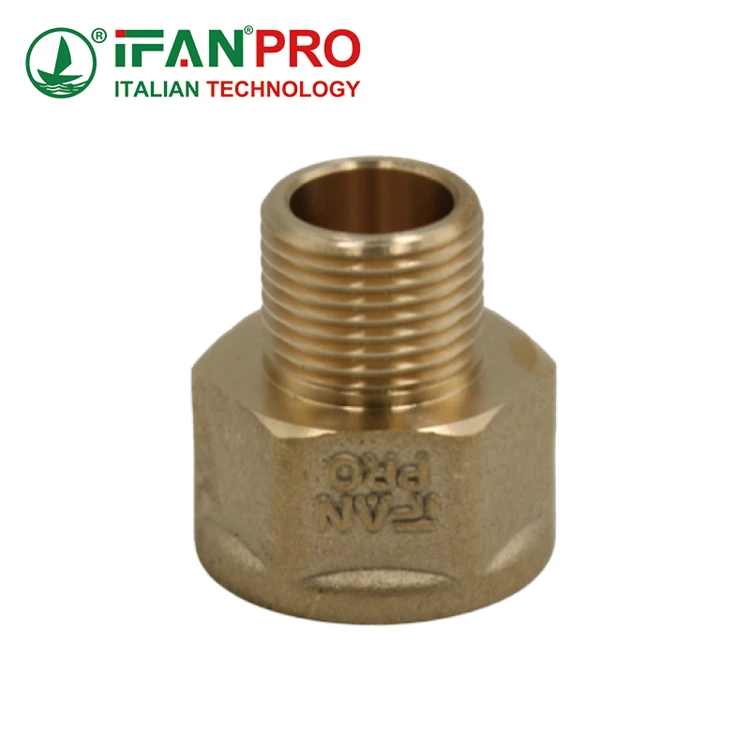
Decide what the supplier may release
Route the decision through the authority named in your purchase or quality agreement. Put separate decisions in the record for trial work, routine production, and shipment. If a sample requires a change to the tooling or machining setup, the trial authorization should state what work is allowed, which setup it covers, and where the trial pieces go. Agree separately before making any irreversible change to equipment still needed for open orders on the old revision.
| What changed | Record to request | Release verdict |
|---|---|---|
| Clerical drawing correction | Redline and written confirmation that the requirement and approved sample evidence still agree. | Update the drawing reference and carry forward the sample approval for the stated scope. |
| Physical thread or related sealing feature changes | Revised drawing, verification plan, revised sample ID and results, and the approving authority’s disposition. | Limit trial work to the written scope. Clear production and shipment separately. |
| Temporary exception requested | Signed exception with part, departure, PO lines, eligible lots, quantity or expiry, and stock disposition. | Follow the signed limits. Apply the approved drawing to orders outside that scope. |
| Change or prior approval cannot be verified | Missing redline, sample evidence or signed approval. | Hold the affected work or shipment and identify which evidence would clear it. |
Würth Industry North America’s supplier handbook gives one example of documenting a temporary deviation alongside a separate permanent drawing-change decision. Its procedure allows temporary deviations limited by quantity or period. Use your own agreement to establish who can approve an exception and which requirements can be changed. Würth supplier handbook, sections 2.7–2.8.
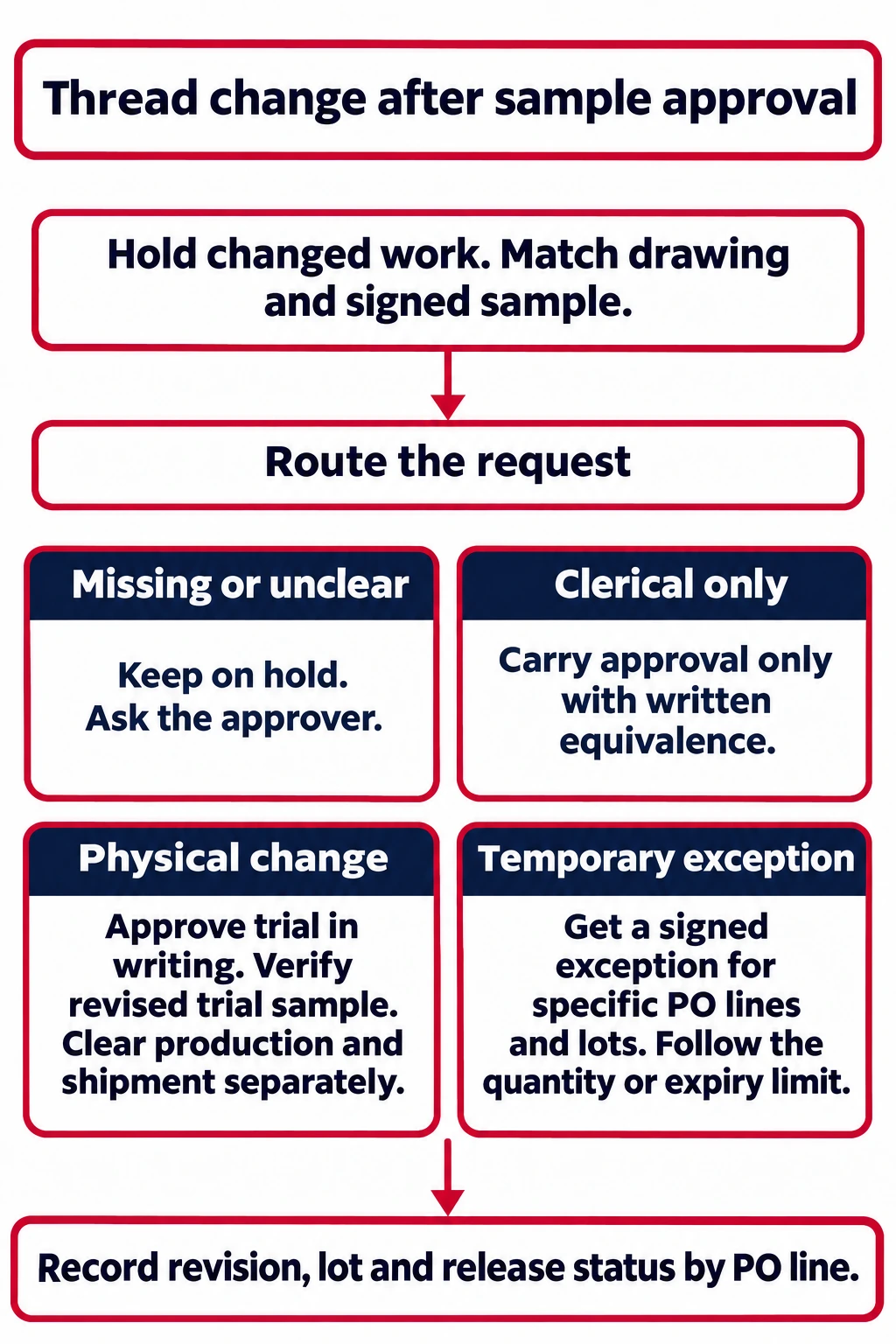
Release workflow in text
- Hold routine work and shipment of the changed fitting. Match redline, exact port, mating part and approved sample.
- Missing evidence or prior sample discrepancy goes to HOLD and the approving authority for disposition.
- A clerical correction carries the stated approval only when the written evidence confirms equivalence.
- A physical change needs a written limited trial, revised sample evidence, and separate written decisions for routine production and shipment.
- Use a signed temporary exception only for its identified lots and PO lines, within the signed quantity or expiry limit.
- Record approved revision, eligible lot and release status on each affected purchase order line.
Check the revised thread on a production-intent sample
Have the supplier identify the sample made using the proposed production setup and submit a report against the released trial drawing. In the report, match each result to the sample ID, the drawing revision, the port and the inspection instruction. Ask engineering to identify which earlier results can carry over and which checks must be repeated. That decision matters when the body is unchanged but the threaded end is new.
Use the standard called out on the revised drawing to select the verification method. ASME lists NPT dimensions and gaging under B1.20.1. ISO describes ISO 7-2 limit gauges for the thread forms within the scope of ISO 7-1 and identifies the need for additional controls. Ask which thread elements the report actually covers, then ask engineering what further evidence the intended assembly requires. A thread gauge result and an assembly acceptance result answer different questions. ASME B1.20.1 and ISO 7-2 abstract.
A revised sample may satisfy the agreed checks while the first production lot still awaits inspection. If the release calls for a first-lot check, carry the new drawing revision and inspection instruction into the pre-shipment inspection plan.

Put the cutover on the purchase order
Collect the stock and work-in-progress status before assigning the first lot that can use the new drawing. Have the supplier confirm which finished lots, partly machined parts and open order lines are affected. Identify old and new lots on the supplier’s shipment record and your receiving record, especially if the business uses the same SKU for both.
Hypothetical example. Line 10 remains assigned to accepted Rev A parts in lot A-17. Line 20 is assigned to Rev B, starting with lot B-03, once the authorized team clears that first lot for shipment. If B-03 misses the approval point, hold line 20 and ask for a new disposition. A shortage on either line goes back to the buyer for a decision before the supplier fills it from the other lot.
| PO line | Revision and lot | Receiving instruction |
|---|---|---|
| Line 10 | Rev A, lot A-17 | Keep the accepted assignment. Refer shortages to the buyer before any substitution. |
| Line 20 | Rev B, starting with lot B-03 | Use after authorized shipment release. Otherwise hold the line and request new disposition. |
Use one memo with fields for the part and port, old and new drawing revisions, approved sample IDs, inspection records and any limited exception. End with each PO line, the allowed revision and lot, the status of tooling, production and shipment, the treatment of remaining old stock or work in progress, and the signer and date. Send the same record to the supplier and receiving team.

Conclusión
Use the written decision to separate trial work, routine production and shipment. Record the accepted revision and lot against each affected PO line.
- Match the revised drawing to the exact port, mating part and accepted sample evidence.
- State what the supplier may do now and what requires another written decision.
- Put the accepted revision, eligible lot and any exception on the affected PO line.
If you are specifying an item from the IFANPRO brass fittings range, send the old and proposed thread callouts, the mating part and the affected order line. Mention the sample you already approved and ask what evidence can be provided for the revised fitting. Discuss a fitting drawing with IFANPRO.
Frequently asked questions
Can the original sample approval carry over?
If the update simply corrects a port label, engineering can document why the requirement and the existing sample evidence still agree.
Can the supplier start a trial before production is released?
Put separate decisions in the record for trial work, routine production, and shipment. Limit trial work to the written scope.
What if the first revised lot misses shipment approval?
Hold the affected PO line and ask for a new disposition. Refer shortages to the buyer before substituting parts from another lot.






 Español
 English
 Français
 Русский
Comentarios recientes