
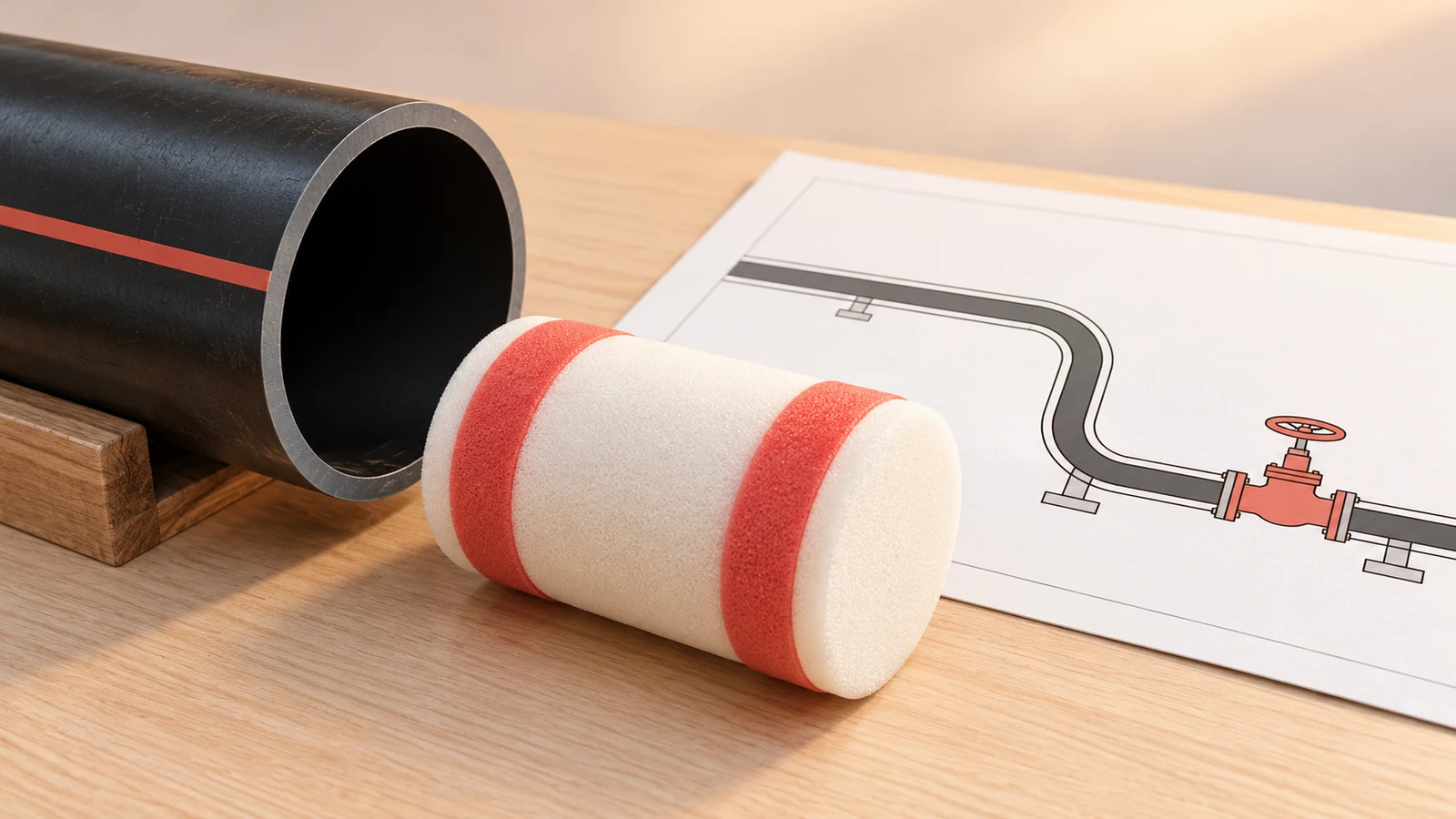
A PE-compatible soft pig can still meet an unverified restriction or an unsuitable exit. For an HDPE water main, confirm the cleaning tool, the smallest actual passage and a workable launch, tracking and recovery plan before proposing a run. Unknown restrictions or missing approved operating limits mean hold before pressurizing. The pipe material alone cannot clear those checks.
This is a pre-cleaning decision guide for utility engineers, maintenance contractors and project buyers. Its result is a documented readiness assessment for a specialist’s plan. It does not prescribe launching steps, pig size, driving pressure or a method for recovering a stuck pig.
Key Takeaways
- PPI specifies soft pigs for PE pipe and excludes scraping finger-type and bucket-type pigs.
- A foam body alone does not approve every coating or cleaning configuration for HDPE.
- Assess the smallest actual passage along the whole route, including valves, transitions and fittings.
- A nominal pipe size cannot establish the bore through every installed component.
- Plan launch, tracking and safe recovery together; an accessible inlet is only part of the route.
- “Ready” here means ready for specialist plan review. Pressurizing requires the actual approved operating procedure.
Separate a PE-compatible pig from a piggable route
Pigging sends a cleaning device through a pipeline, so both the device and its passage matter. The Plastics Pipe Institute’s PE cleaning guidance allows pigging as a cleaning approach and specifies soft pigs for PE. It warns against scraping finger-type and bucket-type pigs because they may severely damage the wall.
Apply that material check before copying a general pigging procedure. A guide covering steel, gas transmission and water systems may discuss brush, scraper, gauging and inspection tools together. Their presence in the same catalog does not make each tool suitable for a polyethylene water main. Define the cleaning objective and get confirmation of the proposed pig’s contact materials and configuration for the actual pipe.
The same caution applies to the word “foam.” A soft body can be supplied with different coatings and cleaning features. Identify the complete tool being proposed rather than approving a material label. If the deposits need more aggressive removal than a confirmed PE-compatible system can provide, return to method selection instead of assuming an abrasive addition is harmless.
Then test a separate proposition: can that approved device travel through this route and be recovered? Compatibility with the wall does not establish passage through a valve or a reducer. Conversely, a clear route does not make an unsuitable scraper safe for PE. Both conditions need support before the cleaning plan advances.
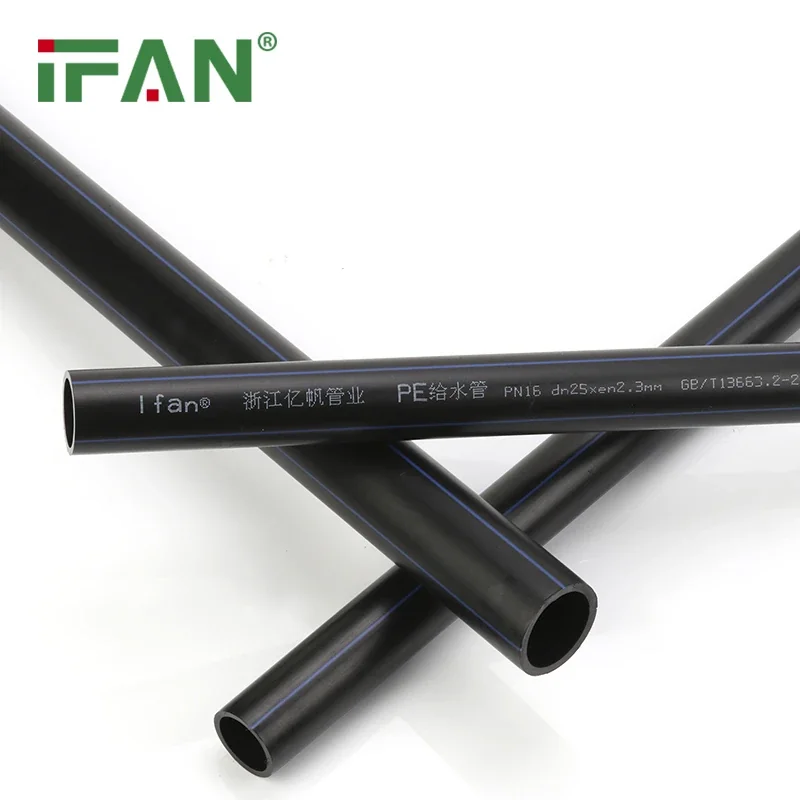
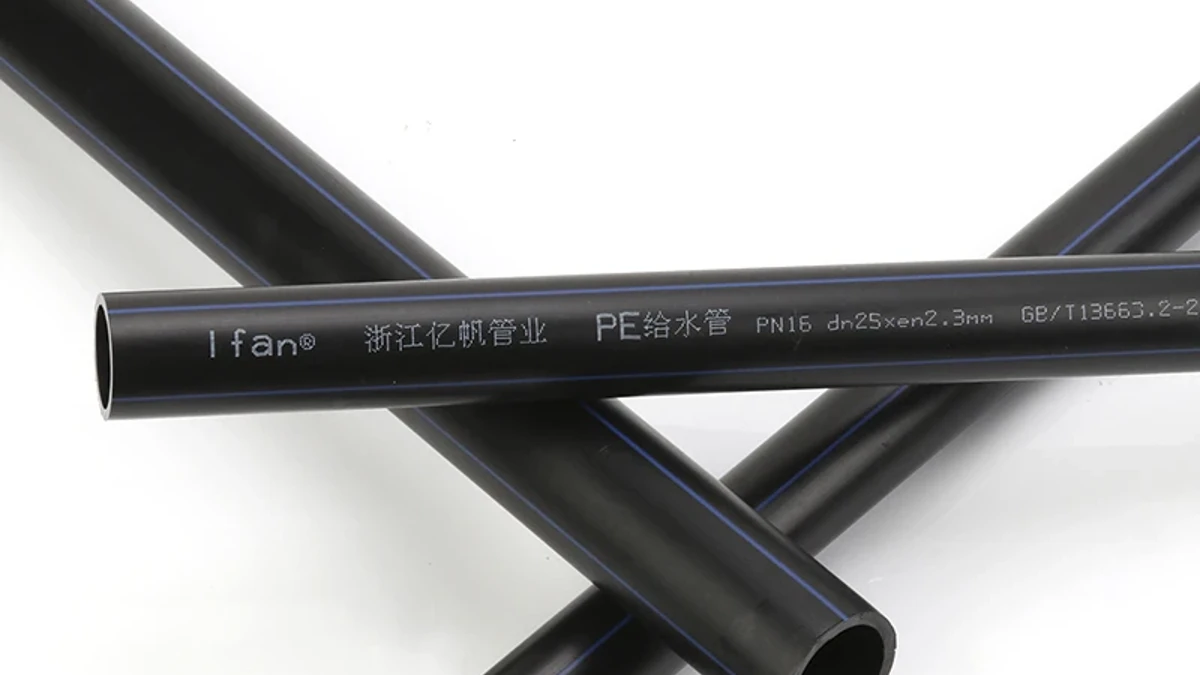
Source and scope
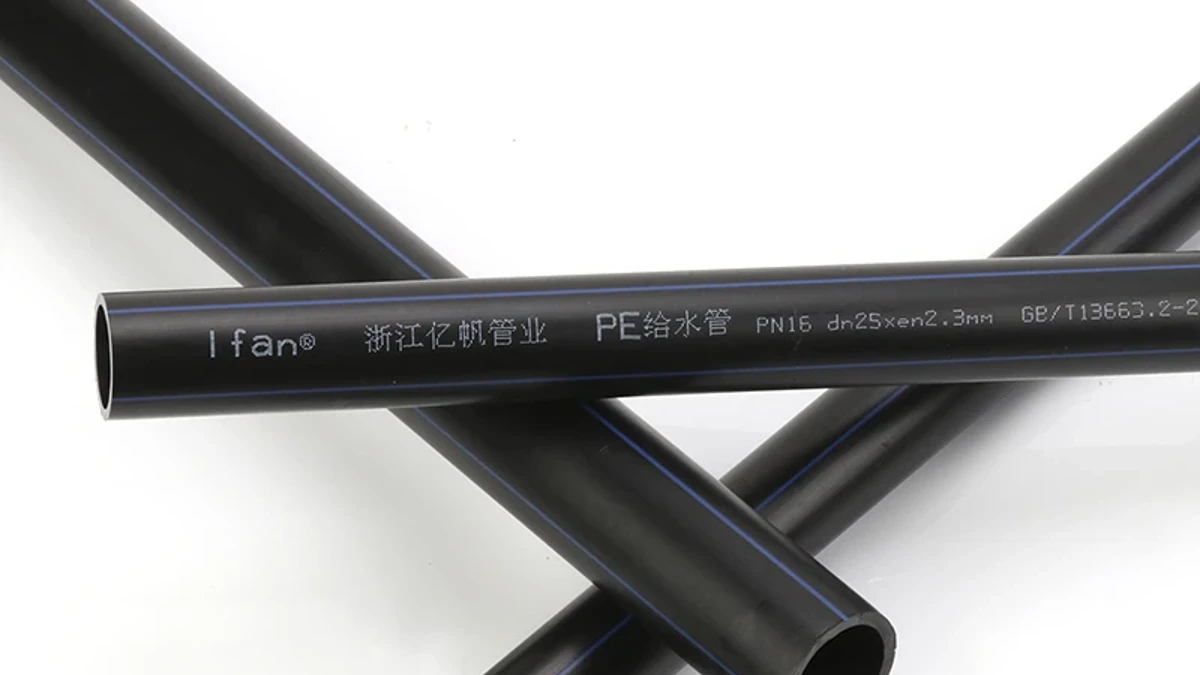
Visible pipe identification context only. The printed PN/dimensions are not this project specification, route survey or pig approval.
Map the smallest actual passage through the line
Begin with the proposed start and finish, then follow the route between them on the as-built information. Mark each size change, bend, branch, valve and transition. Confirm what is actually installed where those details can change the available passage. A line designation or a nominal diameter is not a continuous-bore survey.
Record the pipe’s actual inside diameter alongside its outside diameter and wall specification. For the same outside diameter, a different wall changes the bore. At a valve, use the opening available in the required operating position; at a transition, use the internal geometry rather than the size printed on either connected pipe. The pig specialist needs the route’s controlling restrictions, not just the widest convenient measurement.
Illustrative route comparison, not a field record: assume two mains use the same specified HDPE pipe. The first has a documented route and an accessible recovery point. The second includes a replacement valve whose internal opening has not been confirmed. Copying the first main’s proposed pig into the second is not justified by their matching pipe specifications. The second route stays on hold until the valve passage is established and assessed with the chosen pig.
Now change the valve assumption: its opening is confirmed and acceptable for the proposed system, but an unrecorded reducer appears farther along the route. The hold moves to that reducer. The assessment follows the whole route, so resolving the first restriction cannot clear a different unknown downstream.
Do not turn “size for the tightest restriction” into a universal instruction to order a smaller pig. The specialist must assess both passage and cleaning performance across the changing bore. A device selected from one narrow point still needs to work through the rest of the line. The outcome may be a qualified pig configuration, a revised cleaning section or another method.
Fusion beads also belong in the route information where relevant. Recording them is different from instructing a crew to remove them. Pigging readiness does not authorize a change to the fusion joint; any removal proposal needs the applicable pipe and joint procedure assessed by the project team.
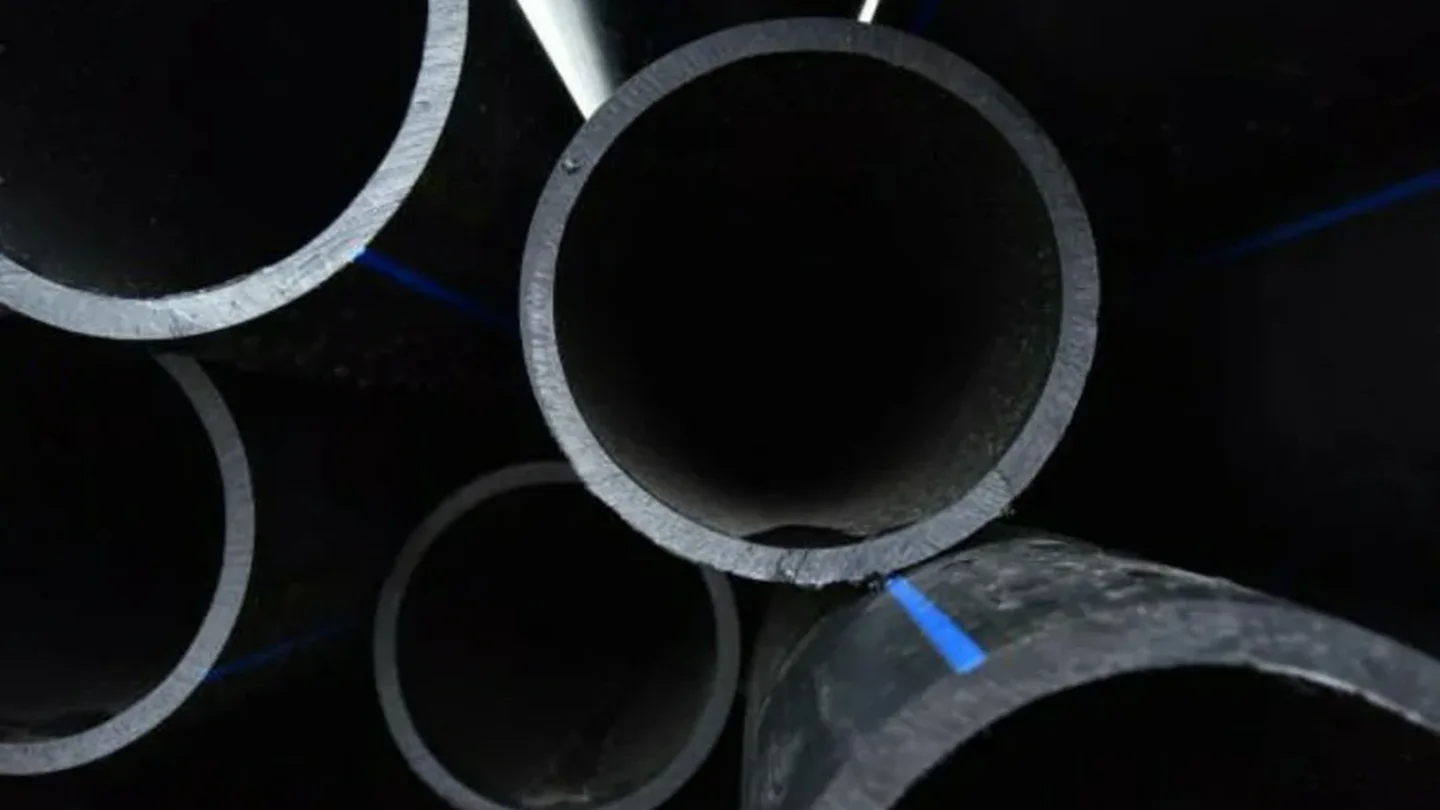
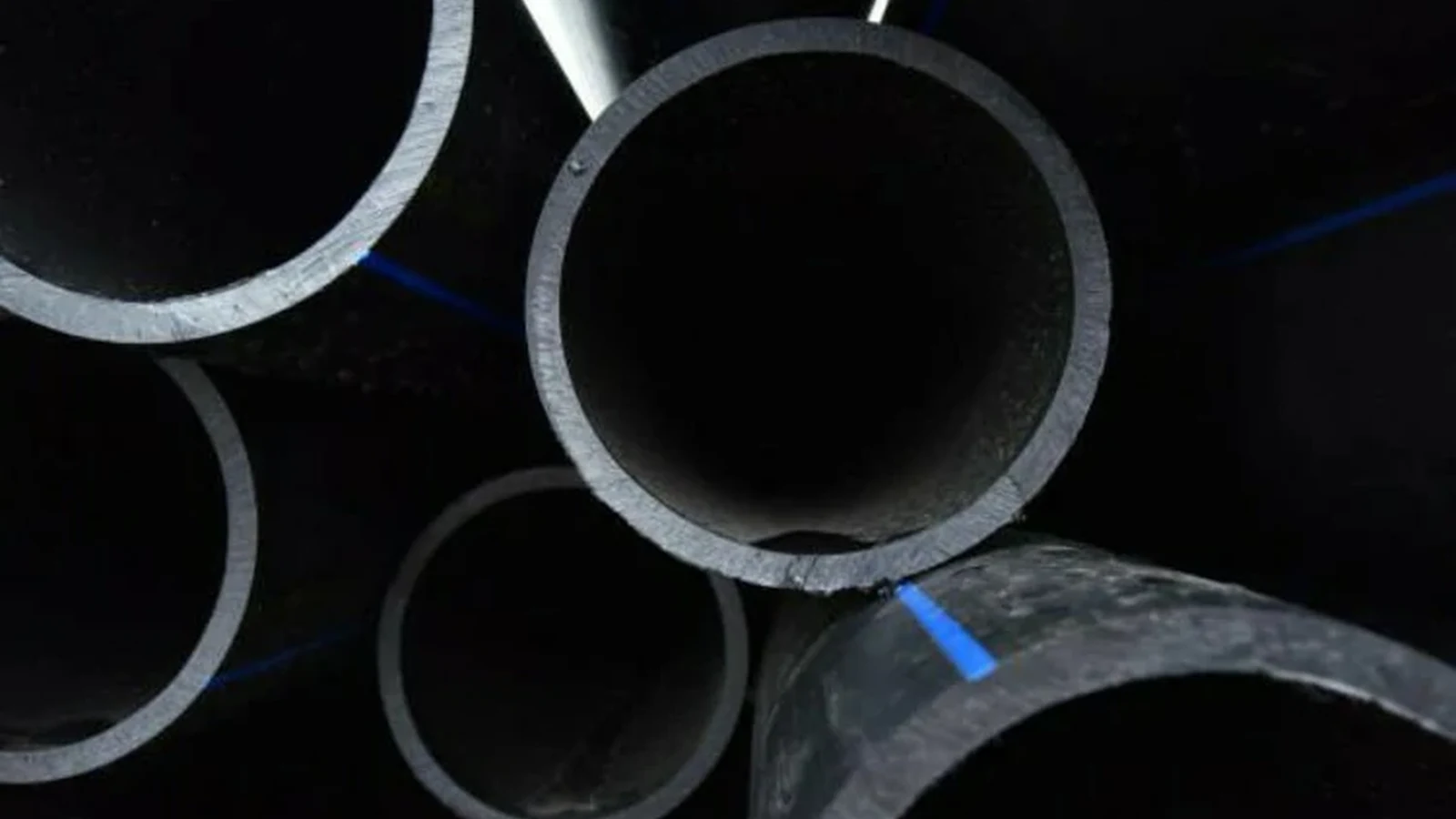
Source and scope
Pipe-end appearance only. No measured minimum bore, ovality result, pig size or successful trial inferred.
Decide ready, hold or use another cleaning approach
Use the following decision before a cleaning run is scheduled. “Ready” means that the information is sufficient for specialist plan review. It is not authorization to load a launcher or apply pressure.
| Condition found | Verdict | What changes the result |
|---|---|---|
| A scraping finger-type or bucket-type pig is proposed for PE. | No-go for that tool. | Select a confirmed PE-compatible cleaning system; then assess the route. |
| Pig compatibility is established, but a valve, bend or bore restriction is unknown. | Hold the route decision. | Obtain the missing geometry and have the specialist assess passage with the actual pig. |
| The route is documented, but launch, tracking or safe recovery is unresolved. | Hold the run. | Complete those arrangements, including the response to a pig that does not arrive. |
| The tool, route, debris and access are documented, with operating constraints identified. | Ready for specialist plan review. | Obtain the approved procedure and operating limits before pressurizing. |
| A proposed pig cannot be qualified for the route or deposit. | Reassess the method. | Review sectioning, access changes or another approved cleaning approach; do not improvise a pressure increase. |
Basis: PPI’s PE-specific cleaning guidance and the route/input distinctions in Royal Poly Products’ pig-selection guide. Generic vendor sizing and bend-radius values are not adopted here as PE limits.
PPI also identifies water-jet cleaning as a possible method for pressure piping. That provides an alternative to evaluate, not an automatic fallback for every unverified pigging route. Compare the cleaning objective, access and deposit condition with the proposed method’s requirements. If a necessary condition remains unknown, the result remains hold.
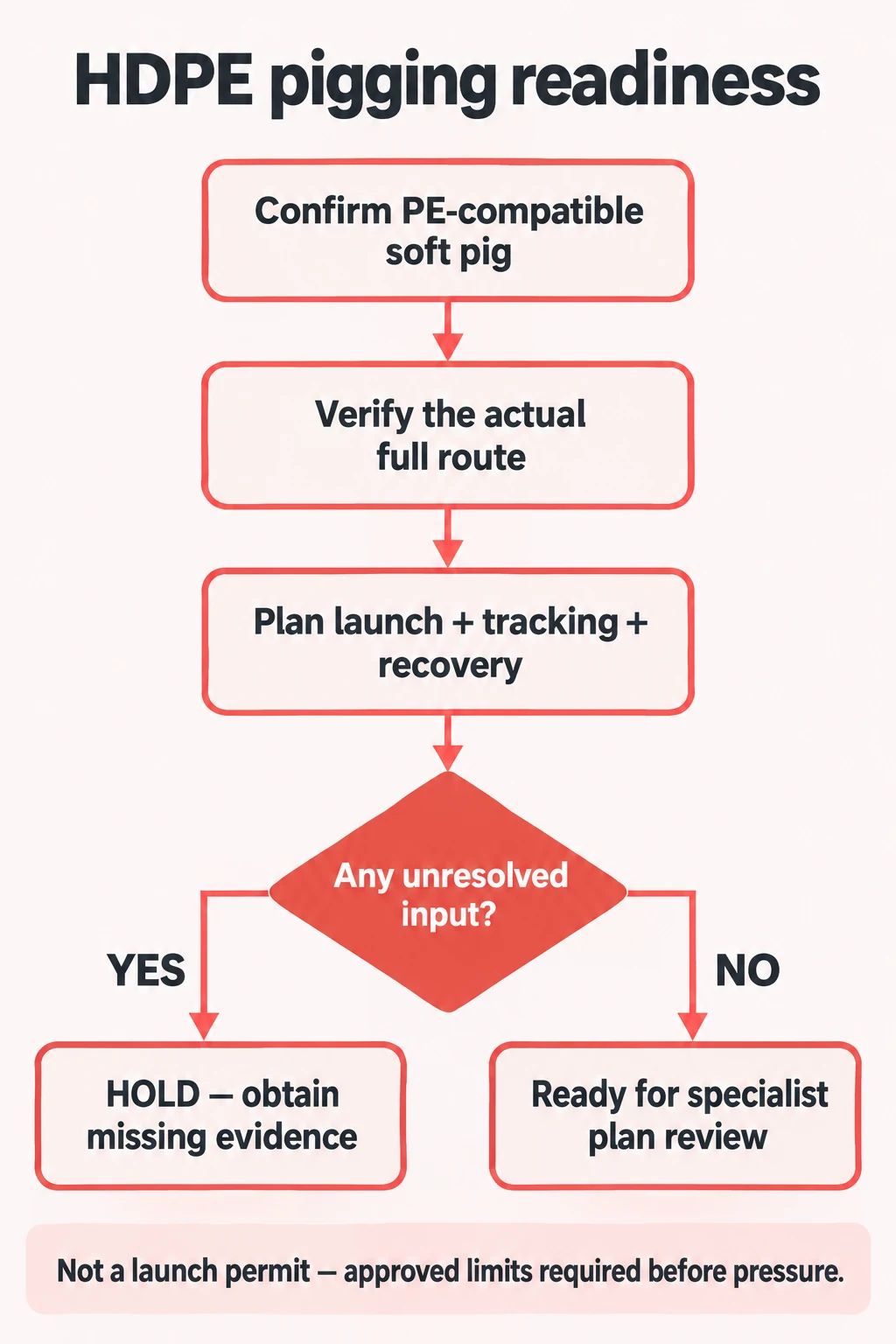
Read the planning flow
- Confirm PE-compatible soft pig
- Verify the actual full route
- Plan launch + tracking + recovery
- Any unresolved input?
- HOLD — obtain missing evidence
- Ready for specialist plan review
YES: hold and obtain the missing evidence. NO: advance to specialist plan review; approved operating limits remain necessary before pressure.
Build the specialist cleaning-plan input sheet
A useful enquiry is a route package, not a request for “one pig for an HDPE main.” Assemble the following fields before asking a specialist to select equipment or prepare the operating method. For each unknown, identify who will obtain it and what decision it is preventing.
| Information | Decision it supports | If missing |
|---|---|---|
| Pipe material, service, OD, wall/SDR and actual IDs | Wall compatibility and the range of available passages. | Hold tool selection until the installed pipe is identified. |
| Route length, bends, reducers, branches, valves and relevant joint details | Passage, possible misdirection and the section to be cleaned. | Verify the unknown component before declaring the route ready. |
| Cleaning objective, deposit type, likely burden and previous cleaning history | Whether the proposed PE-compatible method can address the task. | Investigate the condition; do not assume an aggressive tool is necessary. |
| Isolation, water supply, allowable operating conditions and responsible operator | Whether a controllable run can be planned within the system’s limits. | No pressurizing until the approved method defines those limits. |
| Launch and receiving arrangements, tracking and recovery access | Getting the pig into and safely out of the intended section. | Resolve the exit and non-arrival response before a run is scheduled. |
| Debris collection, cleaning acceptance and handover requirements | A defined completion result rather than merely a pig emerging. | Agree the evidence and receiving arrangements before execution. |
Planning synthesis from PPI and the specialist manufacturer’s input categories. Actual limits and acceptance conditions are project-specific.
The recovery field deserves its own review. In Montauk Services’ account of cleaning Toronto HDPE raw-water intakes, the scope included launcher design, internal inspection, tracking and retrieval. One pig did not emerge as expected; it was later located at the intake mouth and recovered with marine assistance. This is an attributed contractor example, not an IFANPRO operation or a template for another site.
The planning lesson is specific: define the exit as carefully as the entry, and decide how the team will establish where a non-arriving pig is before selecting a response. “There is an open end” does not describe the access, receiving arrangement or recovery constraints.
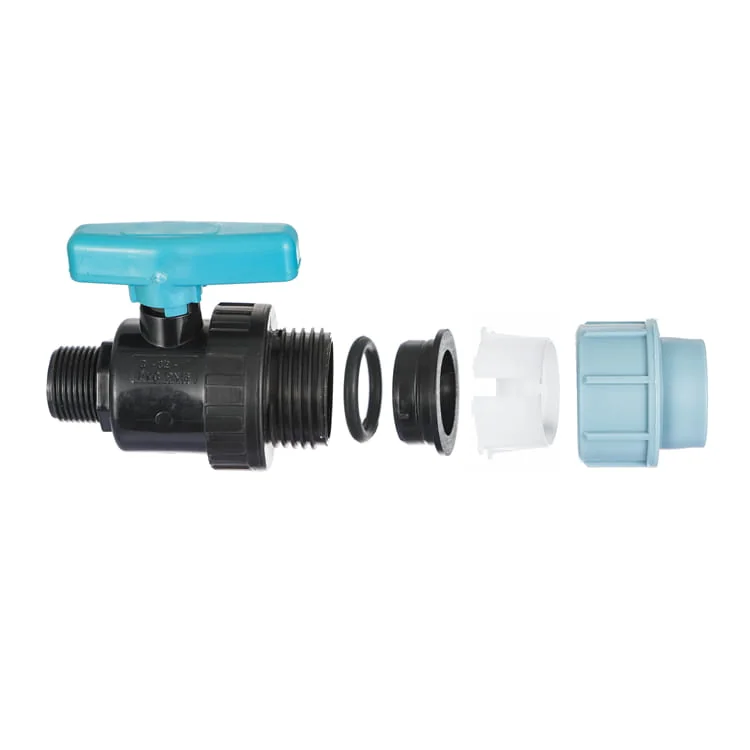
Source and scope
Catalogue component context. No full-bore claim, water-main size, pig compatibility or suitability for the route is asserted.
Keep cleaning approval separate from return to service
A completed readiness sheet is not a cleaning record. A cleaning record is not, by itself, permission to place a potable-water main into service. Keep the proposed method, evidence of completed cleaning and the operating authority’s required commissioning or maintenance handover as separate items. This guide does not replace its disinfection, sampling or return-to-service requirements.
For a new pipe or fitting enquiry, preserve the actual bore and interface requirements alongside the material and wall specification. Review the HDPE pipe and fittings category, then first verify availability of the specific product required by the design. A category name does not confirm a piggable assembly, a particular model or a field-cleaning service.
For contractors and project procurement teams preparing an HDPE pipe specification: retain the actual bore and connection requirements when checking availability.
Conclusión
Confirm the PE-compatible cleaning system, trace the full internal route and close the launch, tracking and recovery questions. Put the results into the specialist input sheet. Where a controlling fact is unknown, hold the relevant decision and obtain it. Advance to an approved operating plan only when those checks agree; do not use a trial pressure increase to answer a planning question.
Frequently Asked Questions
Can HDPE water mains be pigged?
Yes, with a suitable PE-compatible soft-pig system and an assessed route. Material compatibility alone does not confirm passage, operating conditions or safe recovery.
Can a generic pipe-size label determine the pig size?
No. Confirm actual internal diameters and restrictions through the pipe, valves and fittings. A specialist must assess the proposed pig across the entire route rather than select it from one nominal size.
Are scraping pigs suitable for PE?
PPI excludes scraping finger-type and bucket-type pigs because they may severely damage PE. Confirm the complete proposed pig configuration for the actual pipe; a foam body is not blanket approval for every cleaning feature.
What if a valve opening or recovery point is unknown?
Hold the run before pressurizing. Establish the missing geometry or recovery arrangement, then have it assessed with the proposed pig and operating plan. Do not replace that assessment with a guessed smaller pig.






 Español
 English
 Français
 Русский
Comentarios recientes