
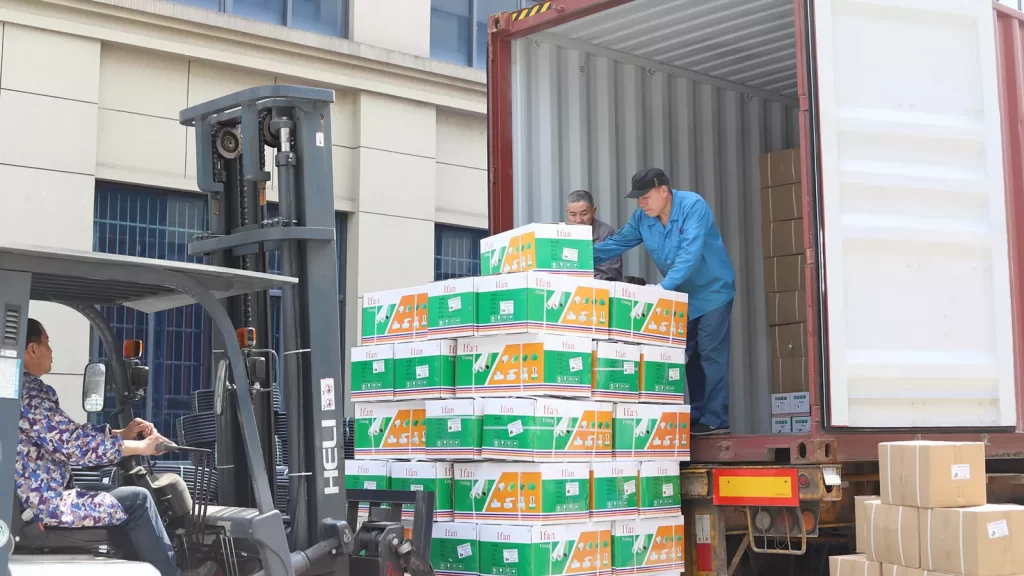
Importing pipe incoterms packaging decisions usually get made in the wrong order. The Incoterm is negotiated first, the packing is left to the factory, and the importer only connects the two when a container arrives with an oval coil where a round one left the port. By then the question is not how to prevent the damage but who pays for it, and the answer was fixed the day the purchase order was signed.
The awkward fact is that under the two most common sea terms, FOB and CIF, risk passes to the buyer when the pipe is loaded on board the vessel at the Chinese port. The handling that actually bends pipe, though, happens during stuffing, at transshipment cranes, and at discharge. That gap between the legal risk line and the physical handling is where claims are won or lost, and packaging is the main lever a buyer controls on both sides of it.

Key Takeaways
- FOB and CIF both pass risk on board the vessel. Under Incoterms 2020, damage during the ocean leg, discharge and onward trucking is the buyer’s side of the line under either term.
- CIF insurance is minimum cover by default. The seller owes Institute Cargo Clauses (C), a named-peril list of major casualties; ovality and crushed bundles are not named perils.
- CIF insurance must cover at least the contract price plus 10%. Buyers who want handling damage protected negotiate Institute Cargo Clauses (A) before the contract is signed.
- Container geometry sets the pipe limits. A 40 ft interior runs roughly 12.03 m long and 2.35 m wide, with a door opening around 2.34 m; coils and straight lengths must fit those numbers.
- End caps on both ends of each length are cheap insurance. They keep dirt, standing water and impact damage out of open pipe through repeated handlings.
- Claim evidence starts before the doors open. Photograph the container number and seal first; where Hague-Visby-based law applies, non-apparent damage is commonly notified within three days of delivery.
Why Pipe Cargo Fails Its Own Way
Pipe is awkward cargo because it is hollow. A container full of PPR bundles or PEX coils usually fills its volume long before it reaches its weight allowance. The shipment behaves like light, oversized freight even when the invoice says several tons. That changes how the cargo moves through the supply chain: long pieces get lifted, dragged and re-stacked at each handoff, and hollow tubes do not forgive point loads the way boxed goods do.
The Handling Moments That Bend Pipe
Deformation is a handling event, not a sea event. The moments that physically damage pipe are stuffing at the factory, crane lifts at a transshipment port, forklift work at discharge, and the final trucking. Calm water does not oval a coil; a sling through the middle of one does. That matters because those handling moments sit on different sides of the Incoterm risk line, which is exactly what the next section maps out.
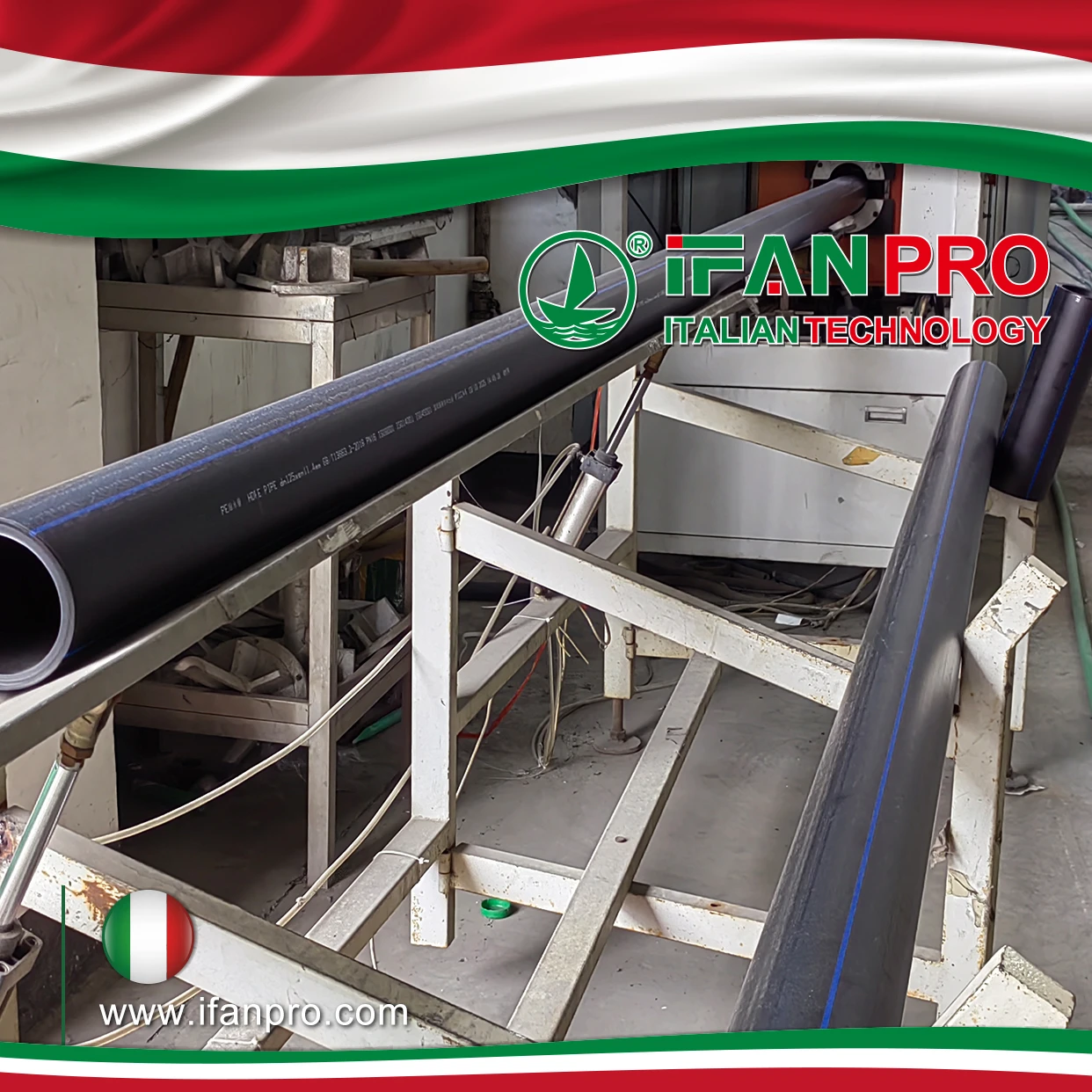
The recurring failure modes on pipe containers are a short list:
- Coil deformation and ovality: PEX or HDPE coils stacked too high or strapped through the middle lose their round cross-section.
- Crushed bottom bundles: rigid PPR or PVC bundles at the bottom of a stack carry the whole column above them.
- Lost end caps: caps work loose during lifting, leaving open ends to collect dirt, standing water and impact damage.
- Strap scuffing: steel or plastic straps cut into pipe walls and printed surfaces where no corner protection sits underneath.
- Heat build-up inside the box: a closed container in a hot port can soften outer wraps and stress coil edges.
An oval coil is not a cosmetic defect. A deformed end will not sit square in an uncoiler or feed cleanly through fusion and bending equipment, so the warehouse discovers the problem at the worst possible moment, mid-job. That is why the claim conversation has to start with packaging, not with blame.
PPR and PVC over-stacking adds a second failure mode that looks innocent at loading. Rigid pipe tolerates a stack only up to what its wall class allows, and the tolerance is not uniform. The bottom rows of a tall stack carry the whole column. Warm container temperatures soften the material enough to let slow deformation set in during the sailing. By discharge, the lower bundles hold an oval cross-section that no single handling event explains. Surveyors see this pattern often, and it is exactly the pattern insurers describe as packing-related, which sends the claim back to the spec in the purchase order instead of out to a carrier.
The quiet damage is the kind nobody photographs at origin. Point loads from a forklift arm, a strap pulled tight against a coil edge, or a bundle dropped a short distance onto a yard apron can leave the outside looking fine. Meanwhile the wall is stressed, scratched or slightly oval. Those defects surface weeks later as fitting failures, fusion joints that will not seat, or coils that refuse to feed. Because the visible container arrived intact, the claim file needs origin photos and a packing spec to establish when and how the damage happened. The buyer who skipped both has nothing to negotiate with.
Incoterms Decide Who Eats Pipe Damage
Where the Risk Line Actually Cuts
Under Incoterms 2020, FOB passes risk to the buyer when the goods are on board the vessel at the named port of shipment. CIF works the same way for risk: the pipe becomes the buyer’s problem once it is on board, even though the seller keeps paying ocean freight and insurance through to the destination port. Both are sea-freight terms, which is why they dominate pipe trade contracts out of China.
The practical reading for an importer is blunt. Damage during stuffing at the factory sits with the seller under FOB and CIF. Damage during the ocean leg, at discharge, or on the delivery truck to the warehouse sits with the buyer under both terms. DAP pushes the seller’s risk further, to the named place of destination, but the buyer still unloads, and unloading is one of the moments pipe gets hurt.
The CIF Insurance Trap Explained
CIF looks safer than FOB because the seller arranges insurance, but the default cover is Institute Cargo Clauses (C). That clause set is a named-peril list built around major casualties. They include fire or explosion, the vessel stranding, grounding, sinking or capsizing, a land conveyance overturning, collision, discharge at a port of distress, general average sacrifice and jettison. Ovality from stacking and crushed bundles are handling damage, and handling damage is not on that list. Standard cargo clauses also tend to exclude loss caused by insufficient packing, which points the finger straight back at the packaging spec in your purchase order.
Incoterms 2020 requires the CIF seller to insure at least the contract price plus 10%, and the parties can agree on higher cover. The clean fix is to negotiate Institute Cargo Clauses (A) into the contract before signing, or to buy FOB and arrange your own policy. Under CIP, the 2020 rules already require the higher Clause A level by default.
The claim routing follows the risk line mechanically. A deformed coil found at discharge under CIF goes to the insurer the seller arranged. That policy covers the named perils in Clause C and nothing else. A handling claim there usually ends in a declination letter citing either the peril list or the packing exclusion. The same coil under FOB goes to the buyer’s own policy, which a wholesaler can write at Clause A and tune with the deductibles and extensions its trade actually needs. The seller is not a claims desk in either case: once risk has passed on board, the commercial relationship gives the buyer leverage for goodwill on origin-side defects, but no obligation.
Put numbers around the gap before choosing on price alone. The premium difference between Clause C and Clause A cover on a pipe container is small relative to the cargo value. A single oval coil or crushed bundle tier, by contrast, can run into thousands of dollars of unusable stock plus the sorting labor to separate it. Importers who let the supplier default to CIF (C) because the term looked cheaper are effectively self-insuring the most common damage class, without setting aside any money for it. That is a decision worth making deliberately, not by omission, and it belongs in the same negotiation paragraph as the packing spec because both decide who eats the same damage.
| Failure Mode | FOB | CIF | DAP |
|---|---|---|---|
| Deformed coil from stuffing | Seller’s side if damage predates loading; buyer must prove origin | Same as FOB; ICC(C) cover rarely helps | Seller carries risk further, so claim starts with the seller |
| Crushed bundle at discharge | Buyer’s claim against carrier or own insurer | Buyer’s claim; ICC(C) names no crushing peril | Seller’s risk until placed at destination |
| Lost end caps in transit | Buyer absorbs unless packing breach is proven | Same; packing exclusions can bite both ways | Seller answers for goods condition on arrival |
| Dirt and water in open ends | Buyer’s loss; caps are a PO spec, not a claim | Same as FOB | Grounds to reject or discount at handover |
One more cost follows the same logic. Storage and demurrage-type charges at the destination port accrue to the party taking delivery there; under FOB and CIF that is the buyer’s side. Incoterms allocate who bears those costs, while the shipping line and the port set the actual tariff, so the defense is operational: clean documents and cargo the warehouse can move quickly. If you want the full responsibility split for EXW, FCA, FOB, CIF and DAP line by line, the companion piece on pipe wholesale B2B terms keeps that table current.
Coils Versus Straight Lengths in Containers
Reading the Container Around the Coil
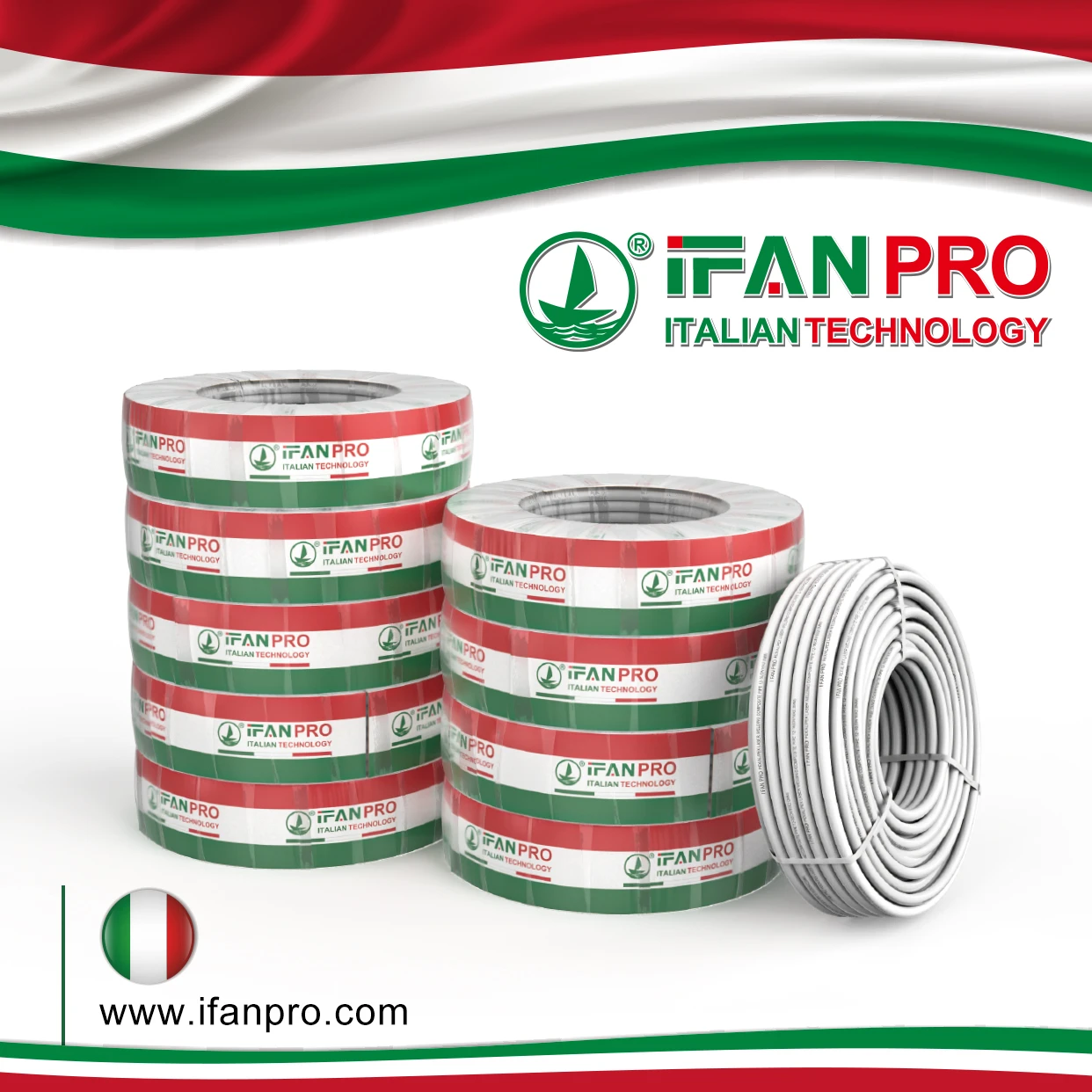
PEX and smaller HDPE diameters travel as coils, and the container decides what fits. Interior width is roughly 2.35 m and the door opening about 2.34 m, so a coil’s outside diameter has to clear the door with handling room to spare. Straight lengths face a different limit: a 20 ft box takes pieces up to roughly 5.9 m, while a 40 ft interior runs about 12.0 m. Any pipe longer than the box gets cut, coiled, or left behind, which is why diameter and length belong in the packing conversation before the order is confirmed.
| Недвижимость | Coils (PEX, small HDPE) | Straight Bundles (PPR, PVC) |
|---|---|---|
| Freight efficiency | High; long meterage per pallet space | Limited by container length |
| Main damage risk | Ovality and kinks from stacking or strapping | Crushing of bottom bundles under load |
| Protection practice | Flat stacking, few layers, dunnage between | Capped ends, supported bundles, level stack |
| Claim evidence | Measure ovality against nominal OD | Wide shots of crushed layers in place |
The trade is real in both directions. Coils pack more meters into the same freight and arrive ready for underfloor heating loops and long runs, but a coil strapped hard through its middle can arrive visibly oval. Straight lengths protect roundness and make warehouse counting simple, yet anything over the container’s interior length wastes the space above it. Specify the form deliberately: max coil diameter, stacking practice with dunnage between layers, and no-hook handling are the three lines that keep coils round.
The math that decides between them is freight per meter, not price per meter. A coil uses the container’s volume as usable space: layers stack flat with separation, and the meters per box climb fast as diameter shrinks. Straight lengths turn the same box into a long, half-empty tunnel, because the pipe occupies the floor plane and the air above it sails along paid for. On underfloor heating and plumbing runs where coiled stock installs without couplers, the coil usually wins on landed cost per meter and on installer time. Where the market sells cut lengths over the counter, straight stock arrives retail-ready and counts cleanly at receiving, which has a warehouse value the freight rate sheet does not show.
Mixed containers make the choice concrete. A 40 ft box carrying HDPE coils on the floor with straight PPR bundles laid over them can out-earn either loading alone. But only if the loading plan says so in writing: coil stack height, weight distribution across the floor, and which bundles bear weight versus ride on top. The loading plan is also the stuffing photo checklist, because the same document that planned the stow tells the surveyor what was agreed. Importers who leave the stow to whoever holds the forklift at origin get one decided by whoever holds it, and that decision optimizes for speed of stuffing, not for what arrives.
Packaging Specs That Survive Transshipment
Packaging is the one part of this equation the buyer controls completely, because it lives in the purchase order. A container that changes ships once or twice gets lifted, set down and re-secured at each step, so export packing has to survive handlings, not just the sailing. The factories that pack well treat bundling, end caps and stacking as a system; the spec block below is the version an importer can hold a supplier to.
Bundling and End Caps That Hold
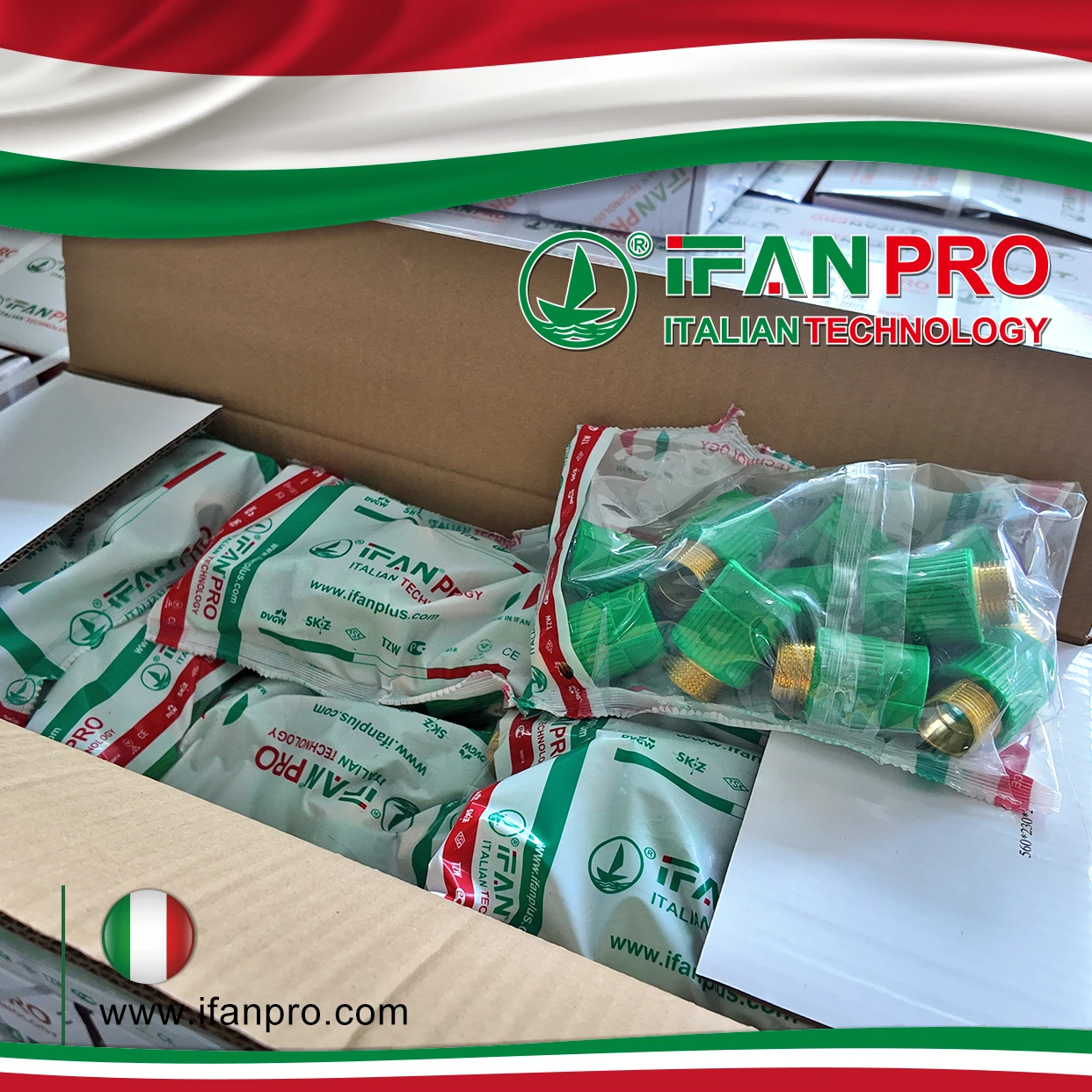
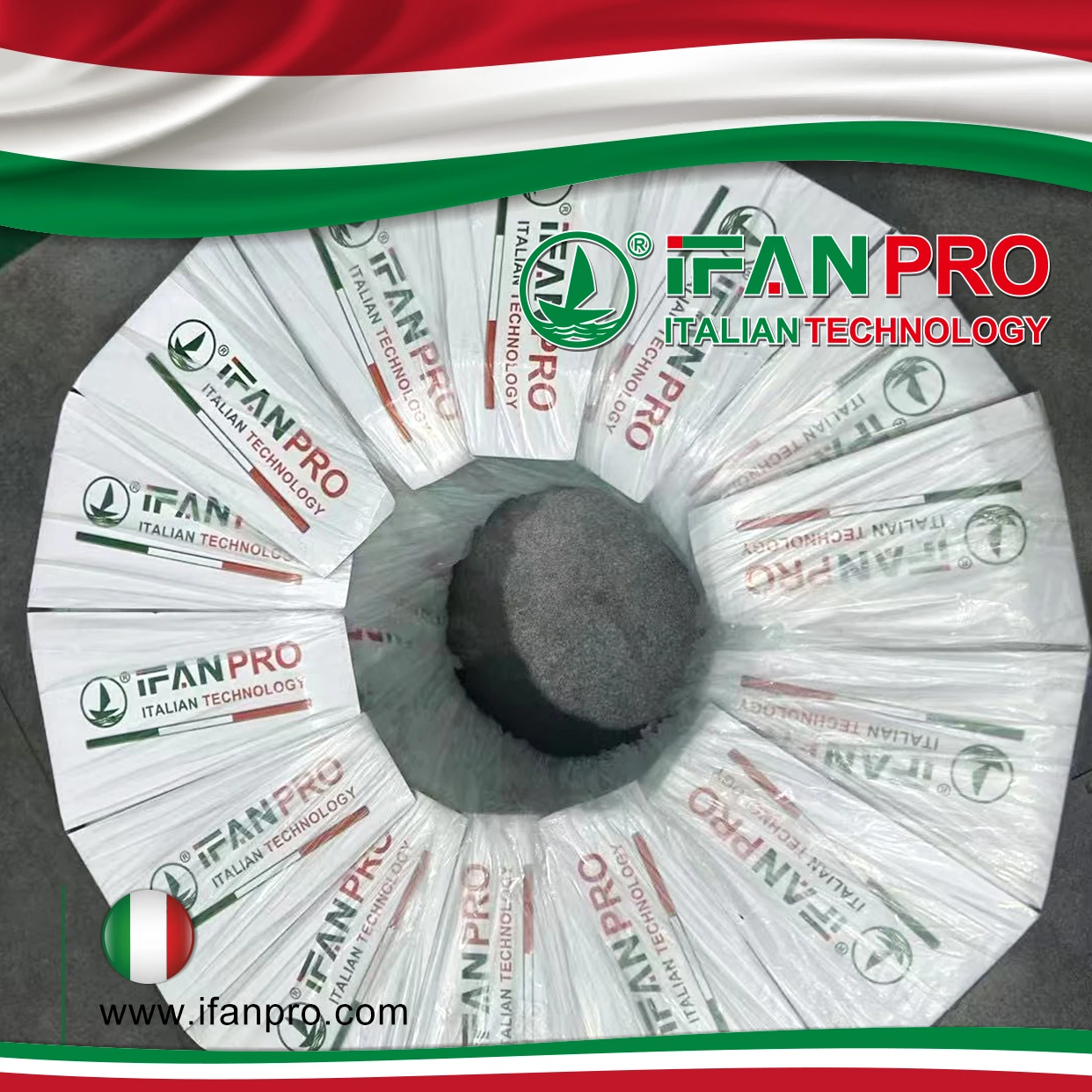
Bundles should be tight enough to move as one piece, with strap material chosen for the pipe. Plastic strapping suits most PPR and PVC work. Steel belongs only where strength demands it, with corner protection underneath so the strap does not bite the wall. End caps belong on both ends of each length. Open ends collect dirt and standing water at a transshipment yard, and an uncapped socket edge is the first thing a forklift finds. Fittings that ride along in cartons deserve the same discipline as the pipe. Right-sized double-wall boxes, with board rated around 44 ECT rather than the lighter 32 ECT grade, keep a mixed container from arriving as loose parts.

Stacking is where good packing quietly pays. The bottom bundle in a rigid-pipe stack carries the whole column, so stacks need to stay within what the pipe class tolerates and sit on a level base with dunnage between layers. Coils stack flat with separation between layers rather than nested under weight. None of this requires exotic material; it requires the spec being written down before stuffing, because a packing decision discovered at discharge is already a claim.
The detail worth spelling out is how each element survives a transshipment lift rather than a single tidy warehouse. End caps work only if they stay seated through handling; a cap sized loose shakes off at the first crane lift and protects nothing. Bundles work only if the strap count and spacing match the bundle length, so the middle cannot sag or whip when a sling takes the full weight. Outer wrap on coils works only if it is tensioned to hold without crushing the edge. These are factory-floor decisions, and the PO line is what pulls them into the contract instead of leaving them to habit.
Treat stuffing as the last quality gate the buyer can inspect cheaply. Photos of the finished bundles before they enter the box, of each layer as the stow builds, and of the sealed doors with the seal number readable cost almost nothing at origin. They also become the baseline the claim section relies on. A supplier confident in its packing welcomes the photo step, because the same pictures also defend the factory against claims for damage that happened after handover. Where the supplier resists, that resistance is itself useful procurement information: it usually means the packing varies by shift, which is exactly the risk the spec is supposed to remove.
| PO Line | Write This | Why It Protects You |
|---|---|---|
| Bundling | Secure bundles, corner protection under straps, no direct steel-on-pipe contact | Prevents strap scuffing and wall cuts |
| End protection | Caps on both ends of each length, fitted to stay on through handlings | Keeps dirt, water and impact out of bores |
| Stacking | Level base, dunnage between layers, stacks within the pipe class tolerance | Stops ovality and bottom-bundle crushing |
| Coils | Flat stacking, limited layers, no strapping through unprotected coil middle | Protects roundness and uncoiling behavior |
| Records | Stuffing photos per container, shared before sailing | Gives the claim an origin-side baseline |
Send this block with the order and ask the supplier to confirm the packing layout in writing. The pipe mix decides the actual layout, which is the conversation the product catalog is built to have. If you are planning a mixed container of PPR, PEX, HDPE or PVC, browse the pipe and fittings range and tell the packing desk what you are loading.
Marking Cartons So Warehouses Pick Faster
Picking Without Opening the Box
Marking is packaging’s quiet half, and the warehouse feels it daily. The working rule is simple. The pick team should be able to identify size, pressure class, material, color, piece count and PO number from the outside of the carton or the bundle tag, without slitting anything. A warehouse that has to open boxes to identify SKUs pays for the mistake twice, in re-sort labor and in damaged retail packaging that lowers the resale value of the goods.
The mark layout earns its keep on two dimensions that pipe buyers care about: size and pressure class. Two cartons of PPR pipe can look identical from outside while carrying different diameters or PN ratings, and a pick error between them reaches the job site before anyone notices. Printing diameter, pressure class and piece count large, on the same face, in the same position on every carton turns receiving into a scan instead of an investigation. Bundle tags on pipe work the same way: one weather-resistant tag per bundle with the same three data points keeps the yard honest even after rain and handling. The format costs the supplier nothing at print time and pays back on every container received, which makes it among the most cost-effective spec lines in the whole PO.
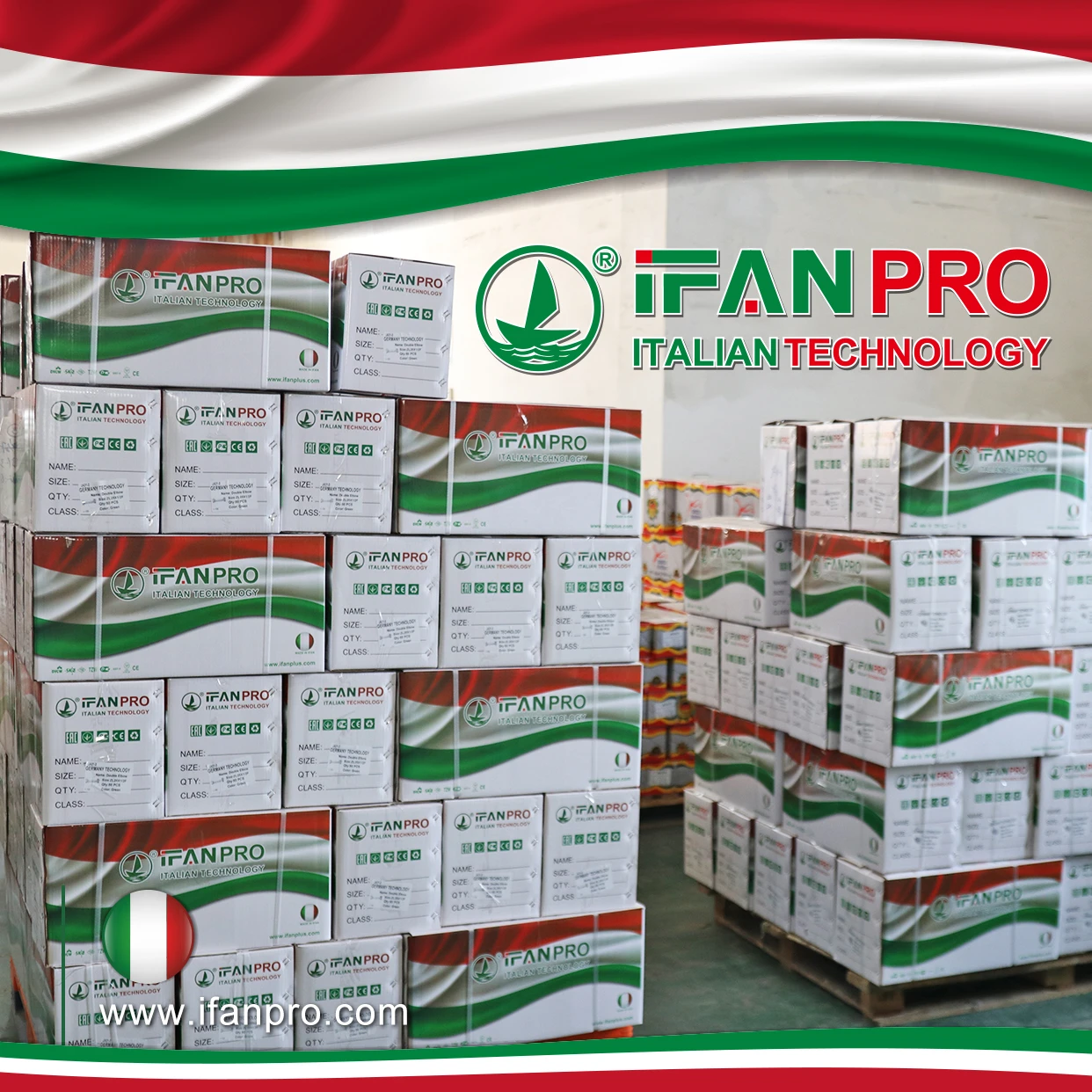
The forwarder needs a different set of marks to move the cargo without calling you. That set includes the consignee mark, destination port, bundle or carton numbering in an “x of y” sequence, gross and net weights, and country of origin. Market-specific requirements exist too. Some destinations expect bilingual labels. IFAN’s custom packaging desk produces labels with barcodes, specifications and batch numbers, bilingual printing, and QR codes that point to installation documents. Quotations typically land inside 48 hours, with turnaround as quick as 15 business days.
Treat the marking format as part of the PO, not an afterthought. Wrong-SKU surprises are one of the most expensive ways to discover a labeling gap, because the container has already sailed by the time the warehouse finds them. Agree the mark layout, send one approved photo before mass printing, and keep the format identical across repeat orders so your pick team does not have to relearn the stack.
Filing Damage Claims Surveyors Will Accept
When a container arrives wrong, the first hours decide the claim. Surveyors work from evidence, and evidence decays fast: a container gets devanned, cargo gets moved, and photos taken after re-stacking prove very little. The procedure below is the difference between a claim that gets assessed and one that dies of missing proof.
The deadlines are short and they are written into the transport conventions, not the goodwill of the carrier. Under the Hague-Visby Rules, damage that is apparent must be noted in writing at delivery. Damage that is not apparent must be notified in writing within three days of delivery. The convention text is public, and the three-day window is real. Miss the window and the delivery becomes prima facie evidence that the cargo arrived as described, which is a position no importer wants to argue out of. On top of the notice, the claimant has a duty to mitigate: keep the damaged cargo separated, protect it from further loss, and let the surveyor see it before disposal. Throwing damaged pipe into the scrap skip on day one is understandable, and it is also how claims die.
The First Hours After Arrival
Work the steps in order, before the warehouse gets impatient:
- Photograph the container number and seal before opening. This fixes which box and which seal condition the cargo arrived in.
- Shoot damage in place before discharge completes. Once bundles are moved, the surveyor cannot reconstruct how they fell.
- Measure coil ovality against nominal OD. A tape across the deformed section turns a complaint into a number.
- Take wide shots and close-ups together. Wide shots show the stack; close-ups show straps, caps and wall damage.
- Give written notice promptly. Where Hague-Visby-based law applies, non-apparent damage is commonly notified within three days of delivery; check your bill of lading terms.
- File with the document pack assembled. Partial files invite delays and discount offers; the documents and freight FAQ covers what belongs in the pack.
The Document Pack Surveyors Expect
| Evidence | Why the Surveyor Needs It |
|---|---|
| Container number and seal photos | Proves which shipment and seal state arrived |
| Damage-in-place photos | Shows how cargo was positioned when found |
| Ovality measurements | Quantifies deformation beyond visual opinion |
| Invoice, packing list, bill of lading | Establishes value and contract of carriage |
| Insurance certificate and survey report | Triggers cover and formal assessment |
| Stuffing photos from origin | Baseline showing how the cargo left the factory |
The best claim is the one you avoid filing. Agree the packaging spec before stuffing, get stuffing photos as the origin baseline, and keep the marking complete so customs documents and warehouse picking do not stall at the box. Sea transit typically runs 30 to 50 days from China to most ports. A container that clears fast and picks fast is also a container less likely to burn its free days. Prevention is a packing decision; the claim is just its receipt.
Frequently Asked Questions
Is FOB or CIF better for pipe imports?
FOB gives the buyer control of freight and insurance, which suits importers who want their own cover for handling damage. CIF adds seller-paid freight but ships with minimum Institute Cargo Clauses (C) insurance, which rarely helps with deformed or crushed pipe.
Does CIF insurance cover crushed or deformed pipe?
Rarely in practice. CIF’s default Institute Cargo Clauses (C) cover is a named list of major casualties, and ovality or crushing from handling is not on it. Negotiate Clause A cover or buy FOB with your own policy.
How are PEX pipes shipped in containers?
PEX travels in coils whose outside diameter must clear the container door, roughly 2.34 m wide. Coils stack flat with limited layers and dunnage between, strapped without crushing the wrap, so they arrive round.
What should shipping marks on pipe cartons include?
Size, pressure class, material, color, piece count and PO number per carton so the warehouse picks without opening boxes, plus consignee, destination port, bundle numbering, weights and origin for the forwarder.
How do I claim for pipe damage after arrival?
Photograph the container number and seal before opening, shoot damage in place, measure coil ovality, and notify the carrier in writing, commonly within three days for hidden damage. File with the invoice, packing list, bill of lading and insurance certificate.
Заключение
Damage on a pipe import is settled by three decisions made before the container sails. The Incoterm fixes who owns the risk. The packaging spec keeps the cargo whole. The evidence discipline turns an arrival photo into a paid claim. Get those right and the worst outcome is a discount negotiation instead of a write-off.
- Choose the Incoterm by who controls the insurance. FOB plus your own Clause A policy protects handling damage better than default CIF cover.
- Write the packing spec into the PO. Bundling, end caps on both ends, stacking practice and stuffing photos are contract lines, not favors.
- Mark for the warehouse. Size, pressure class and piece count visible from outside keep picking fast and free days intact.
- Photograph the seal before the doors open. Evidence discipline is often the lowest-cost part of the whole claim.
If you are putting together a pipe container and want the packing conversation started properly, browse the pipe and fittings range. Send your pipe mix, destination port and Incoterm to the IFANPRO export desk. The reply comes back with the bundling, end-cap and marking layout built around what you are actually loading, so the spec is agreed before anything is stuffed.











 Русский
  English
  Français
  Español
Последние комментарии