
PPR (Polypropylene Random) pipes operate at different pressure ratings depending on their intended application. Understanding these pressure standards is crucial for selecting the right pipe for your project.
Standard PPR Pipe Pressure Ratings
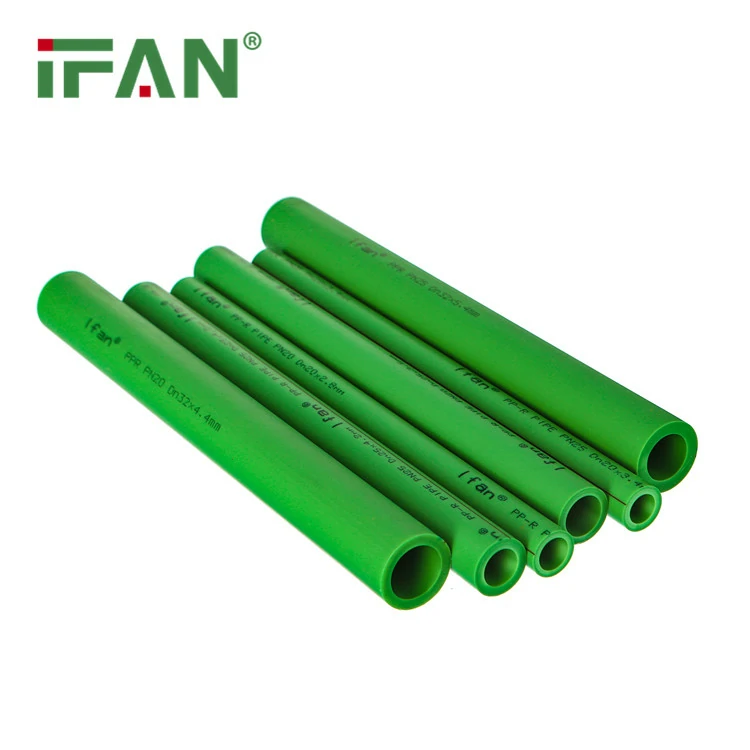
PPR pipes are classified into several pressure categories:
PN10 (1.0 MPa) – Suitable for cold water applications up to 20°C. Maximum working pressure of 1.0 MPa (10 bar).
PN16 (1.6 MPa) – Designed for hot water systems up to 60°C. Handles pressures up to 1.6 MPa (16 bar).
PN20 (2.0 MPa) – High-pressure applications including industrial hot water systems. Maximum pressure rating of 2.0 MPa (20 bar).
PN25 (2.5 MPa) – Heavy-duty industrial applications. Withstands pressures up to 2.5 MPa (25 bar).
Temperature Impact on Pressure Ratings
Temperature directly affects PPR pipe pressure capacity. Higher temperatures reduce maximum allowable pressure.
At 20°C, PN20 pipes handle full 2.0 MPa pressure. At 80°C, the same pipe’s pressure rating drops to approximately 0.8 MPa.
This relationship follows established derating curves specified in international standards.
International Standards for PPR Pipes
ISO 15874 Standard
The International Organization for Standardization defines PPR pipe specifications. ISO 15874 establishes pressure classes and temperature ratings worldwide.
DIN 8077/8078 Standards
German standards provide additional specifications for PPR pipe systems. These standards complement ISO requirements in European markets.
ASTM Standards
American Society for Testing and Materials offers guidelines for PPR pipe applications in North American projects.
Factors Affecting PPR Pipe Pressure Performance
Wall Thickness
Thicker walls support higher pressures. PN25 pipes feature the thickest walls among standard pressure classes.
Pipe Diameter
Larger diameter pipes require proportionally thicker walls to maintain pressure ratings.
Installation Method
Proper fusion welding ensures joints match pipe pressure capacity. Poor installation compromises system integrity.
Срок службы
PPR pipes maintain pressure ratings for 50+ years under normal operating conditions.
Selecting the Right Pressure Rating
Residential Applications
PN16 pipes suit most residential hot water systems. Cold water lines often use PN10 for cost efficiency.
Коммерческие здания
PN20 pipes handle higher pressure requirements in multi-story buildings and commercial facilities.
Промышленные системы
PN25 pipes serve heavy industrial applications requiring maximum pressure capacity.
Installation Considerations
Safety Factors
Always include safety margins above actual system pressure. Industry standards recommend 1.5x minimum safety factor.
Pressure Testing
Test installed systems at 1.5 times working pressure before commissioning. Hold test pressure for minimum 30 minutes.
Thermal Expansion
Account for thermal expansion in long pipe runs. Use expansion joints where necessary.
Обеспечение качества
Manufacturing Standards
Reputable manufacturers follow strict quality control procedures. Material certification ensures consistent pressure performance.
Testing Protocols
Hydrostatic testing validates pressure ratings during production. Burst testing confirms safety margins.
Certification Requirements
Look for certified products meeting local building codes and international standards.
Common Applications by Pressure Rating
PN10 Applications
- Cold water distribution
- Irrigation systems
- Low-pressure heating circuits
PN16 Applications
- Domestic hot water systems
- Underfloor heating
- Standard plumbing installations
PN20 Applications
- High-rise building systems
- Industrial process water
- Compressed air distribution
PN25 Applications
- High-pressure industrial systems
- Steam condensate return
- Chemical processing plants
Maintenance and Longevity
PPR pipes require minimal maintenance once properly installed. Regular pressure monitoring ensures system reliability.
Avoid exceeding rated pressures to prevent premature failure. Monitor for pressure surges that could damage the system.
Custom PPR Pipe Solutions
Different projects require specific pressure ratings and configurations. Custom manufacturing allows optimization for unique applications.
Specialized pressure ratings between standard classes serve niche applications. Engineering analysis determines optimal specifications.
Заключение
PPR pipe pressure ratings range from PN10 to PN25, covering applications from residential plumbing to heavy industry. Temperature, installation quality, and safety factors all influence pressure performance.
Selecting appropriate pressure ratings ensures reliable, long-lasting pipe systems. Professional consultation helps optimize specifications for specific project requirements.
Understanding these pressure standards enables informed decisions for any PPR pipe installation project.










 Русский
  English
  Français
  Español
Последние комментарии