
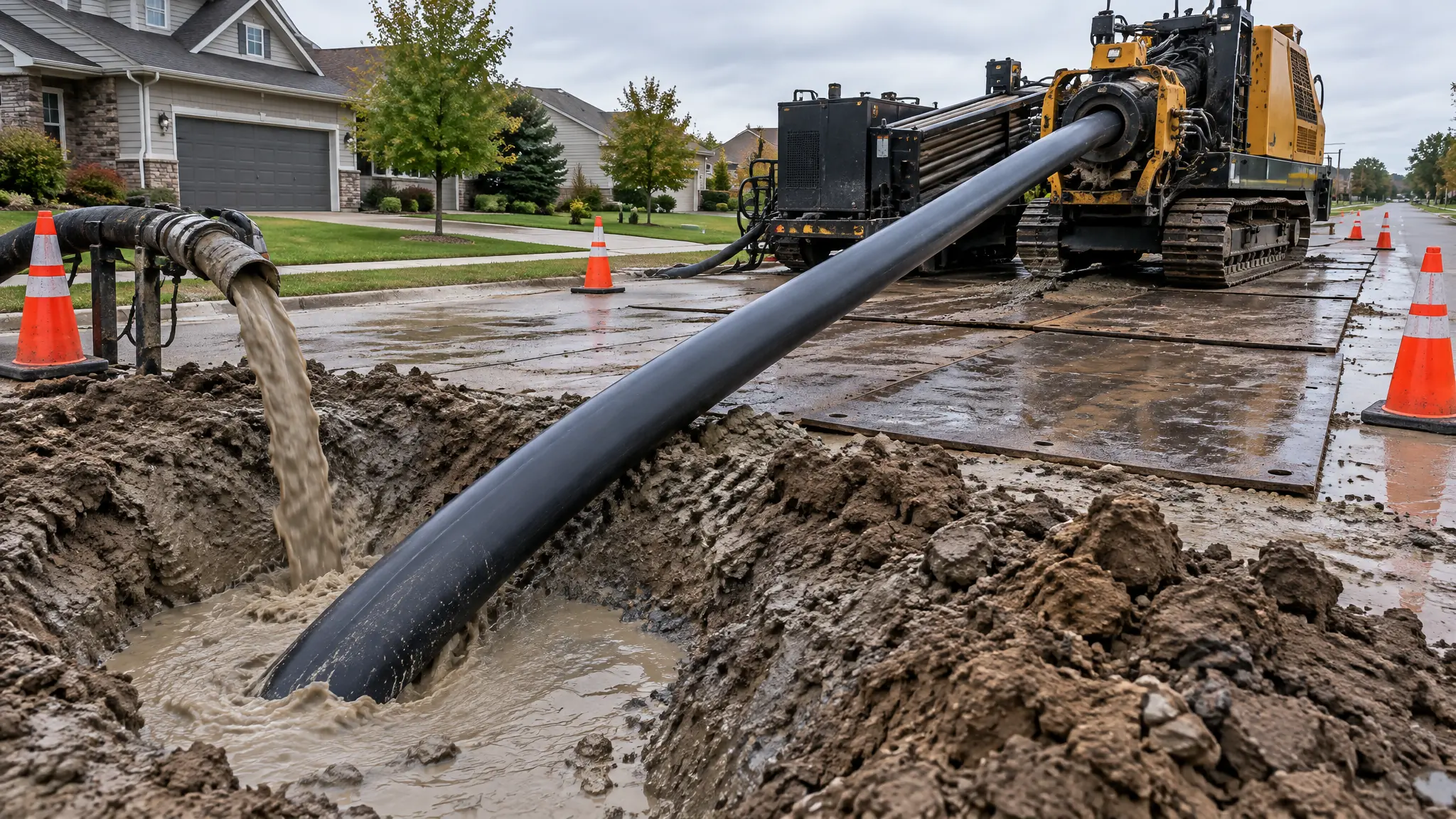
HDPE Pipe for Trenchless Installation: HDD, Pipe Bursting and Sleeve Pulling — Spec Differences
You priced HDPE for a job, the contractor changed the installation method, and nobody re-checked the pipe. That is the order that goes wrong. HDPE pipe for trenchless installation is specified against the pulling load, not the buried service pressure, and the three common methods load it in three different ways. The short answer: for
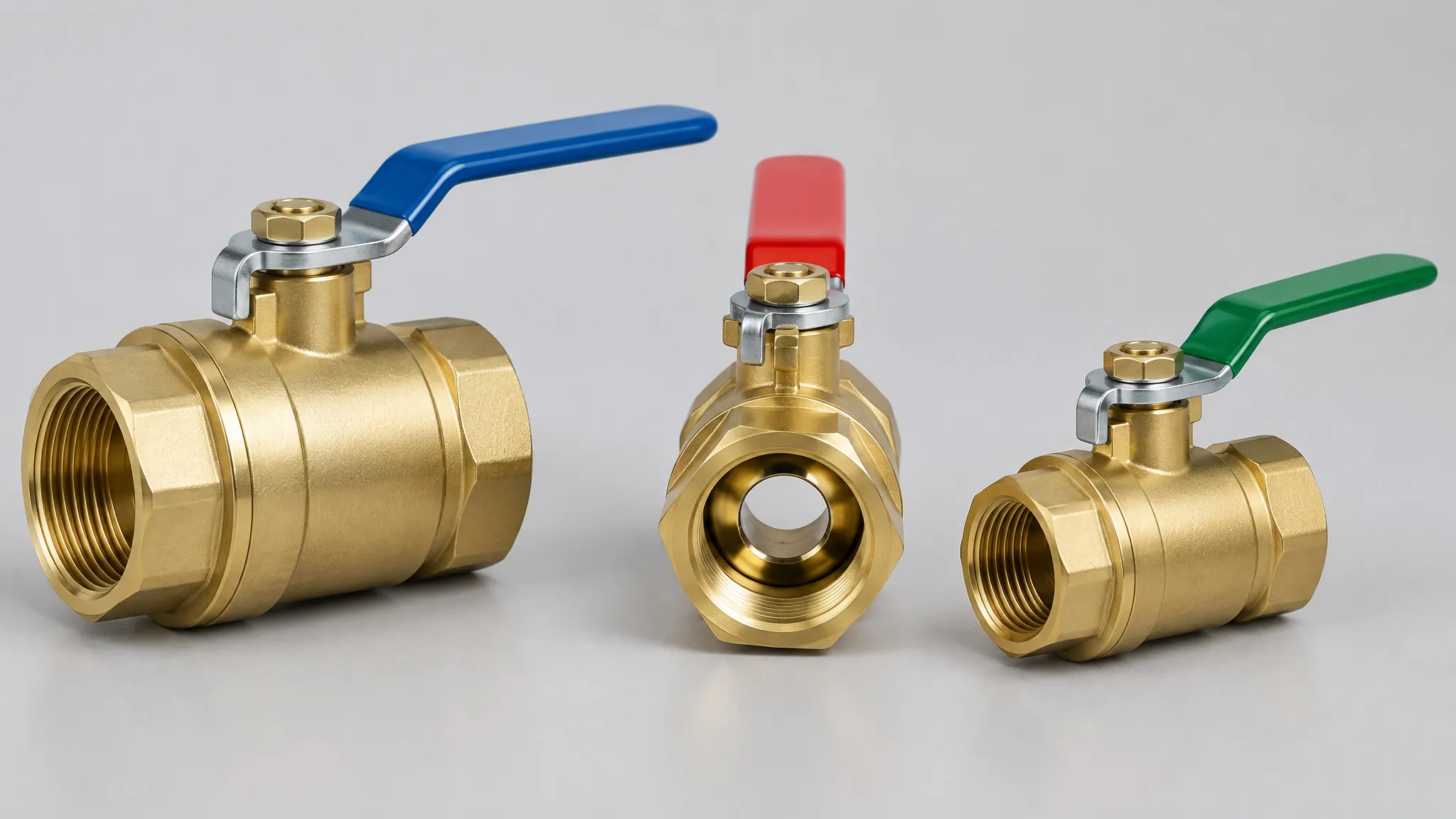
Full Port vs Reduced Port Brass Ball Valve: Cv, Pressure Drop and When the Cheaper Body Is the Correct Spec
Real Cv values by size, the pressure drop they produce and the duties where a reduced-port brass ball valve is the correct spec, not the cheap one.
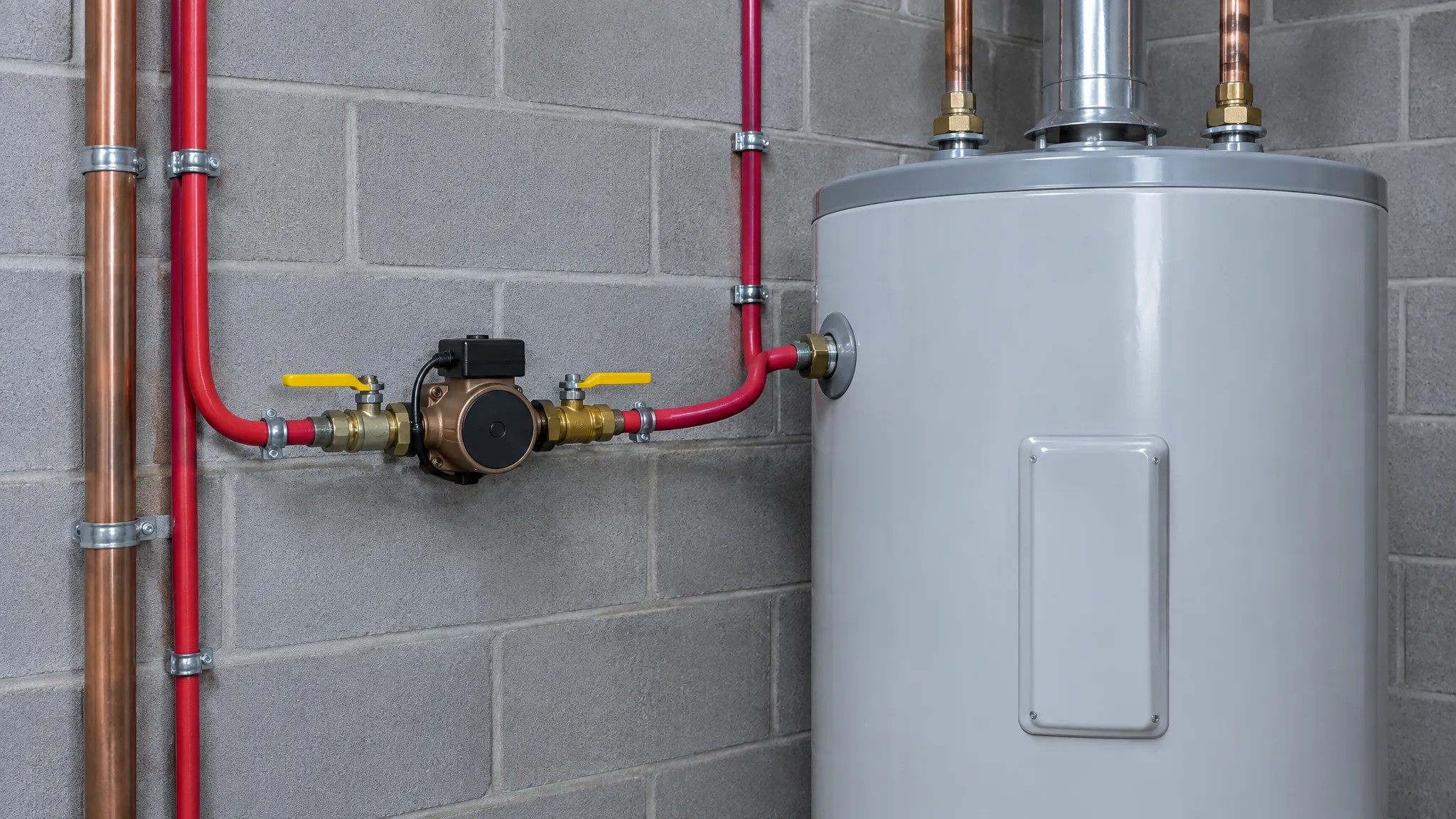
What US Plumbing Code Requires of a Hot-Water Return Leg: UPC vs IPC vs ASHRAE 90.1, and Which Listed Pipe You May Actually Use for It
No US plumbing code orders you to build a hot-water return leg. IPC 2024 Section 607.2 caps developed length at 50 feet and counts recirculating piping as a source of hot water; the sentence requiring a dedicated return pipe sits in the energy code, at IECC 2024 Section C404.6.1. Which listed pipe may form it

Which Plumbing Products Must Be Lead-Free Under SDWA 1417: The Statutory Exemptions, State Overlays and Why NSF/ANSI 372 Is Not Annex G
A container of brass valves clears customs in Long Beach. The packing list holds three 2-inch main gate valves, a box of hose bibbs, two dozen shower valves, and the rest potable-branch fittings. Which lines needed a lead-free certificate before loading? Section 1417 of the Safe Drinking Water Act answers it, at 42 U.S.C. §300g-6,

How Much Pressure Rating Do You Actually Lose to Heat and Sun? De-Rating Curves for PPR, PEX, HDPE and PVC
A specifier in Riyadh, Lagos or Seville reads PN20 on a PP-R pipe and PN16 on a PE100 coil, and the site runs at 45 °C ambient for four months a year. Every one of those ratings is silently a 20 °C number. Polymer pipe UV and temperature derating comes down to one question: how
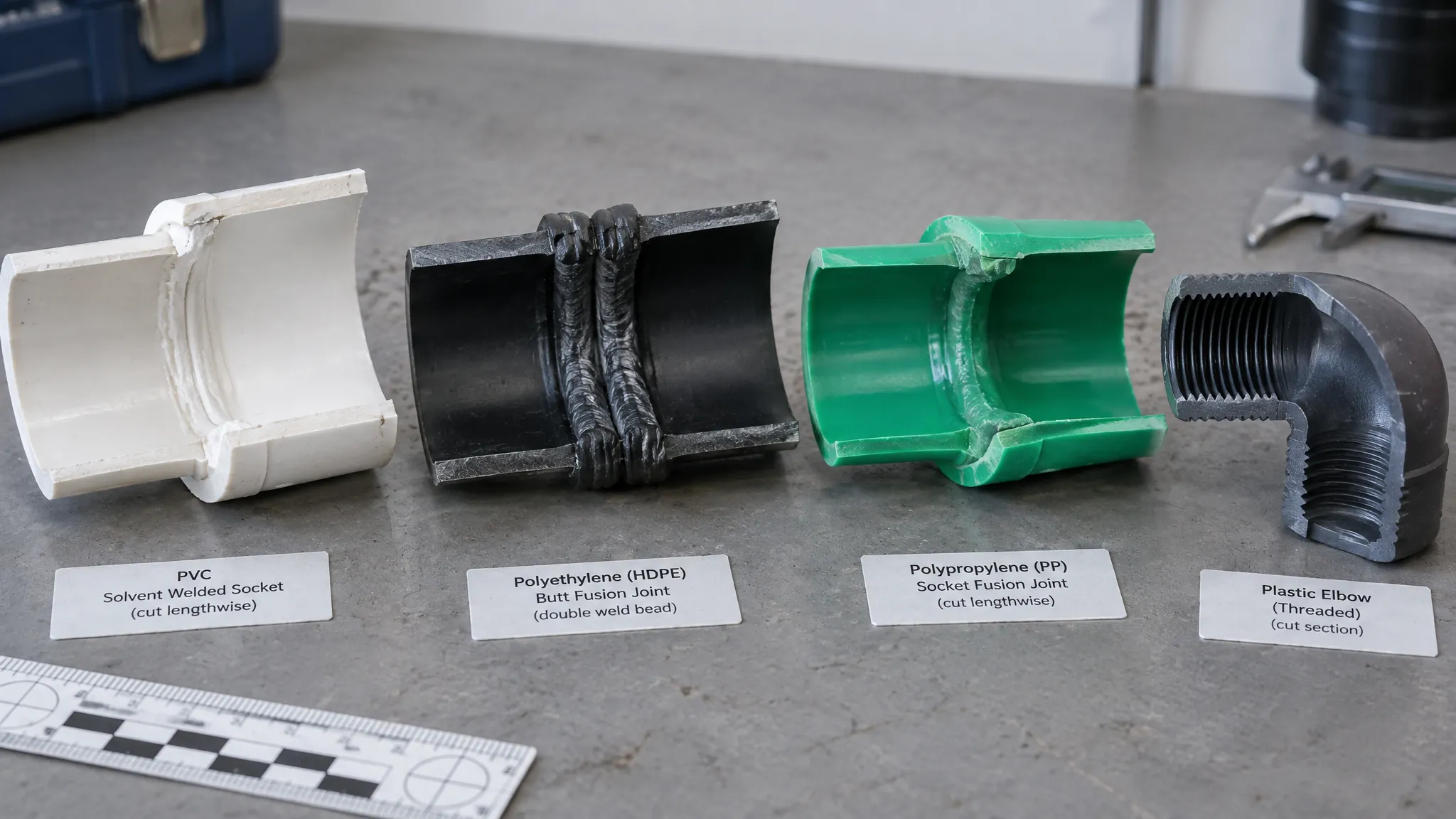
Why Plastic Pipe Joints Fail: Six Failure Modes Read Back From the Fracture Surface
Plastic pipe joints fail in a small number of readable ways, and the joint surface is where the reading starts. This guide covers six failure modes across the four jointing methods a mixed-material project actually uses: solvent weld, socket and butt fusion, electrofusion, and mechanical or threaded transitions. Each mode leaves a different surface, arrives
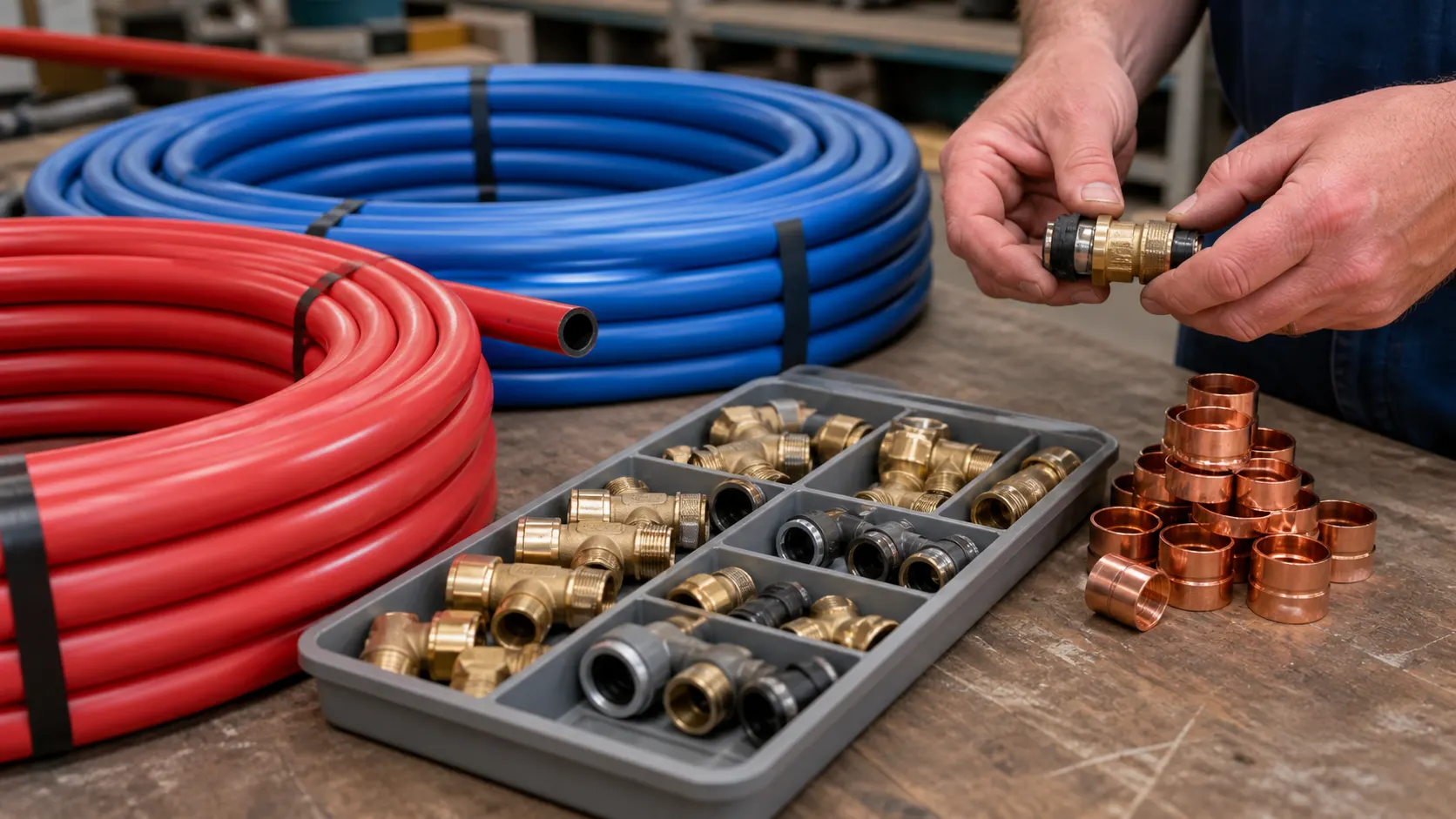
Types of PEX Fittings: The Five Families, and Which Ones Can Legally Share a Wall
There are five types of PEX fittings once you count them the way a plumbing code does, by the standard that lists each one. The five: cold expansion, insert bodies gripped by a copper crimp ring, the same bodies gripped by a stainless steel clamp, push-fit, and threaded or transition adapters. One adopted US fitting
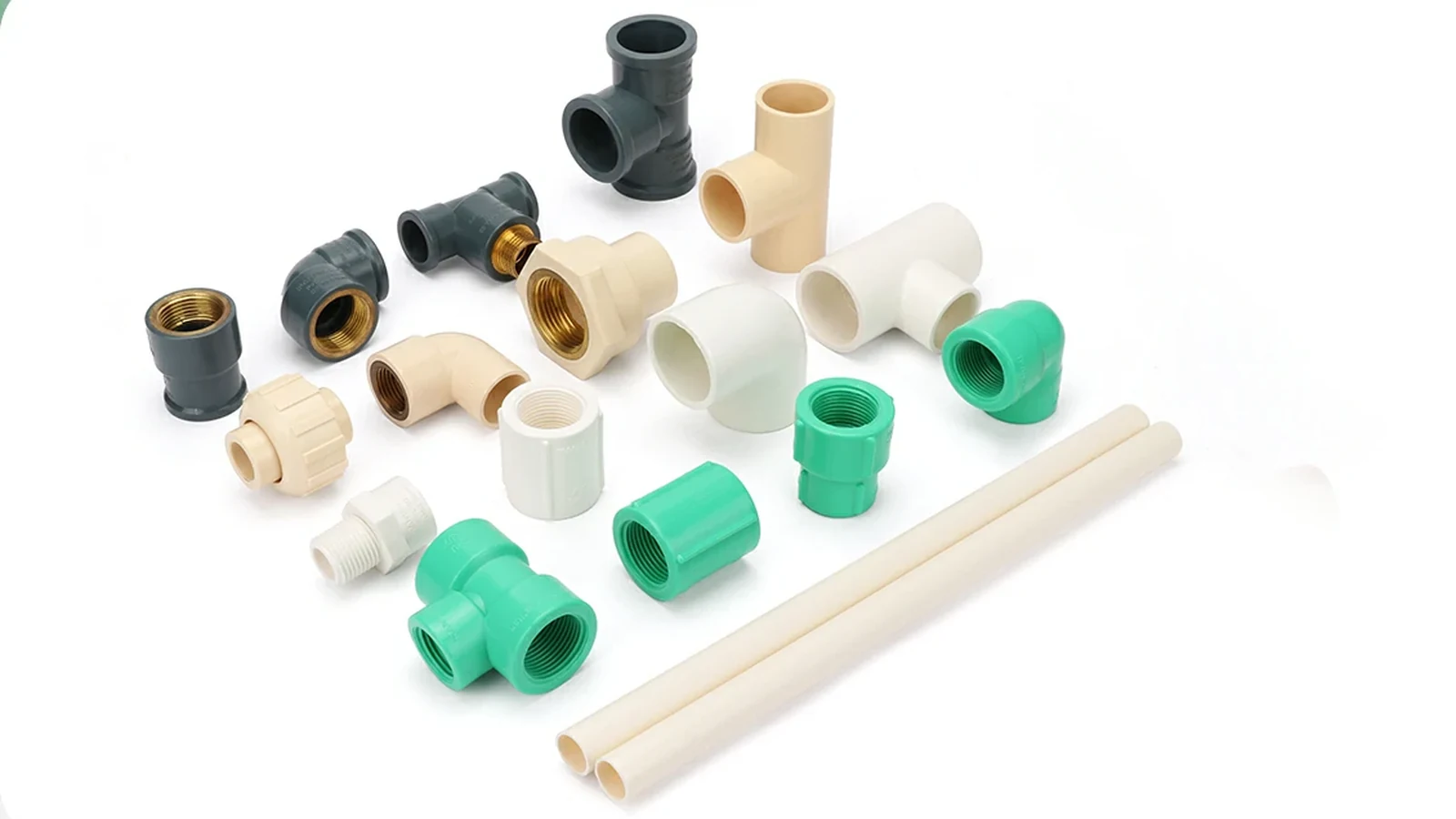
PVC vs CPVC vs PPH for Chemical & Industrial Lines
Three plastics compete for the same chemical and industrial lines, and most buying decisions turn on one number that cannot decide anything by itself. The short version: specify PVC-U where the fluid is cold and the pressure is modest. Specify Schedule 80 CPVC where the line runs hot or carries hypochlorite, chromic acid or another

Becoming a Pipe & Fittings Distributor: How Brand Agency Agreements Work
Pipe fittings distributor agreement, clause by clause: what exclusivity buys, purchase-target traps, trademark recordal and the exit terms to demand.

China Pipe Supplier Middleman: 8 Signs You’re Not at the Factory
Every importer has met the pitch: a ‘factory’ with a catalogue spanning every pipe material, a price that beats everyone, and a salesperson who answers each technical question with a brochure. Some of those suppliers make the pipes they sell. Many do not. Across China, thousands of trading companies sit between overseas buyers and the
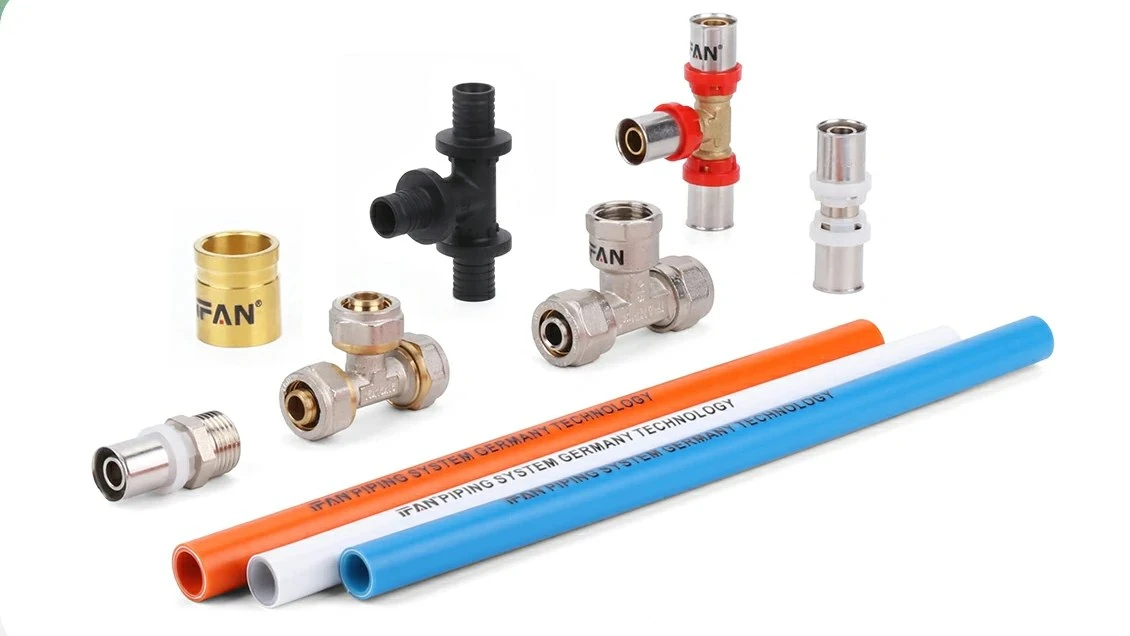
PEX vs PVC Pipe: What Distributors Should Actually Stock
PEX and PVC are not competing materials — the plumbing code already split them. What that means for your stock list, fitting inventory and landed cost.

WRAS vs NSF Certification: Which Approval Your Market Requires, and How to Check the One You Were Sent
The practical difference between WRAS and NSF certification is jurisdictional, not qualitative: WRAS Approval is the route British water companies recognise for demonstrating that a fitting meets the Water Supply (Water Fittings) Regulations, and NSF/ANSI/CAN 61 is the health-effects standard North American plumbing codes are written around. Neither one substitutes for the other. A buyer






 Русский
  English
  Français
  Español