

EN 10204 3.1 for Plastic Pipe: Agree the Inspection Plan
Buying plastic pipe with an EN 10204 3.1 requirement? Agree batch evidence, tests, signing roles and document acceptance before manufacture.

EN 13501 for Plastic Pipe: Check the Report Before Buying
Check plastic-pipe Euroclass reports, product coverage and the applicable CPR declaration route before accepting a European project quotation.
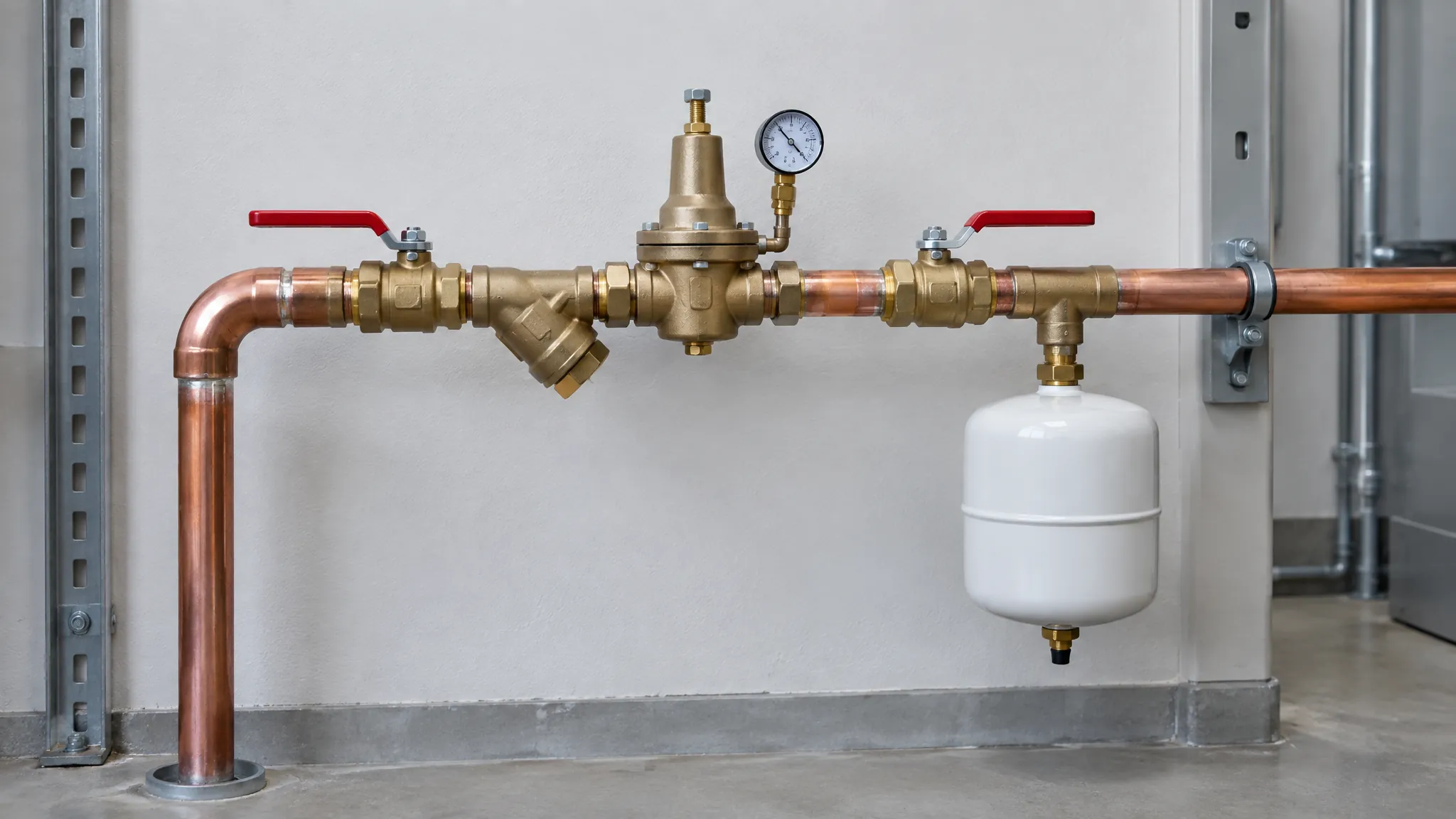
Specifying a Pressure Reducing Valve: Set Pressure, Fall-Off, Cv and the Two Numbers a Datasheet Can Leave Off
Most PRV mistakes start with the pipe size: a 3/4 in line gets a 3/4 in valve, and nobody checks it at peak flow. Specify a pressure reducing valve by flow instead. Name a set pressure at or below the 80 psi static ceiling in IPC 604.8 and UPC 608.2, the fall-off at your design
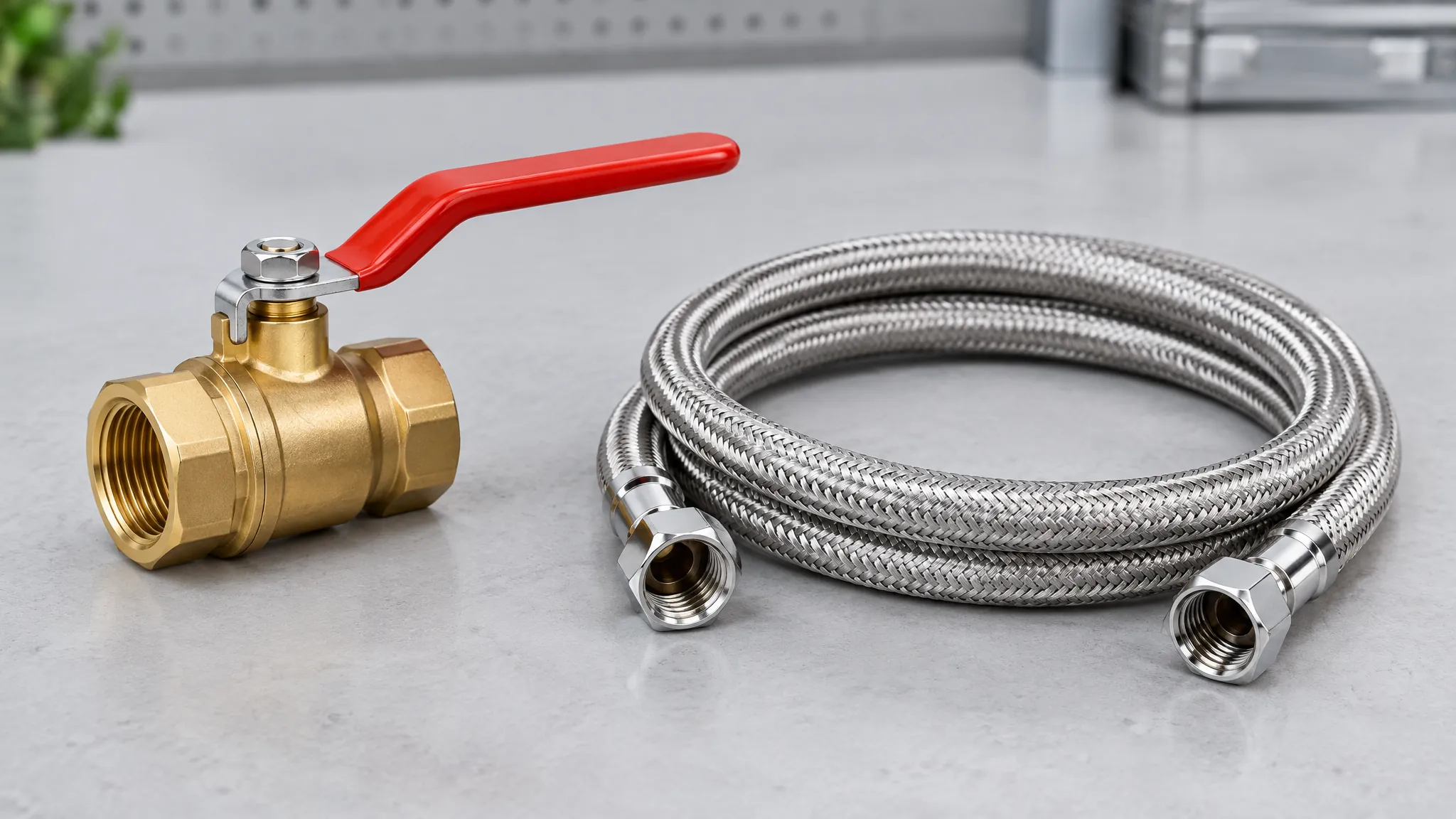
EN 13828 and EN 13618: The Ball-Valve and Braided-Hose Tests a Buyer Should Ask to See
EN 13828:2025 covers brass ball valves, EN 13618:2016 braided hoses. Scope, 2025 changes, the tests each report must list, and the hygiene gap.
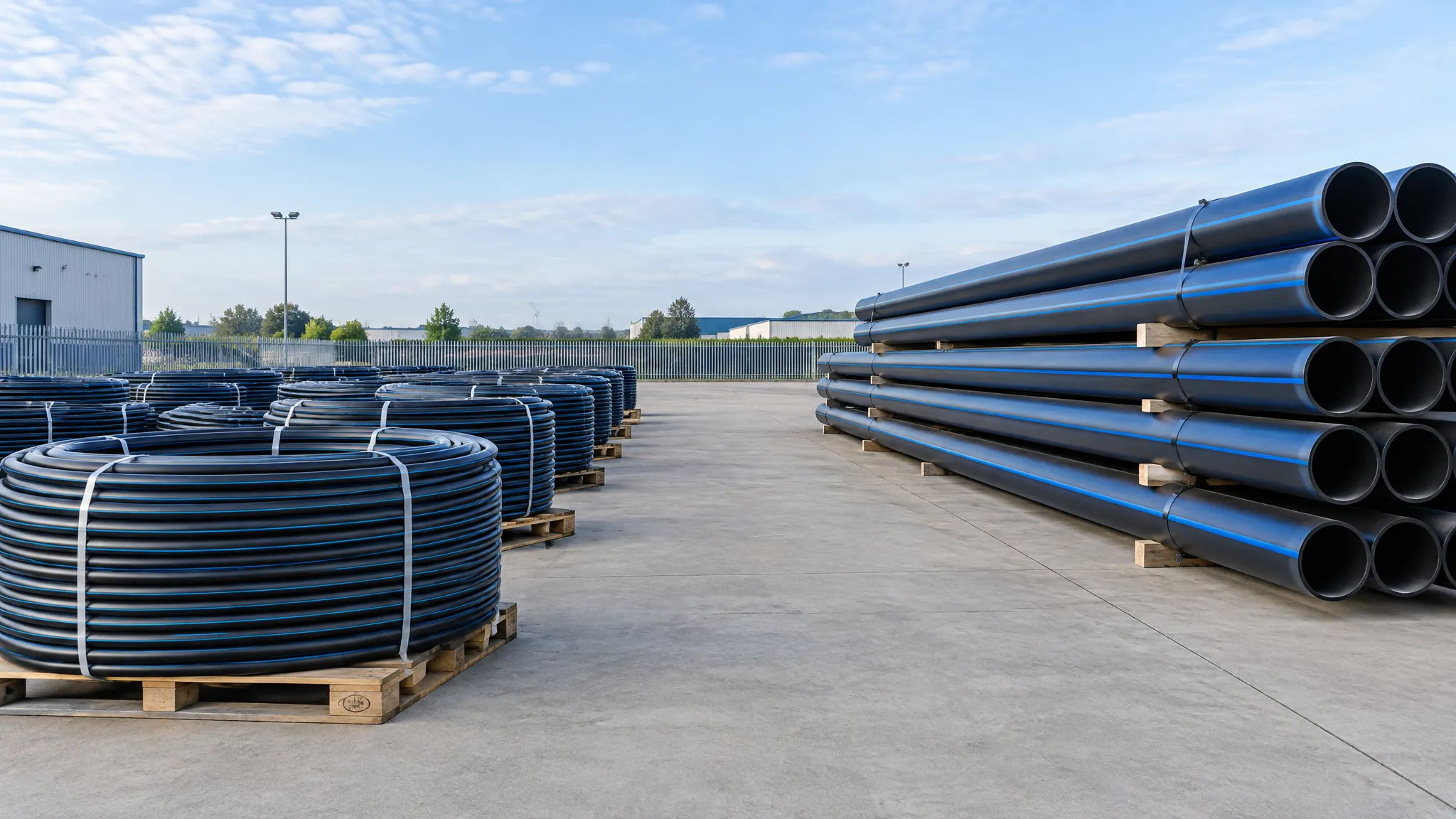
Coil or Straight Length? The HDPE Ordering Decision That Changes Your Freight, Your Ovality and Your Site Labour
Order HDPE pipe in coils when the bore is small and the run is long. Most pipe of 4 in and smaller can be coiled. Coils are typically limited to 6 in and smaller in US practice and to 180 mm in metric practice, and one coil can put several hundred metres in the ground
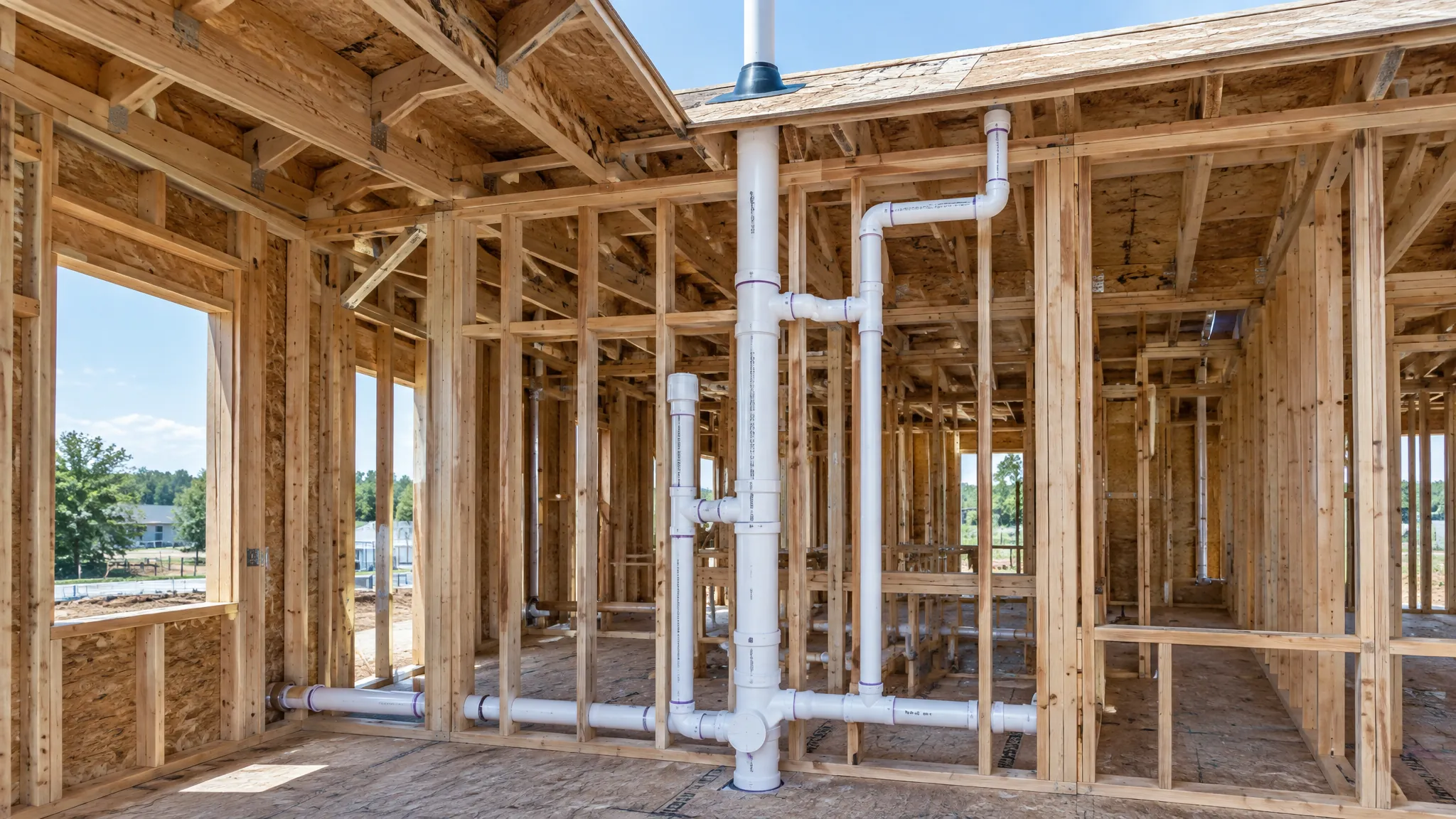
Venting a Plastic DWV Stack: Vent Sizing, AAVs and the Clauses That Decide Whether the Inspector Passes It
DWV vent sizing under IPC 2024: stack vents from Table 906.1, branch vents at half the drain size. Where AAVs fail under IPC, UPC and EN 12380 rules.
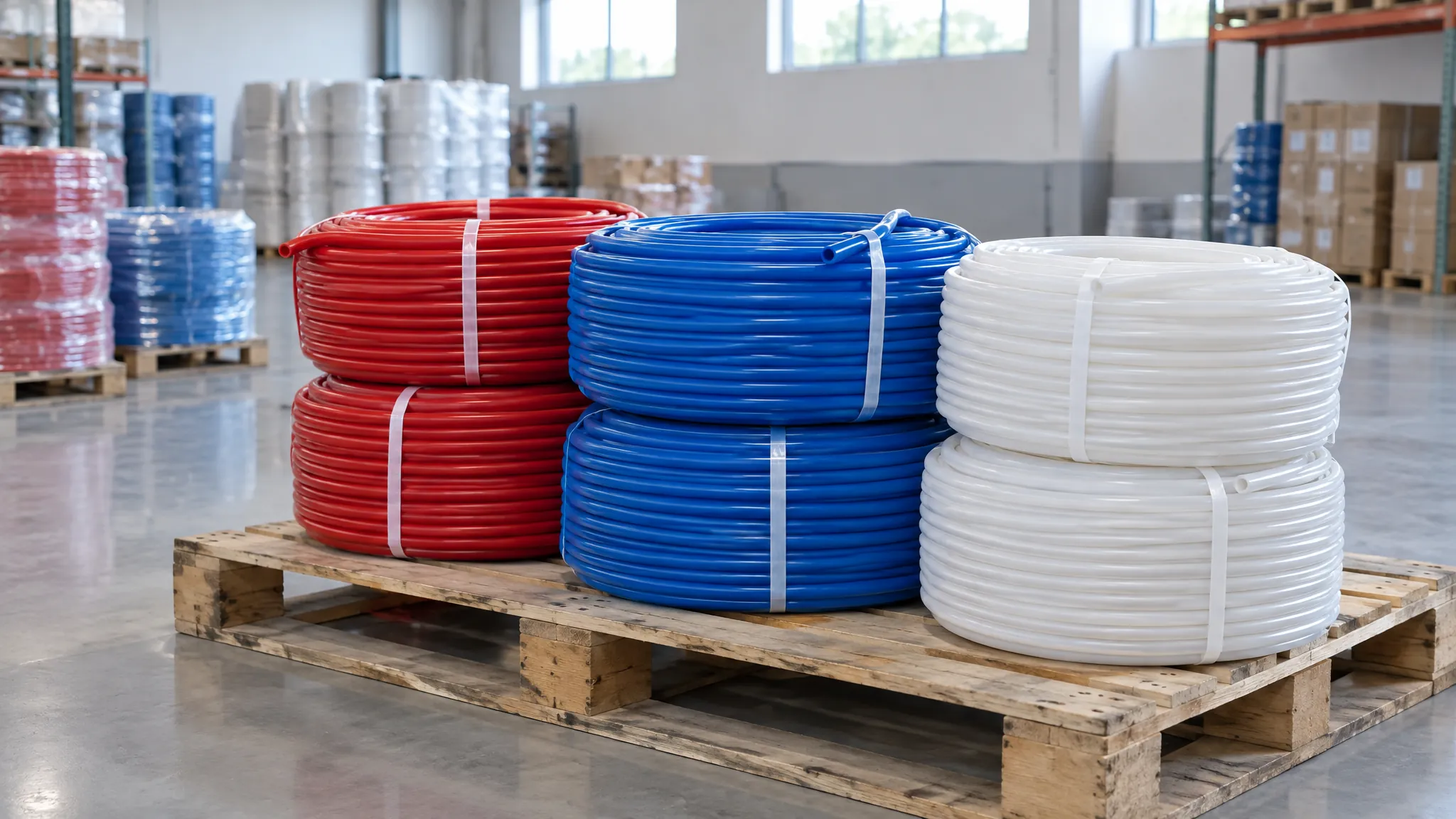
Two Rulebooks for the Same PEX: ASTM F876 vs EN ISO 15875, and Which One Your Buyer’s Inspector Will Quote
The quotation reads “PEX pipe to ASTM F876 / EN ISO 15875”, and that slash is the problem: the two documents describe different pipes. ASTM F876-26 is the North American rulebook for copper-tube-size tubing in one wall ratio, SDR 9, pressure rated at three fixed temperatures. EN ISO 15875-2:2025 is the metric rulebook, and it
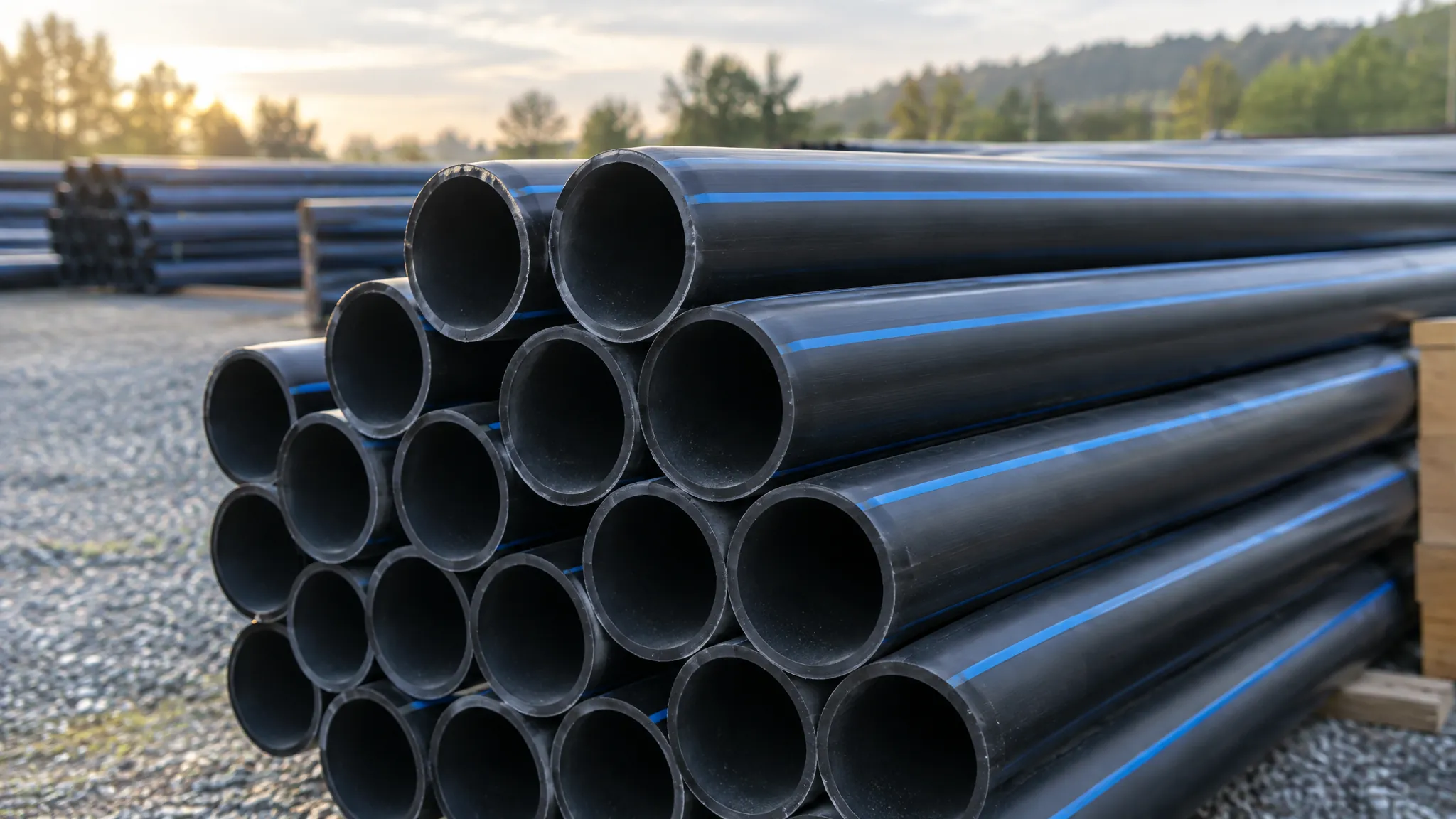
ASTM D3350 Cell Classification: How to Read PE445574C, and Why the Fifth Digit Is the PENT Test
The PPI Municipal Advisory Board’s model specification for PE4710 water pipe, revised in June 2026, asks for a compound meeting ASTM D3350 minimum cell classification PE445574C-CC3. That string answers what the standard is for. ASTM D3350 identifies a polyethylene pipe or fittings compound by six cell numbers and a letter: density, melt index, flexural modulus,
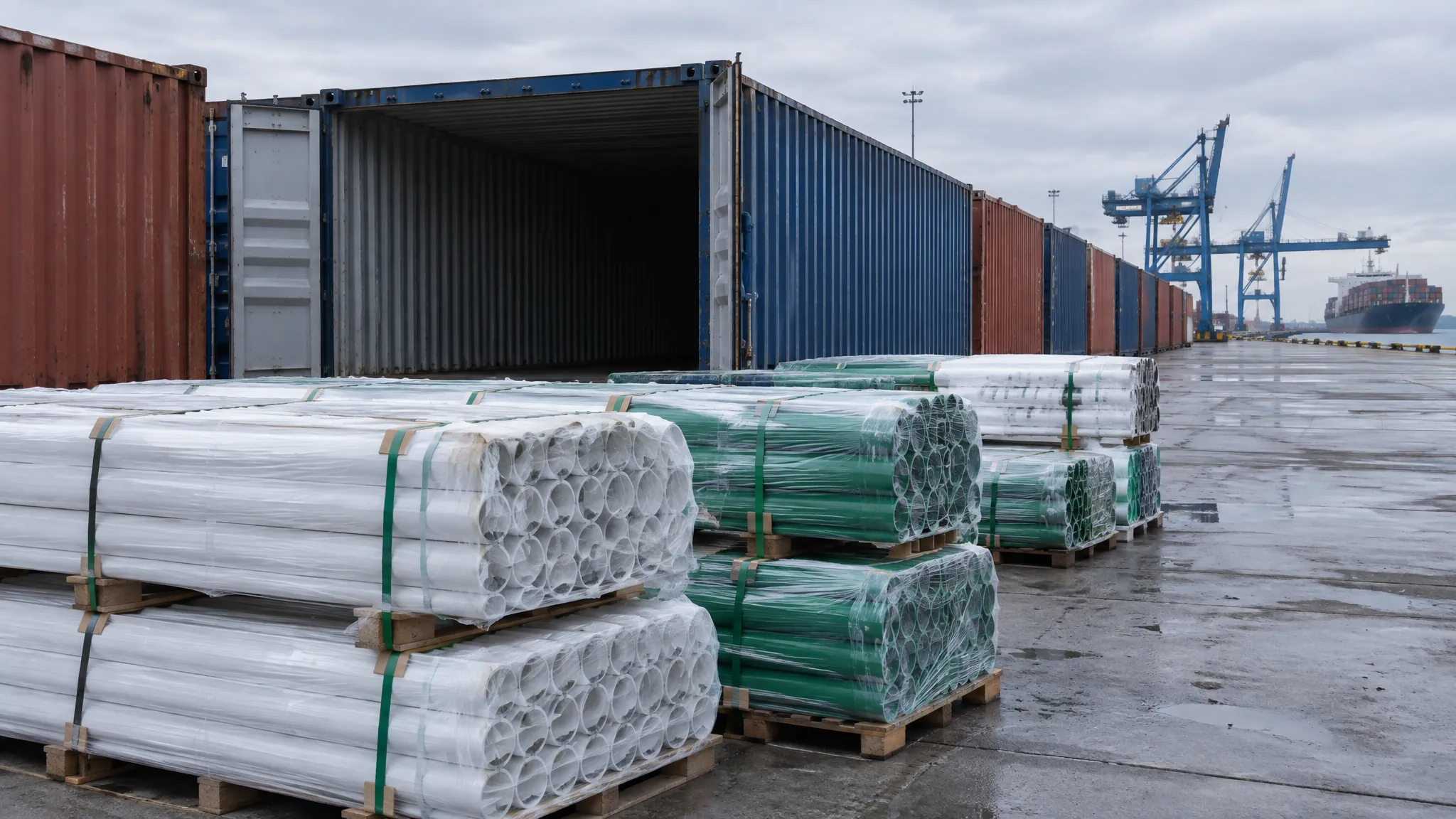
Paying for Your First Pipe Container by L/C: The Document Set That Decides Whether the Bank Pays
A bank paying under a letter of credit never sees your pipe. Under UCP 600 (the 2007 revision, ICC Publication No. 600), the ICC rules that govern a credit stating it is subject to them, banks deal with documents and not with goods, and each examining bank has a maximum of five banking days following
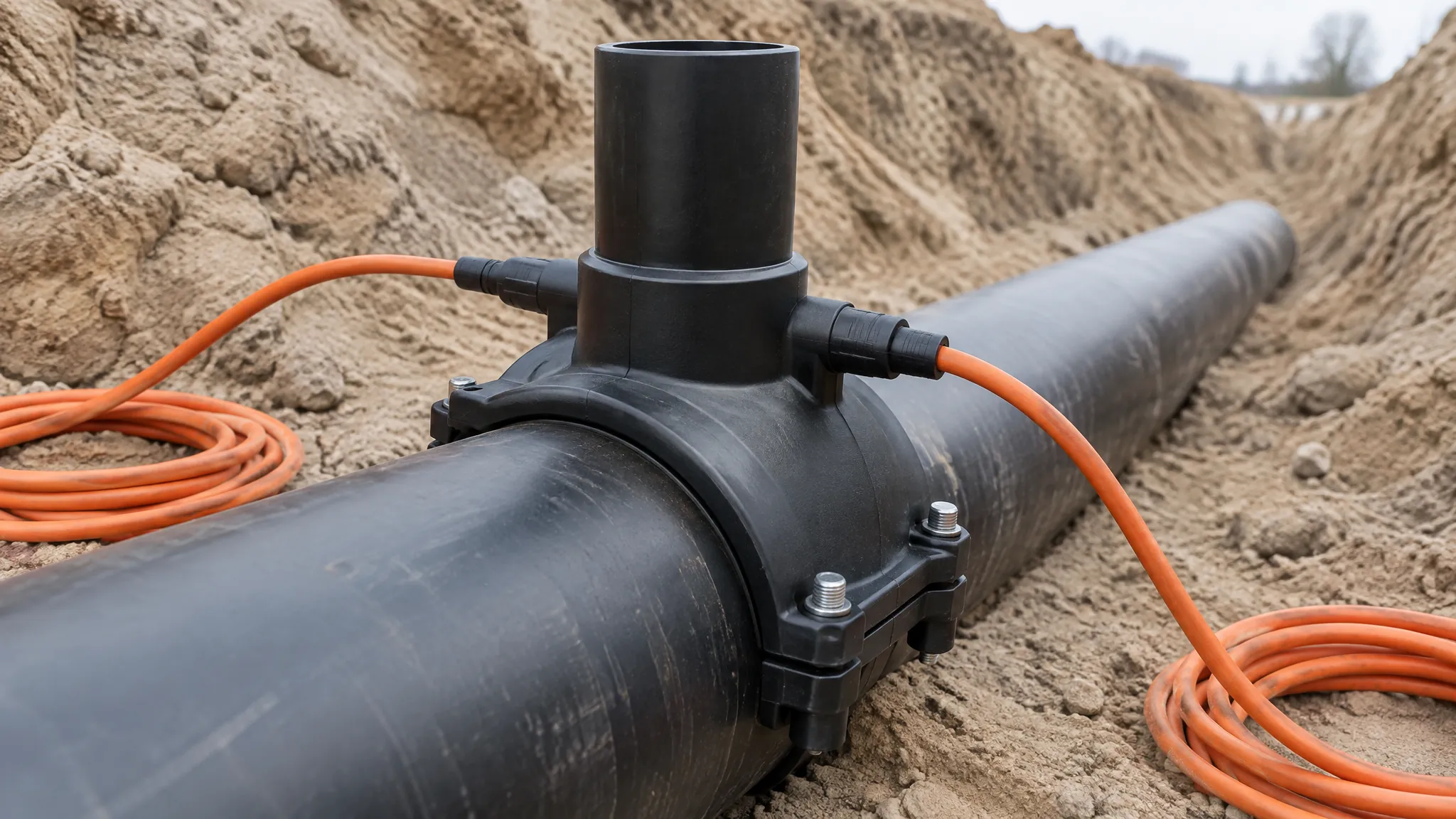
HDPE Service Connections: Tapping Tee, Branch Saddle or Hot Tap — and the One That Fails Under Pressure
A 250 mm PE100 main runs live under a service road, and the drawing calls for a 32 mm domestic service off it. The schedule says HDPE saddle clamp, which is where the job starts to go wrong, because the phrase covers three products with three different consequences. An electrofusion tapping tee carries its own cutter and
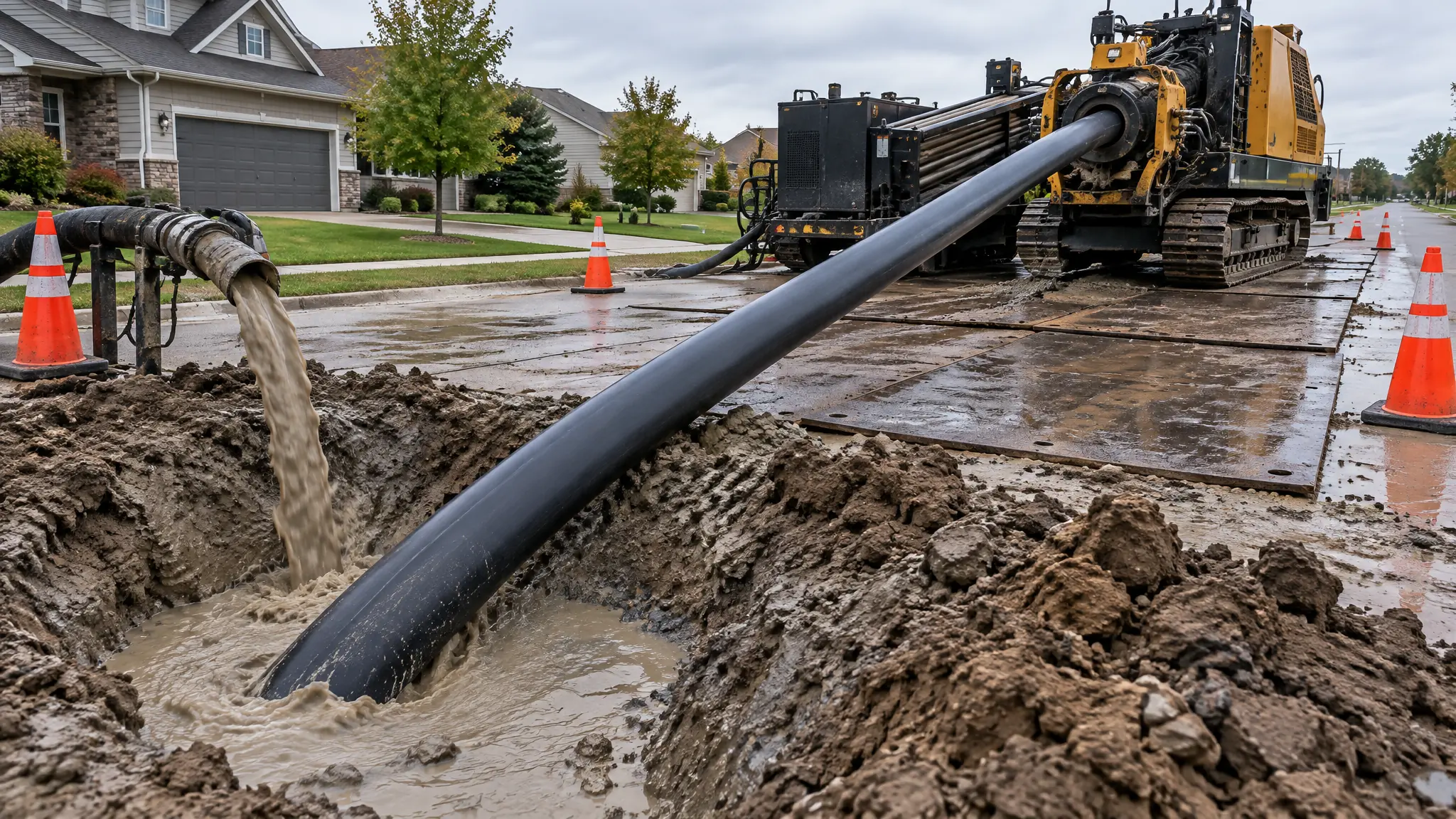
HDPE Pipe for Trenchless Installation: HDD, Pipe Bursting and Sleeve Pulling — Spec Differences
You priced HDPE for a job, the contractor changed the installation method, and nobody re-checked the pipe. That is the order that goes wrong. HDPE pipe for trenchless installation is specified against the pulling load, not the buried service pressure, and the three common methods load it in three different ways. The short answer: for
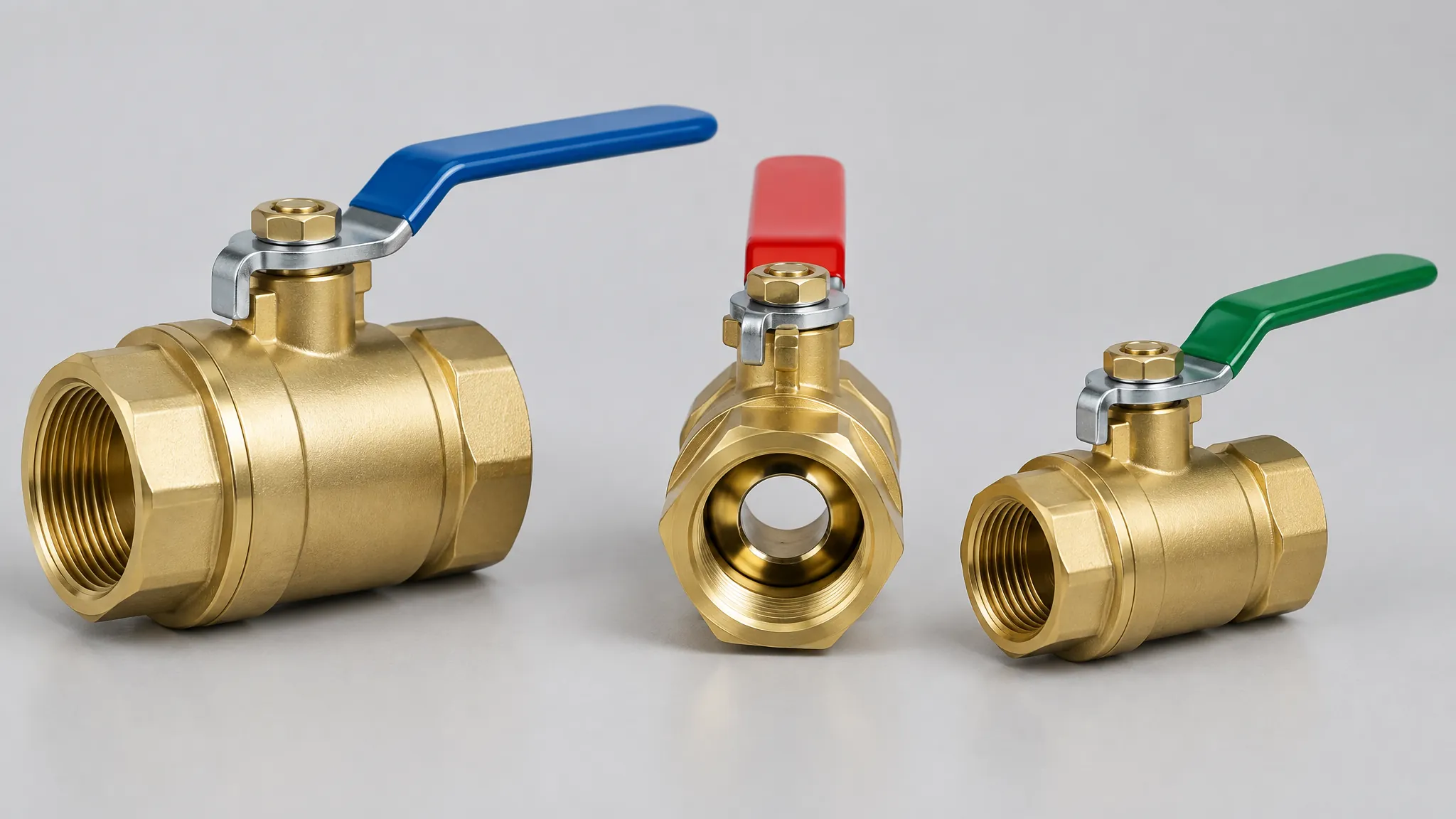
Full Port vs Reduced Port Brass Ball Valve: Cv, Pressure Drop and When the Cheaper Body Is the Correct Spec
Real Cv values by size, the pressure drop they produce and the duties where a reduced-port brass ball valve is the correct spec, not the cheap one.









 English
 Français
 Русский
 Español