
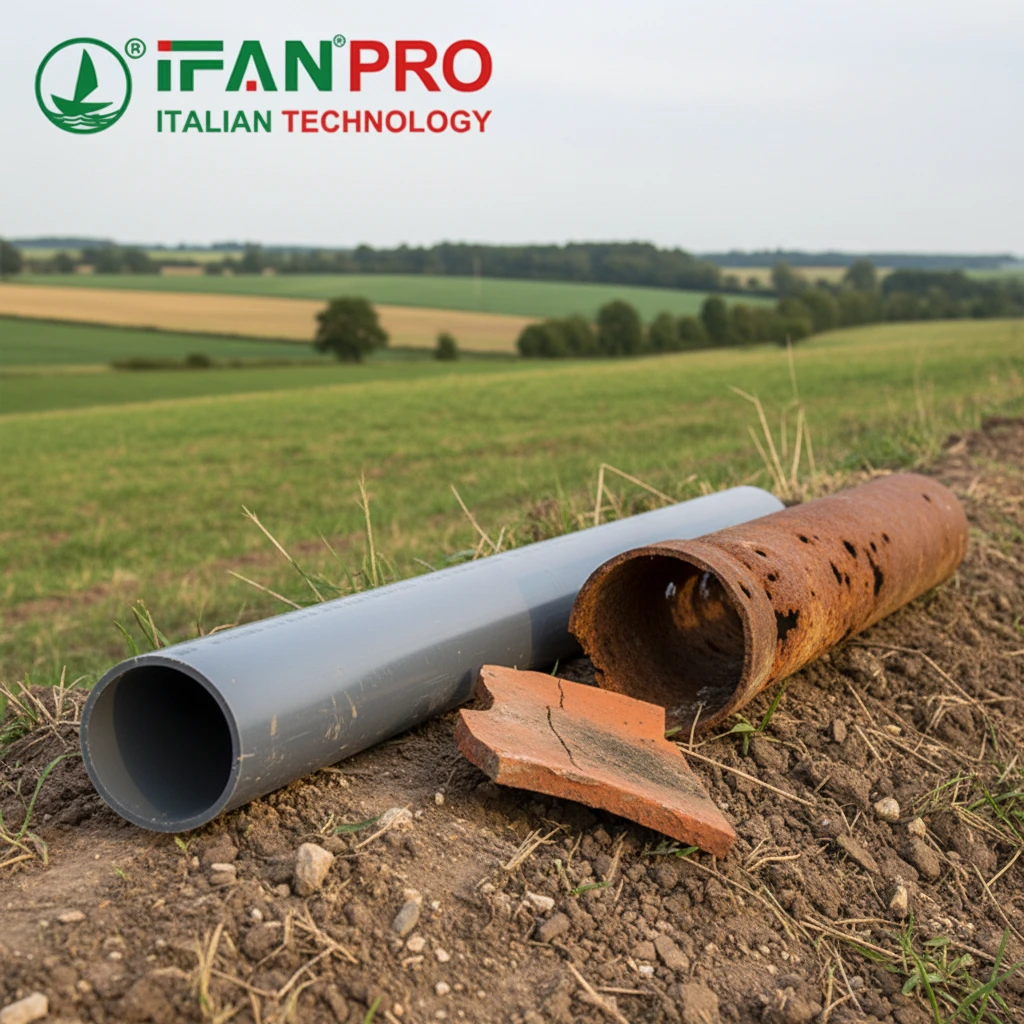
After seeing a farm’s harvest ruined by waterlogged soil, I realized the critical importance of a reliable drainage system. Choosing the right pipe is the first and most important step.
Farmers choose PVC drainage pipe for its outstanding balance of long-term durability, easy and fast installation, low lifetime cost, and reliable performance against water and farm chemicals. It provides a dependable solution to protect soil health and crop yields from excess water.
Let’s examine the specific reasons why PVC drainage pipe has become the standard choice for modern, productive agriculture.
How Does PVC Drainage Pipe Durability Benefit Long-Term Agricultural Use?
Farmers cannot afford frequent system failures. I have seen old, broken drainage systems that require constant digging and repair, wasting both time and money.
PVC drainage pipe benefits long-term agricultural use because it is highly resistant to corrosion, crushing from soil pressure, and degradation from sunlight and chemicals. Once installed properly, a PVC drainage system can last for decades without significant maintenance, providing reliable water management season after season.
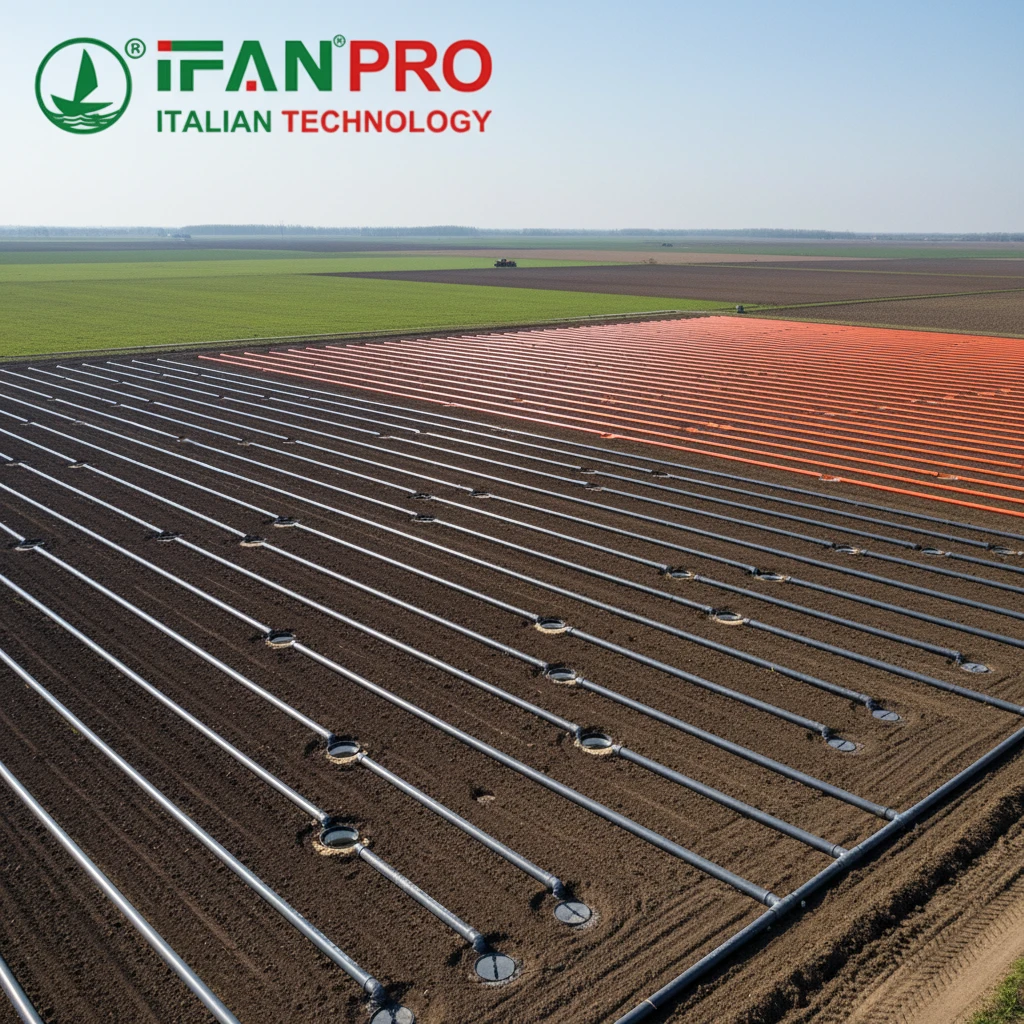
The Problem of Underground Failure
A drainage pipe buried in a field faces constant challenges. The soil presses down on it, machinery may pass overhead, and the environment is often wet and chemically active. A pipe that cracks, collapses, or corrodes will fail, leading to waterlogging and lost crops.
PVC pipe is engineered to handle these stresses. Its plastic structure does not rust or corrode like old metal or concrete tiles. This is crucial because agricultural soil and water can contain salts and other compounds that accelerate metal decay. PVC remains inert and stable.
Resistance to Physical Stress
Another key factor is strength. PVC drainage pipes have excellent crush resistance. This means they can handle the weight of deep soil and occasional pressure from heavy farm equipment without deforming. Their smooth walls also help prevent sediment from building up inside and causing blockages, which is a common failure point in other systems.
Finally, high-quality PVC is formulated to resist degradation from ultraviolet (UV) light. This is important during storage and before the pipes are covered with soil. UV-resistant pipes won’t become brittle and crack when exposed to the sun for short periods.
Comparing Drainage Pipe Lifespan and Key Issues
The table below shows how PVC compares to traditional materials over the long term.
| Pipe Material | Expected Field Lifespan | Common Reasons for Premature Failure |
|---|---|---|
| PVC | 50+ years | Damage from improper installation or extreme soil shifting. |
| Corrugated Metal | 15-25 years | Corrosion (rust) from soil and water, leading to collapse. |
| Clay Tile | 30-50 years | Root intrusion, joint separation, and cracking from soil movement. |
| Concrete Pipe | 25-40 years | Chemical erosion from acidic soils, cracking, and heavy weight. |
For a farmer, this durability translates directly into peace of mind and cost savings. You install the system once, and it works. You don’t need to budget for frequent repairs or worry about a hidden pipe failure damaging your crops during a critical growing season. The long life of PVC makes it a true long-term asset for the farm.
What Makes PVC Drainage Pipe Installation Efficient for Large Agricultural Fields?
Time is money during the short installation windows between seasons. I’ve coordinated projects where the speed of PVC installation allowed farmers to prepare fields much faster than expected.
PVC drainage pipe installation is efficient for large fields because the pipes are lightweight, easy to cut and join, and can be installed using fast trenching or trenchless plowing methods. This allows crews to cover vast areas quickly, significantly reducing labor time and costs compared to handling heavier, more fragile materials.
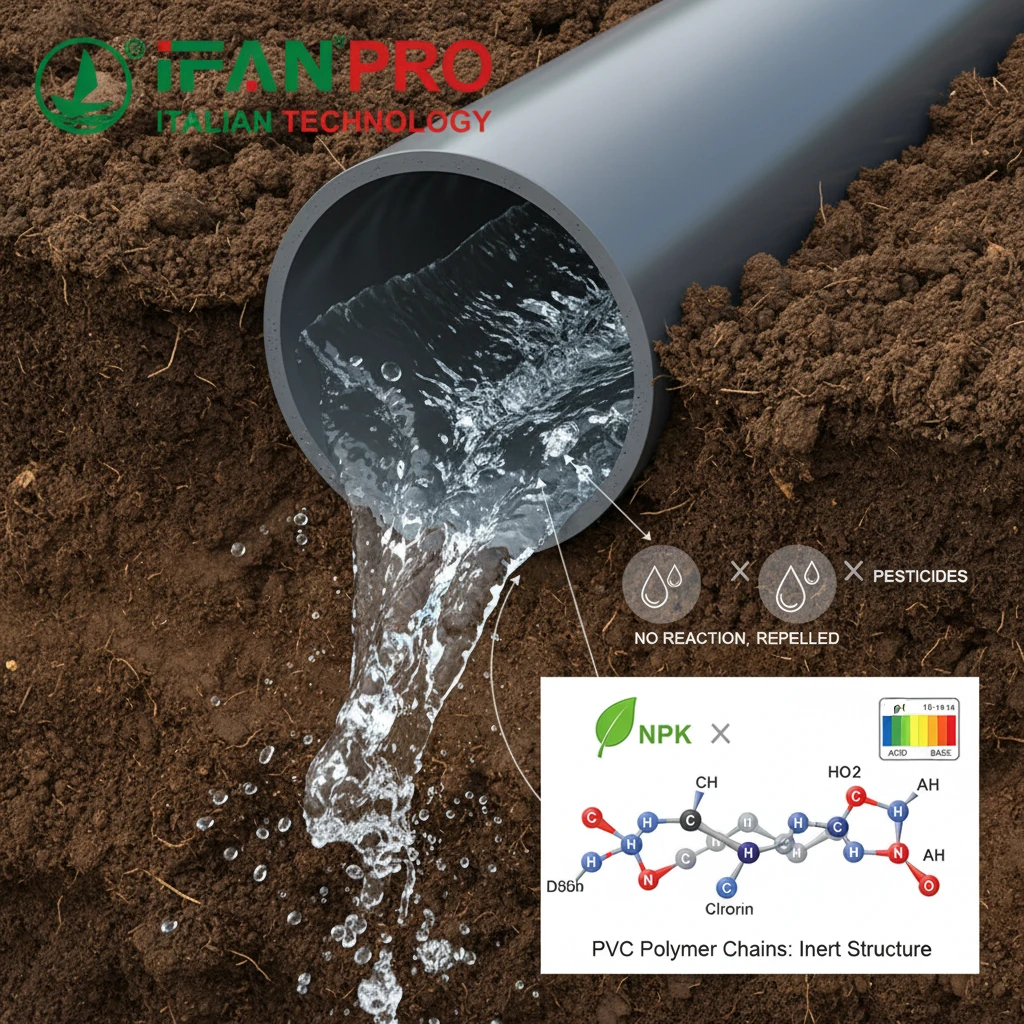
The Advantage of Lightweight Material
Imagine installing miles of drainage pipe. If the pipes are heavy, like concrete or clay, you need more people and larger machinery just to move them. PVC pipes are very lightweight. A worker can easily carry a long section. This makes loading, unloading, and moving pipes across the field much faster and less expensive.
The light weight also allows for the use of simpler, more maneuverable installation equipment. This is a major advantage in large, open fields.
Simple Cutting and Connection
Joining PVC pipes is a straightforward process. Installers can quickly cut pipes to the needed length with a simple saw. The connections use solvent cement or flexible couplings. This process takes just minutes per joint. It is much faster and less skill-dependent than carefully aligning and sealing heavy clay tiles or welding metal pipes.
This simplicity means installation crews can work at a steady, rapid pace without complex steps slowing them down.
Fast Installation Methods
For large-scale agricultural drainage, two main methods are used, and PVC is perfect for both:
- Trenching: A machine digs a narrow trench, and workers place the lightweight PVC pipe into it. The process is very fast because handling the pipe is so easy.
- Trenchless Plowing (Vibratory Plowing): This is the most efficient method for large fields. A machine called a plow pulls a blade through the ground at a set depth. The PVC pipe is fed directly from a roll or straight lengths into the channel created by the plow. The ground closes behind it. This method installs pipe incredibly quickly with minimal soil disturbance.
Installation Efficiency Comparison
This table compares the key installation factors for different pipe materials.
| Factor | PVC Pipe | Clay Tile | Corrugated Metal |
|---|---|---|---|
| Weight | Very Light | Very Heavy | Heavy |
| Ease of Cutting/Joining | Very Easy (saw & cement) | Difficult (special tools) | Moderate (cutters, couplings) |
| Compatibility with Trenchless Plowing | Excellent | Not Possible | Poor (too rigid) |
| Estimated Installation Speed | Very Fast | Slow | Moderate |
The efficiency of PVC installation gives farmers a clear advantage. It allows the drainage project to be completed in a shorter time, ensuring fields are ready for planting on schedule. The lower labor and equipment time also directly reduce the total project cost.
Why is PVC Drainage Pipe a Cost-Effective Solution for Farm Drainage Systems?
Every farm investment must show a strong return. I always advise clients to look at the total cost over 20 years, not just the price on the invoice.
PVC drainage pipe is cost-effective because it combines a competitive initial price with very low long-term costs. Its durability eliminates frequent repair expenses, its installation efficiency reduces labor costs, and its performance protects crop yields year after year, providing an excellent return on investment for the farm.
Understanding the Full Cost Picture
The true cost of a drainage system includes everything: the pipes, the installation labor and equipment, future maintenance, and the value of the crops it protects. A cheap pipe that fails in 10 years is not a good deal.
PVC offers value at every stage. First, the material itself is affordable to manufacture, making the pipe price competitive. Second, as we discussed, the fast and easy installation saves money on the biggest part of the project: labor.
The Hidden Savings: Maintenance and Longevity
After installation, the savings continue. A PVC system requires almost no maintenance. You don’t need to dig it up to fix corroded sections or realigned joints. There are no rust flakes or scale to flush out. This means zero maintenance costs for decades.
Its long lifespan means you will not face the enormous expense of completely replacing the drainage system in 15 or 20 years. You make the investment once.
The Biggest Value: Protecting Crop Yield
This is where PVC drainage provides its greatest economic benefit. Proper drainage prevents waterlogging. Waterlogged soil:
- Stunts root growth.
- Reduces soil oxygen.
- Can increase root diseases.
- Delays planting and harvesting.
By reliably removing excess water, a PVC drainage system creates optimal soil conditions. This leads to healthier plants, higher crop yields, and often earlier harvests that can fetch better market prices. The increased revenue from improved yields often pays for the drainage system itself in just a few seasons.
Total Cost of Ownership Analysis (20-Year Period)
The table below illustrates the long-term financial advantage of PVC.
| Cost Category | PVC Drainage System | Traditional Clay Tile System |
|---|---|---|
| Initial Material Cost | $ | $$ (Higher) |
| Initial Installation Labor Cost | $ (Faster) | $$$ (Slower, more complex) |
| Estimated Maintenance & Repairs (20 yrs) | $50 / acre | $300 / acre |
| System Replacement Likelihood | Not within 20 years | Possible partial failure |
| Primary Risk | Initial installation error | Joint failure, root intrusion, cracking |
| Total Estimated 20-Year Cost | Lower | Higher |
When you add up all these factors—affordable price, low installation cost, no maintenance, long life, and higher crop yields—PVC drainage pipe is clearly one of the most cost-effective investments a farmer can make for long-term land improvement.
How Do PVC Drainage Pipes Handle Water Flow and Chemicals in Agriculture?
A drainage pipe must perform under tough conditions. I’ve tested pipes that failed because they couldn’t handle the chemical runoff from fertilizers.
PVC drainage pipes handle water flow and chemicals excellently. Their smooth interior wall allows for maximum water flow with less friction, and their inert plastic material is highly resistant to corrosion from fertilizers, pesticides, and acidic or alkaline soils commonly found in agricultural environments.
Optimizing Water Flow Capacity
The primary job of a drainage pipe is to move water away quickly. The smooth inner surface of a PVC pipe is a major advantage. It creates less friction for the water flowing through it compared to the rough interior of corrugated metal or clay tile.
This smoothness means two things:
- Higher Flow Rate: For a given pipe diameter, a PVC pipe can often carry more water per minute.
- Reduced Clogging: Sediment, small roots, and debris are less likely to stick to the smooth wall. This keeps the pipe clearer for longer, maintaining its designed flow capacity over many years.
Good water flow is critical during heavy rains. A system that drains quickly can prevent the short-term waterlogging that damages young crops.
Resistance to Agricultural Chemicals
Modern farming uses various chemicals like fertilizers, herbicides, and pesticides. These can be acidic or alkaline and may wash into the drainage system. Metal pipes can corrode quickly when exposed to some of these chemicals.
PVC is chemically inert. It does not react with most acids, bases, salts, or fertilizers found in agricultural settings. It will not rust, corrode, or break down when these chemicals are present in the soil water. This chemical resistance ensures the pipe’s structural integrity and prevents contamination of the drainage water from the pipe material itself.
Performance in Different Soil Conditions
Agricultural soils can vary from acidic to alkaline. PVC performs consistently across a wide pH range without degrading. This makes it a reliable choice for different fields and regions.
Chemical and Performance Comparison
The following table summarizes how PVC handles key agricultural challenges compared to metal.
| Challenge | PVC Pipe Performance | Corrugated Metal Pipe Performance |
|---|---|---|
| Water Flow Efficiency | Excellent (Smooth Walls) | Good, but friction is higher in corrugated design. |
| Resistance to Fertilizer Salts | Excellent – No effect | Poor – Salts accelerate corrosion. |
| Resistance to Soil Acids | Excellent – No effect | Poor – Acids accelerate corrosion. |
| Root Intrusion Resistance | Excellent – Smooth joints | Good, but corrosion can create entry points. |
| Long-Term Flow Maintenance | Excellent – Stays smooth | Poor – Rust and scale reduce diameter over time. |
This reliable performance is why PVC is trusted. Farmers can manage their land—applying the nutrients and treatments needed for healthy crops—without worrying about damaging the hidden drainage infrastructure that protects their investment. The pipe will continue to do its job effectively.
Conclusion
PVC drainage pipe offers the perfect blend of durability, installation speed, long-term value, and reliable performance for modern farming. For high-quality, agricultural-grade PVC drainage pipes, trust IFAN to supply your project.






 Français
  English
  Русский
  Español
Commentaires récents