
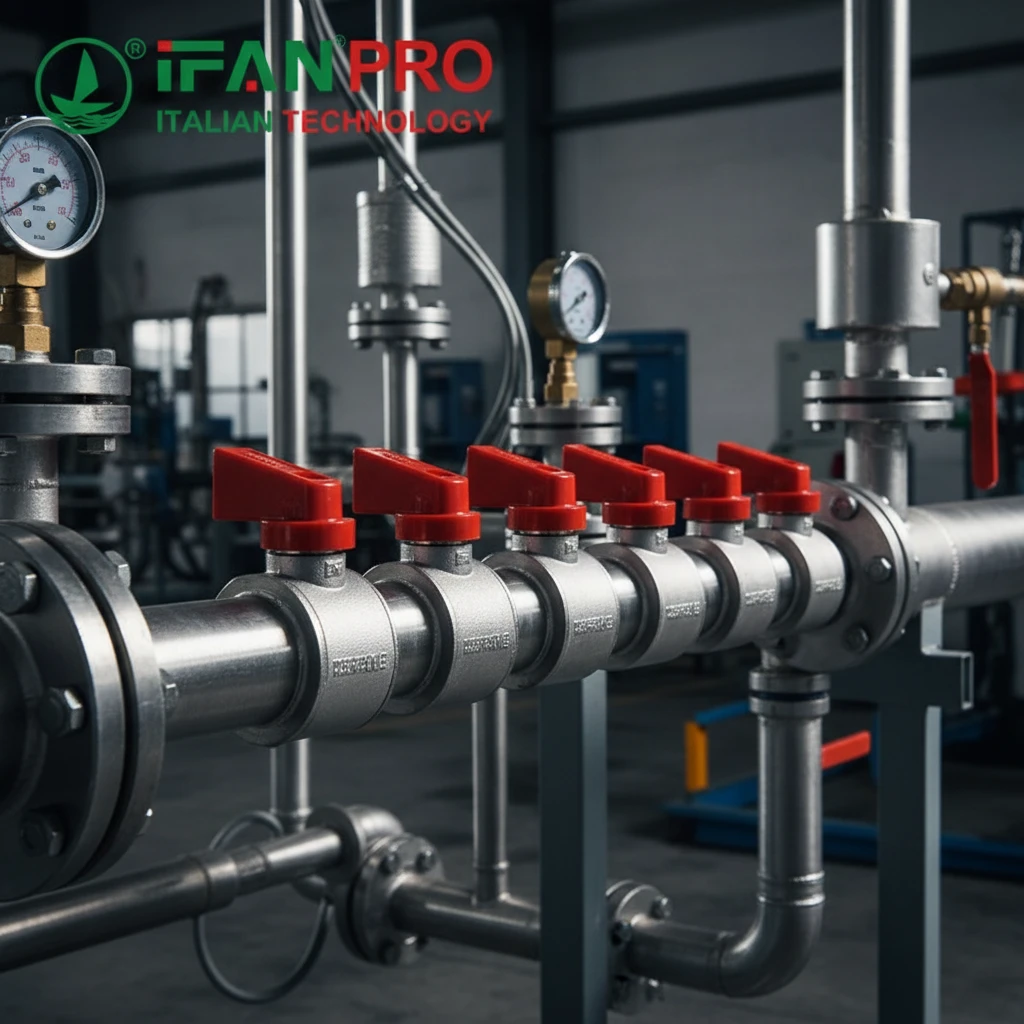
A client once sent me a failed mini valve that shut down their processing line. The root cause was always the wrong material choice for the job. Selecting the right materials isn’t just a specification; it’s the core of valve reliability.
The materials that ensure durability in industrial mini valves are robust metals like stainless steel and brass for the body, and advanced polymers or elastomers like PTFE, FKM, or EPDM for the seals. These materials are chosen for their combined resistance to corrosion, pressure, temperature extremes, and chemical attack, which together prevent failures and extend service life in demanding applications.
Understanding why these materials work is key to avoiding costly downtime. Let’s break down the critical choices.
Why Are Stainless Steel and Alloys Common for Industrial Mini Valve Bodies?
I’ve seen valve bodies made from weak materials crack under pressure. This is why the valve body, its main structure, must be incredibly strong.
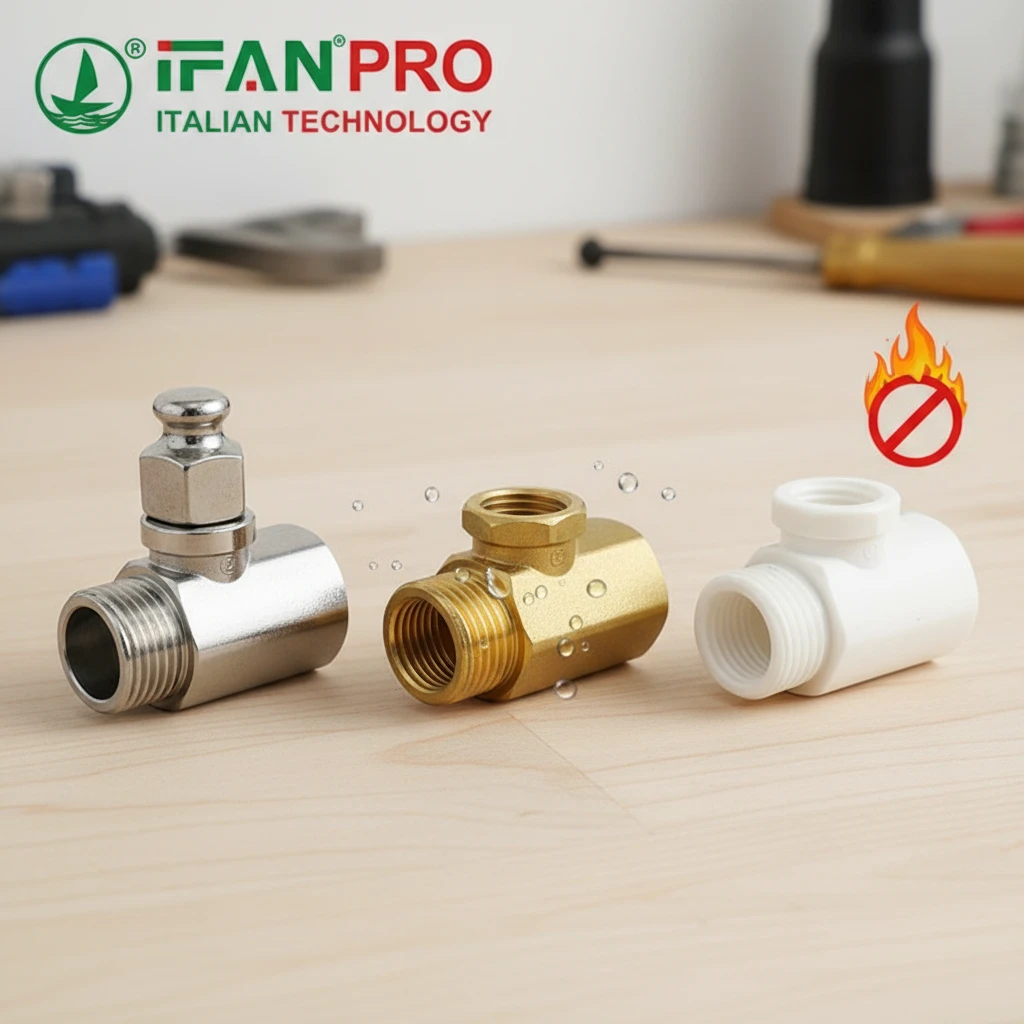
Stainless steel and alloys like brass and bronze are common for valve bodies because they provide the essential strength to handle high system pressures and resist corrosion from process fluids and outdoor environments. Their mechanical durability ensures the valve maintains its shape and sealing integrity, acting as a reliable and long-lasting housing for the internal components.
The Role of the Valve Body
Think of the valve body as the skeleton of the device. It must withstand internal pressure, external forces from piping, and potential physical impact without deforming or failing. This is where metal alloys excel.
Stainless steel, particularly grades like 304 and 316, is the top choice for tough conditions. The key reason is its excellent corrosion resistance. The chromium in stainless steel forms a passive oxide layer on the surface that protects it from rust and chemical attack. This makes it perfect for industries dealing with water, chemicals, steam, and food processing where cleanliness and purity are critical.
Comparing Common Body Materials
Not all applications need stainless steel. Here’s a comparison of common valve body materials:
| Material | Best For | Key Limitations |
|---|---|---|
| Stainless Steel (304/316) | Chemical processing, food & beverage, marine, high-purity systems. | Higher cost than brass; overkill for simple air/water lines. |
| Brass | General water, air, oil, and fuel applications. Low to medium corrosion. | Not suitable for strong acids or chlorides; can dezincify. |
| Bronze | Similar to brass but better for seawater and certain steam applications. | More expensive than brass; heavier. |
| Plastic (PVC, PP) | Highly corrosive chemicals at low temperatures and pressures. | Limited temperature and pressure ratings; can become brittle. |
Strength and Pressure Rating
Beyond corrosion, strength is vital. The valve body’s material directly determines its pressure rating. Stainless steel has a high tensile strength, meaning valves made from it can handle much higher pressures safely compared to plastic or even brass bodies. This is non-negotiable in hydraulic systems or high-pressure steam lines. Furthermore, these metal alloys maintain their strength across a wide temperature range, unlike plastics which can soften with heat. Choosing the correct body material is the first and most critical step in ensuring the valve won’t be the weak point in your system.
What Seal Materials Resist Chemicals, Temperature, and Wear in Harsh Conditions?
A valve body can be perfect, but a failed seal renders it useless. The seal is the dynamic component that faces the toughest conditions.
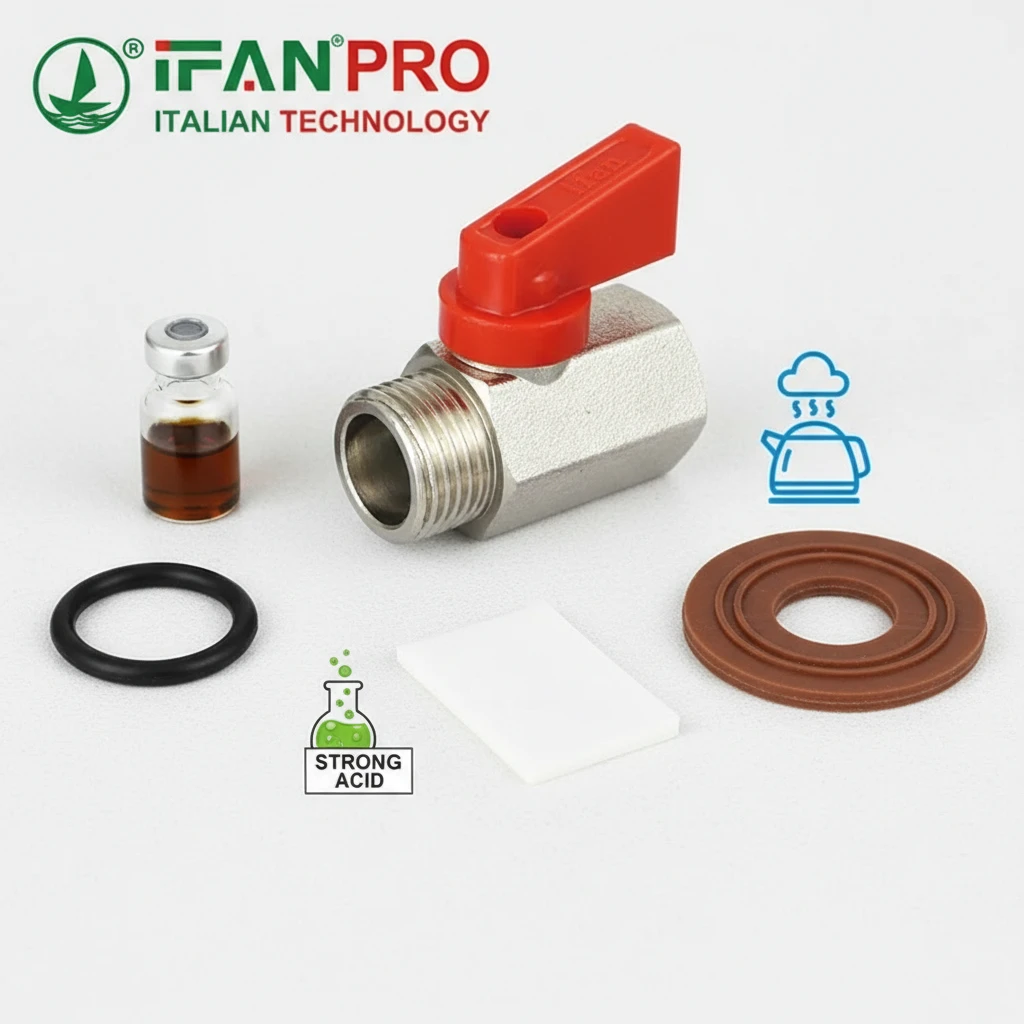
Seal materials like PTFE (Teflon), FKM (Viton), and EPDM resist chemicals, temperature, and wear by offering inert, non-stick surfaces and flexible yet durable compositions. PTFE handles nearly all chemicals, FKM excels with heat and oils, and EPDM is best for steam and water, each creating a reliable barrier where the moving parts meet.
The Critical Function of Seals
While the body is the skeleton, the seals (stem seals, seat seals, O-rings) are the heart and lungs. They must flex, compress, and slide while constantly exposed to the process media. A seal failure means a leak, which leads to product loss, safety hazards, and contamination.
The challenge is that no single seal material is perfect for everything. The choice depends entirely on the fluid (media) it will contact, its temperature, and the type of motion involved.
Guide to Common Seal Materials
Here is a practical guide to the most common high-performance seal materials:
| Seal Material | Key Strengths | Common Uses | Temperature Range (Approx.) |
|---|---|---|---|
| PTFE (Teflon) | Chemical Resistance: Inert to almost all chemicals. Low friction. | Aggressive acids, bases, solvents, high-purity systems. | -200°C to +260°C |
| FKM (Viton) | Heat & Oil Resistance: Excellent with oils, fuels, and at high temps. | Hydraulic systems, automotive, chemical processing. | -20°C to +200°C |
| EPDM | Steam & Water Resistance: Excellent for hot water, steam, and weather. | Food processing, pharmaceuticals, water treatment, outdoor use. | -50°C to +150°C |
| NBR (Buna-N) | General Purpose: Good for oils, water, and hydraulic fluids at lower cost. | General industrial use, water, air, hydraulic oil. | -30°C to +120°C |
Matching the Seal to the Application
Selecting the wrong seal is a frequent and costly mistake. For example, using a standard NBR O-ring in a system with ozone or strong sunlight will cause it to crack and fail quickly. EPDM would be the correct choice there. Similarly, using FKM with certain ketones or esters can cause it to swell and degrade. PTFE would be necessary.
Wear resistance is another key factor. In valves with frequent actuation, like solenoid valves, the seal material must withstand constant sliding or twisting without degrading. PTFE’s low friction and high wear resistance make it ideal for such dynamic seals. Always consult chemical compatibility charts and consider the full operating environment—not just the fluid, but also the surrounding atmosphere and temperature cycles—when specifying seal materials.
How Does Material Choice Affect the Valve’s Lifespan in Continuous Operation?
A valve in a lab used once a day has an easy life. A valve in a 24/7 production line faces a relentless battle against fatigue and wear.
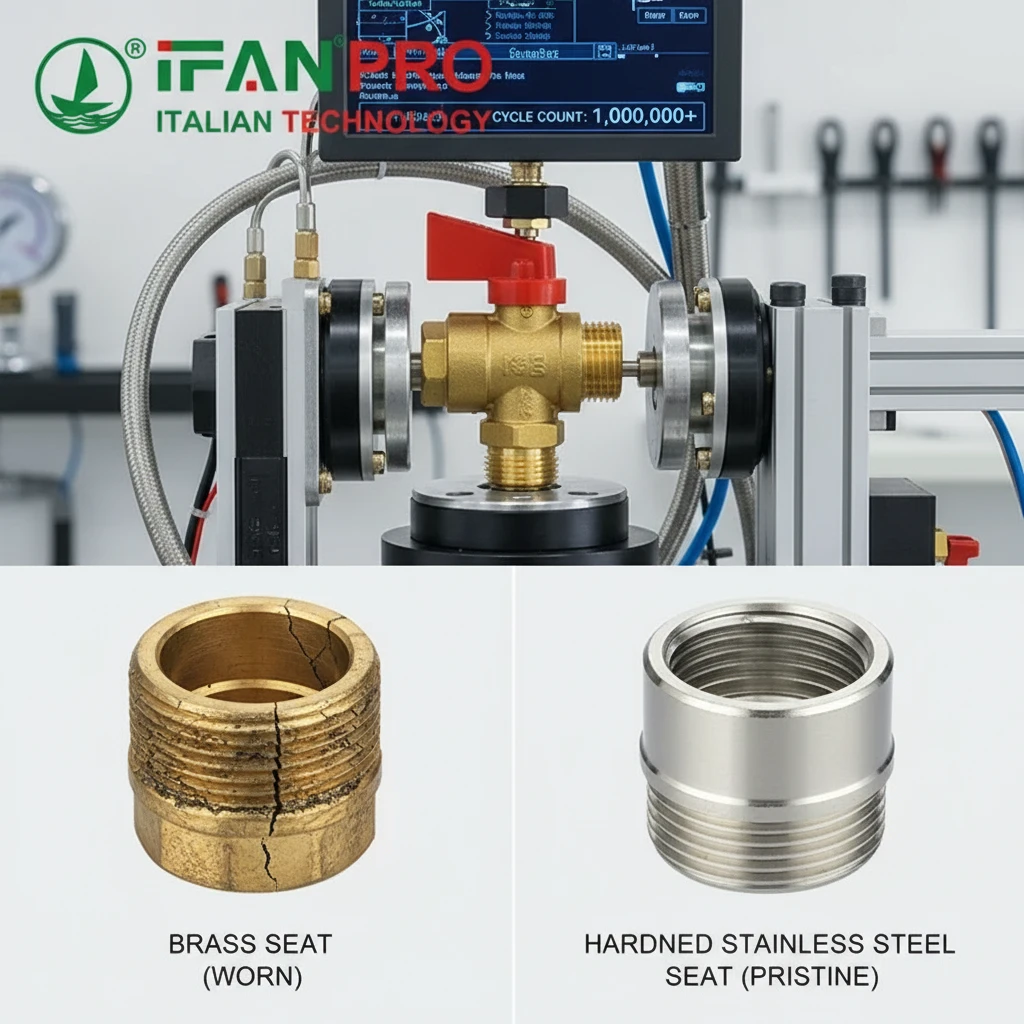
Material choice directly determines a valve’s lifespan in continuous operation by defining its resistance to wear, fatigue, and creep. Superior materials like hardened stainless steel for stems and ceramic or PEEK for seats slow down the degradation caused by constant friction and pressure cycles, preventing leaks and failures that shut down production.

Understanding Wear and Fatigue
In continuous operation, valves are in a constant state of stress. They cycle open and closed thousands of times, internal parts rub against each other, and pressure is always present. This leads to two main failure modes: wear and fatigue.
Wear happens when two surfaces move against each other. In a valve, this occurs between the stem and seal, the ball and seat, or the plunger and body. If these parts are made from soft or incompatible materials, they will wear down quickly. For example, a brass stem in a corrosive fluid will erode, increasing clearance and causing a leak. The solution is to use harder, more wear-resistant materials or compatible pairs. A hardened stainless steel stem paired with a PTFE seal is a classic durable combination.
The Problem of Material Fatigue
Fatigue is different. It is the weakening of a material caused by repeatedly applied loads, like the constant pressure inside the valve or the stress of actuation. Even if the pressure is well below the material’s ultimate strength, cyclic loading can cause microscopic cracks to form and grow over time, eventually leading to a sudden break. High-quality alloys like 316 stainless steel have excellent fatigue resistance, meaning they can withstand these cycles for a much longer time before any crack initiates.
The Impact of Temperature and Creep
Continuous operation often means constant high temperatures. This introduces another factor: creep. Creep is the slow, permanent deformation of a material under constant stress at high temperature. A valve seat made from a plastic not rated for the operating temperature can slowly deform (creep) over months, losing its shape and its ability to seal. This is why high-temperature applications demand high-performance materials like PEEK or metal seats.
Lifespan Comparison Based on Material Upgrades
Consider a simple on/off mini ball valve in a hot water line:
- Basic Setup (Prone to Failure): Brass body with NBR seals. The brass may dezincify over time, weakening. The NBR seals will harden and crack from constant heat exposure, leading to leaks within a year or two.
- Durable Setup (Long Lifespan): 316 Stainless steel body with EPDM seals. The stainless steel resists corrosion indefinitely. The EPDM seals are designed for continuous hot water service, maintaining flexibility and seal for many years.
Investing in the correct materials for continuous duty is not an extra cost; it is an investment in uninterrupted production and lower total cost of ownership.
Are There Material Certifications for Specific Industries like Food or Pharma?
Sending a standard industrial valve to a food plant can cause a regulatory shutdown. In controlled industries, material proof is as important as performance.
Yes, strict material certifications exist for industries like food (FDA, NSF), pharmaceuticals (USP Class VI, FDA CFR 21), and potable water (NSF/ANSI 61). These certifications guarantee that all wetted materials are non-toxic, do not leach contaminants, and can be cleaned thoroughly, ensuring product purity and consumer safety.
Why Standard Industrial Valves Aren’t Enough
In a food, beverage, or pharmaceutical factory, the product often comes into direct contact with the valve. Any tiny amount of lead, plasticizer, or other substance leaching from the valve material can contaminate the entire batch. Furthermore, valves in these industries must be designed for easy and complete cleaning (Clean-in-Place or Sterilize-in-Place processes) to prevent bacterial growth. Standard industrial valves may use seals with additives that can migrate or bodies with internal cavities that trap product.
Key Certifications Explained
Certifications are a supplier’s proof that their valve materials meet these extraordinary hygiene standards. Here are the most critical ones:
| Certification | Industry Focus | What It Means for Valve Materials |
|---|---|---|
| FDA 21 CFR | Food & Beverage, Pharma | Materials must be safe for contact with food/drugs. No harmful toxins can leach out. |
| NSF/ANSI 51 & 61 | Food Equipment & Drinking Water | Certifies materials are safe for food contact and do not leach contaminants into drinking water. |
| USP Class VI | Pharmaceutical, Medical | The strictest plastic test. Involves implanting material in animals to check for biological reactivity. |
| EHEDG/3-A | Food, Dairy, Beverage | Focuses on design hygiene—valves must be cleanable and drainable without trapping product. |
| ATEX/IECEx | Potentially Explosive Atmospheres | Certifies materials and construction won’t generate sparks that could ignite flammable dust or gases. |
The Importance of Traceability
For pharmaceutical and biotech applications, material traceability is also required. This means the valve manufacturer must provide documentation tracing the specific material batch of the wetted components back to their source. This is part of the broader need for full documentation, often a Drug Master File (DMF), that regulators can review.
Practical Advice for Buyers
If you are sourcing valves for these industries, you must explicitly ask for these certifications. Do not assume a “sanitary” looking valve is certified. Always request the official certification documents for the specific valve model. Reputable manufacturers like IFAN design product lines specifically to meet these standards, using certified grades of stainless steel (e.g., 316L) and high-purity sealing materials like PTFE, EPDM, or silicone. Using uncertified valves risks product rejection, regulatory fines, and damage to your brand’s reputation.
Conclusión
Choosing the right materials for valve bodies, seals, and components is the foundation of durability and safety in industrial applications. For valves that meet exacting material and certification standards, explore the IFAN range of industrial mini valves.










 Español
  English
  Français
  Русский
Comentarios recientes