
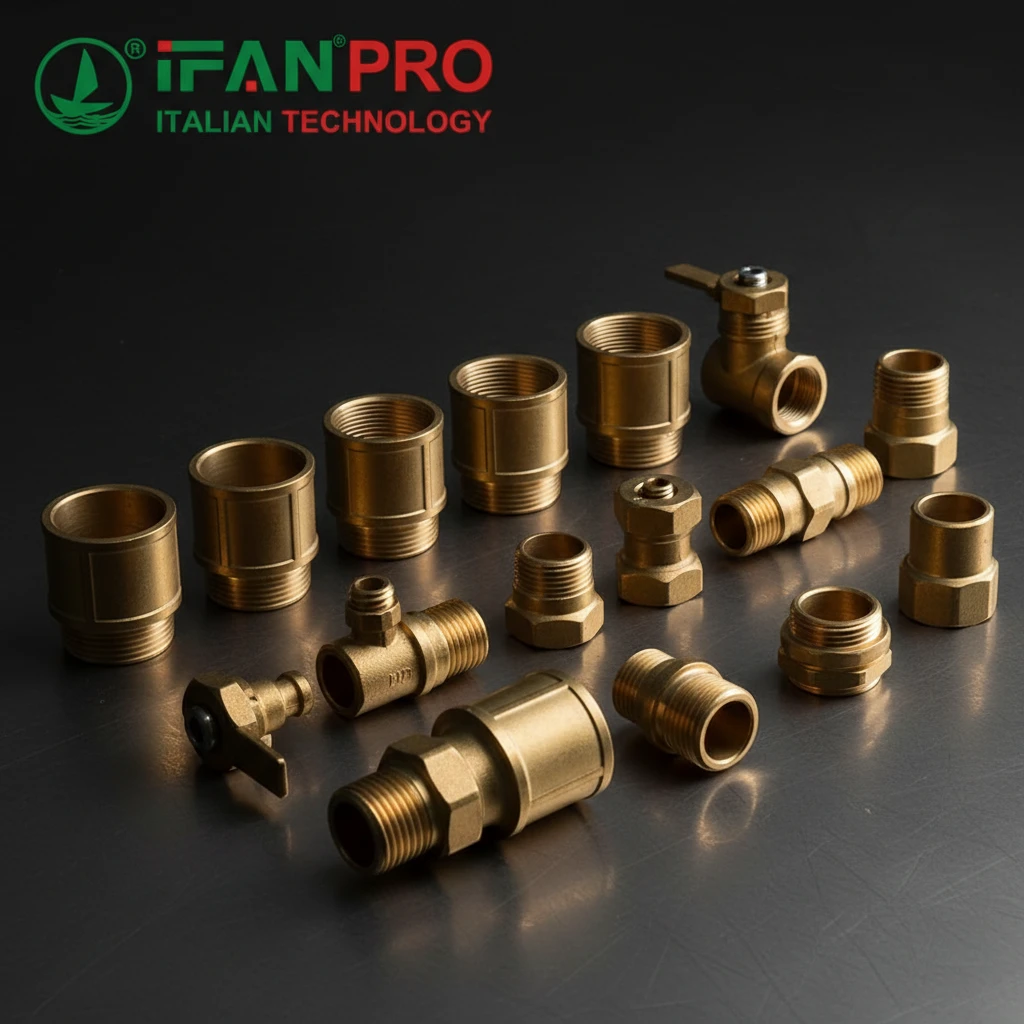
I’ve seen fittings fail on the production line because the material couldn’t handle the stress. This constant battle for reliability is why we at IFAN value brass 407 so much for precision mechanical components.
Brass 407 (Cuzn39Pb3) is ideal for mechanical fittings because it offers an unmatched balance of excellent machinability for complex shapes, inherent lubrication for durable threads, and a perfect mix of strength and ductility for both threaded and press-connect systems, all at a reasonable cost.
Let’s break down exactly why this specific brass alloy has become the industry’s reliable workhorse.
How Does Its Excellent Machinability Benefit the Production of Precision Fittings?
Machinists often struggle with materials that wear tools down quickly or produce poor finishes. Brass 407 removes this headache.
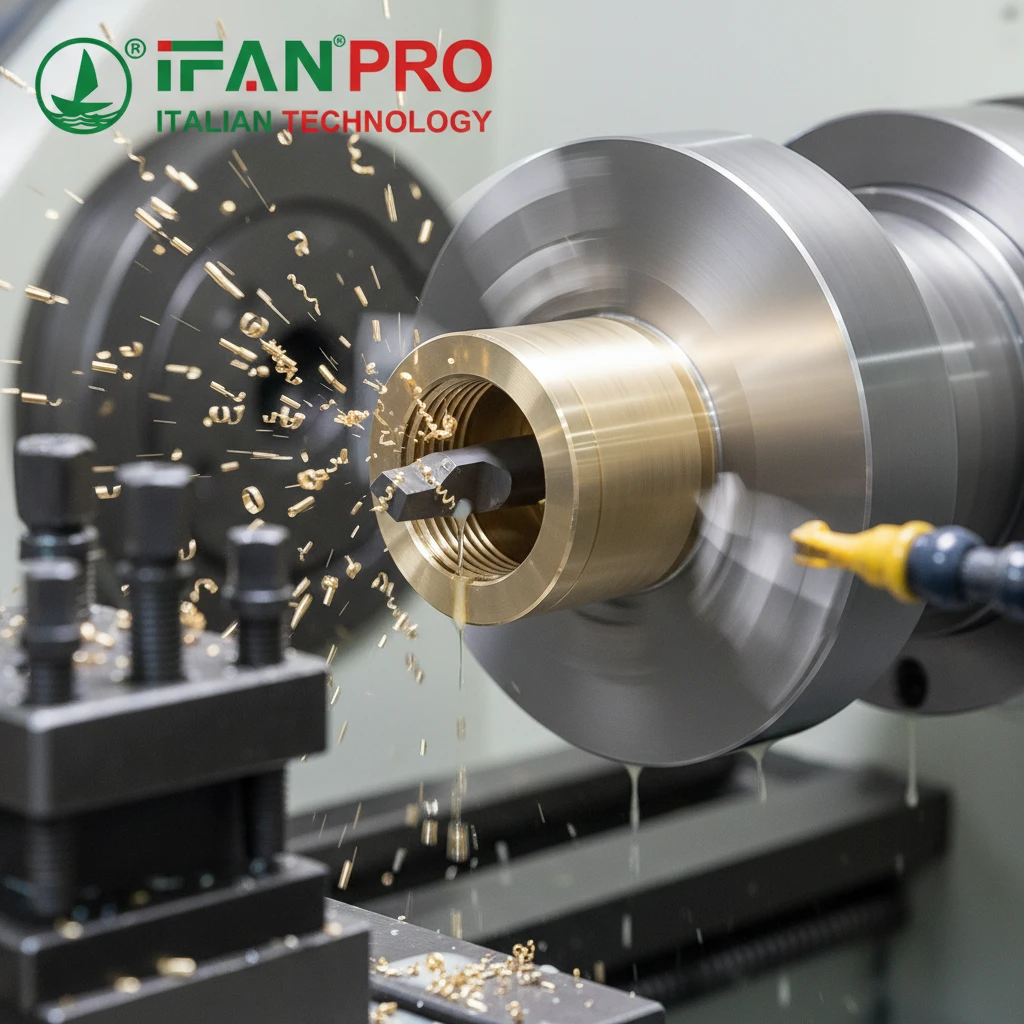
The excellent machinability of Brass 407 allows for high-speed production of complex, precision-fitting shapes with smooth surfaces and tight tolerances. It produces small, broken chips that clear easily, reduces tool wear significantly, and enables superior surface finishes right off the machine, minimizing costly secondary operations.
The Role of Lead in Machinability
Machinability means how easily a material can be cut, drilled, or shaped into a final part. Brass 407, also known as free-machining brass, is famous for this. The key reason is its about 3% lead content. The lead forms tiny, dispersed particles within the copper-zinc matrix.
These particles act as internal lubricants during machining. They help break the chips into small pieces instead of long, dangerous, continuous strands. This leads to several major benefits for fitting manufacturers.
Benefits for High-Volume Production
First, tool life increases dramatically. Tools run cooler and experience less friction, so they don’t need to be replaced or sharpened as often. This reduces production downtime and cost.
Second, the surface finish is exceptionally smooth directly from the lathe or mill. For fittings, a smooth surface inside and out is critical. It ensures better seal contact, reduces friction for moving parts, and improves corrosion resistance. With other materials, achieving this might require an extra polishing step, but Brass 407 often delivers it straight from machining.
Comparing Machinability of Common Fitting Materials
The table below shows why Brass 407 is a top choice for manufacturers.
| Material | Machinability Rating (100% = Free Cutting Brass) | Key Machining Challenges |
|---|---|---|
| Brass 407 (Cuzn39Pb3) | 100% | Excellent chip formation, low tool wear, high-speed capable. |
| Stainless Steel 304 | 25% | Work-hardens quickly, produces stringy chips, high tool wear. |
| Carbon Steel 1018 | 50% | Moderate tool wear, requires more power to cut. |
| Aluminum 6061 | 80% | Can gum up tools, requires sharp cutting edges. |
Enabling Complex Designs
Finally, this machinability allows for the cost-effective production of intricate fitting designs. Complex internal ports, detailed external features, and precise threading can all be made quickly and accurately. This gives engineers more freedom to design fittings for optimal performance without being limited by manufacturing constraints. For our clients at IFAN, this means we can source fittings that meet exact specifications reliably and efficiently.
Why Does It Provide Reliable Threads That Are Resistant to Stripping?
Stripped threads are a common and frustrating failure point that can cause leaks and system breakdowns. Brass 407 is a trusted solution.
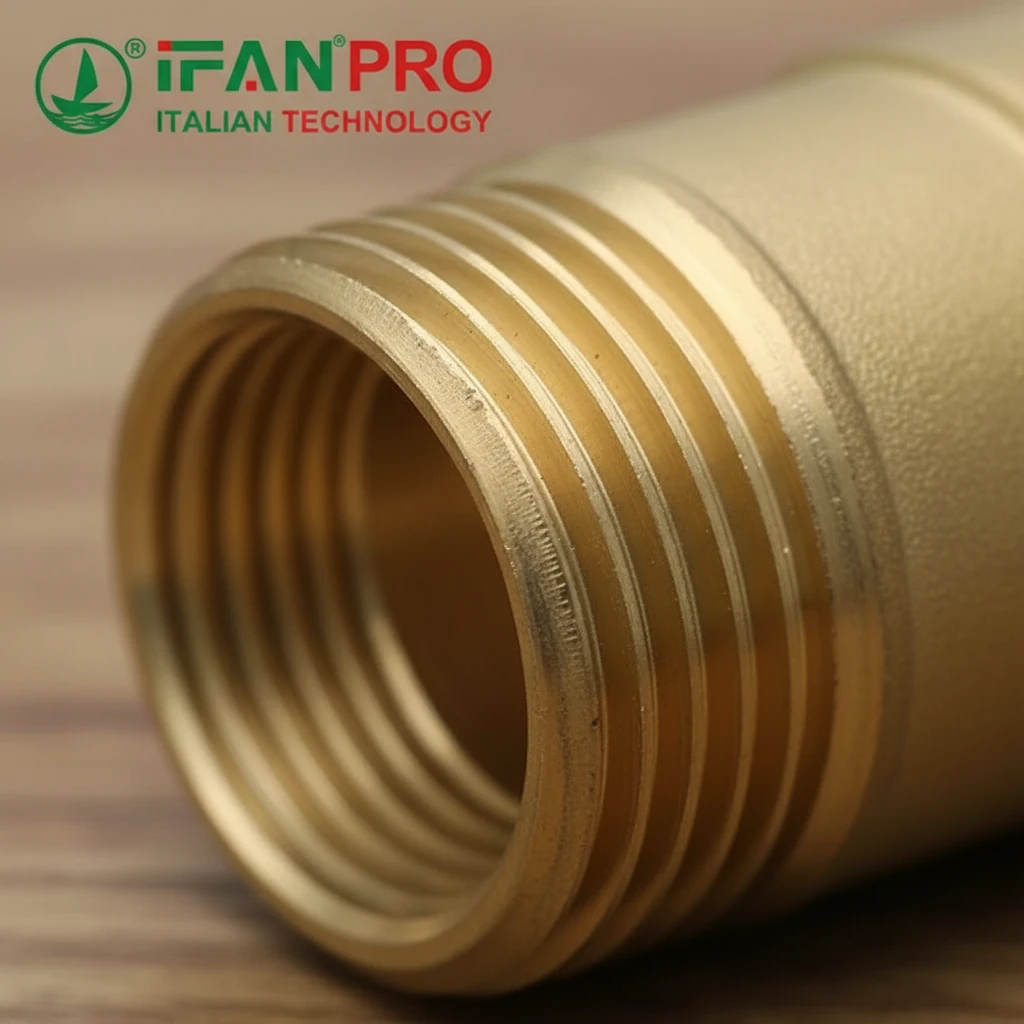
Brass 407 provides reliable, strip-resistant threads because the embedded lead particles act as a solid lubricant during the threading process. This lubrication reduces friction and galling, allows for the creation of clean, sharp threads without material tearing, and results in a thread form that is durable through repeated assembly and disassembly.
The Mechanics of Thread Stripping
Thread stripping usually happens due to two main issues: friction during installation (galling) or the thread material itself being too soft or brittle to handle the shear forces. Brass 407 addresses both problems effectively.
The lead content in Brass 407 is crucial here. When a tap cuts an internal thread or a die forms an external thread, the lead particles smear along the freshly cut metal surface. This creates a lubricated interface. This process reduces the cutting force needed and prevents the tool from “grabbing” and tearing the material, which can create weak points in the thread root.
Ensuring Thread Integrity and Durability
Because the threads are cut cleanly, they have a full, sharp profile. A full-profile thread can distribute the clamping load evenly across all the threads engaged, rather than concentrating stress on just the first few. This makes the connection stronger and less likely to strip when tightened.
Furthermore, the natural lubricity of brass means that during future assembly (like when a fitting is installed into a port), there is less friction. Less friction means the installer is less likely to over-torque the fitting in an attempt to overcome resistance. Over-torquing is a primary cause of thread stripping. Essentially, Brass 407 makes it easier to achieve the correct tightness without damage.
Performance in Dynamic Applications
This reliability is vital for fittings in systems that may require maintenance. A fitting made from a material prone to galling, like some stainless steels, might seize completely after one use. A Brass 407 fitting can typically be disassembled and reassembled several times while maintaining a good seal and thread integrity. This durability translates directly to lower lifetime maintenance costs and greater system reliability for the end-user.
How Does Its Combination of Strength and Ductility Suit Press-Connect Systems?
Modern plumbing and hydraulic systems increasingly use press-connect fittings for speed. The material must deform reliably without failing.
The combination of strength and ductility in Brass 407 is ideal for press-connect systems because it has enough strength to maintain the fitting’s shape under pressure, yet sufficient ductility to deform predictably when crimped. This ensures a tight, permanent seal around the tube without cracking or compromising the fitting’s internal structure.
Understanding Press-Connect Technology
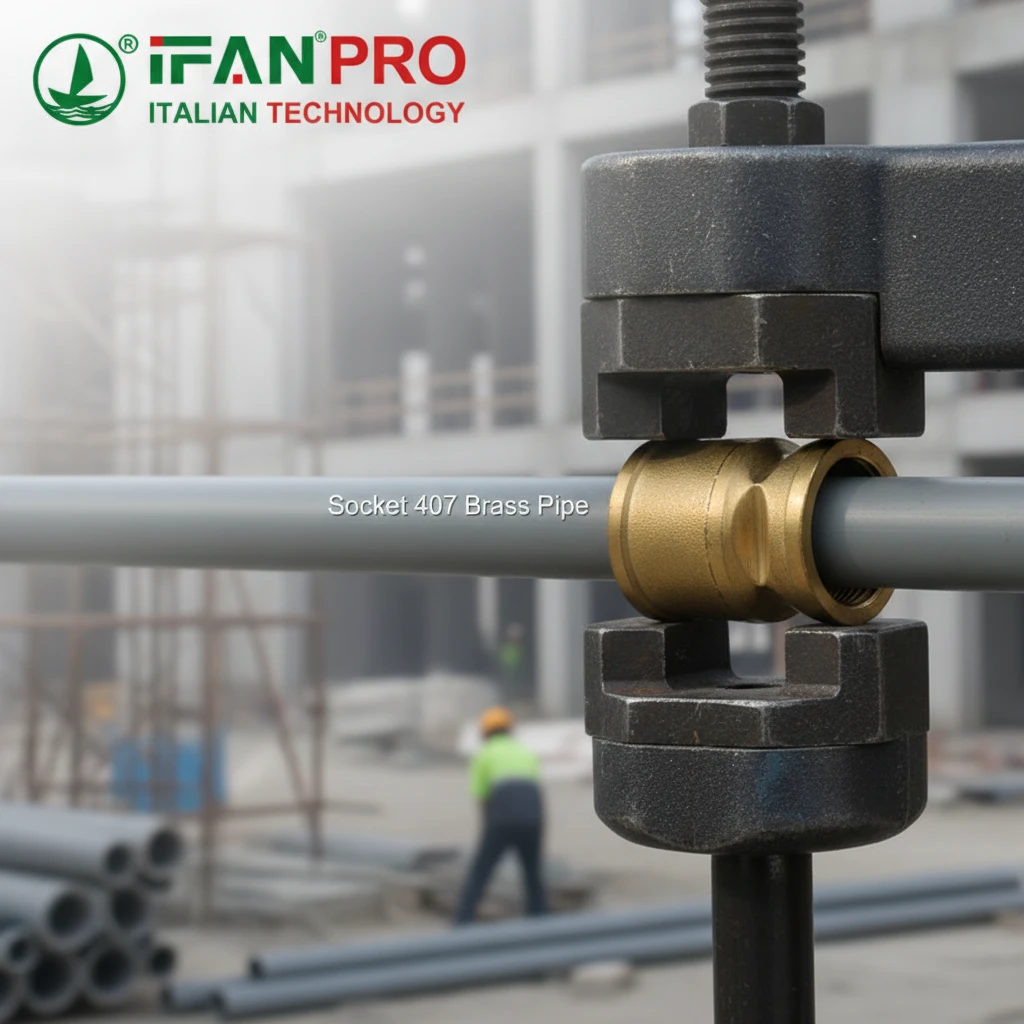
Press-connect systems use a specialized tool to crimp a metal ring (or the fitting itself) around an inserted tube. This creates a permanent, mechanical seal. The success of this seal depends entirely on the material properties of the fitting.
The fitting material must perform a delicate balancing act. It needs yield strength to resist bursting under high line pressure. But it also needs ductility—the ability to be deformed without breaking. A material that is too hard and brittle will crack during the crimping process. A material that is too soft may not provide enough gripping force or could deform under pressure over time.
Why Brass 407 Strikes the Perfect Balance
Brass 407 sits perfectly in this middle ground. Its copper-zinc base provides a solid foundation of strength, allowing it to withstand typical water and gas pressures found in residential and commercial systems. More importantly, the lead particles in the alloy improve its ductility and malleability.
During the crimping operation, the brass deforms smoothly and uniformly around the tube. It flows into the irregularities of the tube surface and the sealing element (like an O-ring or gasket groove), creating a leak-tight metal-to-metal embrace. This deformation is permanent and spring-free, meaning the fitting will not relax and loosen over time.
Material Comparison for Press-Connect Applications
Consider the alternatives:
- Very Ductile Copper: While excellent for bending, annealed copper can be too soft for some press-fitting applications, potentially deforming under sustained pressure.
- Harder Bronzes or Stainless Steels: These may require significantly more crimping force and are more prone to cracking if the tooling or process is not perfectly controlled.
Brass 407 is the reliable, forgiving, and high-performance choice. It gives installation technicians a wide margin for error, ensuring a high success rate for leak-free connections in the field. For IFAN’s clients sourcing these systems, this means fewer callbacks and higher customer satisfaction.
What Makes It a Cost-Effective and Reliable Choice for Valve Bodies?
A valve body is the heart of the control point, facing constant pressure and thermal stress. Compromise here is not an option.
Brass 407 is a cost-effective and reliable choice for valve bodies because it machines easily into complex internal passages, resists corrosion from water and fuels, possesses good bearing properties for smooth stem operation, and offers robust strength for pressure containment, all at a material cost lower than many specialty alloys.
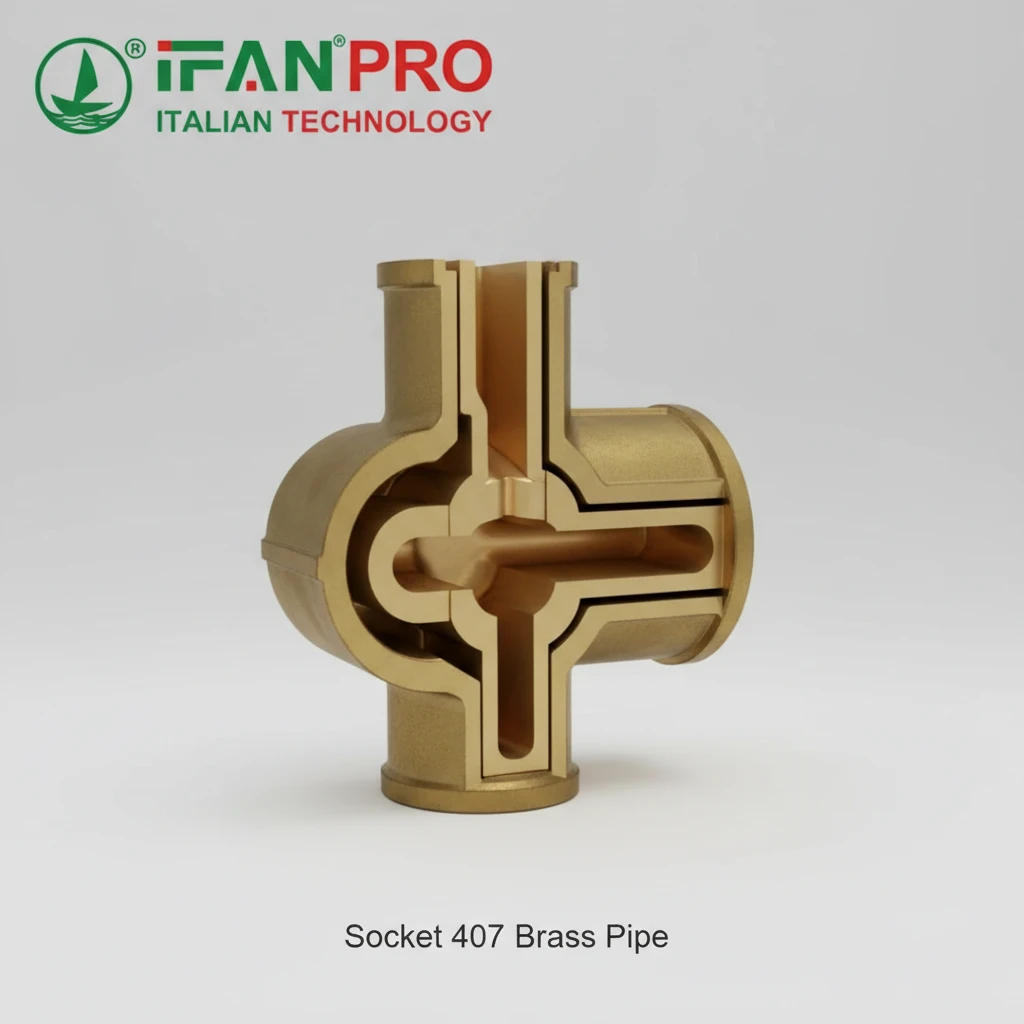
The Demands on a Valve Body
A valve body is one of the most complex and critical components in a fluid system. It must:
- Contain internal pressure.
- Allow for the machining of precise internal chambers, ports, and seatings.
- Provide threaded or connection ends.
- Often act as a bearing surface for the valve stem.
- Resist corrosion from the medium it controls.
Brass 407 meets all these demands in a balanced and economical way.
Analyzing the Cost vs. Performance Equation
From a manufacturing cost perspective, its superb machinability is the biggest driver of savings. Valve bodies have intricate internal geometries. The ability to machine these features quickly, with minimal tool wear and excellent surface finish, keeps production costs down. This saving is passed down the supply chain.
From a performance perspective, its material properties are perfectly suited:
- Pressure Containment: It has more than enough tensile and yield strength for standard plumbing, heating, and industrial air applications.
- Corrosion Resistance: It resists dezincification (a selective leaching of zinc) much better than some basic brasses, especially in modern, inhibited forms. It performs well with water, oils, fuels, and refrigerants.
- Bearing Properties: The lubricity provided by lead is again beneficial here. A valve stem turning in a Brass 407 body experiences less friction and wear, ensuring smooth operation and longer service life without seizing.
Reliability in Harsh Environments
While not for highly corrosive chemicals or extreme high-pressure steam, for the vast majority of applications—from household water shut-offs to commercial irrigation valves—Brass 407 provides decades of reliable service. Its reliability stems from this well-rounded set of properties; it doesn’t excel in just one area but performs very well across all the requirements of a valve body.
Total Value Proposition Table
| Factor | Benefit of Brass 407 | Result for the Buyer |
|---|---|---|
| Material Cost | Lower than stainless steel or specialized bronze alloys. | Lower initial component cost. |
| Machining Cost | Excellent machinability reduces processing time and tooling expense. | Lower final part price and higher supply stability. |
| Performance | Good strength, corrosion resistance, and self-lubrication. | Long service life, low maintenance, reduced failure risk. |
| Versatility | Suitable for water, gas, oil, and HVAC applications. | Simplifies inventory and sourcing. |
This combination of lower initial cost and proven long-term reliability is what defines true cost-effectiveness. It’s the reason Brass 407 remains the standard material for millions of valve bodies worldwide.
Conclusión
For durable, easy-to-machine, and cost-effective mechanical fittings and valve bodies, Brass 407 is the proven standard. For your next project requiring reliable brass components, partner with IFAN to source premium-quality Brass 407 fittings.










 Español
  English
  Français
  Русский
Comentarios recientes