
When working with fluid systems, understanding the distinction between pipes and manifolds is crucial. These components serve different purposes in pipeline networks. Let’s explore their unique characteristics and applications.
What is a Pipe?
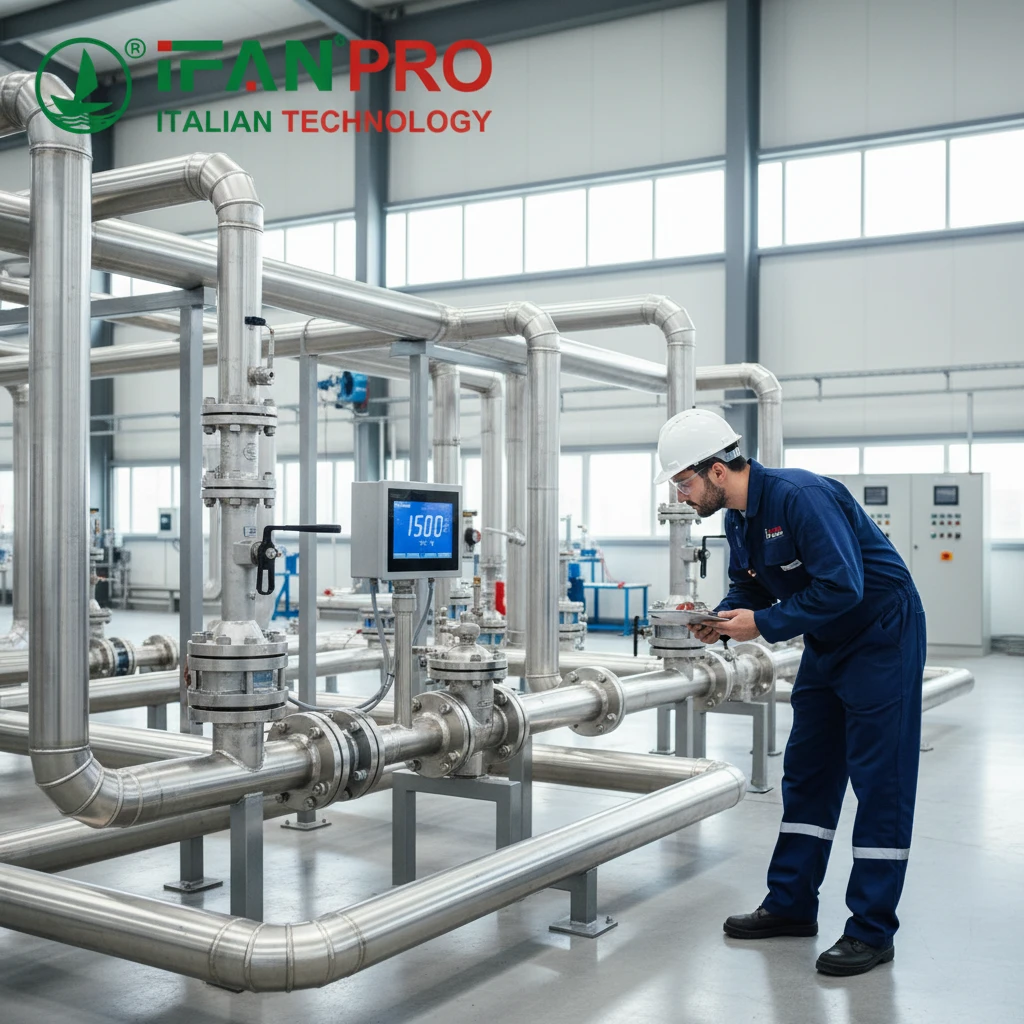
A pipe is a hollow cylinder designed to transport fluids from one location to another. Pipes create linear pathways for gas, liquid, or steam flow. They come in various materials including steel, copper, PVC, and stainless steel.
Key characteristics of pipes:
- Single inlet and outlet
- Uniform diameter throughout length
- Primary function: transportation
- Available in standard sizes
- Can be welded, threaded, or flanged
What is a Manifold?
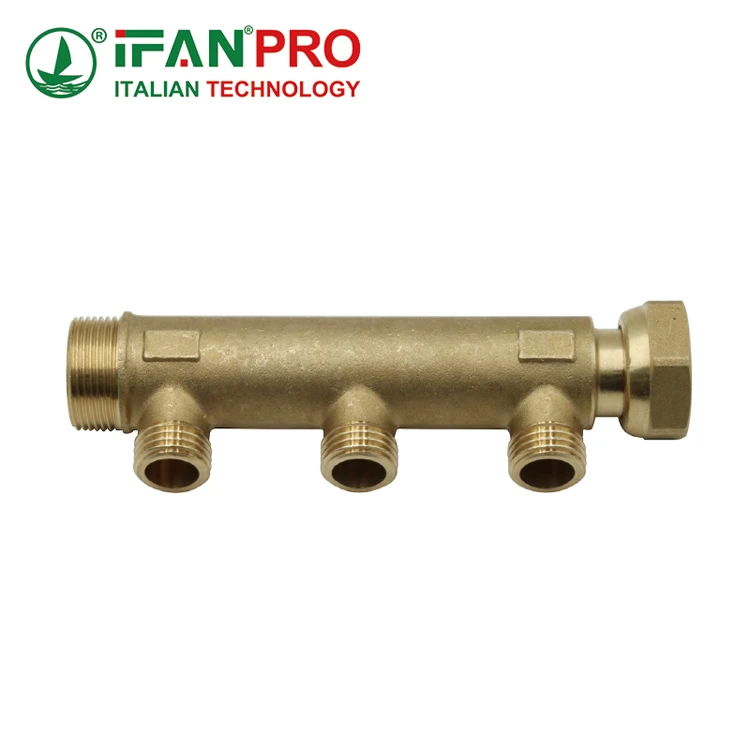
A manifold is a specialized component that distributes or collects fluid from multiple sources. Think of it as a central hub with multiple connection points. Manifolds split one input into several outputs or combine multiple inputs into one output.
Key characteristics of manifolds:
- Multiple inlets and outlets
- Central chamber or header design
- Primary function: distribution or collection
- Custom configurations available
- Often includes valves and gauges
Primary Differences Between Pipes and Manifolds
1. Function and Purpose
Pipes transport fluids between two points. Manifolds distribute fluids to multiple destinations or collect from multiple sources.
2. Design Structure
Pipes maintain consistent diameter and straight-line flow paths. Manifolds feature enlarged chambers with multiple branch connections.
3. Flow Characteristics
Pipes create unidirectional flow between endpoints. Manifolds enable multi-directional flow distribution.
4. System Integration
Pipes connect individual components. Manifolds serve as central distribution hubs in complex systems.
Applications in Different Industries
Pipe Applications
- Water supply systems
- Oil and gas transportation
- HVAC ductwork
- Sewage and drainage
- Chemical processing lines
Manifold Applications
- Heating systems (radiator manifolds)
- Hydraulic systems
- Fuel injection systems
- Industrial gas distribution
- Water filtration systems
Material Considerations
Both pipes and manifolds require material selection based on:
- Fluid type and temperature
- Pressure requirements
- Corrosion resistance needs
- Environmental conditions
- Cost considerations
Common materials include carbon steel, stainless steel, brass, and specialized alloys.
Size and Configuration Options
Pipe Sizing
Pipes follow standardized sizing systems. Common measurements include nominal pipe size (NPS) and outside diameter (OD). Wall thickness varies based on pressure ratings.
Manifold Configuration
Manifolds offer more customization options. Port sizes, spacing, and orientations can be tailored to specific applications. Custom manifolds provide optimal flow distribution for unique requirements.
Installation and Maintenance
Pipe Installation
Pipe installation involves:
- Proper support and alignment
- Appropriate joining methods
- Expansion compensation
- Insulation when required
Manifold Installation
Manifold installation requires:
- Secure mounting systems
- Individual valve control
- Access for maintenance
- Flow balancing capabilities
Cost Considerations
Pipes typically cost less per linear foot than manifolds. However, manifolds can reduce overall system costs by:
- Simplifying complex piping layouts
- Reducing fitting requirements
- Improving maintenance access
- Enabling better flow control
Choosing Between Pipes and Manifolds
Select pipes when you need:
- Simple point-to-point connections
- Long-distance fluid transport
- Minimal flow splitting requirements
- Cost-effective solutions
Choose manifolds when you need:
- Multiple distribution points
- Centralized control systems
- Complex flow patterns
- Space-efficient designs
Custom Solutions for Specific Applications
Many applications benefit from custom-designed manifolds that integrate seamlessly with standard piping systems. Professional manufacturers can create solutions that optimize performance while reducing installation complexity.
Conclusión
Pipes and manifolds serve complementary roles in fluid systems. Pipes excel at transportation between points. Manifolds excel at distribution and collection functions. Understanding these differences helps engineers select appropriate components for optimal system performance.
The choice between pipes and manifolds depends on your specific application requirements, space constraints, and performance goals. Consider consulting with pipeline specialists to determine the best solution for your project.











 Español
  English
  Français
  Русский
Comentarios recientes