
Pipe fittings connect, control, and redirect fluid flow in plumbing and industrial systems. Understanding the most common types helps you choose the right components for your project.
The Three Most Common Pipe Fittings
1. Elbow Fittings
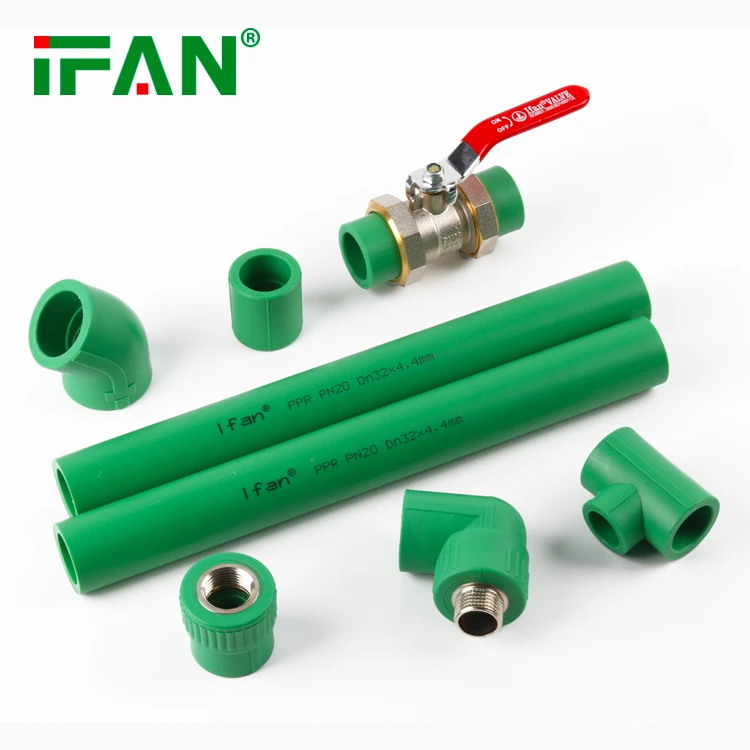
Elbow fittings change pipe direction. They come in 45-degree and 90-degree angles.
90-degree elbows create sharp turns in tight spaces. They’re essential for corner installations and directional changes in confined areas.
45-degree elbows provide gentler direction changes. This reduces pressure loss and maintains better flow rates compared to sharp 90-degree turns.
Key applications:
- Residential plumbing systems
- HVAC installations
- Industrial process piping
- Water distribution networks
2. Tee Fittings
Tee fittings split one pipe into two branches. They create T-shaped connections that distribute flow in multiple directions.
Equal tees have three openings of identical diameter. They split flow evenly between two outlet branches.
Reducing tees feature different sized openings. The branch outlet is smaller than the main pipe run, allowing size transitions while creating branches.
Common uses:
- Water supply distribution
- Drainage systems
- Gas line branching
- Irrigation networks
3. Coupling Fittings
Coupling fittings join two pipe sections together. They extend pipe runs and repair damaged sections.
Full couplings connect pipes of the same diameter. They create seamless connections for straight pipe runs.
Reducing couplings join pipes of different sizes. One end fits a larger pipe while the other connects to a smaller diameter.
Typical applications:
- Pipe repairs and extensions
- System maintenance
- Size transitions
- Emergency fixes
Material Options for Pipe Fittings
PVC Fittings
Lightweight and corrosion-resistant. Perfect for water supply and drainage applications.
Stainless Steel Fittings
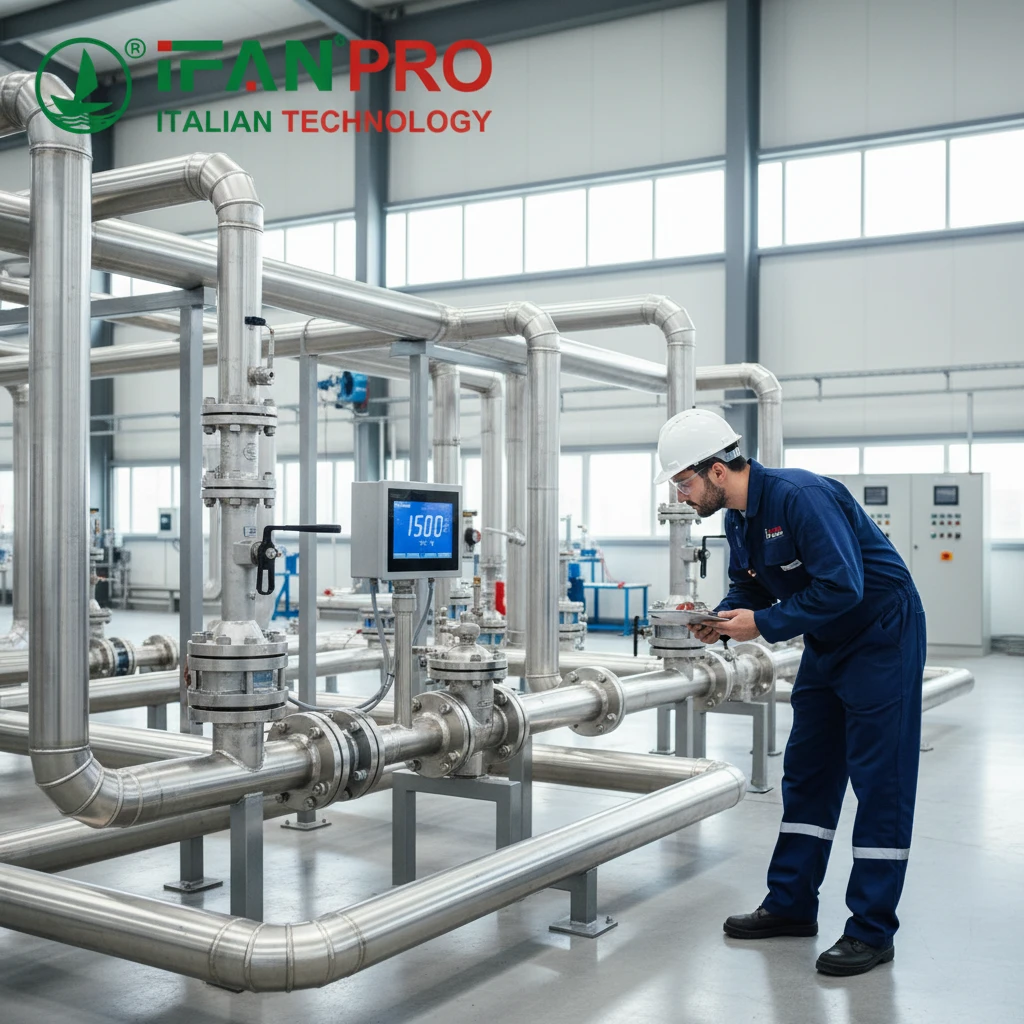
Superior durability and chemical resistance. Ideal for industrial and high-pressure systems.
Accesorios de latón
Excellent for hot water systems. Provides reliable performance in residential plumbing.
Carbon Steel Fittings
High strength for demanding industrial applications. Suitable for high-pressure and high-temperature environments.
Choosing the Right Pipe Fitting
Consider pressure requirements. High-pressure systems need robust materials like stainless steel or carbon steel.
Evaluate temperature conditions. Hot water applications require materials that won’t degrade under heat stress.
Assess chemical compatibility. Corrosive fluids demand chemically resistant materials like PVC or specialized alloys.
Factor in installation environment. Outdoor installations need UV-resistant and weatherproof materials.
Installation Best Practices
Proper fitting installation ensures system reliability and longevity.
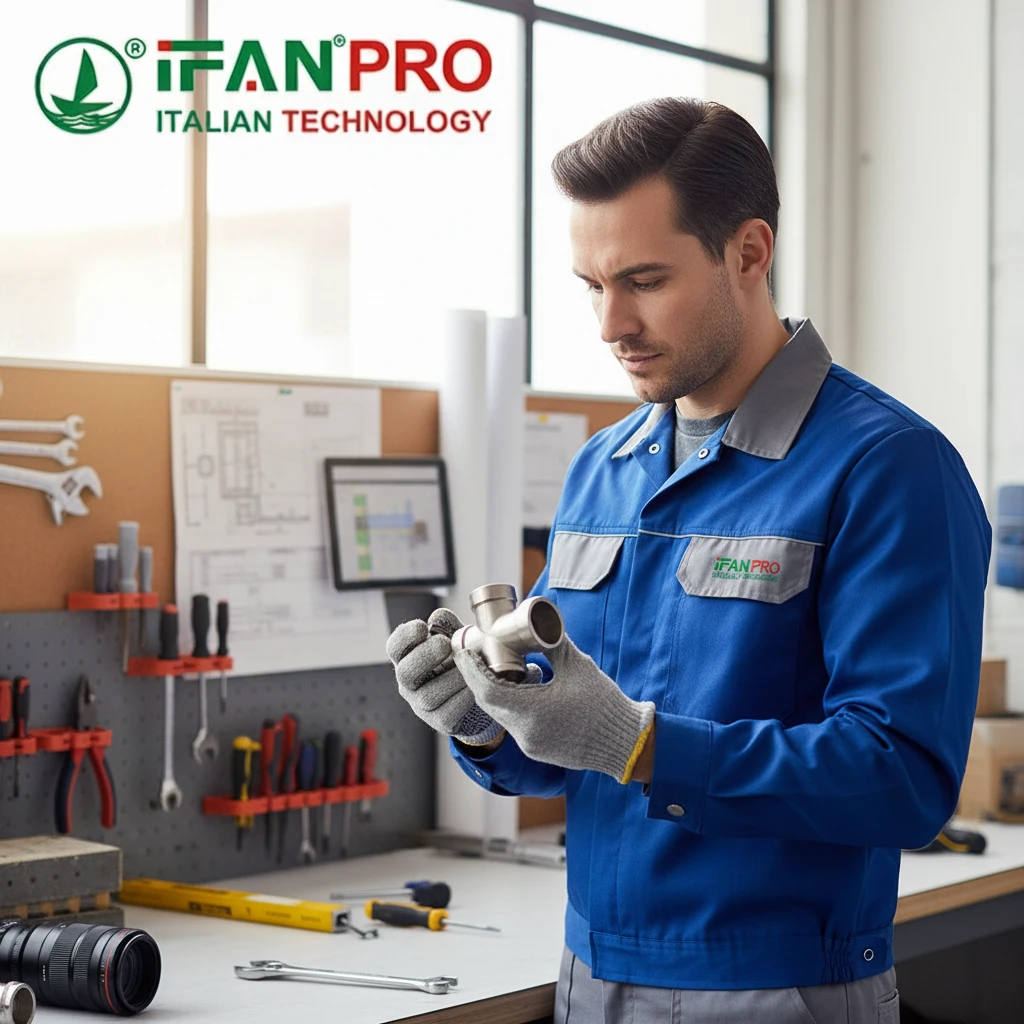
Clean pipe ends thoroughly before installation. Remove debris, burrs, and old sealant materials.
Use appropriate sealants for threaded connections. Thread compound or PTFE tape prevents leaks.
Follow torque specifications to avoid over-tightening. Excessive force can damage threads or crack fittings.
Test connections before system startup. Pressure testing identifies potential leak points early.
Custom Pipe Fitting Solutions
Standard fittings don’t always meet unique project requirements. Custom manufacturing provides exact specifications for specialized applications.
Complex geometries require precision machining and specialized design expertise.
Unusual size combinations need custom reducing fittings for proper system integration.
Special materials may be necessary for extreme temperature or chemical resistance requirements.
Maintenance and Replacement
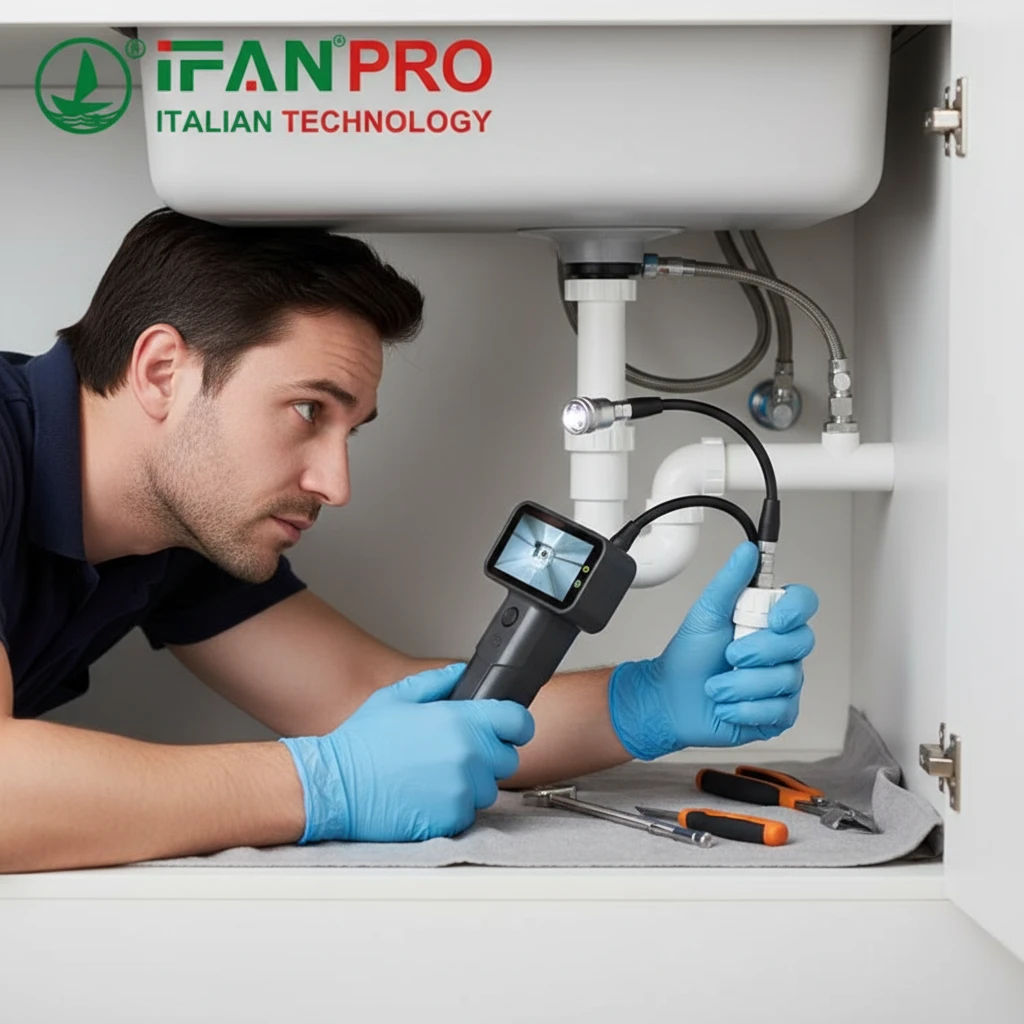
Regular inspection extends fitting service life and prevents costly failures.
Check for corrosion signs including discoloration, pitting, or scale buildup.
Monitor connection tightness to prevent gradual loosening from thermal cycling.
Replace worn fittings promptly to avoid system contamination or pressure loss.
Conclusión
Elbow, tee, and coupling fittings form the foundation of most piping systems. Each serves specific connection and flow control purposes.
Proper material selection ensures compatibility with your application requirements. Professional installation and regular maintenance maximize system performance and reliability.
Understanding these common fittings helps you make informed decisions for your next piping project.








 Español
  English
  Français
  Русский
Comentarios recientes