
Last year, a client demanded a pipe material that didn’t exist five years ago. This moment showed me the industry is changing faster than ever.
The key emerging trends are a strong move towards sustainable bio-based polymers, the rapid adoption of superior corrosion-resistant composites, the integration of smart materials with sensing capabilities, and a necessary shift in procurement strategy to prioritize lifecycle value over just initial cost. These trends are driven by demands for sustainability, durability, and digital integration in infrastructure.
Let’s explore these material revolutions and understand what they mean for your next project.
How Are Bio-Based and High-Performance Polymers Reshaping Material Choices?
We are moving beyond traditional plastics. Clients now ask not just about performance, but also about the environmental footprint of their materials.
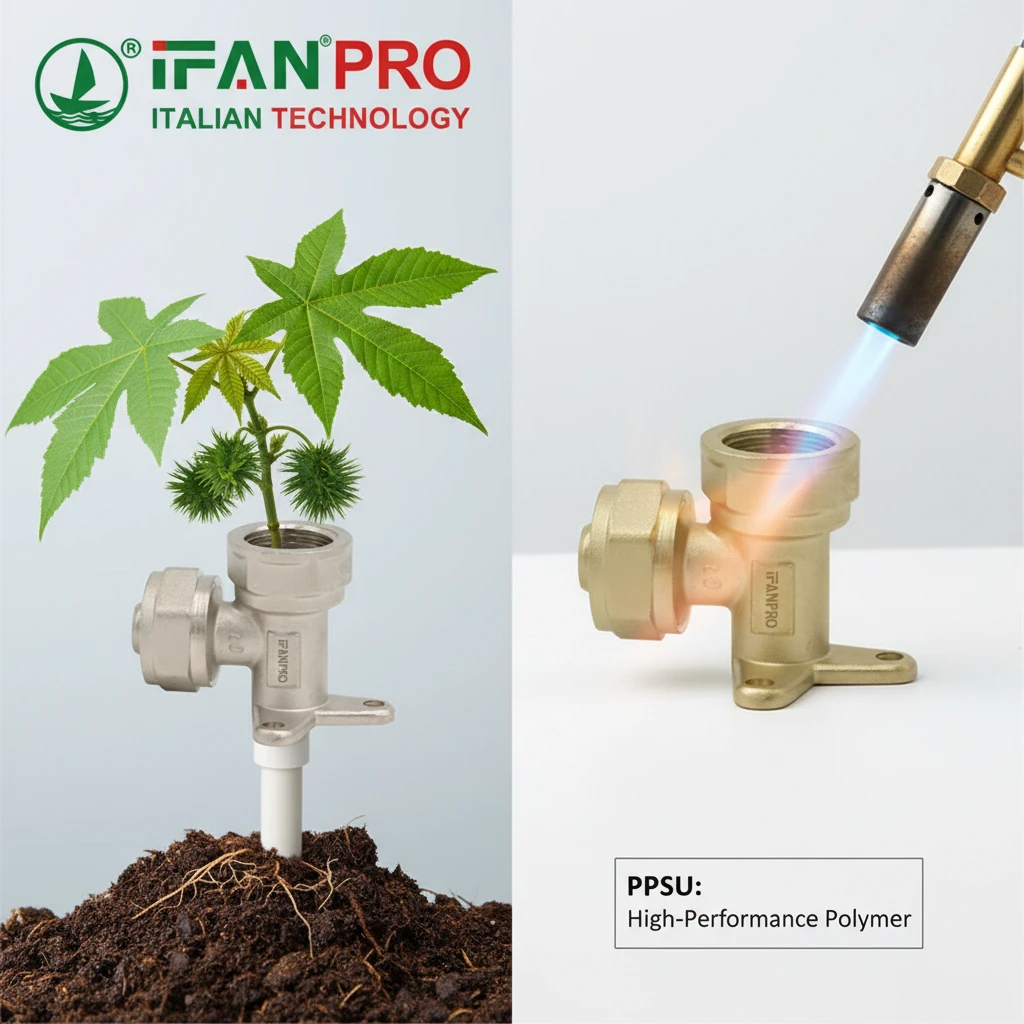
Bio-based and high-performance polymers are reshaping material choices by offering sustainable alternatives to fossil-fuel-based plastics and providing enhanced properties for demanding applications. Bio-polymers, derived from sources like castor oil or corn, reduce carbon footprint, while high-performance polymers like PPSU or PVDF offer exceptional chemical and thermal resistance for industrial use.
The Push for Green Solutions
The drive for sustainability is the main force behind bio-based polymers. Governments are introducing stricter regulations, and end-consumers are demanding greener products. This pressure moves up the supply chain to manufacturers and finally to material specifiers like you.
Bio-based polymers, such as bio-polyethylene or PA 11 (derived from castor beans), are no longer niche. They can match or even exceed the performance of their traditional counterparts. For example, a bio-based polyamide might offer the same pressure rating and chemical resistance as a standard one, but with a significantly lower carbon footprint from production. This allows companies to meet corporate sustainability goals without sacrificing quality.
When Performance is Everything
At the same time, high-performance polymers are solving problems that standard PP-R or PVC cannot handle. Industries like semiconductor manufacturing, chemical processing, and high-purity pharmaceutical lines need more from their pipes.
This is where materials like Polyvinylidene Fluoride (PVDF) and Polyphenylsulfone (PPSU) come in. They withstand much higher temperatures and are resistant to a far wider range of aggressive chemicals. Their adoption represents a shift away from expensive metal alloys like stainless steel, offering similar performance with easier installation and often lower cost.
A Comparison of Polymer Options
The table below shows how these new materials compare to traditional choices:
| Material Type | Key Characteristics | Primary Driver for Adoption | Common Application |
|---|---|---|---|
| Traditional PP-R/PVC | Good balance of cost, ease of use, and performance for standard water. | Cost-effectiveness, proven reliability. | Residential/commercial potable water, drainage. |
| Bio-Based Polymers | Similar mechanical properties to traditional plastics, but with a reduced carbon footprint. | Sustainability regulations, corporate ESG goals, consumer demand. | Eco-friendly building projects, brands with green labels. |
| High-Performance (e.g., PVDF) | Exceptional chemical and temperature resistance, high purity. | Need to handle aggressive fluids, high temperatures, or ultra-pure media. | Chemical plants, semiconductor fab lines, pharmaceutical processing. |
What This Means for Your Projects
You now have a wider, more specialized toolkit. For a standard building, traditional or bio-based options may be perfect. For a factory handling acids, a high-performance polymer is essential. The key is to precisely define the fluid, temperature, pressure, and environmental requirements. Then, you can select the polymer engineered for that specific job, rather than trying to make a generic material work.
What Is Driving the Shift Towards Corrosion-Resistant Composite Materials?
Corrosion is a multi-billion dollar problem. I’ve seen entire pipeline systems fail prematurely, and composites are becoming the go-to solution.
The shift towards corrosion-resistant composite materials is driven by the massive total cost of corrosion, the need for longer asset life, and the demand for lightweight, easy-to-install systems. Composites like Fiberglass Reinforced Plastic (FRP) and thermoplastic liners offer a maintenance-free alternative to steel and concrete in aggressive environments, providing a better lifetime cost.
The Staggering Cost of Traditional Corrosion
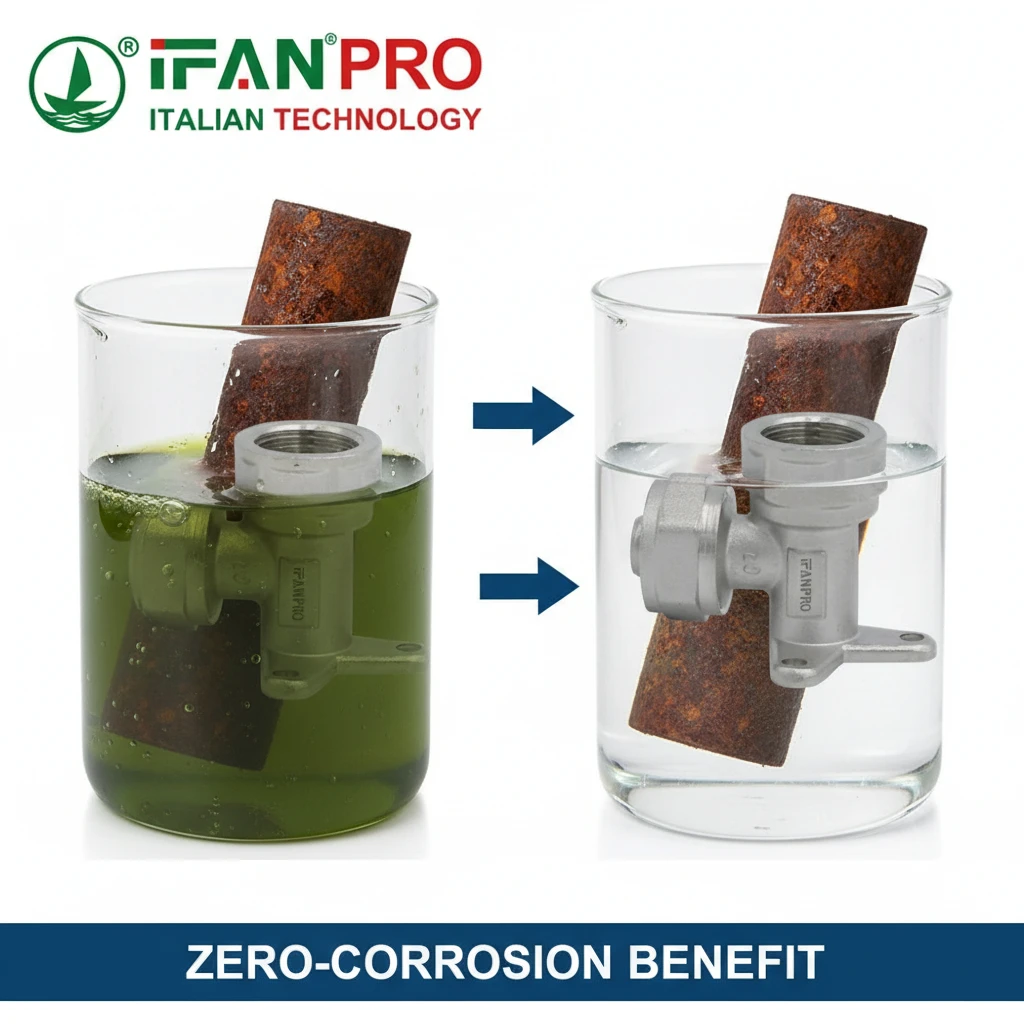
The main driver is simple: economics. Carbon steel pipes in chemical, marine, or wastewater applications corrode quickly. The cost isn’t just the pipe itself; it includes constant monitoring, protective coatings, cathodic protection, downtime for repairs, and eventual full replacement. This lifecycle cost is pushing project owners to seek “fit-and-forget” solutions.
Composites like FRP are inherently inert. They do not rust or corrode from electrochemical reactions. They also resist a wide range of chemicals that would eat through metal. This means a pipeline that lasts 50 years with almost zero maintenance, compared to a steel pipe that might need major work every 10-15 years.
Beyond Pipes: Fittings and Joints
The trend isn’t limited to straight pipes. The real innovation is in composite fittings—elbows, tees, flanges. In the past, a composite pipe might connect to a metal fitting, creating a weak point. Now, fully integrated composite systems ensure the entire line is corrosion-resistant. Advanced jointing methods, like adhesive bonding or advanced O-ring systems for thermoplastic liners, create seals as durable as the pipe itself.
Advantages Beyond Corrosion Resistance
The benefits of composites extend beyond just not rusting:
- Lightweight: FRP pipes can weigh up to 75% less than steel pipes of the same size. This drastically reduces shipping costs and makes installation faster and safer, often without the need for heavy cranes.
- Design Flexibility: Engineers can tailor the laminate structure of an FRP pipe during manufacturing to meet specific pressure, stiffness, and chemical resistance requirements.
- Low Friction Loss: The smooth inner surface of many composites improves flow efficiency compared to corroded metal pipes.
Evaluating the Switch to Composites
Deciding to use composites involves a different calculation. The upfront material cost may be higher than basic carbon steel. However, the total cost of ownership is almost always lower. Consider this comparison for an industrial wastewater line:
| Cost Factor | Carbon Steel System | FRP Composite System |
|---|---|---|
| Initial Material Cost | $100,000 | $150,000 |
| Installation Labor & Equipment | $50,000 (heavy, requires welding) | $30,000 (lightweight, quick assembly) |
| Estimated Maintenance (20 years) | $80,000 (coatings, repairs, monitoring) | $5,000 (minimal inspection) |
| Replacement Cost at Year 15 | $120,000 | $0 (expected lifespan >50 years) |
| Total 20-Year Cost | $350,000 | $185,000 |
This clear long-term savings is why industries are rapidly adopting corrosion-resistant composites for demanding applications.
How Do Smart Materials with Sensing Capabilities Impact Future Projects?
The future of piping is not just to carry fluid, but also information. Smart materials turn a passive network into an active monitoring system.
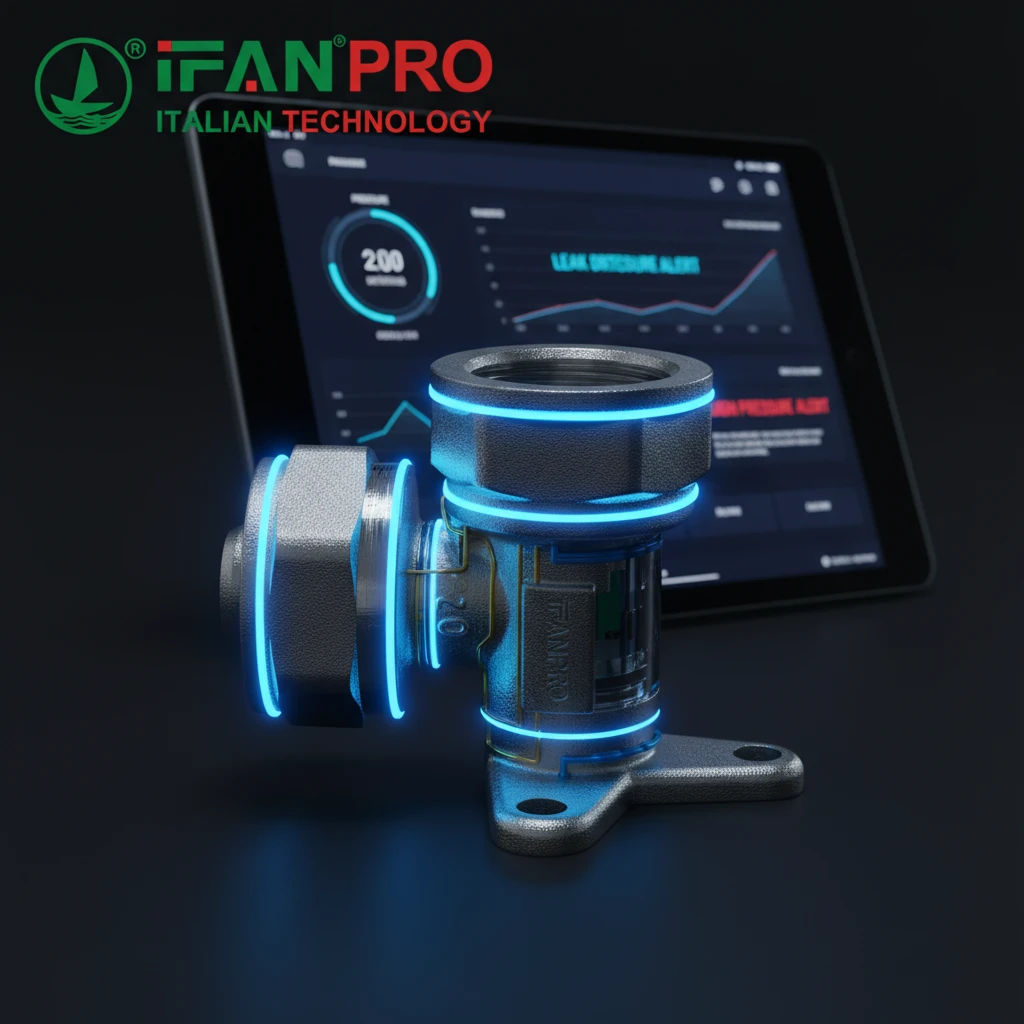
Smart materials with sensing capabilities impact future projects by enabling predictive maintenance, real-time system health monitoring, and data-driven asset management. They transform pipes from simple conduits into intelligent networks that can detect leaks, stress, corrosion, and flow anomalies before they cause failures, preventing downtime and saving resources.
From Reactive to Predictive Maintenance
Today, most pipe failures are found reactively—when a leak appears or pressure drops. Smart materials change this. Imagine a pipe that tells you a weak spot is developing months before it bursts. This is the promise of embedded or additive sensors.
These sensors can measure several key parameters:
- Strain & Stress: Fiber optic sensors embedded in composite walls can detect abnormal bending or ground movement.
- Temperature: Distributed temperature sensing can pinpoint hotspots or freezing risks.
- Acoustic/Vibration: Sensors can “listen” for the specific sound frequency of a pinhole leak or cavitation.
- Corrosion: For metallic pipes, smart coatings can change electrical properties as corrosion begins and send an alert.
Integration with Building and Plant Management
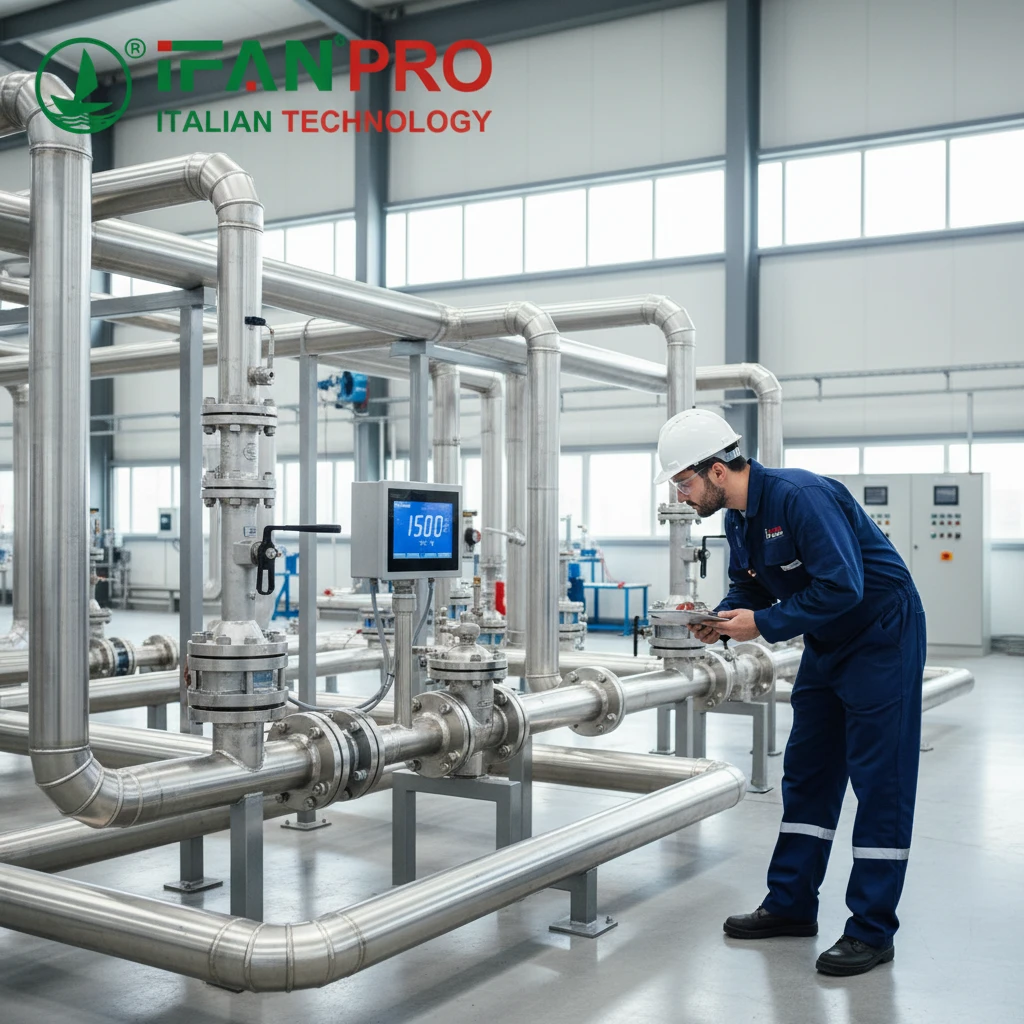
The data from these smart pipes doesn’t exist in a vacuum. It feeds into Building Management Systems (BMS) or Industrial IoT platforms. This allows facility managers to see the health of their entire utility network on a single dashboard. They can receive automatic alerts, prioritize maintenance, and allocate budgets based on actual condition data, not just a fixed calendar schedule.
Practical Applications and Current Examples
This technology is already moving out of labs and into real projects:
- Water Utilities: Cities are piloting smart water mains that detect leaks in real-time, reducing non-revenue water loss.
- Critical Industrial Plants: Chemical or power plants use sensor-laden pipes in high-risk areas for continuous integrity monitoring.
- Green Building Projects: High-end sustainable buildings integrate smart plumbing to monitor water usage and quality.
The Implementation Challenge
The main impact on projects is a need for early planning. Specifying smart piping requires collaboration between the mechanical engineer, the data/IT team, and the supplier from the very beginning. You must decide:
- What parameters are critical to monitor?
- How will the sensor data be powered and transmitted (wired, wireless)?
- Where will the data be stored and analyzed?
- Who is responsible for responding to alerts?
While adding cost upfront, the return on investment comes from avoided catastrophes, optimized maintenance, and extended asset life. The pipe is no longer a cost center; it becomes a source of valuable operational data.
Why Should Procurement Strategies Adapt to These Evolving Material Trends?
Sticking to old supplier lists and cost-only evaluations is a major risk. The materials are changing, and how you buy them must change too.
Procurement strategies must adapt because selecting modern materials requires evaluating long-term performance and sustainability, not just upfront price. It also demands technical partnership with suppliers who understand these new materials’ capabilities and limits. A rigid, low-bid-only approach will lead to specifying the wrong material for the job, causing higher lifetime costs and performance failures.
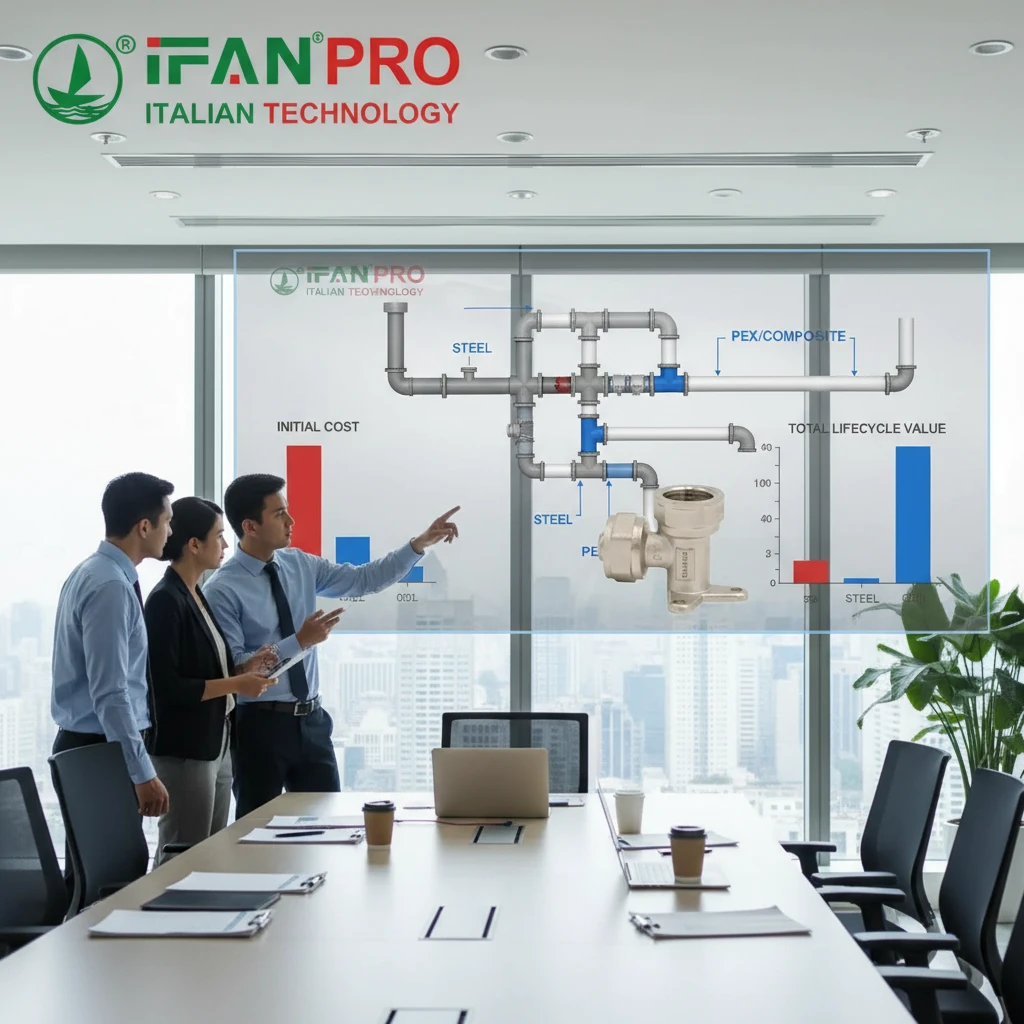
The End of “Commodity” Thinking
Traditionally, many pipe fittings were treated as simple commodities. Procurement would source based on price per piece from a list of pre-approved, often identical, suppliers. With bio-based, composite, and smart materials, this model breaks down. These are engineered solutions, not commodities.
A bio-based polymer from Supplier A may have different additives and long-term stability than one from Supplier B. A smart fitting’s value lies 90% in its data reliability and software integration, not the plastic itself. If you buy based on the lowest piece price, you will likely get an inferior product that fails to deliver the promised long-term benefits.
Building a New Supplier Relationship Model
You need suppliers who are technical partners, not just order-takers. Your procurement criteria should shift. Key factors now include:
- Technical Support & Validation: Can the supplier provide certified test data and engineering support for their material’s claims?
- Lifecycle Cost Analysis: Do they offer tools or support to model total cost of ownership?
- Supply Chain Transparency: For bio-based materials, can they verify the sustainable source of their feedstock?
- Integration Support: For smart materials, do they provide the software/API for data integration?
Updating the Sourcing Process
Your procurement team’s process needs updates to capture these new priorities. Here is a suggested framework for evaluating new-material suppliers:
| Evaluation Criteria | Traditional Procurement Weighting | Modern Procurement Weighting | Why the Change |
|---|---|---|---|
| Unit Price | 70% | 40% | Initial price is less relevant than lifetime cost. |
| Certifications & Test Data | 10% | 25% | Proof of performance for new materials is critical. |
| Technical/Engineering Support | 5% | 20% | Essential for correct application and installation. |
| Sustainability Credentials | 5% | 10% | Needed to meet regulatory and corporate goals. |
| Delivery & Logistics | 10% | 5% | Still important, but secondary to technical fit. |
Mitigating Risk in a Changing Market
Adapting your strategy also mitigates risk. By partnering with forward-thinking, technically adept suppliers like IFAN, you ensure access to innovation. You gain a partner who can advise you on the right material trend for your specific need—whether it’s a sustainable bio-polymer for a flagship project or a high-performance composite for a tough industrial application. This proactive approach future-proofs your projects and protects you from the costly mistake of using yesterday’s material for tomorrow’s challenge.
Conclusión
The future of pipe fittings is sustainable, durable, smart, and data-driven. To leverage these trends, partner with a knowledgeable supplier like IFAN, which offers a forward-looking portfolio from high-performance composites to smart-ready system solutions.







 Español
  English
  Français
  Русский
Comentarios recientes