
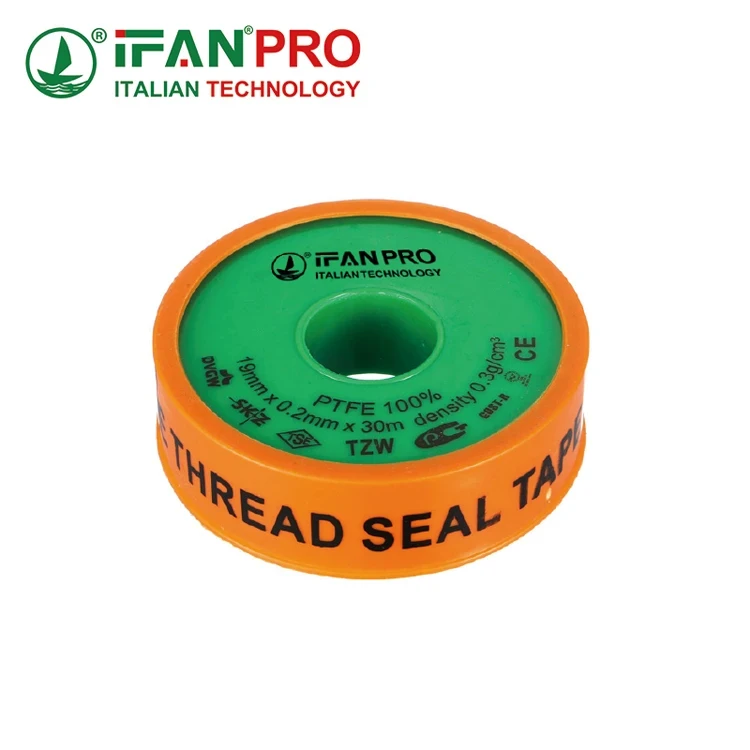
I once saw a newly installed water line leak because the installer used the wrong color tape. This simple mistake caused a big mess and taught me that even basic supplies need expert knowledge.
Pipe sealant tape, often called Teflon tape or plumber’s tape, is a thin, flexible film you wrap around pipe threads to create a watertight, airtight seal. It fills microscopic gaps in threaded connections, prevents pipes from sticking together, and is essential for leak-free plumbing, gas, and industrial systems.
Choosing and applying the right tape is crucial. Next, let’s explore the different types, the correct methods, and the best practices to ensure your threaded connections are perfectly sealed every time.
What are the main types of pipe sealant tapes for plumbing applications?
Using general-purpose tape on a gas line is a serious safety risk. I always check the tape type before any installation begins.
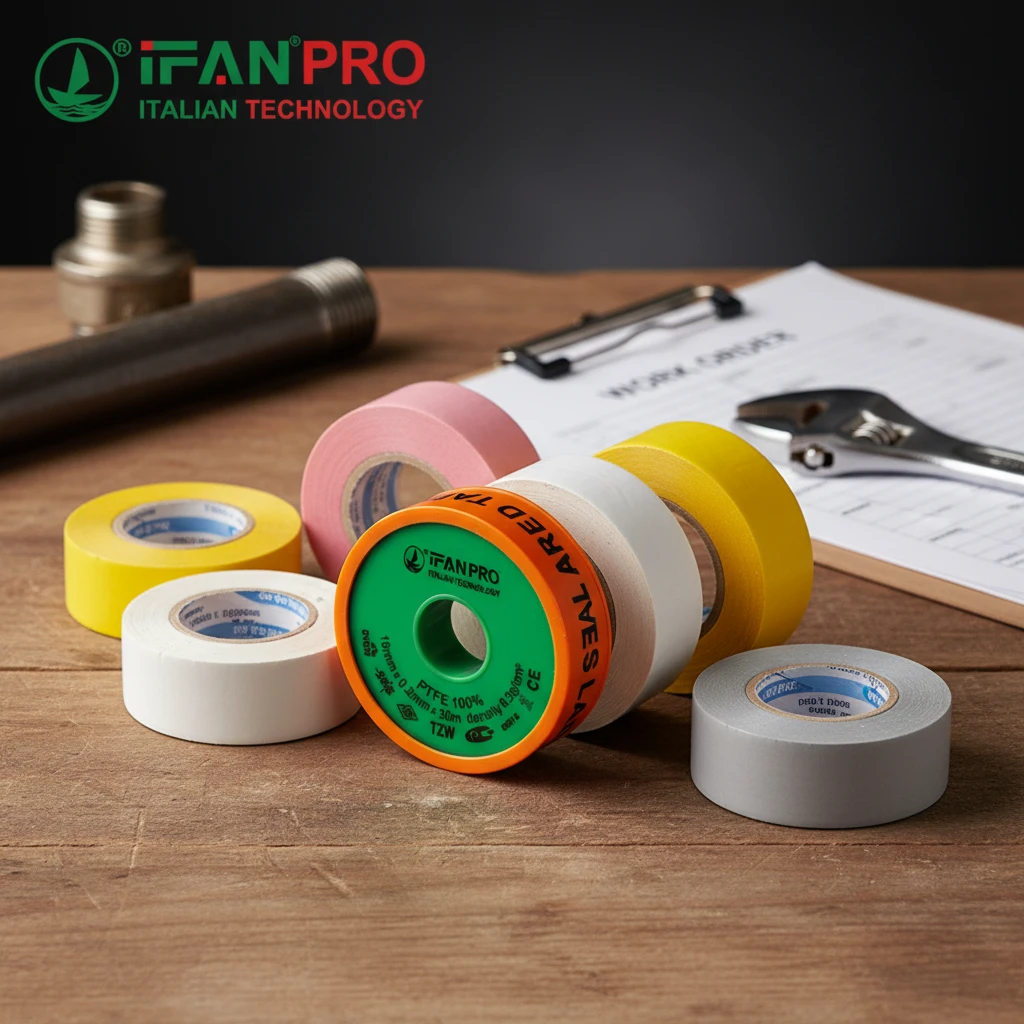
The main types are Standard White (for water pipes), Pink/Thicker (for water and air), Yellow (for gas lines), and Gray/Paste Tape (for industrial chemicals). They differ in thickness, density, and chemical composition to handle specific pressure levels and media like water, gas, or oils.
Understanding Tape Differences
First, it’s important to know that not all sealant tapes are the same. In fact, using the wrong type can lead to leaks, system failure, or even dangerous situations. Essentially, each type is engineered for specific jobs based on what it will seal and the pressure it must hold.
The most common type is the Standard White PTFE Tape. You can find it in every hardware store. It’s thin and is used for basic plumbing on low-to-medium pressure water lines, like connecting showerheads or faucets. However, it is not for gas or high-pressure systems.
For heavier-duty water and compressed air applications, you need a thicker tape. This kind is often pink or salmon-colored. The extra thickness helps it seal better in higher-pressure systems and on larger pipe threads. As a result, it is a more reliable choice for many home and workshop projects.
Critical Tapes for Specialized Systems
For sealing gas lines, you must use a specific tape. This is a critical safety rule. Specifically, gas line tape is yellow and is made to a higher density standard. It’s designed to resist the solvents present in natural gas and propane, which can break down standard white tape. Therefore, always look for tape explicitly marked for “gas” or “fuel lines.”
The heaviest-duty option is gray tape, often called “paste tape.” It’s much thicker and contains a silicone-based lubricant and sealant paste. This tape is for industrial use on chemical lines, oxygen systems, or aggressive fluids. It forms a gasket-like seal and is excellent for large or imperfect threads.
Quick Guide to Tape Types
| Tape Color | Common Name | Best For | Key Feature | IFAN Product Match |
|---|---|---|---|---|
| White | Standard PTFE | Low-pressure water, faucets, showerheads. | Economical, general purpose. | IFAN Standard White PTFE Roll |
| Pink/Salmon | Heavy-Duty | Higher pressure water, compressed air, irrigation. | Extra thickness for better fill. | IFAN Premium Heavy-Duty Tape |
| Yellow | Gas Line | Natural gas, propane lines. | High-density, solvent-resistant. | IFAN Gas & Fuel Line Tape |
| Gray | Paste Tape | Industrial chemicals, oxygen, harsh fluids. | Paste-filled, forms a gasket seal. | IFAN Industrial Paste Tape |
In summary, choosing the correct type is the first and most important step. It ensures the material will not degrade when in contact with the substance flowing through the pipe and will provide a lasting seal under the correct pressure.
How do you apply pipe sealant tape correctly to threaded connections?
A common leak I see isn’t from bad tape, but from bad wrapping. Too little tape, or wrapping in the wrong direction, almost guarantees a problem.
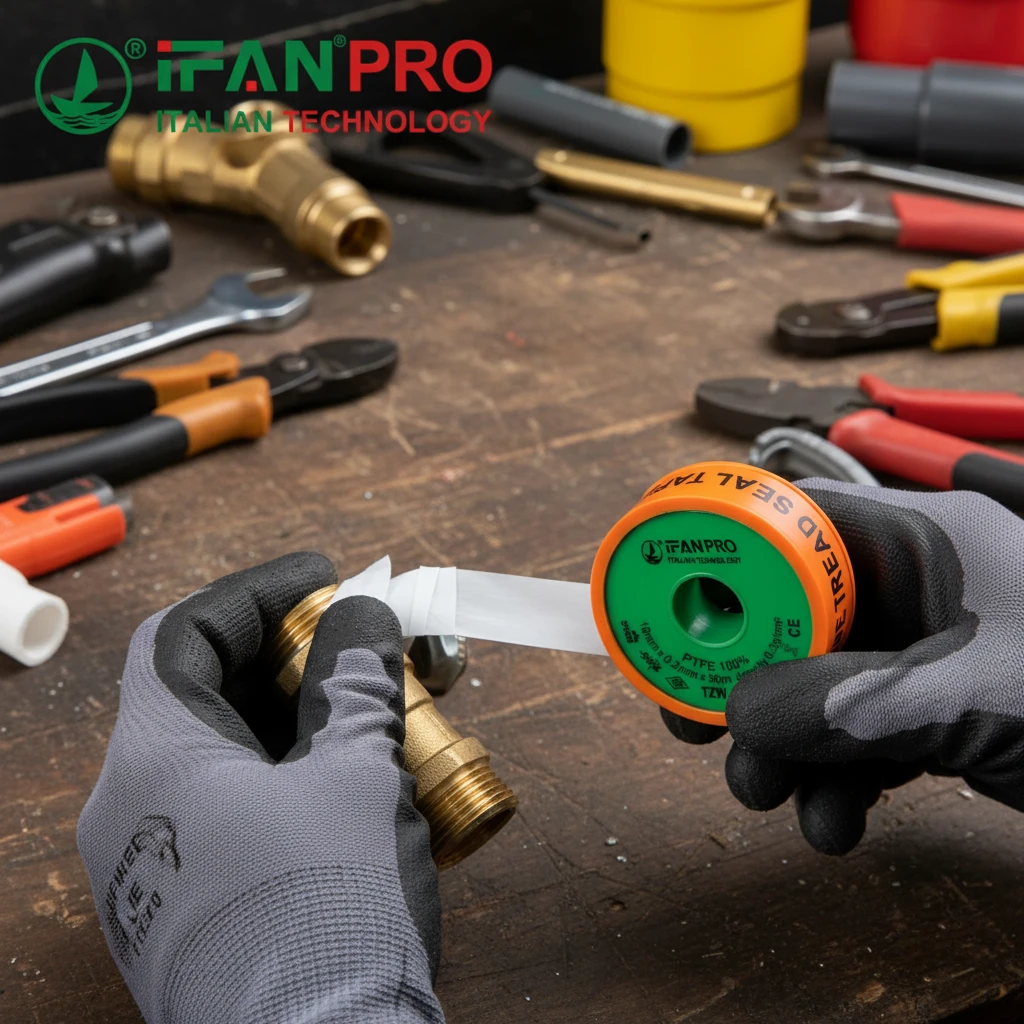
To apply pipe sealant tape correctly, clean the male threads, hold the end of the tape against the first thread, and wrap it tightly in the direction of the thread rotation (usually clockwise) for 4-6 turns, overlapping each layer. The tape should cover all threads but must not extend over the pipe’s end or into its opening.
Step-by-Step Application Guide
A proper seal depends entirely on correct application. Here is the foolproof method we train our clients to use.
Step 1: Prepare the Threads. First, ensure the male threads of the pipe or fitting are clean, dry, and free of old tape, dirt, or oil. Any debris will prevent the tape from sealing properly and can even get into your water system. If needed, use a clean cloth or a wire brush.
Step 2: Start in the Right Place. Hold the pipe so the threads are facing you. Place the start of the tape strip on the first thread, about one thread back from the very end of the pipe. Importantly, do not let the tape hang over the pipe’s opening, as a loose piece can break off and clog valves or fixtures.
Step 3: Wrap in the Right Direction. This is the most critical step. You must wrap the tape in the same direction the fitting will be turned to screw on. For most fittings, this is clockwise. Pull the tape tight so it stretches and conforms to the thread shape as you wrap. Also, overlap each wrap by about half the width of the tape to ensure full coverage.
Step 4: Use the Right Amount. For most standard fittings, 4 to 6 complete wraps are enough. For larger diameter pipes (1 inch and above) or tapered threads, you may need 7-8 wraps. The goal is to have a smooth, covered surface, but the threads should still be visible through the tape. However, do not over-wrap, as this can cause the tape to bunch up and prevent the fitting from tightening fully.
Step 5: Finish and Install. After the final wrap, tear the tape off firmly and press the end down with your finger to secure it. Then, immediately screw the fitting on by hand until it is snug. Finally, use wrenches to tighten it an additional 1-2 turns. You should feel resistance from the tape, which creates a tight seal.
Common Mistakes to Avoid
Let’s look at some common errors:
- Wrapping Backwards: Wrapping counter-clockwise on a clockwise thread will cause the tape to unravel as you screw the fitting on, making it useless.
- Covering the Pipe End: Tape over the opening can shred and enter the water line.
- Too Few Wraps: Inadequate coverage leaves gaps for leaks.
- Too Many Wraps: Too much tape can prevent the fitting from threading deep enough, creating a weak point that may crack under pressure.
Which pipe sealant tape is best for water, gas, or chemical pipes?
Selecting tape is like choosing a tool—you need the right one for the job. For example, recommending yellow tape for a water line is safe, but recommending white tape for gas is a failure.
The best tape for water is standard white or pink heavy-duty PTFE. For gas lines, you must use specially formulated yellow gas-grade tape. For chemical pipes, gray paste tape or a thread sealant compound is required. The choice depends on the medium’s chemistry and the system pressure.
Choosing Tape for Water Pipes
For standard home and business water systems, the choice is simple. Standard white PTFE tape is perfectly good for most uses like faucets, toilet valves, and low-pressure supply lines. It is low-cost and works well.
For main water supply lines, garden watering systems, or any use with higher and constant pressure, I suggest pink or salmon-colored heavy-duty tape. Its increased thickness gives a stronger fill in the threads, offering a more reliable seal against constant water pressure. It’s a small upgrade that makes a big difference in reliability.
The Critical Choice for Gas Lines
Gas line sealing is very important. You must only use yellow tape marked clearly for gas or fuel lines. Here’s why: Natural gas and propane contain solvents. Standard white PTFE tape is less dense and can break down over time when exposed to these solvents, possibly leading to a dangerous leak.
Yellow gas tape is made to a higher density standard. This makes it physically stronger and chemically resistant to the parts in gas, ensuring a long-lasting, safe seal. Never compromise on this point.
Selecting for Industrial and Chemical Pipes
For pipes carrying oils, fuels, industrial chemicals, compressed gases like oxygen, or strong solvents, the needs change completely. Standard tapes are not suitable. In these cases, you have two main options:
- Gray Paste Tape: This is my first choice for most industrial uses. The paste inside lubricates the threads for a perfect fit and fills any small flaws. It creates a seal that can handle shaking and chemical exposure much better than dry tape.
- Liquid Thread Sealant: For some very strong chemicals or high-heat uses, a special liquid sealant might be needed. These sealants harden in the absence of air between the threads, creating a solid plastic seal.
Application & Media Guide Table
| System Media | Recommended Tape | Key Reason | Pressure Range | IFAN Solution |
|---|---|---|---|---|
| Drinking Water | White or Pink PTFE | Safe, effective, prevents sticking. | Low to High | IFAN Standard or Premium Tape |
| Natural Gas / Propane | Yellow High-Density | Resists solvents, safe for fuels. | Medium | IFAN Gas & Fuel Line Tape |
| Compressed Air | Pink Heavy-Duty | Thick, handles pressure well. | Medium to High | IFAN Premium Heavy-Duty Tape |
| Industrial Chemicals | Gray Paste Tape | Paste fills gaps, chemical-resistant. | Varies | IFAN Industrial Paste Tape |
| Oxygen Lines | Oxygen-Compatible Paste Tape | Prevents fire, special formula. | High | Specialized Compound (Ask IFAN) |
In short, matching the tape to what’s in the pipe is the core of professional work. It ensures system strength, safety, and long life.
How does pipe sealant tape prevent leaks compared to liquid compounds?
Many clients ask if liquid sealant is better. The answer depends on the job—each has its place for solving different problems.
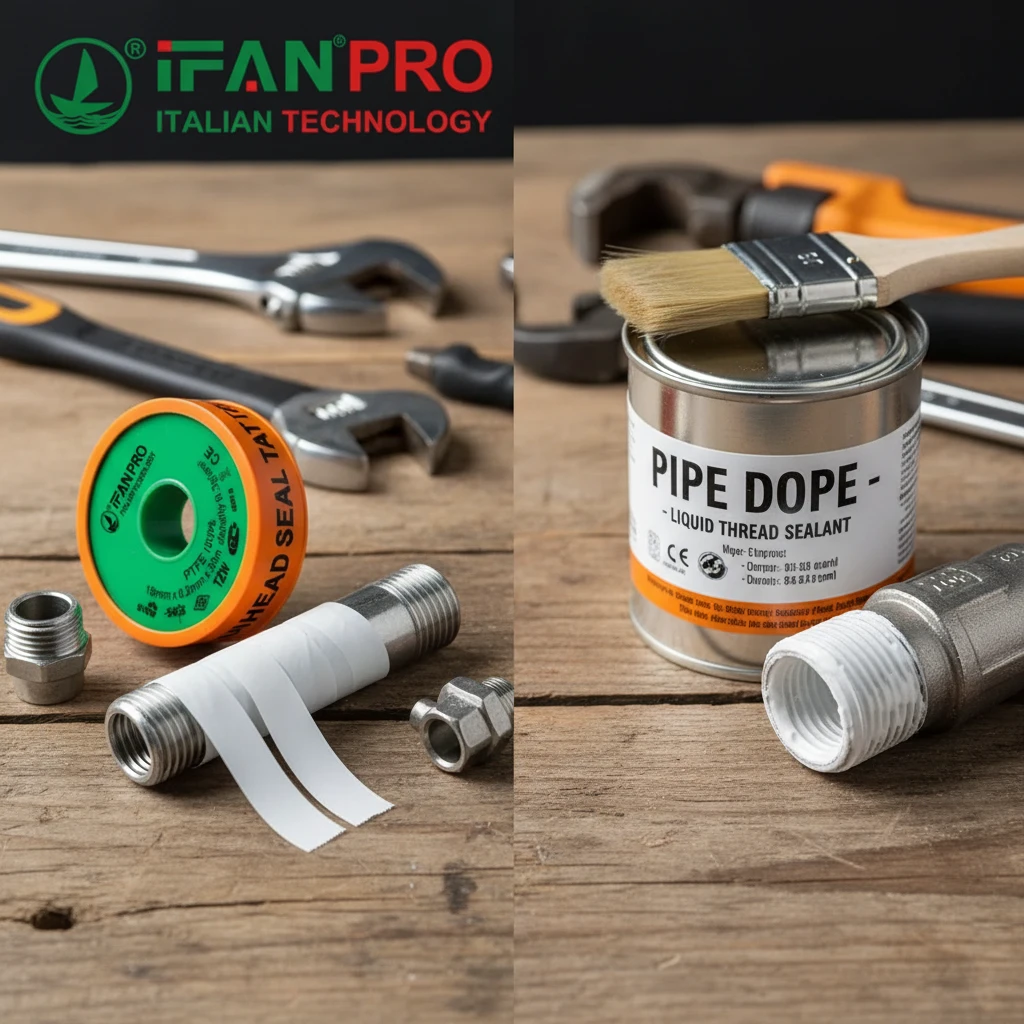
Pipe sealant tape prevents leaks by physically filling the spiral gap between male and female threads and lubricating them for a tighter fit. Unlike liquid compounds, tape doesn’t need curing time, allows for easy disassembly, and is less messy. However, liquids can better fill damaged threads and are necessary for some plastics and high-vibration setups.
The Mechanics of Tape Sealing
To understand how tape works, picture the threads of a pipe. Even when made well, they are not perfectly smooth. When screwed together, tiny channels remain in the spiral path of the threads. Water, gas, or air can travel through these channels and leak out.
Basically, pipe sealant tape acts as a filler. When wrapped tightly and stretched into the threads, it conforms to these small flaws, blocking the spiral pathways. Also, PTFE tape is very slippery. This lubricates the threads, allowing them to screw together much tighter than they could dry. This tighter fit further presses the tape into the gaps, creating a positive seal. So, it’s a simple, mechanical, and highly effective two-part process: fill and lubricate.
Tape vs. Liquid: A Detailed Look
Liquid thread sealants (pipe dope) work in a different way. They are a paste-like compound that you brush onto the threads. They fill gaps like tape does, but many types also have a chemical part that hardens to form a more solid seal.
Here is a breakdown of when to use each:
Why Sealant Tape is Good:
- Clean & Simple: No mess, no brushes, no drying time. You can test the system right away.
- Easy Adjustment: It allows for small changes after tightening without breaking the seal.
- Easy to Take Apart: Systems sealed with tape are generally much easier to take apart years later. The tape often peels away cleanly.
- Ideal for Most Metals: It is the standard for brass, copper, and steel threads in plumbing.
Why Liquid Sealant is Good:
- Fills Larger Gaps: If threads are slightly damaged, worn, or poorly cut, a liquid compound can fill these spaces better than tape.
- Better for Some Plastics: On plastic threads, tape can create stress and lead to cracking. A non-hardening liquid sealant is often a safer choice as it lubricates without adding stress.
- High Vibration: In systems with constant shaking (like pumps or compressors), a good liquid sealant that hardens can resist “backing out” better than tape.
- Irregular Shapes: It can be used on non-threaded, irregular connections where tape cannot be applied.
Decision Guide: Tape or Liquid?
| Scenario | Recommended Product | Why? |
|---|---|---|
| Standard new installation (metal pipes) | PTFE Tape | Clean, quick, effective, and allows for future disassembly. |
| Threads are nicked or worn | Liquid Sealant | Pastes can bridge and fill minor flaws better. |
| Plastic to plastic threads | Non-Hardening Liquid Sealant | Lowers risk of cracking plastic from tape’s wedge effect. |
| High-vibration application | High-Strength Liquid Sealant | Hardened sealant resists loosening from vibration. |
| Need to test system immediately | PTFE Tape | No cure time required. |
| Large diameter pipes (>2″) | Liquid Sealant or Paste Tape | Easier to apply evenly on large threads. |
In our experience at IFAN, PTFE tape is the right choice for over 80% of common plumbing and gas fitting jobs because it is simple and reliable. Liquid sealants are a special tool for specific challenges.
Conclusión
Choosing and applying the right sealant tape is a simple skill that ensures leak-free, safe systems. For all your threading needs, from standard water lines to industrial gas, rely on the certified quality of IFAN‘s full range of pipe sealant tapes.








 Español
  English
  Français
  Русский
Comentarios recientes