
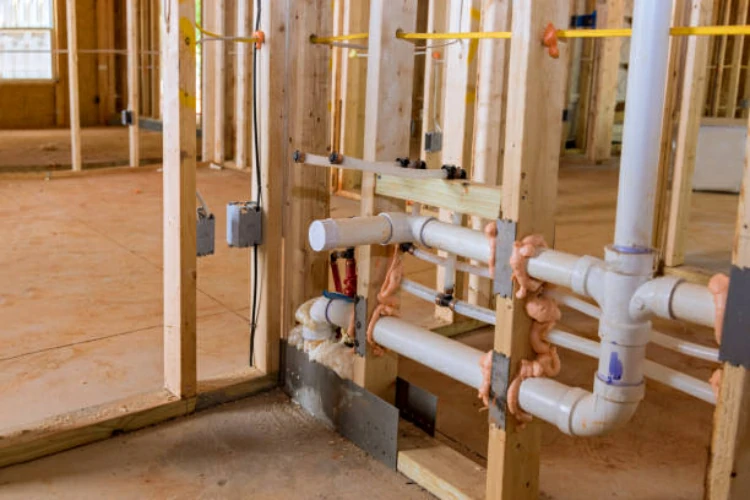
Understanding UPVC Tubes
Introduction to UPVC Tubes
UPVC (unplasticized polyvinyl chloride) tubes are versatile piping materials extensively used in various applications, ranging from plumbing and irrigation to drainage systems. Before delving into the connection methods, it’s essential to grasp the fundamental characteristics of UPVC tubes.
Key Features of UPVC Tubes
Durabilidad:
UPVC tubes are known for their durability and resilience, capable of withstanding harsh environmental conditions and heavy loads without compromising their structural integrity.
Corrosion Resistance:
These tubes offer excellent resistance to corrosion, ensuring longevity and reliability in both indoor and outdoor settings.
Lightweight:
UPVC tubes are lightweight, making them easy to transport, handle, and install, thereby reducing labor costs and installation time.
Chemical Inertness:
UPVC tubes are chemically inert, meaning they do not react with most substances, making them suitable for conveying various liquids and gases safely.
Connection Methods for UPVC Tubes
Solvent Cement Joint
Cleaning and Preparation:
Begin by cleaning the ends of the UPVC tubes and fittings to remove any dirt, grease, or debris. Roughen the surfaces slightly to enhance adhesion.
Aplicación del cemento solvente:
Apply a generous amount of solvent cement to both the tube end and the fitting socket. Ensure even coverage and avoid excessive cement that could drip into the pipe.
Assembly:
Quickly insert the tube into the fitting socket and give it a quarter-turn to spread the cement evenly. Hold the joint in place for a few seconds to allow the cement to set.
Threaded Joint
Preparación:
Cut the UPVC tube to the desired length and deburr the edges to ensure a clean finish. Use a threader tool to create external threads on one end of the tube.
Application of Thread Sealant:
Apply a thread sealant or Teflon tape to the male threads of the fitting to create a tight seal. Ensure that the sealant covers the entire threaded area.
Assembly:
Screw the threaded end of the tube into the corresponding female threads of the fitting until tight. Use a wrench to secure the joint further, being careful not to over-tighten and risk damaging the threads.
Mechanical Joint
Preparación: Cut the UPVC tube to the required length and deburr the ends to remove any rough edges. Slide a rubber gasket onto each tube end, ensuring it sits flush against the edge. Assembly: Insert the tube ends into the mechanical joint coupling or connector until they meet in the middle. Tighten the bolts or clamps evenly to compress the gaskets and create a watertight seal.
Choosing the Right Connection Method
Considerations
Application:
Select the connection method based on the specific requirements of your application, considering factors such as pressure, temperature, and fluid compatibility.
Installation Environment:
Assess the installation environment, including accessibility, space constraints, and labor resources, to determine the most practical and efficient connection method.
Cumplimiento de la normativa:
Ensure that the chosen connection method complies with relevant industry standards and regulations governing plumbing and piping systems.
Conclusion: Ensuring Secure and Reliable Connections
Mastering the connection methods for UPVC tubes is essential for ensuring secure, reliable, and leak-free piping systems. Whether employing solvent cement joints, threaded joints, or mechanical joints, proper cleaning, preparation, and assembly techniques are crucial for achieving robust connections that withstand the rigors of everyday use. By understanding the characteristics of UPVC tubes and selecting the appropriate connection method based on application requirements and installation considerations, you can build piping systems that deliver long-lasting performance and peace of mind.
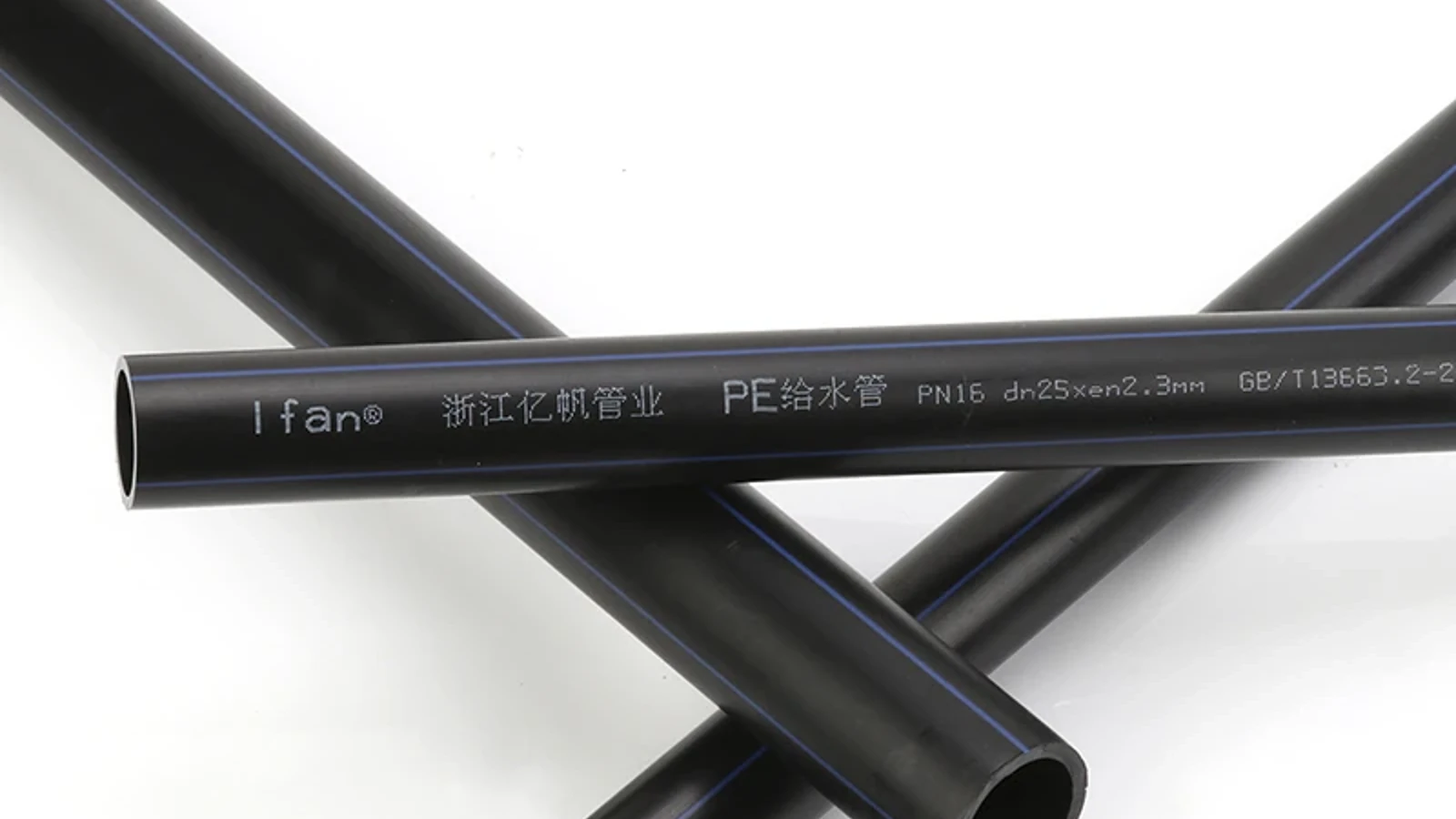
IFAN es un fabricante chino de tuberías, accesorios y válvulas de plástico con 30 años de experiencia. Si está interesado en IFAN accesorios de cobre, válvulas de cobre, tuberías y accesorios de plástico, póngase en contacto con nosotros. IFAN le ofrece una variedad de tuberías estándar para satisfacer sus necesidades específicas. Haga clic a continuación para obtener más información sobre la amplia gama de productos de válvulas y productos relacionados con sistemas de tuberías asequibles y rentables de IFAN.
Responderemos a su correo electrónico o fax en 24 horas.
Puede llamarnos en cualquier momento si tiene alguna duda sobre nuestra producción.
Para más información, visite nuestra página web https://ifanpro.com/
Pls Mailto: [email protected]
Whatsapp: + 86 19857948982






 Español
  English
  Français
  Русский
Comentarios recientes