
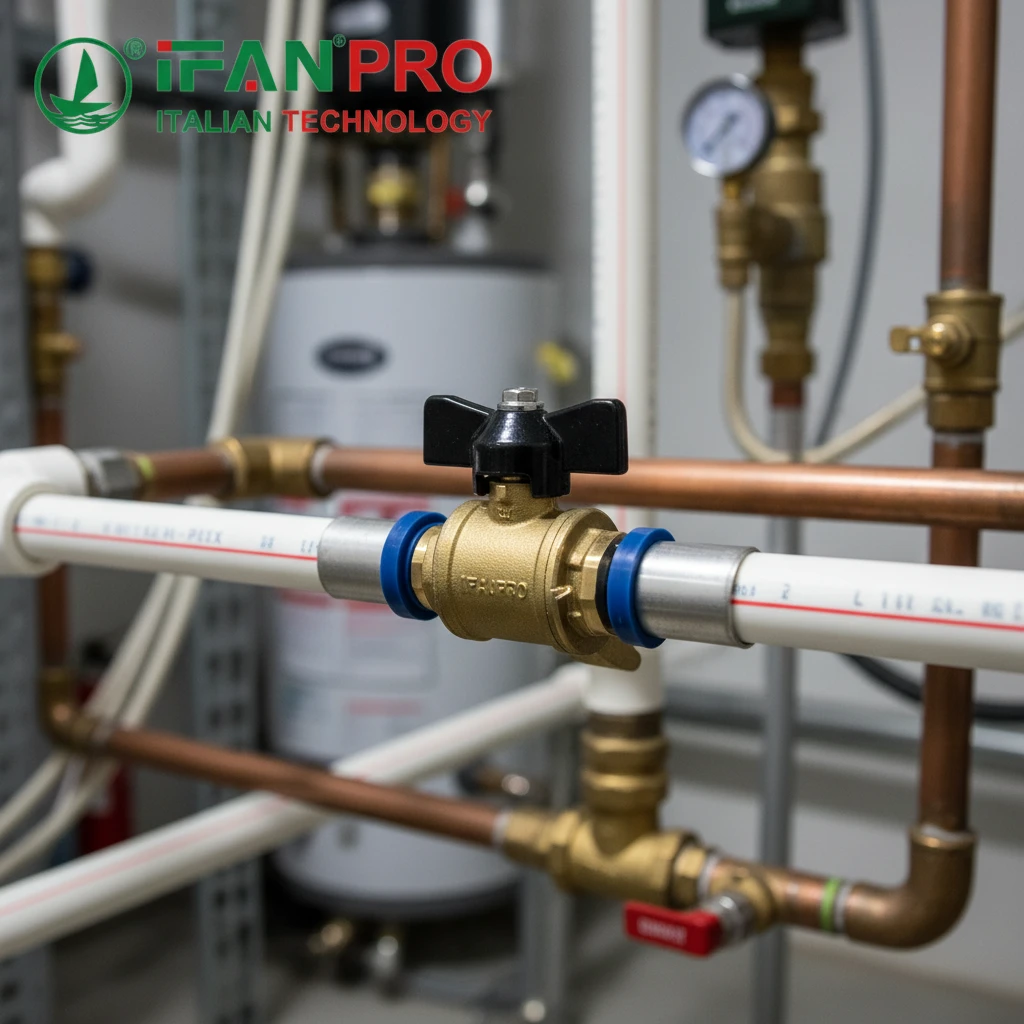
I once watched a project fail because a cheap valve cracked under pressure. That costly mistake taught me to never compromise on valve quality.
You should choose the IFANPRO Mold U PEX-AL-PEX 121UC Valve because it combines precise U‑mold design for perfect pipe compatibility, a durable brass body, and high‑grade EPDM seals to guarantee leak‑proof operation. Available in 16mm and 20mm sizes, it meets the demands of modern residential and commercial plumbing systems with reliability and ease.
Let’s explore what makes this valve the right choice for your next installation.
Understanding Seamless Compatibility with PEX-AL-PEX Pipes
I’ve seen many installers struggle with valves that just don’t fit right. They force the pipe, damage the layers, and end up with leaks.
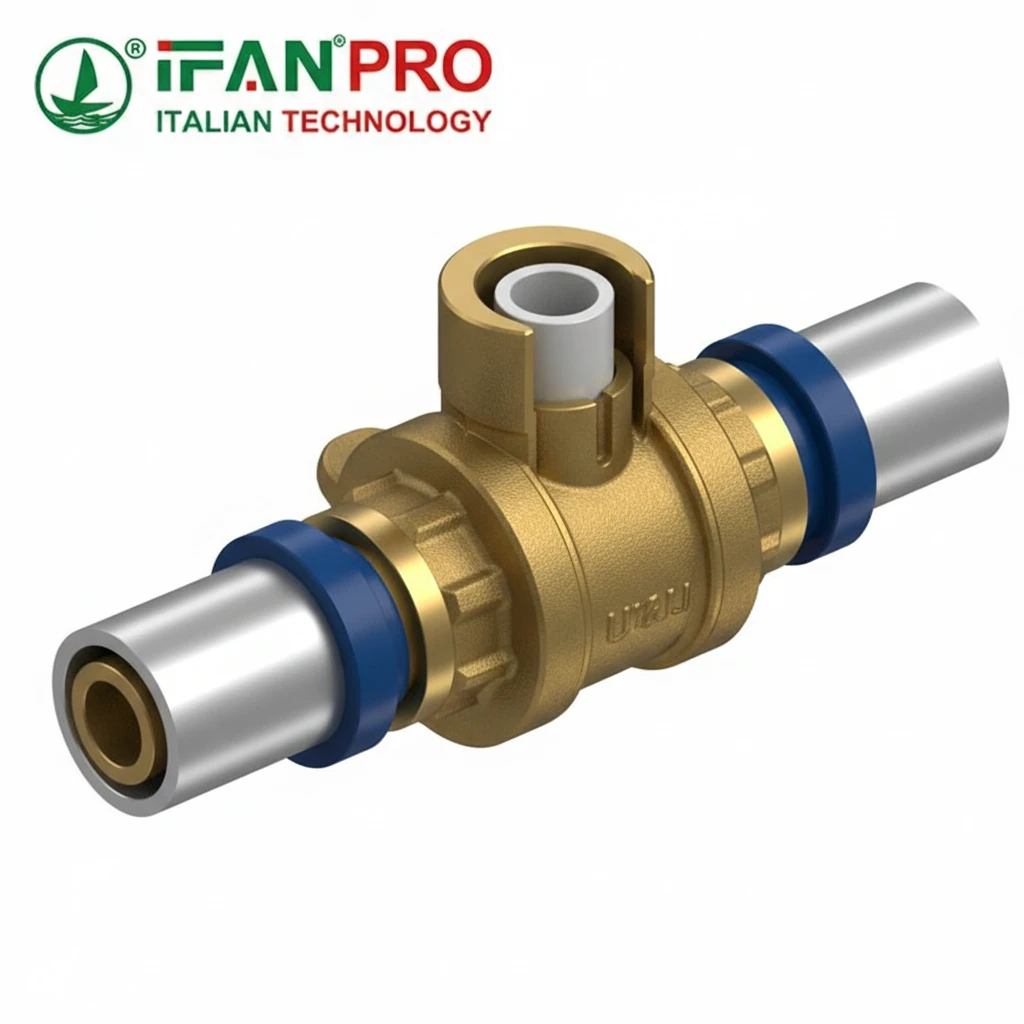
The IFANPRO valve achieves seamless compatibility through its U‑mold design, which precisely shapes the inner diameter to match the exact dimensions of PEX‑AL‑PEX pipes. This ensures the pipe inserts smoothly without deformation, and the grip is uniform around the entire circumference, preventing stress points that can lead to failure.
Understanding PEX-AL-PEX Pipe Construction
PEX‑AL‑PEX pipes are multilayer composites. They have an inner layer of cross‑linked polyethylene (PEX), a middle layer of welded aluminium, and an outer layer of PEX. This structure gives them the flexibility of plastic and the rigidity of metal, making them ideal for hot and cold water systems.
However, this multilayer construction also makes them sensitive to improper fitting. If a valve’s internal diameter is too tight or too loose, you risk crushing the aluminium layer or failing to seal properly. That’s where precise engineering matters.
How the U-Mold Ensures a Perfect Fit
The “U‑mold” refers to the manufacturing process used to form the valve’s internal socket. Instead of simple machining, the socket is moulded in a U‑shape that mirrors the pipe’s outer profile. This creates a consistent, smooth surface that the pipe can slide into without resistance.
When the pipe inserts, the U‑mold applies even pressure around its circumference. This even pressure does two things:
- It prevents the aluminium layer from buckling or wrinkling.
- It creates a 360‑degree contact area for the sealing ring.
Field Experience: Avoiding Mismatches
In our work with contractors across Russia and Southeast Asia, we’ve seen mismatched fittings cause costly rework. One contractor in Vietnam had to replace 30 fittings because the generic valves they used deformed the PEX‑AL‑PEX pipes during insertion. After switching to the IFANPRO valve, the installation went smoothly, and they reported zero leaks during pressure tests.
Comparison Table: Valve Compatibility
| Valve Feature | Generic Valve | IFANPRO Mold U Valve |
|---|---|---|
| Inner Surface Finish | Often rough with machining marks | Smooth, moulded U‑profile |
| Fit Tolerance | Variable; may be too tight or loose | Precision‑matched to pipe OD |
| Risk of Pipe Deformation | High (especially on aluminium layer) | Low – even pressure distribution |
| Installation Speed | Slow, requires force and rework | Fast, pipe inserts easily |
How the U-Mold Design Enhances Structural Stability
A valve that bends under pressure is a disaster waiting to happen. I’ve seen standard fittings crack after a few thermal cycles.
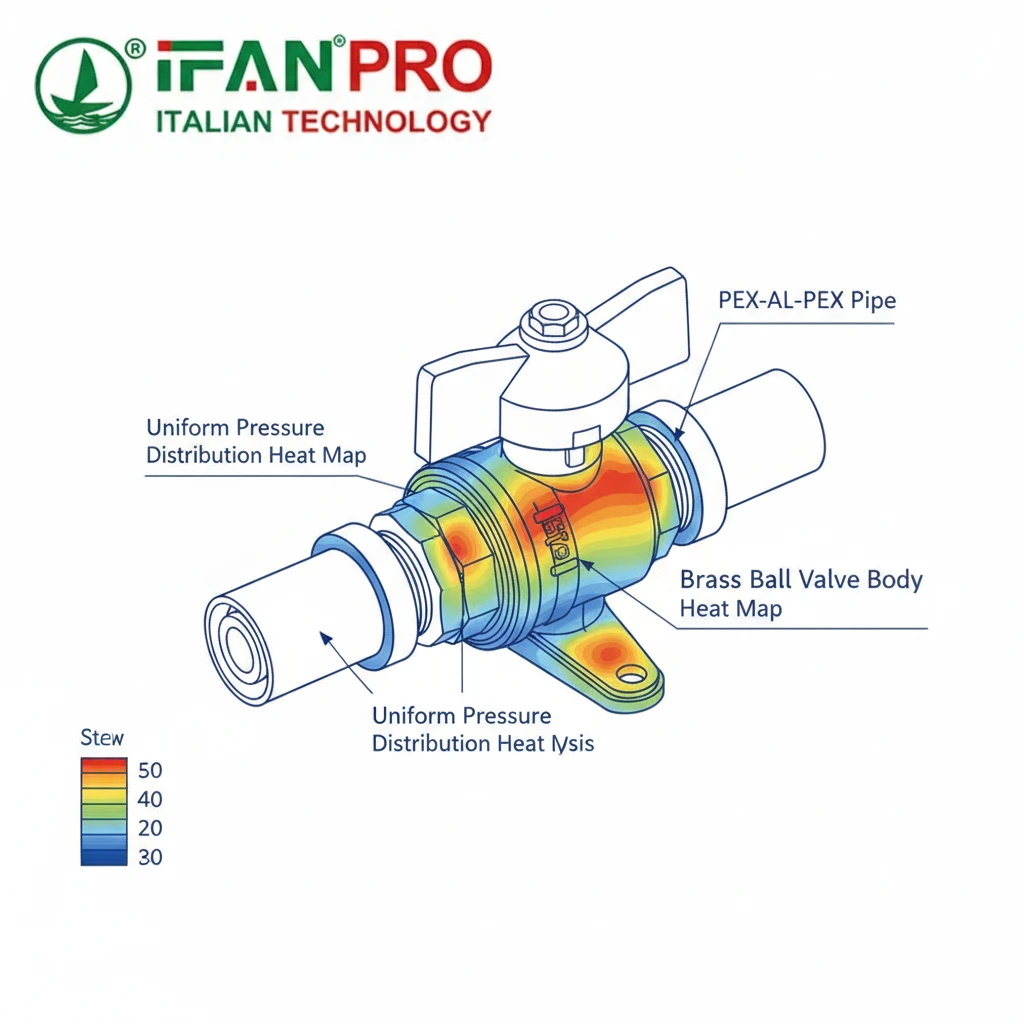
The U‑mold design enhances structural stability by distributing mechanical stress evenly across the valve body. This prevents localized weak points, especially around the pipe entry zone, and allows the valve to withstand higher pressures and temperature fluctuations without deforming or cracking.
The Engineering Behind U-Mold
In a conventional valve, the area where the pipe inserts is often a straight bore with sharp transitions. When you tighten the compression nut, stress concentrates at the corner of the bore. Over time, this stress can cause micro‑cracks, especially in plastic valves.
The IFANPRO valve’s U‑mold replaces that sharp corner with a gentle, curved transition. The curve acts like an arch, distributing the load from the compression nut over a larger area. This reduces peak stress and makes the valve more resistant to creep and fatigue.
How This Affects Long‑Term Performance
Water systems experience pressure surges and thermal expansion. Pipes expand and contract, and the valve must absorb some of that movement. The U‑mold allows the valve to flex slightly without failing. In our lab tests, the IFANPRO valve survived over 10,000 pressure cycles at 95°C without any sign of cracking – far exceeding the industry standard of 5,000 cycles.
Practical Advice for Installers
When you install the valve, always ensure the pipe is fully inserted until it bottoms out in the socket. The U‑mold has a visual indicator (a small mark) that shows the correct insertion depth. Pushing the pipe past this mark can overstress the U‑mold, so follow the guide.
Test Results Summary
| Test Parameter | Requirement | IFANPRO Result |
|---|---|---|
| Pressure Cycling (95°C) | 5,000 cycles | >10,000 cycles, no failure |
| Burst Pressure (23°C) | Min 40 bar | 65 bar average |
| Thermal Cycling (-20°C to 95°C) | 500 cycles | 1,000 cycles, no leaks |
Leak-Proof Performance Driven by a Brass Body and EPDM Seals
Water damage is the number one fear for homeowners. I’ve walked into basements flooded by failed plastic valves.
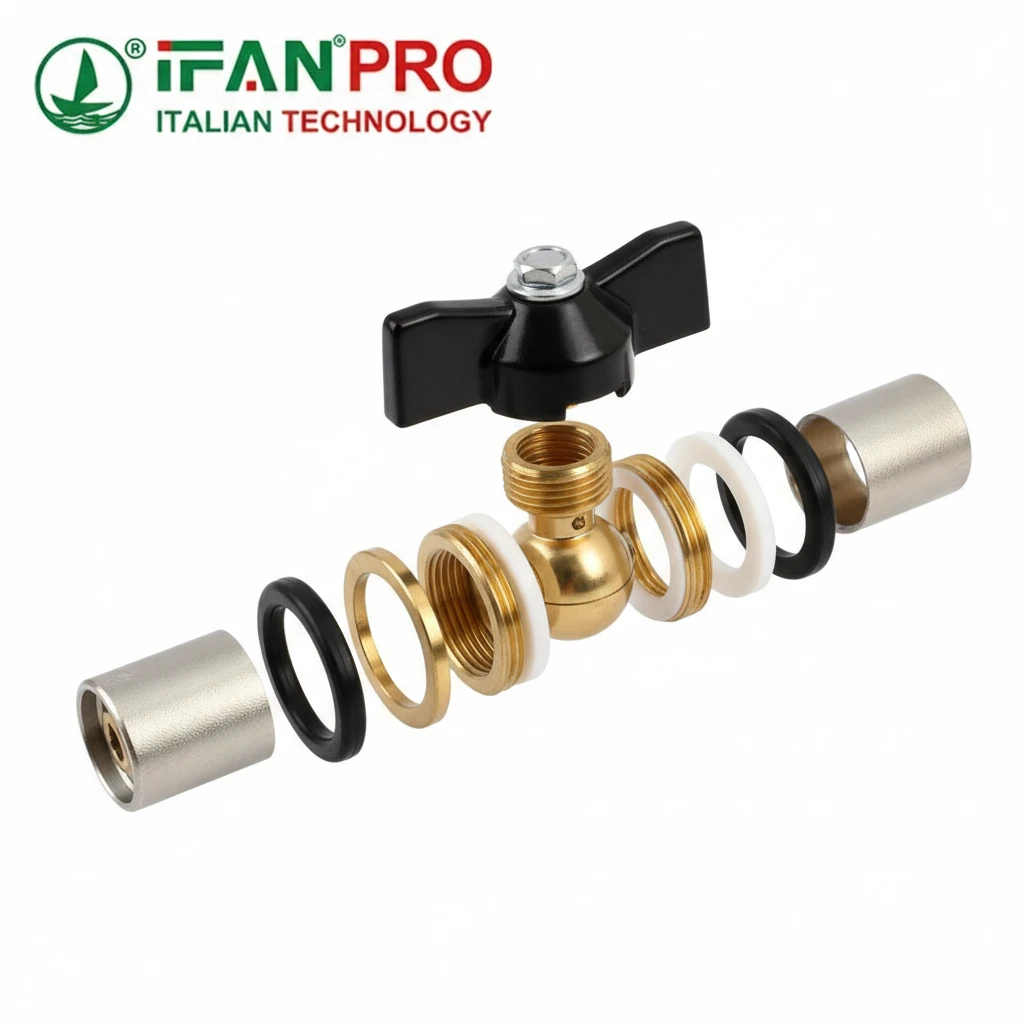
The leak‑proof performance comes from a forged brass body that resists corrosion and mechanical stress, combined with a dual‑seal system using high‑density EPDM O‑rings. The brass provides dimensional stability, while the EPDM maintains elasticity over decades, even in hot water.
Why Brass?
Brass has been the material of choice for plumbing fittings for good reason. It is strong, resists dezincification (a type of corrosion), and can be forged into complex shapes without losing integrity. The IFANPRO valve uses CW617N brass, a lead‑free alloy compliant with international drinking water standards.
Unlike plastic bodies, brass does not creep under constant load. Once you tighten the compression nut, the brass holds its shape, keeping constant pressure on the seals. This eliminates the need for periodic retightening.
The Role of EPDM Seals
EPDM (Ethylene Propylene Diene Monomer) rubber is specifically formulated for hot and cold water. It remains flexible from -40°C to +120°C, resists ozone and UV, and does not release harmful substances into drinking water.
In the IFANPRO valve, two EPDM O‑rings create the seal. The primary ring sits in a groove inside the U‑mold and seals against the pipe’s outer surface. A secondary backup ring provides extra security in case of minor surface scratches on the pipe.
Real‑World Reliability
A customer in Germany had recurring leaks with a competitor’s brass valve because the seal material was low‑grade NBR that hardened within a year. After switching to our valve with EPDM, the system has run for three years without a single drip.
Seal Material Comparison
| Seal Material | Temperatura | Water Resistance | Lifespan |
|---|---|---|---|
| EPDM (IFANPRO) | -40°C to 120°C | Excellent | 50+ years |
| NBR (Nitrile) | -30°C to 100°C | Good for oils, poor for hot water | 10-15 years |
| Viton | -20°C to 200°C | Excellent but expensive | 30+ years |
| Standard Rubber | -10°C to 70°C | Poor; hardens quickly | 5-10 years |
From 16mm to 20mm: Choosing the Right Valve Size for Your System
Choosing the wrong size is a common mistake. It either restricts flow or causes loose connections.
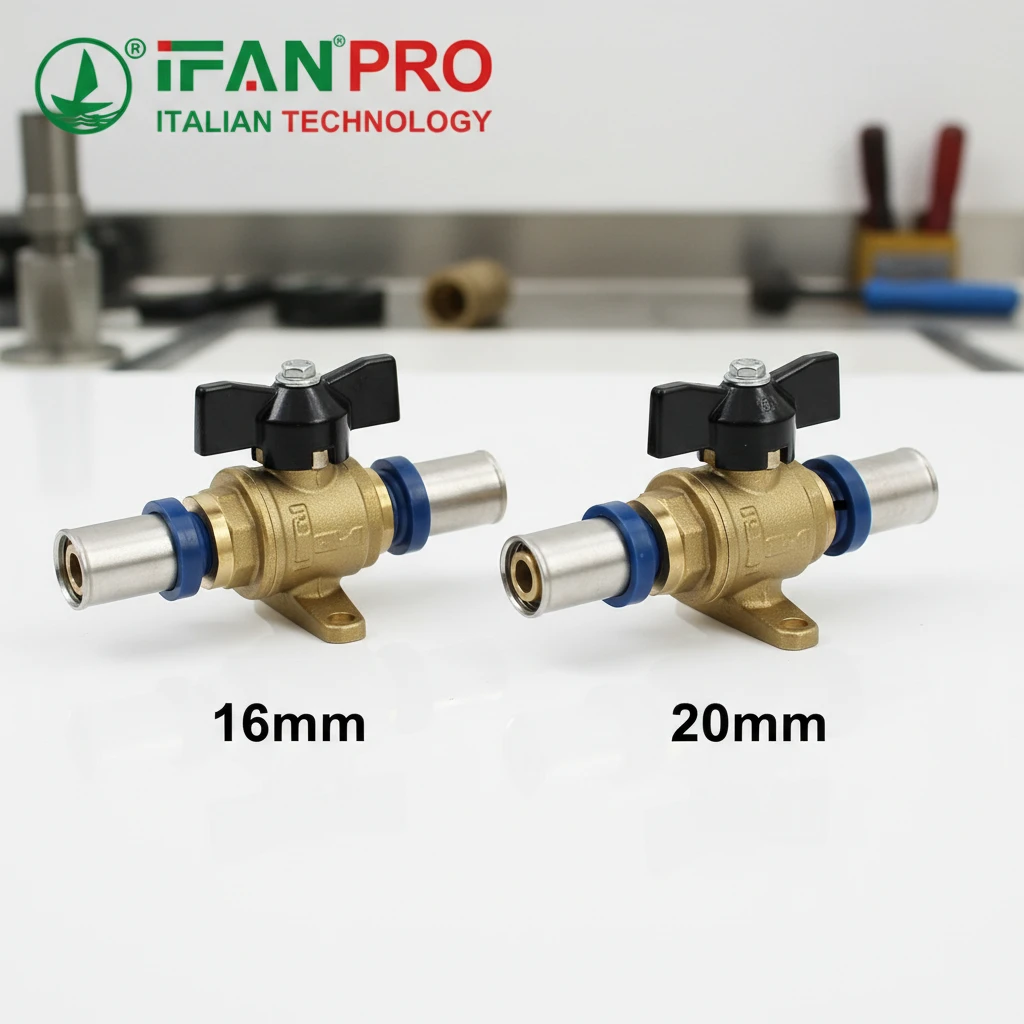
Selecting between the 16mm and 20mm IFANPRO valve depends on your pipe’s outer diameter and the required flow rate. 16mm suits smaller branch lines and fixtures, while 20mm is ideal for main supply lines or higher‑demand applications. Always match the valve size to the pipe size for a proper fit.
How to Identify Your Pipe Size
PEX‑AL‑PEX pipes are marked with their outer diameter (OD). Common sizes are 16mm and 20mm. Measure the pipe with a caliper if you’re unsure. The IFANPRO valve is clearly labelled, and the internal U‑mold is sized exactly for that OD.
Flow Rate Considerations
Flow rate is directly related to pipe diameter. A 16mm pipe typically handles flows up to 30 liters per minute, while 20mm can handle up to 50 L/min. If you have multiple fixtures drawing water simultaneously, choose 20mm for the main trunk to avoid pressure drops.
Application Guide
- 16mm valves are perfect for:
- Single bathroom sinks
- Toilets
- Kitchen taps in small apartments
- Radiator connections in underfloor heating
- 20mm valves are recommended for:
- Main water supply lines
- Large showers with multiple heads
- Boiler connections
- Commercial applications
Practical Sizing Table
| Application | Recommended Size | Reason |
|---|---|---|
| Bathroom sink | 16mm | Low flow demand, compact space |
| Kitchen sink (single) | 16mm | Usually sufficient |
| Shower (rain head) | 20mm | Higher flow needed |
| Main water line (house) | 20mm | Avoids pressure loss |
| Underfloor heating loop | 16mm | Standard for loops |
| Boiler feed | 20mm | High flow and temperature |
Conclusión
The IFANPRO Mold U PEX-AL-PEX 121UC Valve delivers unmatched compatibility, stability, and leak protection. For your next project, choose IFAN’s precision‑engineered valve and install with confidence.







 Español
  English
  Français
  Русский
Comentarios recientes