
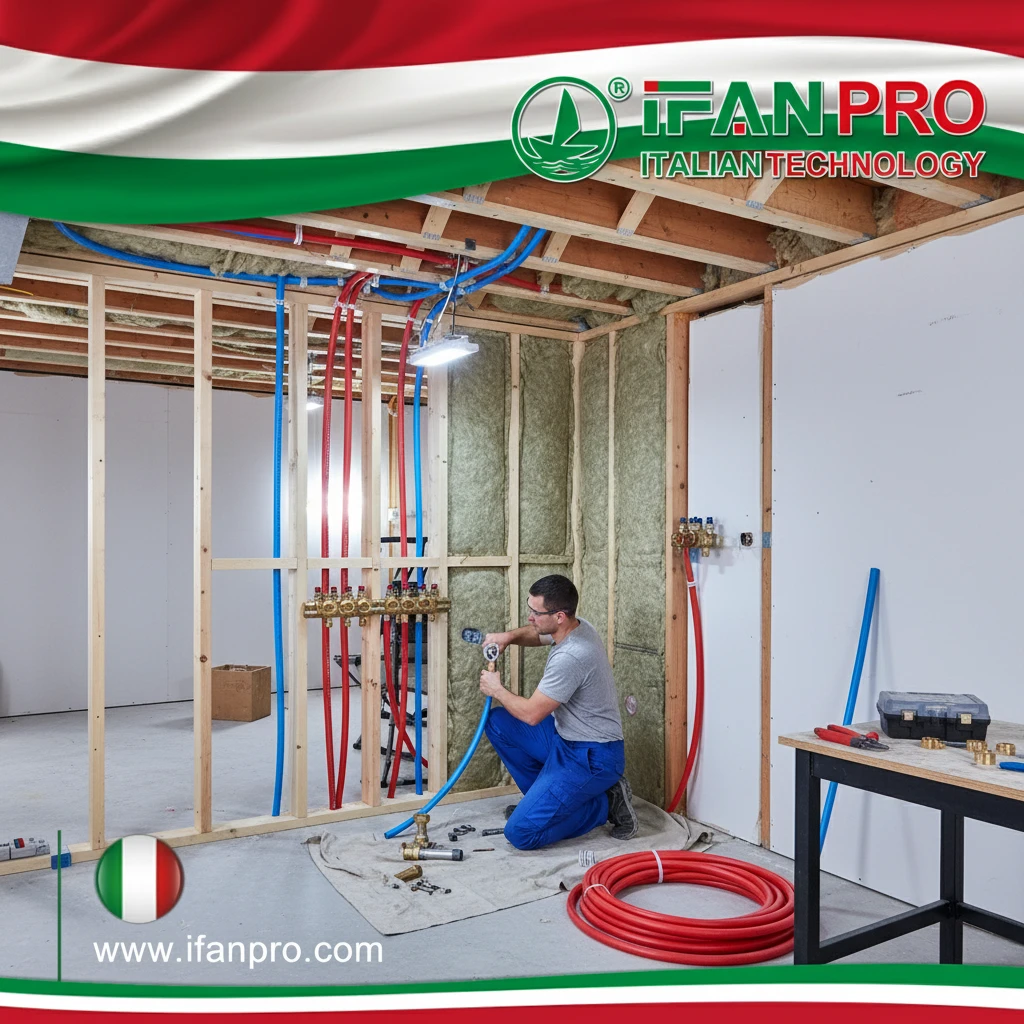
I’ve helped hundreds of homeowners switch from leaky metal pipes to PEX systems. The transformation in reliability and peace of mind is remarkable.
Yes, you should consider replacing your plumbing with PEX, especially if you’re dealing with frequent leaks, corrosion issues, or planning renovations. PEX offers superior freeze resistance, easier installation, and lower long-term maintenance costs compared to traditional copper or galvanized steel pipes, making it a smart investment for most homes.
Let me walk you through the key factors that make PEX an excellent choice for plumbing upgrades.
What Are the Key Advantages of PEX Versus Traditional Plumbing Pipes?
Many homeowners struggle with corroding pipes and constant repairs. I’ve seen how PEX solves these persistent problems.
PEX offers three major advantages over traditional pipes: exceptional freeze resistance that prevents bursting, flexibility that allows for fewer connections and faster installation, and corrosion resistance that eliminates rust and scale buildup. These features make PEX systems more durable and reliable than copper or steel alternatives.
Superior Durability and Safety
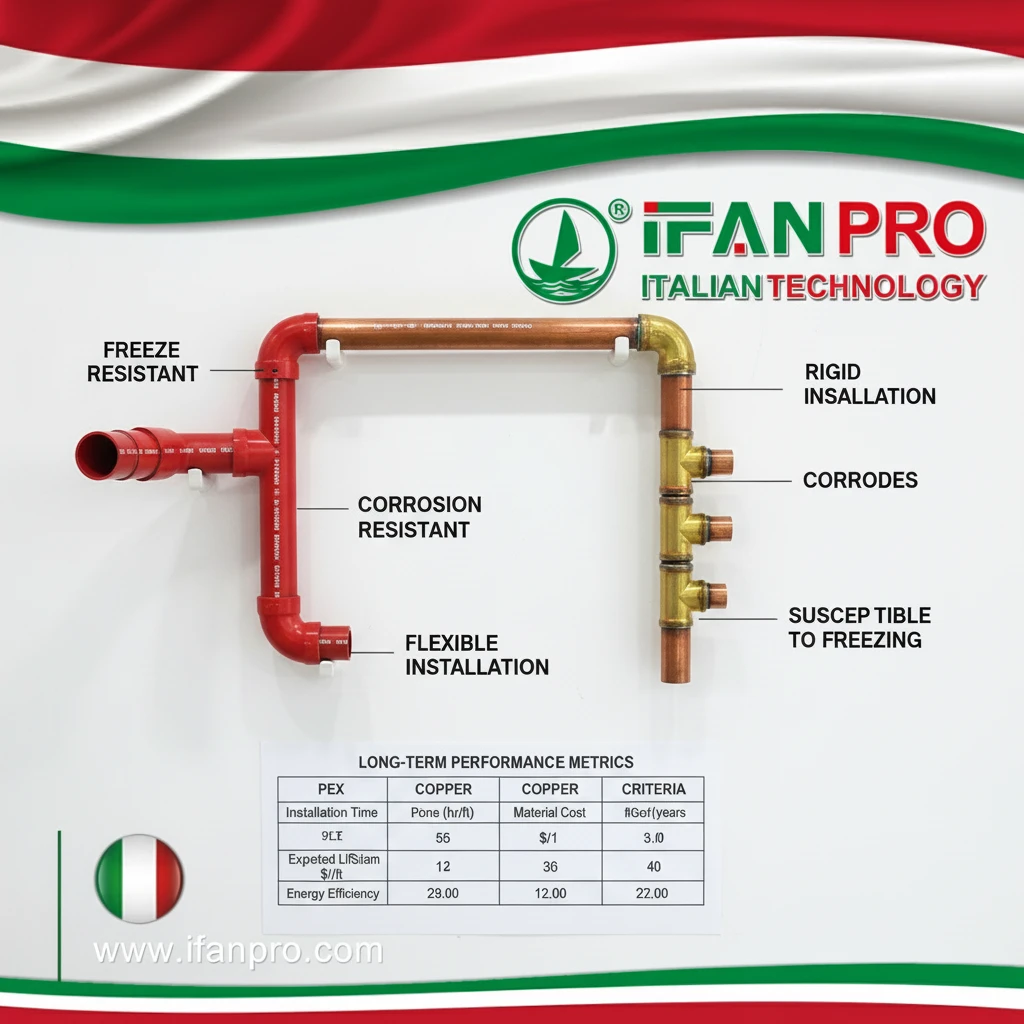
PEX pipes handle conditions that would damage traditional plumbing. Unlike copper pipes that can burst when frozen, PEX can expand and contract without breaking. This flexibility prevents catastrophic water damage from frozen pipes – a common issue in colder climates.
The material itself resists chemical damage and corrosion. While metal pipes can corrode from water minerals or soil conditions, PEX remains unaffected. This means you won’t experience the rust-colored water or reduced water pressure that plagues older metal pipe systems.
Installation Flexibility
PEX’s flexibility transforms installation processes. Long runs can be installed with minimal connections because the pipes bend around corners. Fewer connections mean fewer potential leak points. Traditional rigid pipes require elbows and fittings at every turn, creating multiple weak points where leaks can develop.
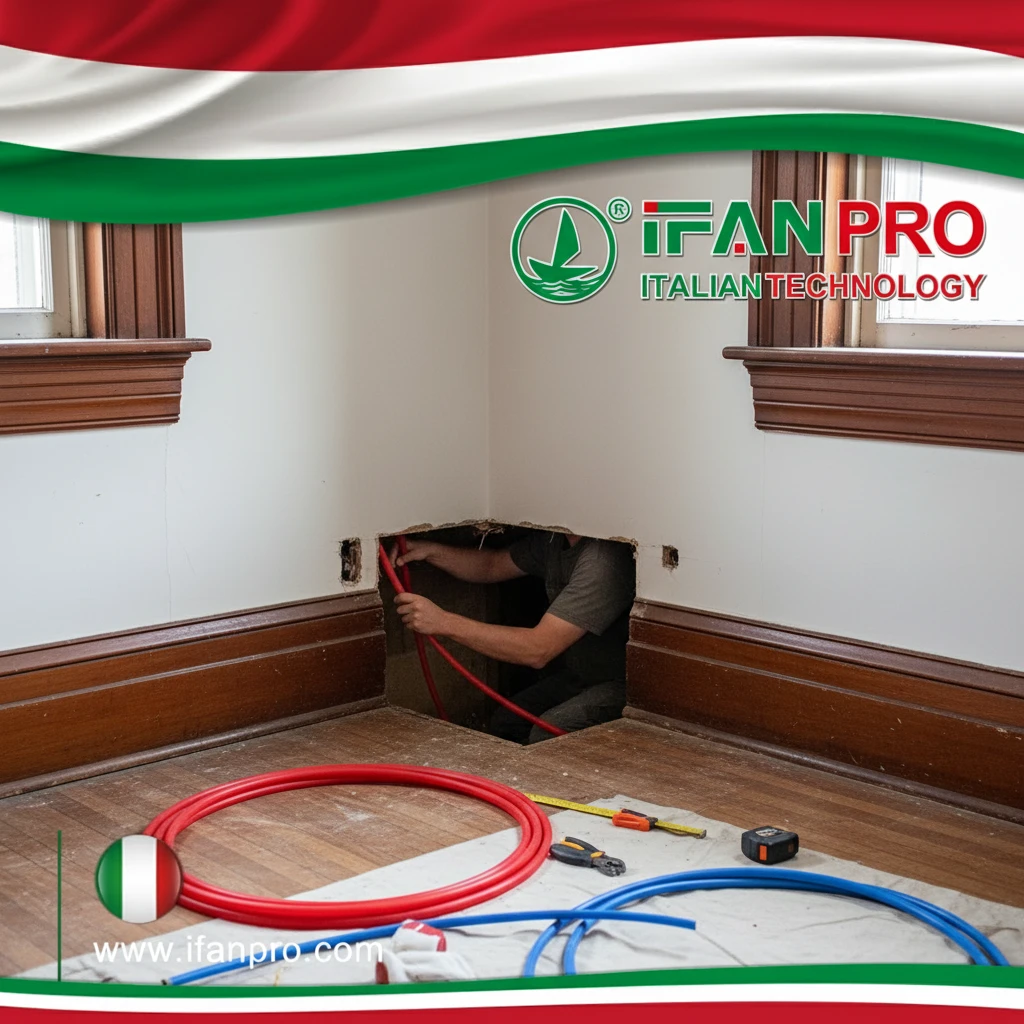
The flexibility also makes PEX ideal for renovations. You can often thread new PEX lines through existing spaces without tearing open walls. This “fishing” technique significantly reduces installation time and repair costs.
Health and Environmental Benefits
PEX maintains water quality better than some traditional options. Unlike metal pipes, it doesn’t introduce copper or other metals into your drinking water. The smooth interior surface resists scale buildup that can harbor bacteria in older pipes.
Performance Comparison Table
| Feature | PEX | Copper | PVC |
|---|---|---|---|
| Freeze Resistance | High – expands without bursting | Low – can burst when frozen | Medium – can crack when frozen |
| Corrosion Resistance | Excellent – no rust or corrosion | Fair – can corrode over time | Excellent – no rust or corrosion |
| Installation Flexibility | High – bends around corners | Low – requires fittings for turns | Low – requires fittings for turns |
| Number of Connections | Few – long continuous runs | Many – fittings at every turn | Many – fittings at every turn |
PEX systems also operate more quietly than metal pipes. The material absorbs water hammer sounds and vibration, reducing the knocking noises common in copper systems. This makes for a quieter home environment, especially when water valves shut off suddenly.
How Much Does PEX Plumbing Replacement Typically Cost Compared to Copper?
Budget concerns often stop homeowners from upgrading. Having managed numerous replacements, I can confirm PEX saves money immediately and long-term.
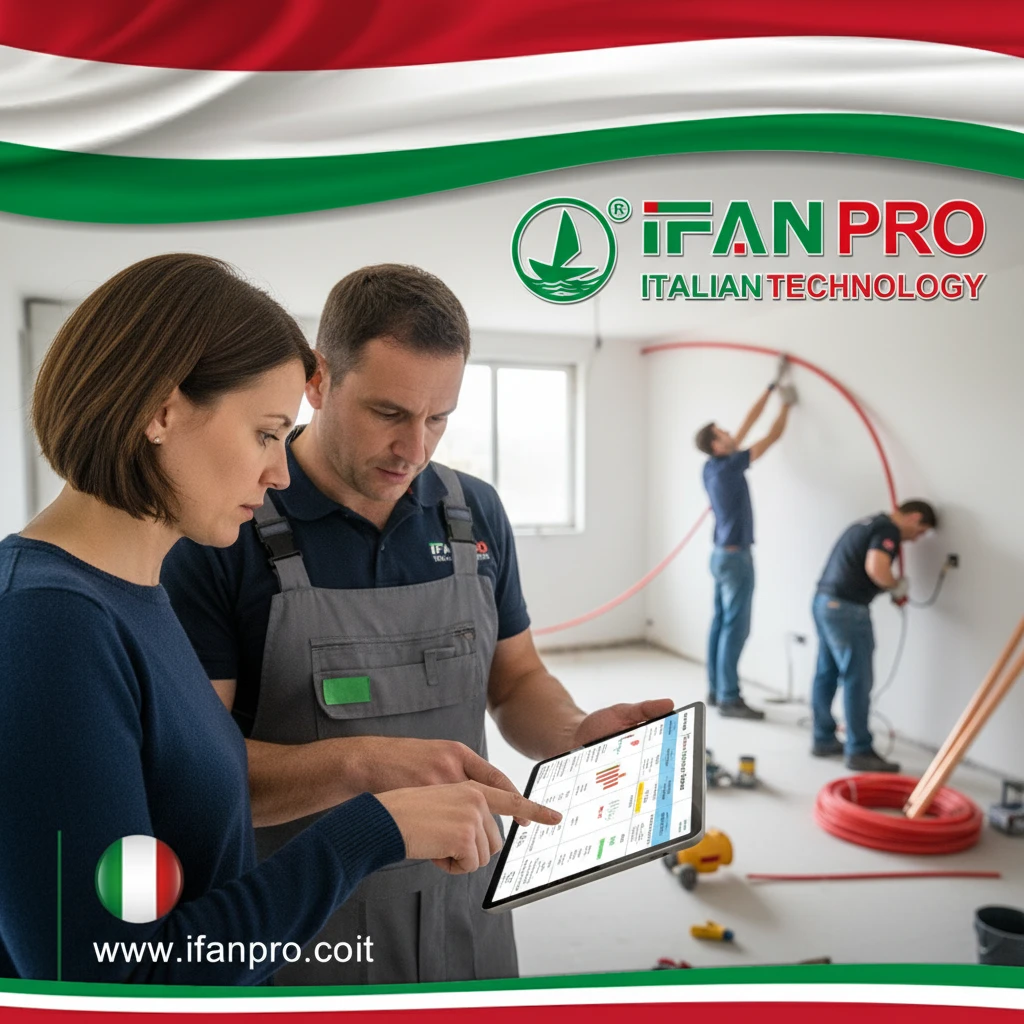
PEX plumbing replacement typically costs 30-40% less than copper systems. While material costs are similar, PEX saves significantly on labor due to faster installation. For an average 2,000 square foot home, expect to pay $4,000-$6,000 for PEX versus $6,000-$9,000 for copper, including materials and professional installation.
Understanding Cost Components
The total replacement cost involves materials, labor, and additional expenses like wall repairs. PEX wins in all categories except perhaps material costs where it’s comparable to copper.
Material costs for PEX have become very competitive. While copper prices fluctuate wildly, PEX prices remain stable. The fitting and connection costs are lower for PEX because you need fewer components. A typical PEX installation uses 40-60% fewer fittings than a copper system.
Labor Cost Advantages
Labor represents the biggest savings with PEX. Installing PEX requires less time and specialized skill than soldering copper. Where a copper installation might take 3-5 days, a PEX system can often be completed in 2-3 days. This 30-50% reduction in labor time translates directly to cost savings.
The installation method also affects other costs. PEX’s flexibility means fewer holes in walls and framing members. This reduces structural concerns and the need for subsequent repairs. The lightweight nature of PEX makes handling easier and reduces worker fatigue.
Cost Breakdown Table
| Cost Category | PEX System | Copper System |
|---|---|---|
| Materials (Average Home) | $1,500-$2,500 | $2,000-$3,500 |
| Labor | $2,000-$3,000 | $3,500-$5,000 |
| Wall Repairs | $500-$1,000 | $1,000-$2,000 |
| Total Estimated Cost | $4,000-$6,500 | $6,500-$10,500 |
Hidden Cost Considerations
PEX avoids several hidden costs that plague copper systems. The corrosion resistance means you won’t face early replacement costs from pinhole leaks. The freeze resistance prevents expensive winter damage repairs. These avoided costs make PEX even more economical over time.
Many homeowners can recoup their PEX investment within 5-7 years through reduced repair costs and water damage prevention. Some insurance companies even offer discounts for homes with PEX plumbing due to its superior leak resistance.
What Are the Long-Term Maintenance Benefits of Switching to PEX Systems?
Homeowners dread unexpected plumbing repairs. Having maintained both systems, I’ve seen how PEX reduces these worries dramatically.
Switching to PEX provides three major long-term maintenance benefits: virtual elimination of leak repairs due to corrosion-resistant materials and fewer connections, prevention of scale buildup that maintains water pressure and quality, and inherent freeze resistance that prevents winter pipe bursts. These advantages can reduce your plumbing maintenance costs by 60-80% compared to metal systems.
Corrosion and Leak Prevention
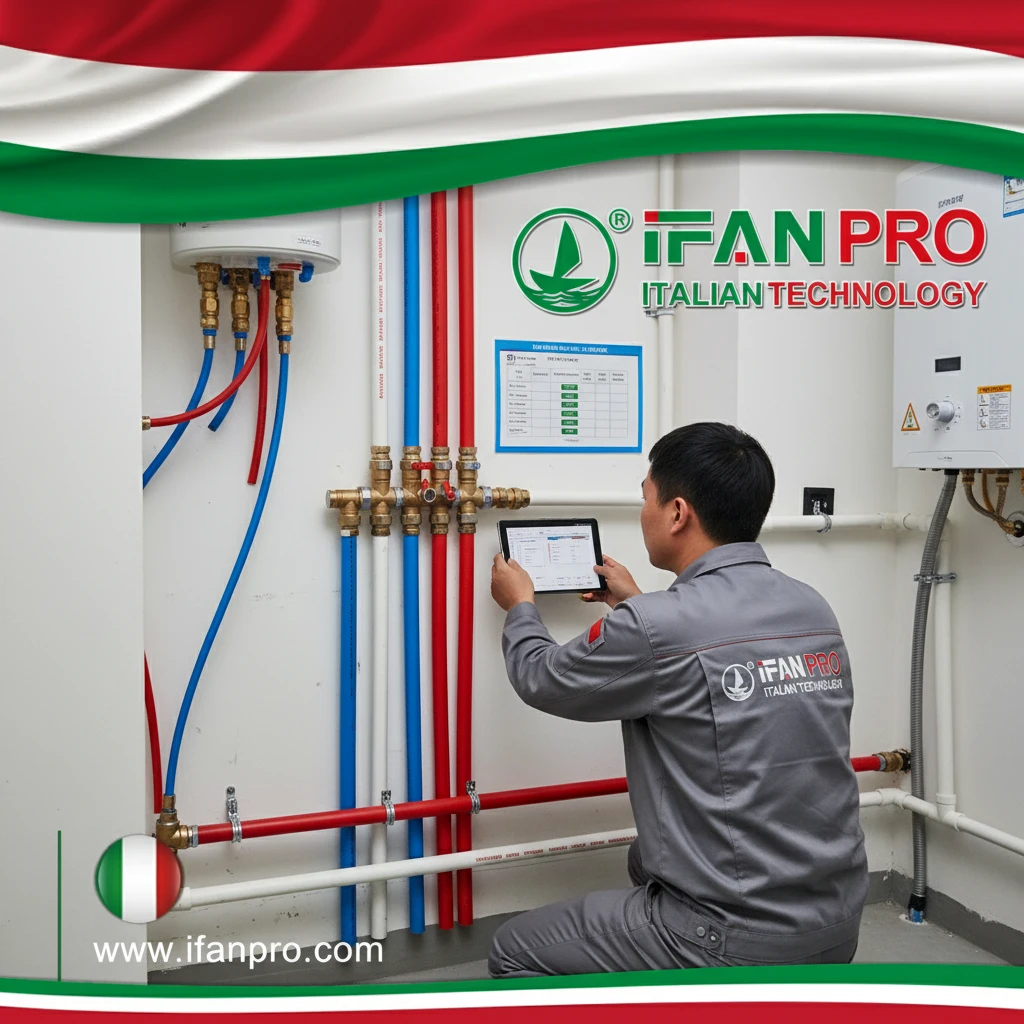
Metal pipes inevitably corrode, leading to pinhole leaks and reduced water pressure. I’ve seen copper systems fail after just 15-20 years in areas with aggressive water. PEX eliminates this concern entirely because the material cannot corrode. This means no more emergency calls for leaking pipes hidden in walls.
The reduction in connections also dramatically reduces leak potential. A typical copper system has hundreds of soldered joints, each representing a potential failure point. PEX systems have far fewer connections, and those connections use robust brass fittings with superior sealing technology.
Scale and Buildup Resistance
Hard water causes scale accumulation in metal pipes, reducing diameter and water pressure over time. PEX’s smooth interior surface prevents mineral adhesion, maintaining full flow capacity throughout its lifespan. This means consistent water pressure and no need for pipe descaling services.
The scale resistance also improves water heater efficiency. Without mineral particles flowing through your system, water heaters and appliances last longer and operate more efficiently. This can extend the life of your water heater by several years.
Maintenance Comparison Table
| Maintenance Issue | PEX Performance | Traditional Pipe Performance |
|---|---|---|
| Leak Repairs | Rare after proper installation | Common, especially at joints |
| Corrosion Issues | None – material doesn’t corrode | Frequent after 15-25 years |
| Scale Buildup | Minimal – smooth interior | Significant in hard water areas |
| Freeze Damage | Rare – pipes expand | Common in cold climates |
| Water Pressure Loss | Unlikely due to scale | Common in older metal pipes |
Freeze Damage Prevention
The expansion capability of PEX provides crucial protection in cold climates. While copper pipes burst when frozen, PEX can expand to accommodate ice formation then return to normal when thawed. This prevents the massive water damage that often results from frozen plumbing.
The long-term savings from avoided freeze damage alone can justify the switch to PEX for homeowners in northern climates. A single frozen pipe incident can cause tens of thousands in water damage – a risk PEX substantially reduces.
Is PEX Replacement Suitable for Older Homes with Existing Plumbing Systems?
Older homes present unique plumbing challenges. Having retrofitted PEX in homes from the 1920s onward, I know it’s particularly well-suited for these situations.
PEX replacement is excellent for older homes because its flexibility allows installation with minimal structural damage, it works well with existing plumbing layouts, and it solves common old-house problems like corroded galvanized pipes and inadequate water pressure. The installation can often be completed with less disruption than traditional pipe replacement methods.
Retrofitting Advantages
PEX’s small diameter and flexibility make it ideal for retrofitting in tight spaces. Installers can often thread PEX through existing holes and pathways, avoiding the extensive wall and ceiling demolition required for rigid pipes. This preservation of original plaster and woodwork is especially valuable in historic homes.
The lightweight nature of PEX also helps in older structures. Heavy copper pipes sometimes require additional support in century-old framing. PEX weighs significantly less, reducing stress on aged structural elements.
Compatibility with Existing Systems
PEX adapts seamlessly to existing plumbing configurations. Using standard transition fittings, plumbers can connect PEX to remaining sound sections of old pipes. This flexibility allows phased replacements where budgets are limited – you can replace the worst sections first and address others later.
The system also accommodates older fixture placements. Unlike rigid pipes that require precise measurements, PEX can be adjusted on-site to match existing plumbing centers. This eliminates the need to move sinks or toilets to accommodate new pipe runs.
Old Home Challenge Solutions Table
| Common Old Home Problem | How PEX Provides Solution |
|---|---|
| Galvanized Pipe Corrosion | Complete corrosion resistance replacement |
| Poor Water Pressure | Smooth interiors maintain full flow |
| Limited Access Areas | Flexible pipes snake through existing spaces |
| Frequent Leaks | Fewer connections and no corrosion |
| Freezing Vulnerabilities | Pipe expansion prevents bursting |
| Lead Solder Concerns | Eliminates lead from drinking water system |
Addressing Specific Old Home Challenges
Many older homes have galvanized steel pipes that are heavily corroded inside. PEX completely eliminates this issue while often improving water pressure due to its smooth interior walls. The difference in water flow is immediately noticeable after replacement.
In homes with lead solder or lead pipes, PEX provides safe drinking water by completely replacing the hazardous material. The certification of PEX for potable water ensures your family’s safety from lead contamination.
For historical homes where preserving original materials is crucial, PEX’s minimal invasion approach protects valuable architectural elements. The ability to run continuous lines from basement to attic means fewer access holes in original walls and floors.
Conclusión
PEX offers modern reliability, significant cost savings, and easier installation for home plumbing replacements. For professional-grade PEX pipes and fittings, choose IFAN to ensure quality and performance in your plumbing upgrade project.








 Español
  English
  Français
  Русский
Comentarios recientes