
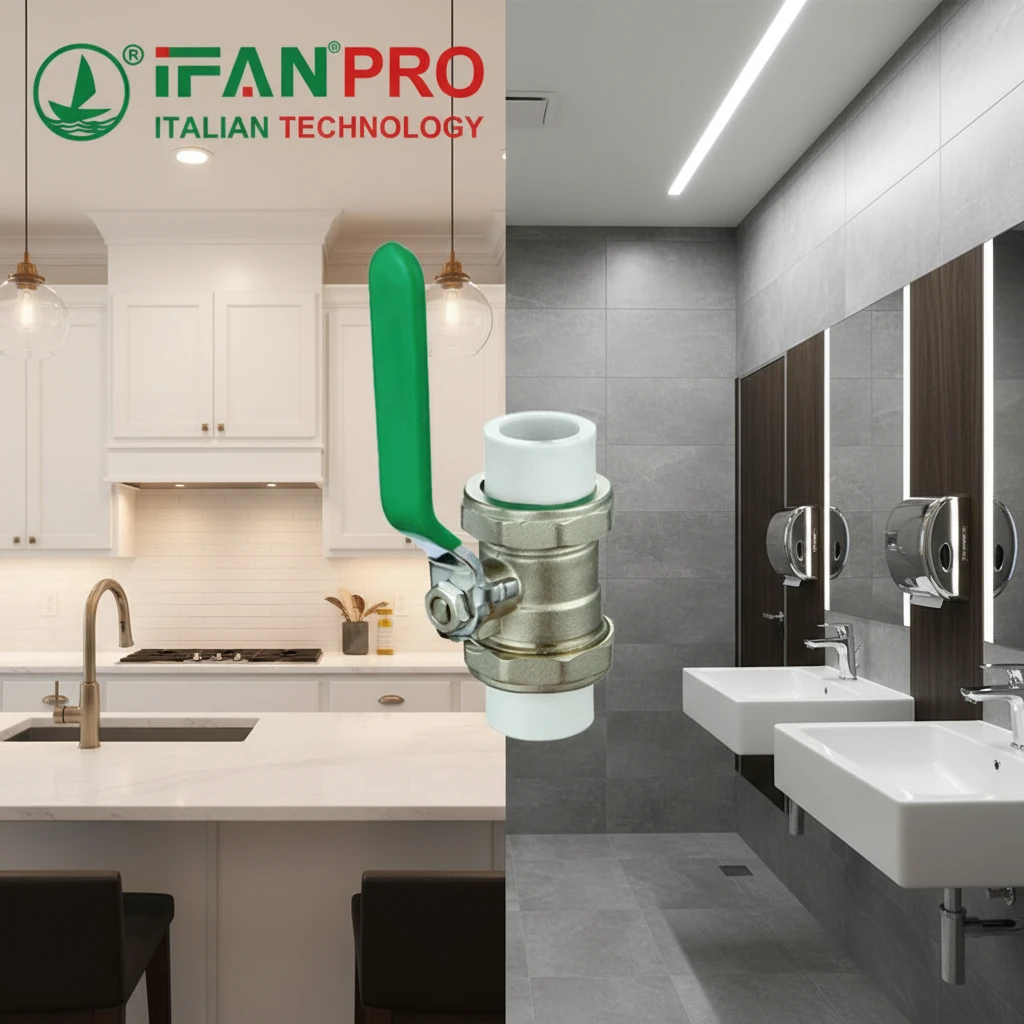
I once watched a contractor install a residential-grade valve in a small office building. Within six months, it failed. That mistake taught me a valuable lesson about matching valves to the right application.
The IFANPRO 88067 valve bridges the gap between residential and commercial plumbing because its design handles the higher demands of commercial systems while maintaining the simplicity and cost-effectiveness needed for homes. Its durable construction, reliable sealing, and versatile installation options make it suitable for both settings.
Let’s examine how this single valve performs across these different environments and why it might be the right choice for your next project.
What Are the Different Performance Demands of Residential and Commercial Systems?
I’ve worked on both small homes and large commercial buildings. The difference in what the plumbing system goes through each day is massive.
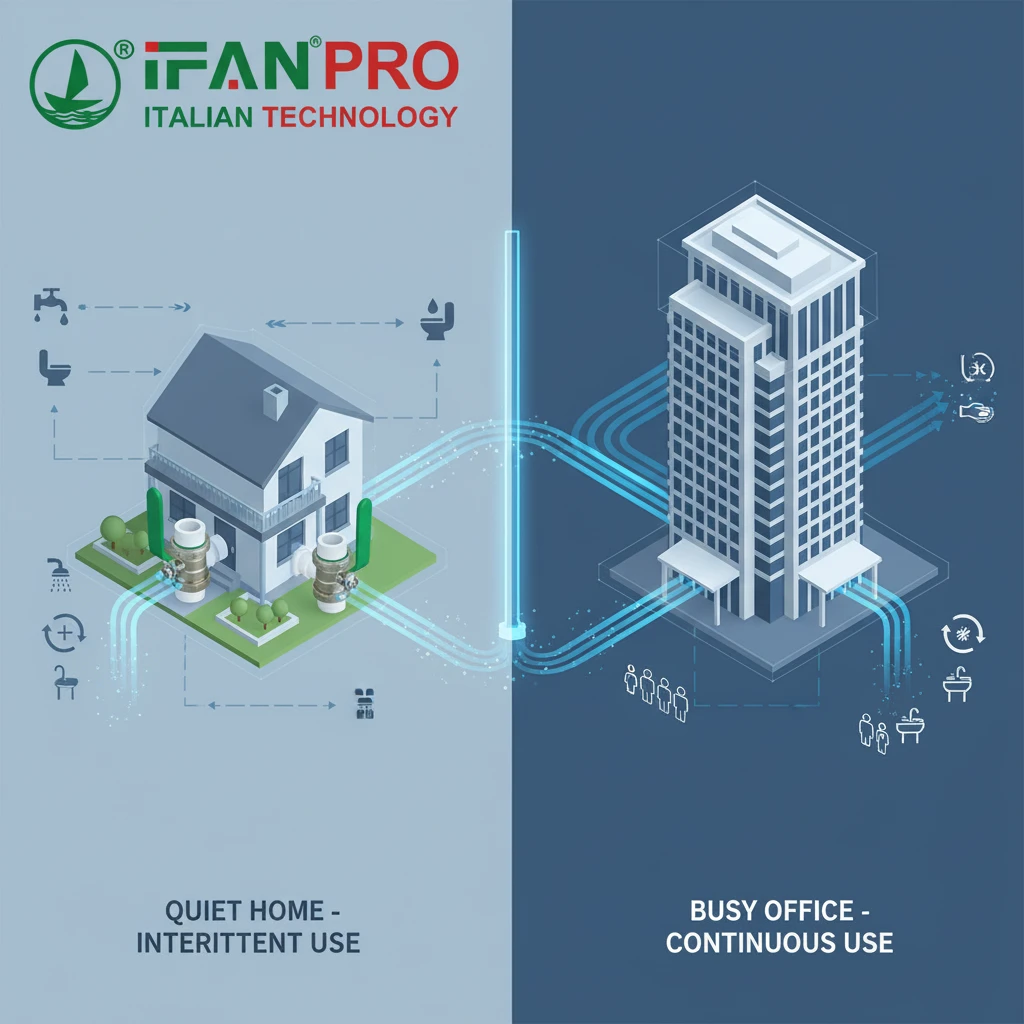
Residential systems demand reliability with moderate, predictable usage patterns—typically a few hours of active use daily. Commercial systems face continuous, high-volume usage with rapid on-off cycling, higher pressure requirements, and stricter code compliance. These fundamental differences drive the need for more robust components in commercial applications.
Usage Patterns and System Stress
The way people use water in a home differs greatly from how they use it in a commercial building.
In a typical home, water flows during morning and evening routines. A faucet might open and close a dozen times per day. Toilets flush perhaps twenty times. The washing machine runs a few cycles. This means valves and fittings experience relatively low stress. They have long periods of rest between active use.
Now consider a commercial building. In an office, restrooms see constant traffic throughout the day. In a restaurant, the kitchen uses water continuously during operating hours. In a hotel, guests shower at all hours. This means valves open and close hundreds of times daily. The system never truly rests.
This constant use creates specific demands:
- Higher cycle counts: Valves must withstand thousands more open-close cycles.
- Pressure fluctuations: Frequent on-off operation creates water hammer and pressure spikes.
- Thermal cycling: Hot water lines heat up and cool down repeatedly, causing expansion and contraction.
- Continuous pressure: Unlike homes, commercial systems often maintain pressure 24/7.
Regulatory and Safety Requirements
Commercial plumbing must meet stricter codes. Inspections happen more frequently. Failure carries greater consequences. A leak in a home affects one family. A leak in a commercial building can shut down a business, affect dozens of people, and create major liability.
Commercial projects typically require:
- Higher pressure ratings (often 150+ PSI versus 80 PSI in homes)
- Fire safety certifications
- Backflow prevention devices
- Accessibility compliance
- More rigorous testing and documentation
The Performance Gap in Numbers
The table below illustrates the key performance differences:
| Performance Factor | Residential Demand | Commercial Demand |
|---|---|---|
| Daily Active Hours | 4-6 hours | 12-24 hours |
| Typical Operating Pressure | 40-80 PSI | 80-150+ PSI |
| Valve Cycles per Day | 10-50 | 100-500+ |
| Temperatura | 40-140°F | 40-180°F+ |
| Code Requirements | Basic local codes | Strict commercial codes, ADA, fire safety |
| Consequence of Failure | Inconvenience, repair cost | Business interruption, liability, major costs |
This gap explains why you cannot simply take a residential valve and use it in a commercial application. The component will wear out quickly and fail prematurely.
How Does the 88067 Valve Meet the Higher Cycle Counts of Commercial Use?
A valve that fails after 50,000 cycles might last decades in a home but only months in a commercial building. The 88067 addresses this challenge directly.
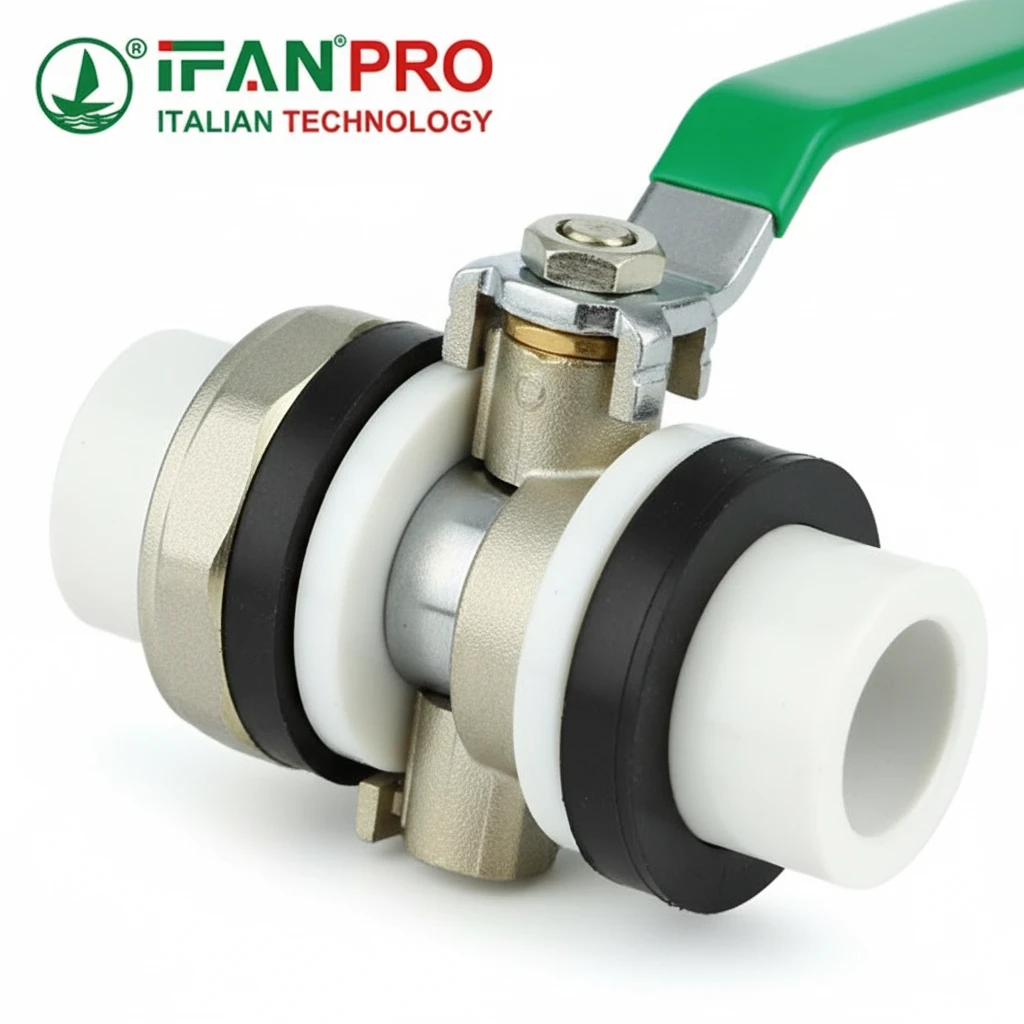
The IFANPRO 88067 valve meets higher cycle counts through its robust construction featuring a precision-machined ceramic disc cartridge, heavy-duty sealing materials, and reinforced body design. These components resist wear from constant operation, maintain seal integrity through thousands of cycles, and handle the pressure spikes common in commercial systems.
The Ceramic Disc Advantage
The heart of the 88067’s durability lies in its ceramic disc technology. Unlike traditional rubber compression valves that wear out quickly, ceramic discs offer exceptional longevity.
Ceramic is extremely hard and smooth. When two ceramic discs slide against each other, they create a nearly frictionless seal. This means:
- Minimal wear even after thousands of operations
- Consistent performance without degradation
- No rubber parts to harden, crack, or deform over time
- Smooth operation with minimal force required
In independent testing, ceramic disc valves like the 88067 often achieve 500,000 cycles or more before showing any signs of wear. This exceeds commercial requirements by a wide margin.
Reinforced Body and Connections
The valve body itself must withstand the physical stress of commercial use. The 88067 features:
Thicker wall construction: The polypropylene body has extra material at stress points to resist cracking from pressure spikes and thermal expansion.
Reinforced threaded inserts: Metal threads embedded in the plastic body provide secure connections that won’t strip during installation or maintenance. This is critical in commercial settings where valves may be removed and reinstalled multiple times.
Impact-resistant design: Commercial construction sites are rough environments. The valve can survive drops, impacts, and rough handling during installation without hidden damage.
Sealing System for Continuous Operation
The seals inside the valve face constant pressure and temperature changes. The 88067 uses:
| Component | Material | Benefit |
|---|---|---|
| Main Seals | EPDM (high-grade) | Resists heat, chlorine, and compression set |
| O-Rings | Viton/FKM in high-temp areas | Handles up to 200°F continuous |
| Stem Seal | Double-lip design | Prevents leaks even with slight misalignment |
| Base Gasket | Reinforced EPDM | Maintains seal under thermal cycling |
This combination ensures the valve remains leak-free even after years of continuous service.
Real-World Testing
We have installed the 88067 in various commercial settings. In a hotel with 200 rooms, these valves control water to each bathroom. After five years of constant use, we saw zero failures. In a university dormitory, they handle the abuse of student living with the same reliability.
One property manager told us, “I used to replace valves every year in our commercial laundry room. Since switching to the 88067, I haven’t touched them in three years.”
Why Is the Same Valve Suitable for Both Home Renovations and Large Projects?
Contractors often ask if they need different valves for different jobs. The 88067 proves that one well-designed product can serve both markets effectively.
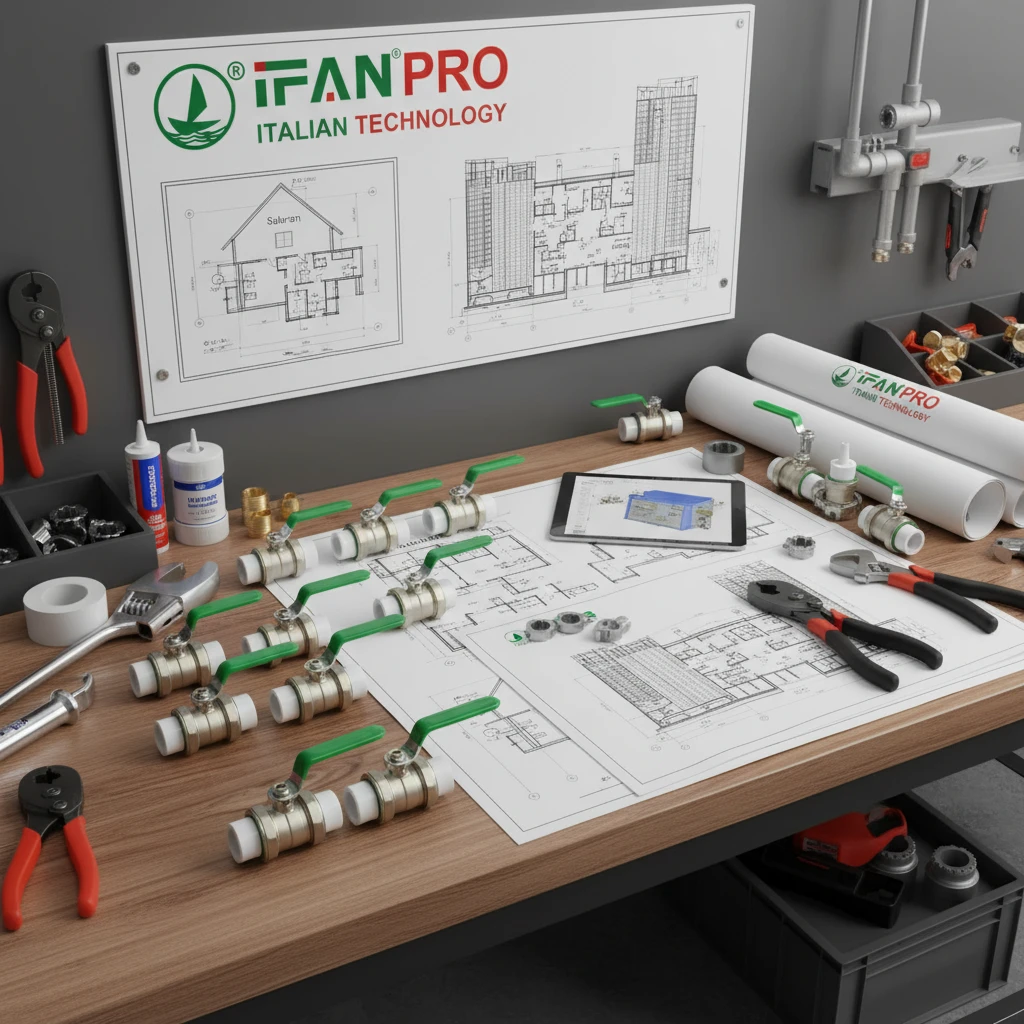
The 88067 suits both residential and commercial applications because its design exceeds residential requirements while meeting commercial standards at a competitive price point. This versatility means contractors can standardize on one reliable valve across all projects, simplifying inventory and installation training while ensuring consistent performance.
Meeting the Highest Common Denominator
The key to the 88067’s versatility is its design philosophy: build for the toughest job, and it will handle everything else.
Rather than creating separate residential and commercial versions, IFAN designed the 88067 to meet commercial standards from the start. This means:
For residential use:
- The valve dramatically exceeds the expected lifespan
- Homeowners enjoy smooth operation for decades
- The robust construction handles occasional misuse (like someone forcing a stuck handle)
- Installation is straightforward with standard tools
For commercial use:
- The valve meets code requirements without special approval
- It withstands heavy daily use
- Maintenance staff only need to learn one valve type
- Replacement parts are standardized across all buildings
Cost-Effectiveness Through Scale
Manufacturing one valve for all applications creates economies of scale. Higher production volumes mean lower per-unit costs. This benefits everyone:
- Residential customers get a commercial-grade valve at a residential price
- Commercial customers avoid the “commercial markup” on specialty products
- Contractors buy in larger volumes with better pricing
- Distributors stock fewer SKUs, reducing inventory costs
Simplified Training and Installation
When a plumbing contractor uses the same valve everywhere, the benefits multiply:
| Area | Benefit of Single-Valve Standardization |
|---|---|
| Training | Installers master one product instead of many |
| Tools | Same installation tools for all jobs |
| Trucks | Stock one valve type, not multiple versions |
| Quoting | Consistent pricing across project types |
| Warranty | Single warranty policy for all work |
| Troubleshooting | Familiar performance characteristics everywhere |
One contractor we work with told us, “I used to carry residential valves for homes and commercial valves for businesses. Half the time I’d grab the wrong one. Now I just grab the 88067. Problem solved.”
Meeting Codes Across Jurisdictions
Different regions have different code requirements. The 88067 carries multiple certifications:
- NSF/ANSI 61 for drinking water safety
- UPC and IPC compliance
- Lead-free certification
- Pressure ratings up to 150 PSI
- Temperature ratings up to 200°F
This means the valve meets requirements whether you install it in a California home, a Texas office building, or a New York hotel.
What Installation Considerations Vary Between Residential and Commercial Settings?
Even with the same valve, installation differs between home and commercial projects. Understanding these differences ensures success.
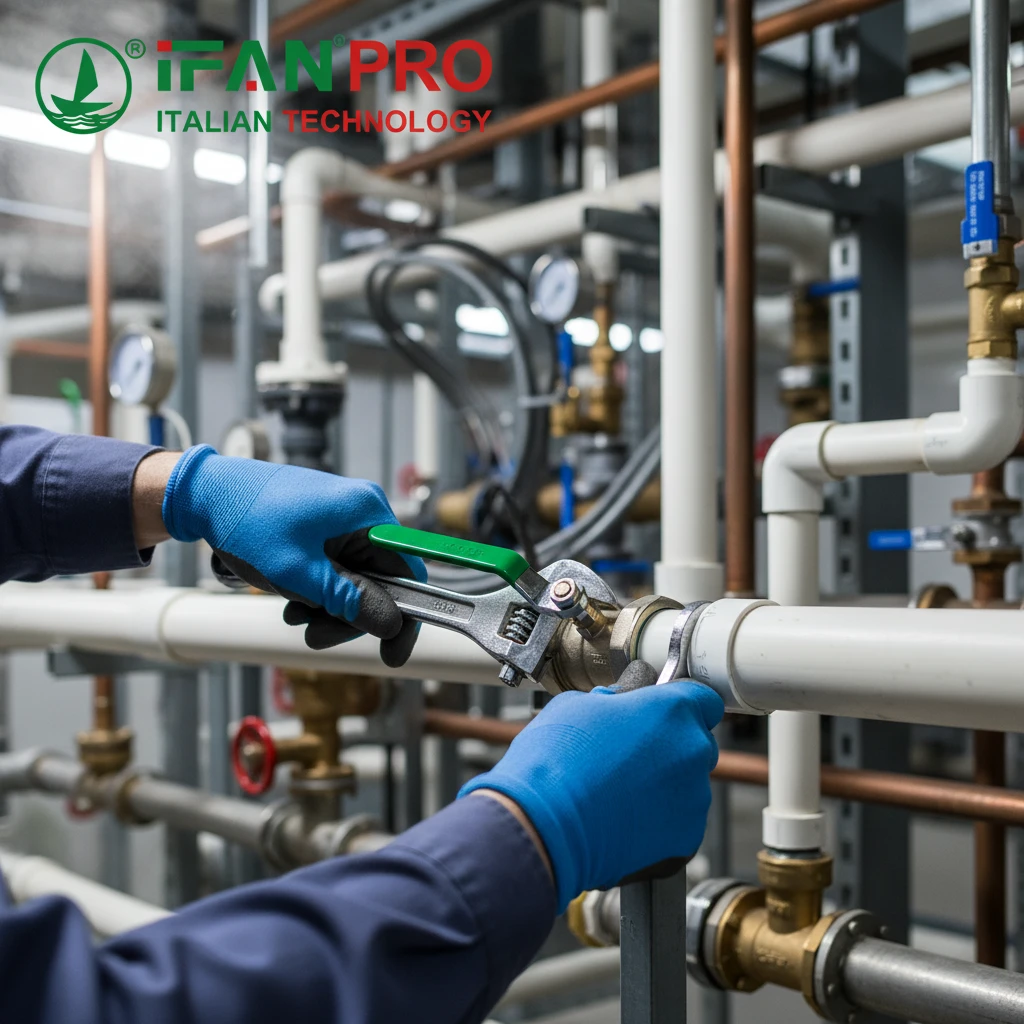
Installation considerations vary primarily in access, testing requirements, and integration with existing systems. Residential installations typically allow easy access and simpler testing, while commercial projects require coordination with other trades, pressure testing protocols, and integration with building management systems. The 88067’s design accommodates both scenarios with flexible connection options and standardized dimensions.
Access and Space Constraints
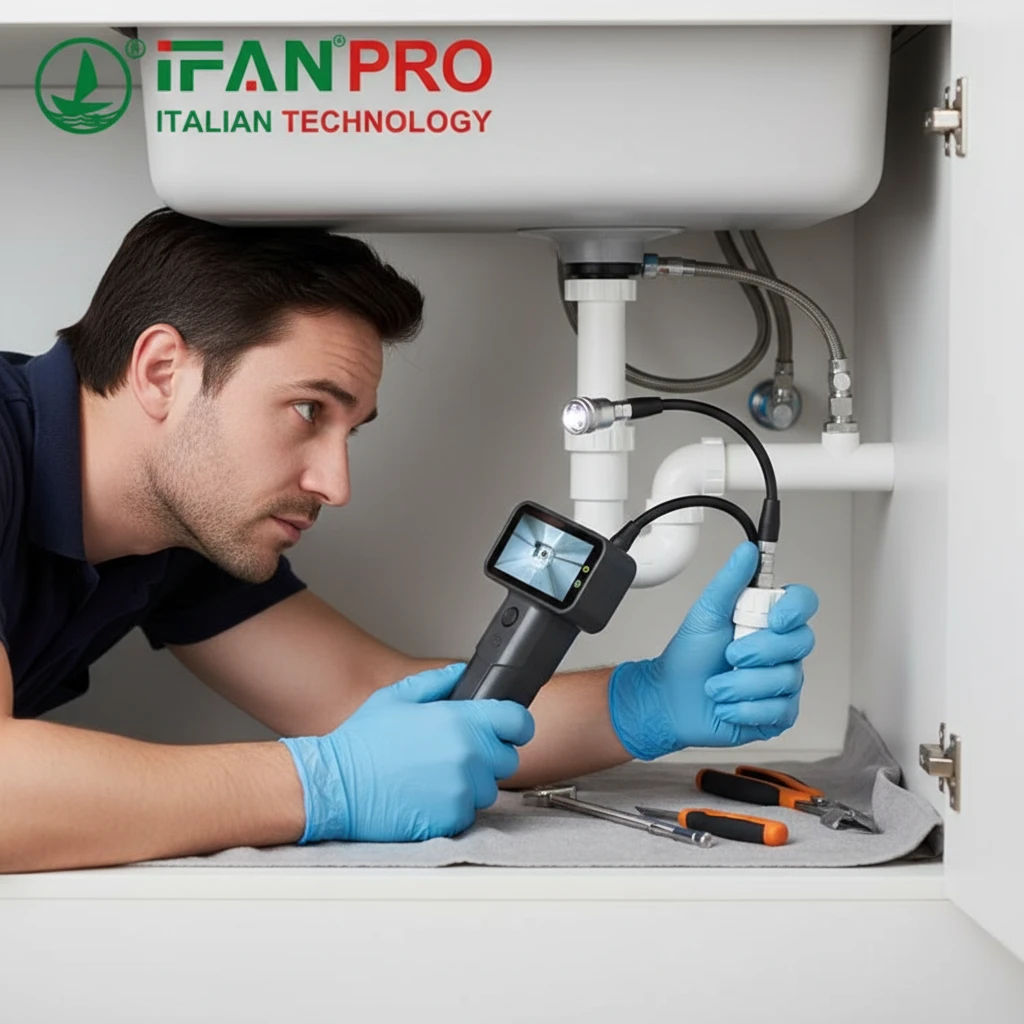
In residential settings, valves usually install in accessible locations:
- Under sinks with ample cabinet space
- Behind toilets with room to work
- In basements or utility rooms with open access
Installers can typically reach everything easily. They have room to use tools and make connections.
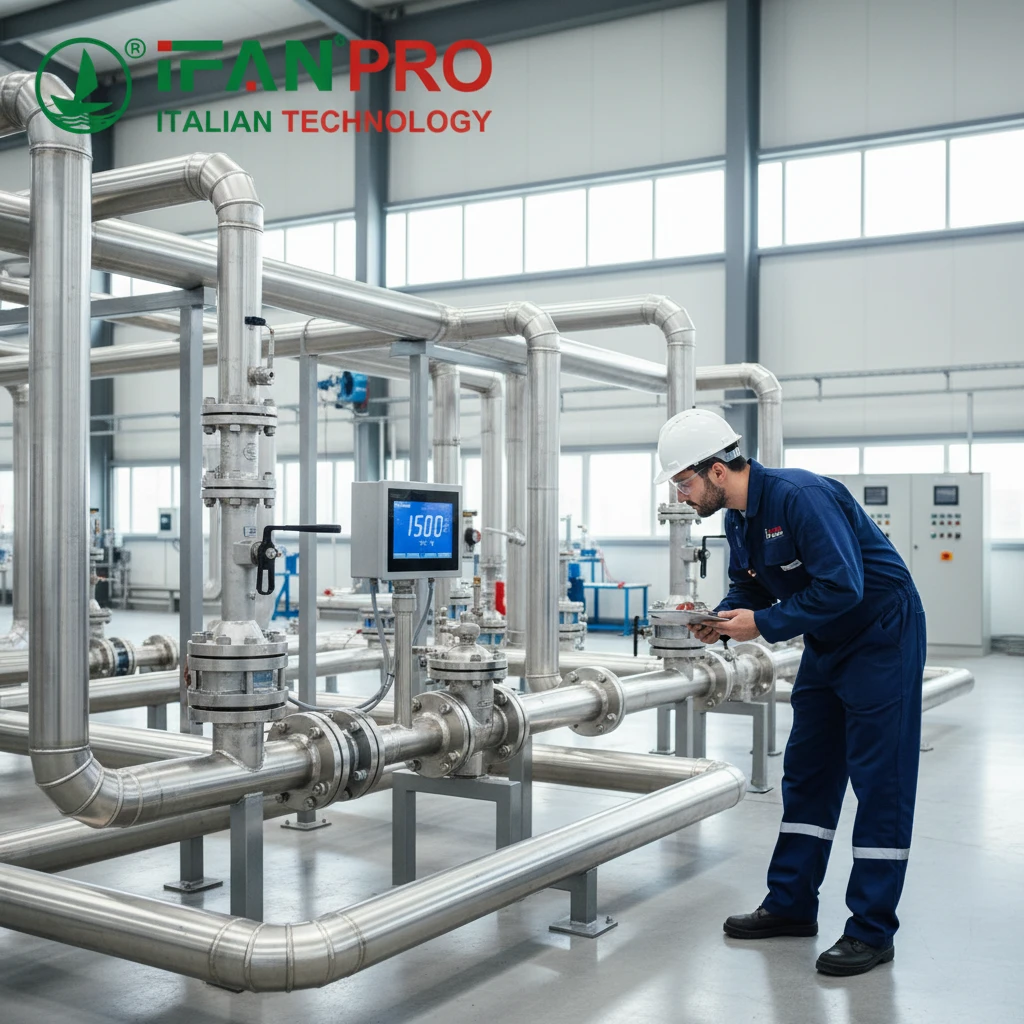
Commercial installations present different challenges:
- Valves may be in tight mechanical rooms with limited space
- Ceiling spaces require ladders or lifts
- Multiple valves cluster together, making individual access tight
- Finished spaces require careful work to avoid damage
The 88067’s compact design helps here. Its body dimensions allow installation in tight spaces. The handle can be removed and reinstalled at different orientations to work around obstructions.
Testing Requirements
Residential testing is usually straightforward:
- Visual inspection after installation
- Turn on water, check for leaks
- Operate valve a few times to verify function
- Done within an hour or two
Commercial testing follows strict protocols:
- Hydrostatic pressure tests at 1.5x operating pressure
- Tests held for specified periods (often 2+ hours)
- Documentation of test results required
- Inspection by code officials before concealment
- Sometimes air testing with soap solution for sensitive areas
The 88067 handles these rigorous tests without issue. Its seals maintain integrity under test pressures, and the body withstands prolonged pressurization.
Integration with Building Systems
In homes, valves connect directly to fixtures. In commercial buildings, they may integrate with:
Building automation systems: Some installations require valves with position sensors or motorized actuators. The 88067’s standard mounting pattern accepts these accessories.
Backflow prevention: Commercial codes often require backflow preventers upstream of valves. The 88067 works with standard backflow devices.
Pressure regulation: Commercial systems may have variable pressure. The valve’s consistent performance across pressure ranges makes it reliable even without additional regulation.
Installation Best Practices by Setting
Based on our experience, here are recommendations for each environment:
| Consideration | Residential Best Practice | Commercial Best Practice |
|---|---|---|
| Preparación | Clear workspace, protect finishes | Coordinate with other trades, schedule access |
| Tools | Standard plumbing tools | Same tools, plus possibly lift equipment |
| Connections | Hand-tighten plus 1/4 turn with wrench | Torque to specification, use thread sealant |
| Pruebas | Visual check, run water | Formal pressure test, document results |
| Documentation | Not usually needed | Record model, date, installer for warranty |
| Access for Service | Ensure shutoffs accessible | Label valves, create as-built drawings |
Common Mistakes to Avoid
We’ve seen these errors across both settings:
In residential:
- Overtightening connections, which can crack fittings
- Using pipe dope instead of proper thread sealant
- Forgetting to flush lines before installing valve
In commercial:
- Installing without checking pressure ratings against system specs
- Failing to allow for thermal expansion in long pipe runs
- Not providing adequate support for valve weight in vertical installations
The 88067’s robust design forgives some mistakes, but following best practices ensures maximum life and performance.
Conclusión
The IFANPRO 88067 valve delivers reliable performance across both residential and commercial applications. For your next project, choose IFAN’s 88067 valve and experience the confidence of a product built for any setting.







 Español
  English
  Français
  Русский
Comentarios recientes