
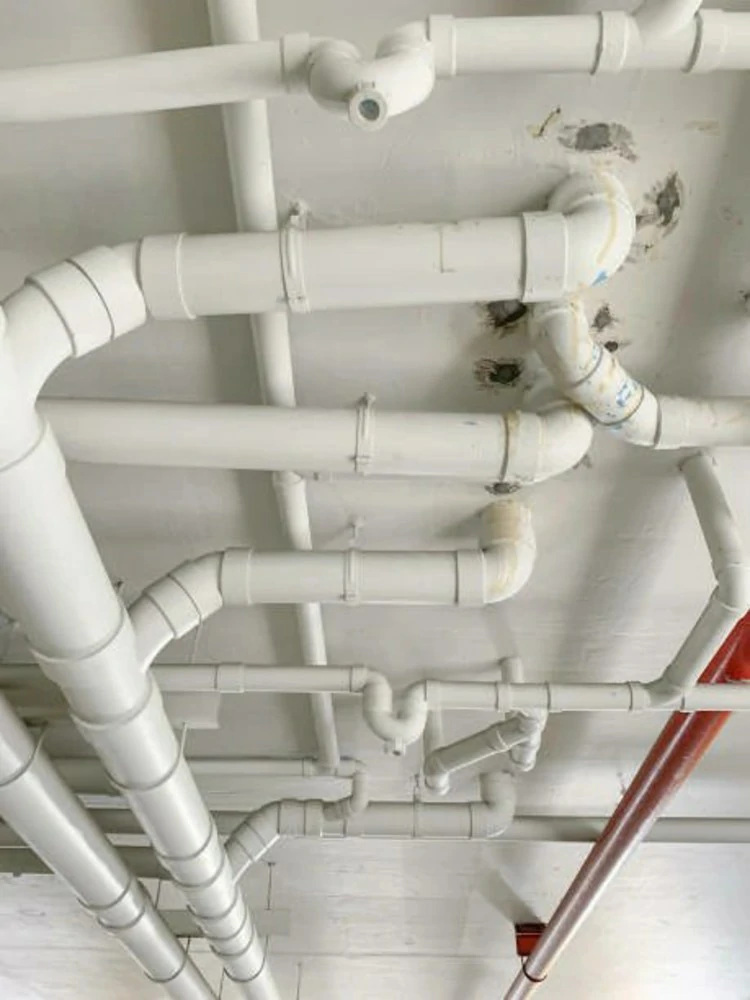
Introduction to PVC Piping Installation
PVC piping is a versatile and durable material commonly used in various plumbing and irrigation systems. Installing PVC piping requires attention to detail and adherence to proper procedures to ensure optimal performance and longevity. This guide provides a step-by-step overview of the installation process for PVC piping systems.
Preparation and Planning
Before beginning the installation process, it’s essential to thoroughly plan the layout of the piping system and gather all the necessary tools and materials. Here are the key steps in the preparation phase:
Design and Layout:
Start by designing the layout of the piping system, considering factors such as pipe diameter, length, and required fittings. Use measurements and drawings to plan the placement of pipes and fittings accurately.
Gather Materials:
Collect all the necessary materials, including PVC pipes, fittings, solvent cement, primer, measuring tape, pipe cutter, and deburring tool. Ensure that the materials meet the required specifications and standards for the intended application.
Prepare Work Area:
Clear the work area of any obstacles and ensure adequate ventilation. PVC solvent cement emits fumes during application, so proper ventilation is essential to prevent exposure to harmful vapors.
Installation Process
Once the preparation phase is complete, follow these step-by-step instructions for installing PVC piping:
Cutting Pipes:
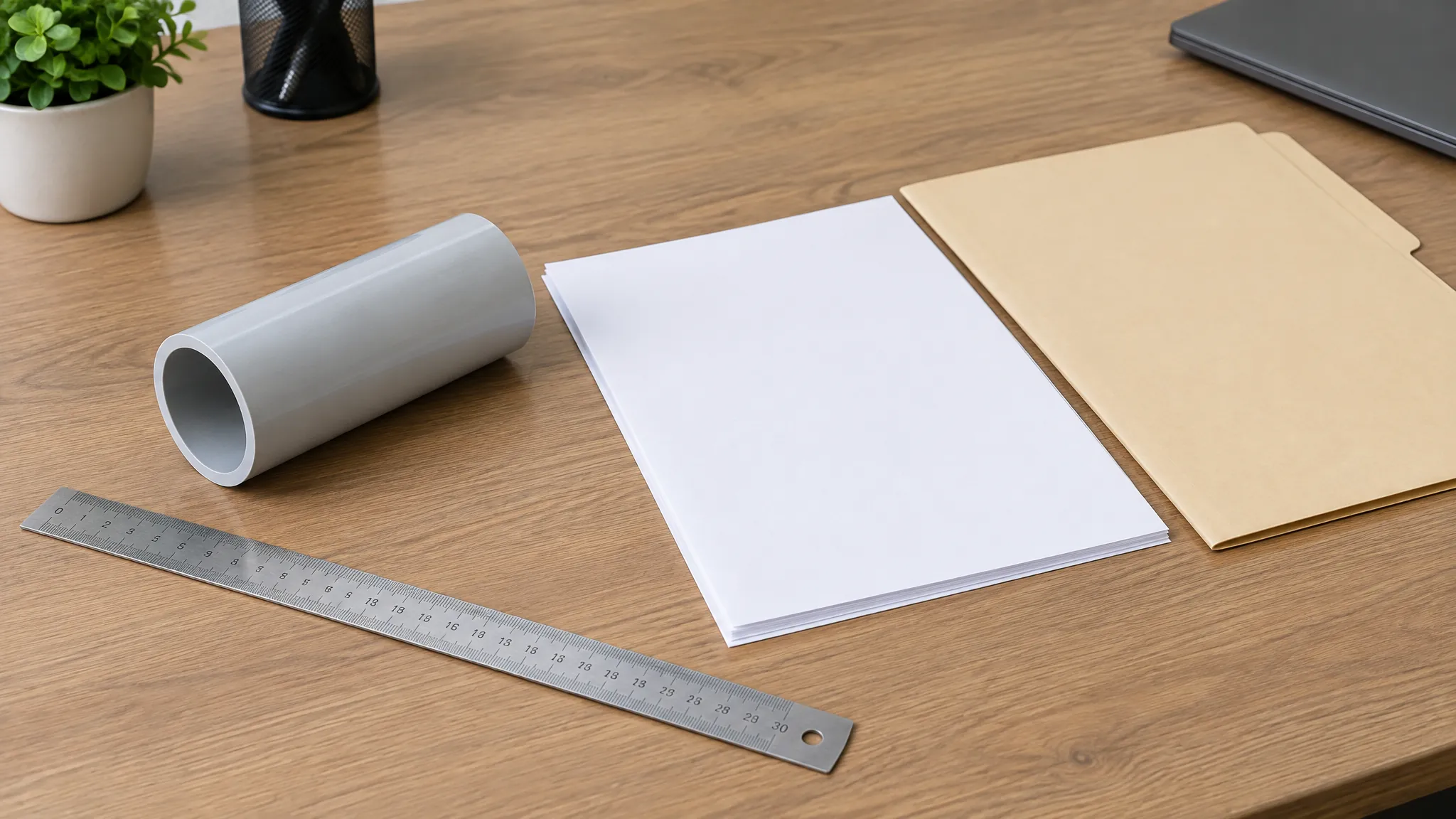
Measure and mark the PVC pipes according to the planned layout, and use a pipe cutter to make clean, square cuts. Avoid using tools such as saws, as they can leave jagged edges that may compromise the integrity of the joints.
Preparing Pipes and Fittings:
After cutting the pipes, use a deburring tool to remove any rough edges and burrs from the cut ends. Similarly, clean the inside of fittings using a clean cloth to remove dirt, debris, and moisture.
Applying Primer:
Apply a coat of primer to the outside of the pipe and the inside of the fitting socket using a brush. The primer helps improve the adhesion of the solvent cement and ensures a secure bond between the pipe and fitting.
Applying Solvent Cement:
Once the primer has dried, apply a liberal amount of solvent cement to the primed areas of the pipe and fitting. Insert the pipe into the fitting socket and twist it slightly to ensure even distribution of the cement.
Assembling Joints:
Quickly insert the pipe into the fitting socket before the solvent cement dries, ensuring that it reaches the bottom of the socket. Hold the joint in place for a few seconds to allow the cement to set and create a strong bond.
Checking Alignment:
Use a level or measuring tape to check the alignment and ensure that the pipes and fittings are installed correctly. Make any necessary adjustments to maintain the desired slope and alignment of the piping system.
Pruebas de presión:
Once the installation is complete, perform a pressure test to check for leaks and ensure the integrity of the piping system. Pressurize the system to the specified pressure and inspect all joints for signs of leakage.
Final Inspection and Cleanup:
After successfully pressure testing the system, inspect all joints and connections for any signs of leakage or damage. Once satisfied with the installation, clean up the work area and dispose of any leftover materials and debris.
Conclusión
Proper installation of PVC piping is essential to ensure the reliability and longevity of plumbing and irrigation systems. By following the step-by-step guide outlined above, you can effectively install PVC piping systems with confidence, knowing that they will perform optimally for years to come.
IFAN es un fabricante chino de tuberías, accesorios y válvulas de plástico con 30 años de experiencia. Si está interesado en IFAN accesorios de cobre, válvulas de cobre, tuberías y accesorios de plástico, póngase en contacto con nosotros. IFAN le ofrece una variedad de tuberías estándar para satisfacer sus necesidades específicas. Haga clic a continuación para obtener más información sobre la amplia gama de productos de válvulas y productos relacionados con sistemas de tuberías asequibles y rentables de IFAN.
Responderemos a su correo electrónico o fax en 24 horas.
Puede llamarnos en cualquier momento si tiene alguna duda sobre nuestra producción.
Para más información, visite nuestra página web https://ifanpro.com/
Pls Mailto: [email protected]
Whatsapp: + 86 19857948982










 Español
  English
  Français
  Русский
Comentarios recientes