
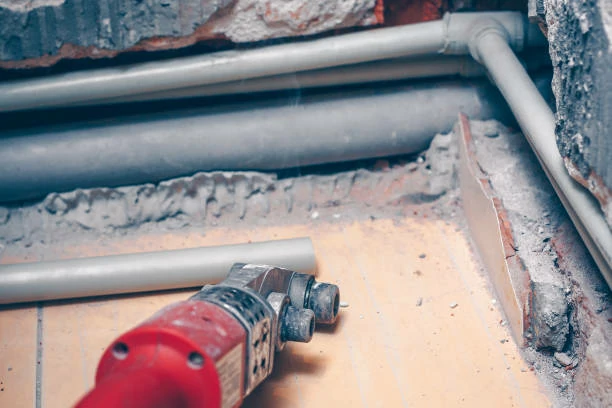
Introduction to PPR Pipe Installation
PPR (Polypropylene Random Copolymer) pipes are widely used in plumbing systems due to their durability, resistance to corrosion, and ease of installation. Proper installation practices ensure long-term performance and reliability. This article outlines essential considerations for the installation of PPR pipes, focusing on best practices to achieve optimal results.
Preparing for Installation
Proper preparation is crucial before starting the installation of PPR pipes. This includes selecting the right materials, ensuring a clean work area, and understanding the specific requirements of the project.
Selecting the Right Materials
Choose high-quality PPR pipes and fittings that meet the specifications of the project. Verify that all materials are free from defects and compatible with the intended application. Use appropriate tools and equipment designed for PPR pipe installation.
Ensuring a Clean Work Area
Maintain a clean and organized work area to prevent contamination of the pipes and fittings. Clean the ends of the pipes and the interior of the fittings before joining them. This ensures strong, leak-proof connections.
Understanding Project Requirements
Familiarize yourself with the specific requirements of the project, including the layout, dimensions, and pressure ratings of the pipes. Ensure that all necessary permits and approvals are obtained before starting the installation.
Cutting and Joining PPR Pipes
Cutting and joining PPR pipes correctly is essential for creating reliable and durable connections. Follow these steps for accurate and secure installation.
Cutting PPR Pipes
Use a sharp pipe cutter to cut the PPR pipes to the required length. Ensure that the cuts are clean and straight. Avoid using saws or other tools that can create rough edges, as these can compromise the integrity of the joint.
Joining PPR Pipes
Join PPR pipes using heat fusion or mechanical fittings. Heat fusion welding involves heating the ends of the pipes and the interior of the fittings, then pressing them together to form a strong bond. Mechanical fittings provide an alternative method for joining pipes without the need for heat.
Heat Fusion Welding
Heat fusion welding is a common method for joining PPR pipes. Follow these steps to ensure a secure and leak-proof connection.
Heating the Pipes and Fittings
Heat the ends of the pipes and the interior of the fittings using a heat fusion tool. Ensure that the heating temperature and time are appropriate for the specific type of PPR material. Avoid overheating, as this can weaken the joint.
Pressing the Pipes and Fittings Together
Quickly press the heated ends of the pipes and fittings together. Hold them in place until they cool and form a strong bond. Avoid twisting or moving the pipes during this process, as this can create weak spots in the joint.
Mechanical Fittings
Mechanical fittings provide an alternative method for joining PPR pipes. They are easy to install and do not require heat. Follow these steps for secure installation.
Preparing the Pipes and Fittings
Ensure that the ends of the pipes and the interior of the fittings are clean and free from debris. Insert the pipe into the fitting until it reaches the stop.
Securing the Fittings
Tighten the fitting using the appropriate tools, ensuring a secure and leak-proof connection. Check for any gaps or misalignments and adjust as necessary.
Supporting and Anchoring PPR Pipes
Proper support and anchoring of PPR pipes are essential to prevent sagging and movement. Follow these guidelines for optimal support and anchoring.
Supporting Horizontal Pipes
Install supports at regular intervals to prevent sagging of horizontal pipes. The spacing of the supports depends on the diameter of the pipe and the operating conditions. Use brackets, clips, or hangers designed for PPR pipes.
Anchoring Vertical Pipes
Secure vertical pipes with anchors to prevent movement. Install anchors at key points, such as changes in direction or at the base and top of the pipe. Use straps or clamps designed for PPR pipes.
Pressure Testing and Inspection
Pressure testing and inspection ensure the integrity and reliability of the installed PPR pipes. Follow these steps for effective testing and inspection.
Realización de pruebas de presión
Conduct pressure tests to verify the strength and leak-proof nature of the joints. Fill the system with water and pressurize it to the specified test pressure. Monitor the pressure for a specified period to detect any leaks or weaknesses.
Inspecting the Installation
Inspect the installation visually to ensure that all connections are secure and free from defects. Check for proper alignment, support, and anchoring of the pipes. Address any issues identified during the inspection.
Maintenance and Troubleshooting
Regular maintenance and troubleshooting help ensure the long-term performance of PPR pipes. Follow these guidelines for effective maintenance and troubleshooting.
Regular Maintenance
Conduct regular inspections and maintenance to identify and address potential issues before they become serious problems. Clean the pipes and fittings periodically to prevent the buildup of debris.
Troubleshooting Common Issues
Address common issues such as leaks, blockages, or misalignments promptly. Repair or replace damaged components as necessary to maintain the integrity of the system.
Conclusión
Proper installation of PPR pipes is crucial for the performance and reliability of plumbing systems. By following best practices for preparation, cutting, joining, supporting, and testing, you can ensure long-term success. Regular maintenance and troubleshooting further enhance the durability and efficiency of PPR pipe systems. Understanding and implementing these installation considerations help achieve optimal results and maintain the integrity of the plumbing infrastructure.
Conectar
IFAN es un fabricante chino de tuberías, accesorios y válvulas de plástico con 30 años de experiencia. Si está interesado en IFAN accesorios de cobre, válvulas de cobre, tuberías y accesorios de plástico, póngase en contacto con nosotros. IFAN le ofrece una variedad de tuberías estándar para satisfacer sus necesidades específicas. Haga clic a continuación para obtener más información sobre la amplia gama de productos de válvulas y productos relacionados con sistemas de tuberías asequibles y rentables de IFAN.
Responderemos a su correo electrónico o fax en 24 horas.
Puede llamarnos en cualquier momento si tiene alguna duda sobre nuestra producción.
Para más información, visite nuestra página web https://ifanpro.com/
Pls Mailto: [email protected]
Whatsapp: + 86 19857948982





 Español
  English
  Français
  Русский
Comentarios recientes