
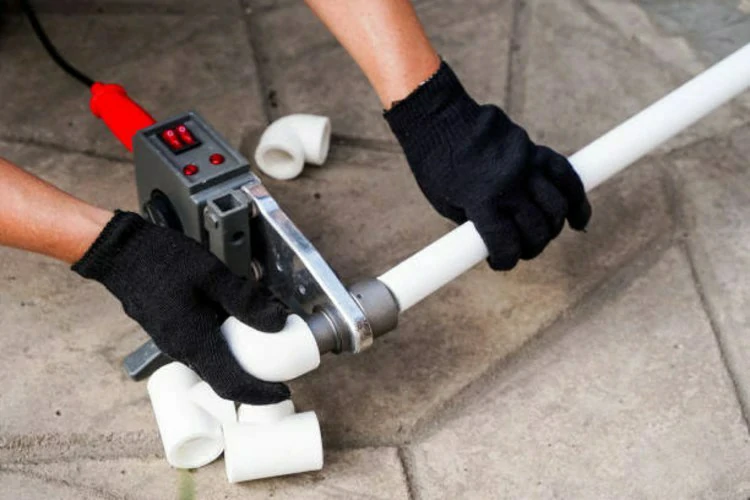
Understanding PPR Fittings
¿Qué son los racores PPR?
PPR fittings, short for Polypropylene Random Copolymer fittings, are specialized plumbing components designed to connect PPR pipes. These fittings are made from a type of plastic that offers numerous advantages over traditional materials like copper and PVC.
Key Characteristics of PPR Fittings
PPR fitting are known for their durability, chemical resistance, and ease of installation. These qualities make them a popular choice in both residential and industrial plumbing systems. They are particularly valued for their ability to withstand a wide range of temperatures, which is crucial in various applications.
Advantages of Using PPR Fittings
The primary advantages of PPR fittings include their long lifespan, resistance to corrosion and scaling, and their excellent thermal insulation properties. These features contribute to their growing popularity in plumbing and heating systems worldwide.
Temperature Resistance of PPR Fittings
High-Temperature Performance
One of the most significant benefits of PPR fitting is their high-temperature resistance. PPR fittings can withstand temperatures up to 95°C (203°F) for prolonged periods. This makes them ideal for hot water systems and heating applications, where other materials might fail or degrade over time.
Low-Temperature Performance
PPR fitting also perform well at low temperatures. They remain flexible and do not become brittle, even when exposed to temperatures as low as -20°C (-4°F). This flexibility ensures that the fittings do not crack or break, maintaining the integrity of the plumbing system in cold environments.
Consistent Performance Over Time
The consistent performance of PPR fitting over a wide temperature range is due to their unique molecular structure. This structure provides excellent thermal stability, ensuring that the fittings maintain their strength and durability regardless of temperature fluctuations. As a result, PPR fittings offer reliable performance in both residential and industrial settings.
Applications Requiring High-Temperature Resistance
In residential settings, PPR fitting are commonly used in hot water supply lines and heating systems. Their ability to handle high temperatures without deforming or leaking makes them ideal for these applications. In industrial settings, PPR fittings are used in systems that transport hot liquids and gases, ensuring safety and efficiency.
Why PPR Fittings Excel in Temperature Resistance
Material Composition
The exceptional temperature resistance of PPR fittings can be attributed to their material composition. The random copolymer polypropylene used in these fittings provides a balanced combination of strength, flexibility, and thermal stability. This material composition is superior to many other plastics used in plumbing.
Heat Fusion Welding
Another reason for the excellent temperature resistance of PPR fitting is the method of installation. PPR fitting are typically joined using heat fusion welding, which creates a seamless, leak-proof connection. This method not only ensures a strong bond but also maintains the integrity of the material, allowing it to perform well under various temperature conditions.
Investigación y desarrollo
Continuous research and development in the field of polymer science have led to the improvement of PPR materials. Advances in polymer technology have enhanced the thermal properties of PPR fittings, making them even more reliable in extreme temperature applications. Ongoing innovations ensure that PPR fitting remain at the forefront of temperature-resistant plumbing solutions.
Comparisons with Other Materials
When compared to other materials like PVC and copper, PPR fitting offer superior temperature resistance. PVC tends to become brittle at low temperatures and can soften at high temperatures, leading to potential leaks and failures. Copper, while durable, can corrode over time and may not provide the same level of thermal insulation as PPR.
Conclusion: Embracing the Benefits of PPR Fittings
Summary of Temperature Resistance
In conclusion, PPR fittings excel in temperature resistance, making them an ideal choice for a wide range of plumbing applications. Their ability to withstand high and low temperatures, coupled with their consistent performance, ensures the reliability and longevity of plumbing systems.
Future Trends and Innovations
As technology continues to advance, we can expect further improvements in the thermal properties of PPR fitting. Innovations in material science and manufacturing processes will likely enhance their performance, making them even more suitable for demanding applications.
Reflexiones finales
Choosing PPR fittings for your plumbing and heating systems ensures robust performance and long-term reliability. Their superior temperature resistance sets them apart from other materials, making them a wise investment for both residential and industrial applications. By understanding and leveraging the benefits of PPR fitting, you can ensure a safe, efficient, and durable plumbing system.
IFAN es un fabricante chino de tuberías, accesorios y válvulas de plástico con 30 años de experiencia. Si está interesado en IFAN accesorios de cobre, válvulas de cobre, tuberías y accesorios de plástico, póngase en contacto con nosotros. IFAN le ofrece una variedad de tuberías estándar para satisfacer sus necesidades específicas. Haga clic a continuación para obtener más información sobre la amplia gama de productos de válvulas y productos relacionados con sistemas de tuberías asequibles y rentables de IFAN.
Responderemos a su correo electrónico o fax en 24 horas.
Puede llamarnos en cualquier momento si tiene alguna duda sobre nuestra producción.
Para más información, visite nuestra página web https://ifanpro.com/
Pls Mailto: [email protected]
Whatsapp: + 86 19857948982





 Español
  English
  Français
  Русский
Comentarios recientes