
A sudden drip under the sink used to mean panic. I’ve learned that the right tape, applied correctly, can turn a crisis into a quick fix.
Plumbing tape is a thin, flexible strip used to seal pipe threads and joints against leaks. The main types are PTFE (Thread Seal Tape), Pipe Joint Compound (aka “Pipe Dope”), Silicone Tape, and Rubber Self-Fusing Tape. Each type works differently and is suited for specific materials and leak scenarios in your home’s plumbing.
Before you rush to wrap a leak, it’s crucial to know which tape to use and how to use it properly. Let’s unravel the details so your next repair is both fast and lasting.
What Are the Main Types of Plumbing Tape for Fixing Pipe Leaks?
Grabbing the first roll you see often leads to a recurring drip. I’ve sorted through countless failed repairs to identify the right tool for the job.
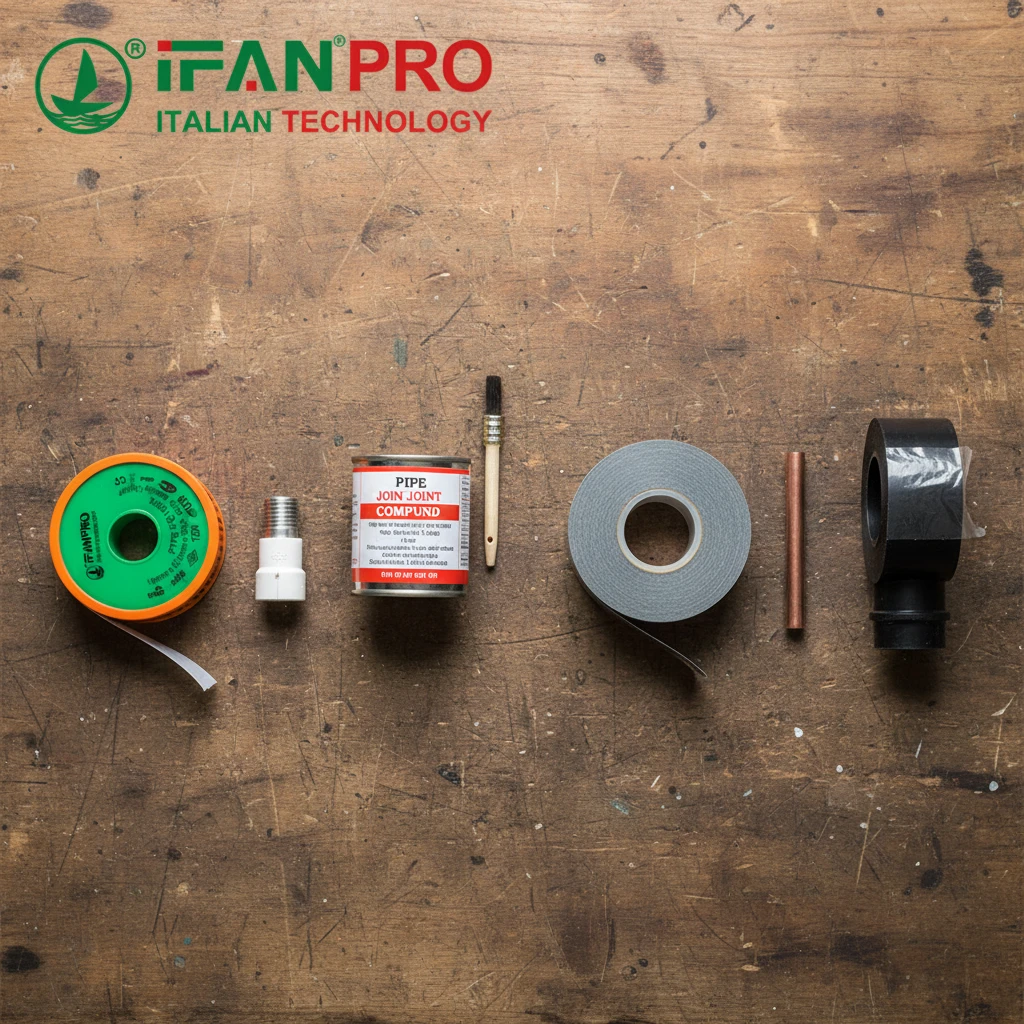
The four main types of plumbing tape are PTFE Tape (for threaded metal and plastic pipes), Pipe Joint Compound (a paste for metal threads), Silicone Tape (for wet, irregular surfaces), and Rubber Self-Fusing Tape (for temporary hoses and rubber pipes). Each seals leaks in a unique way.
PTFE Tape: The Standard for Threads
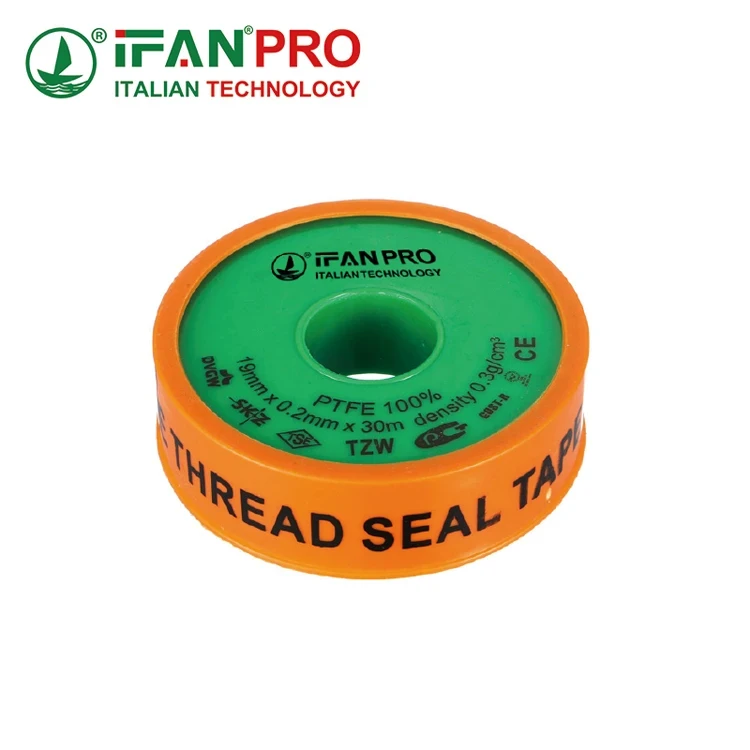
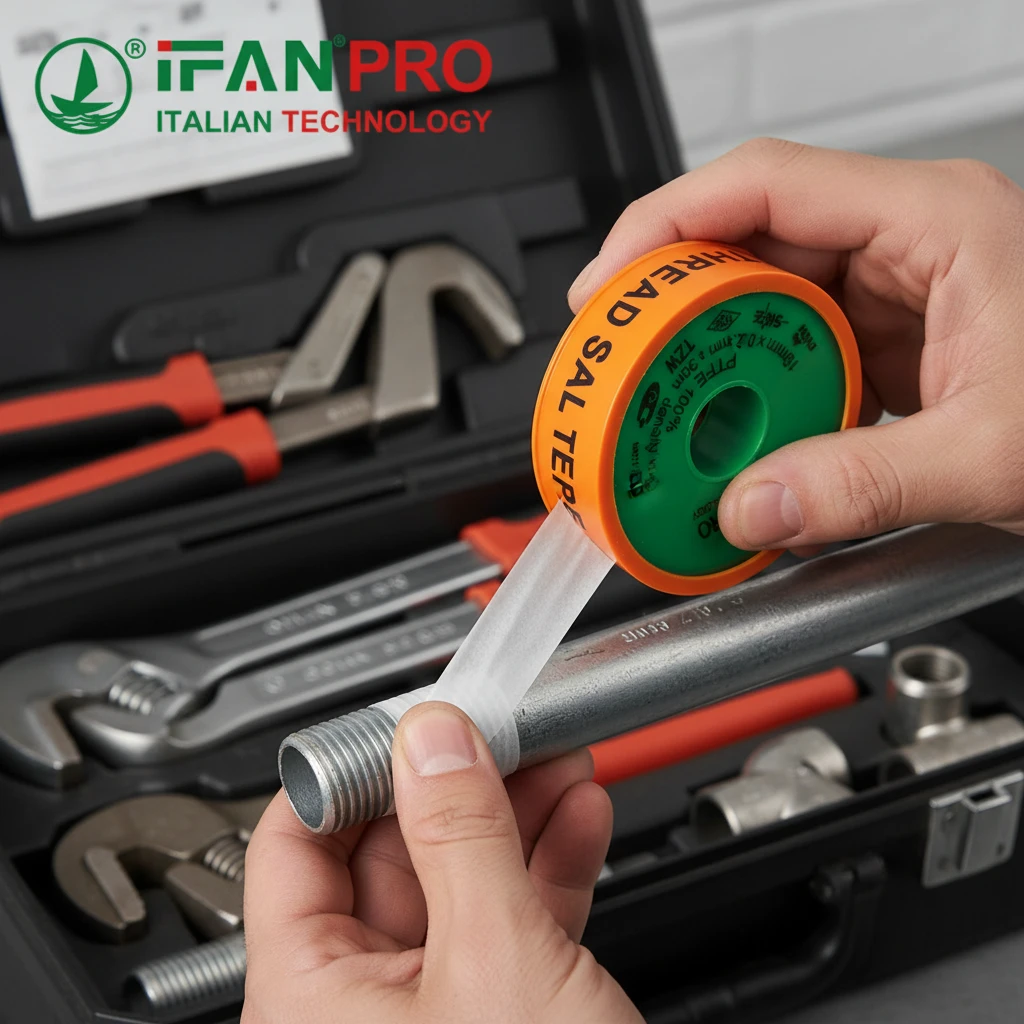
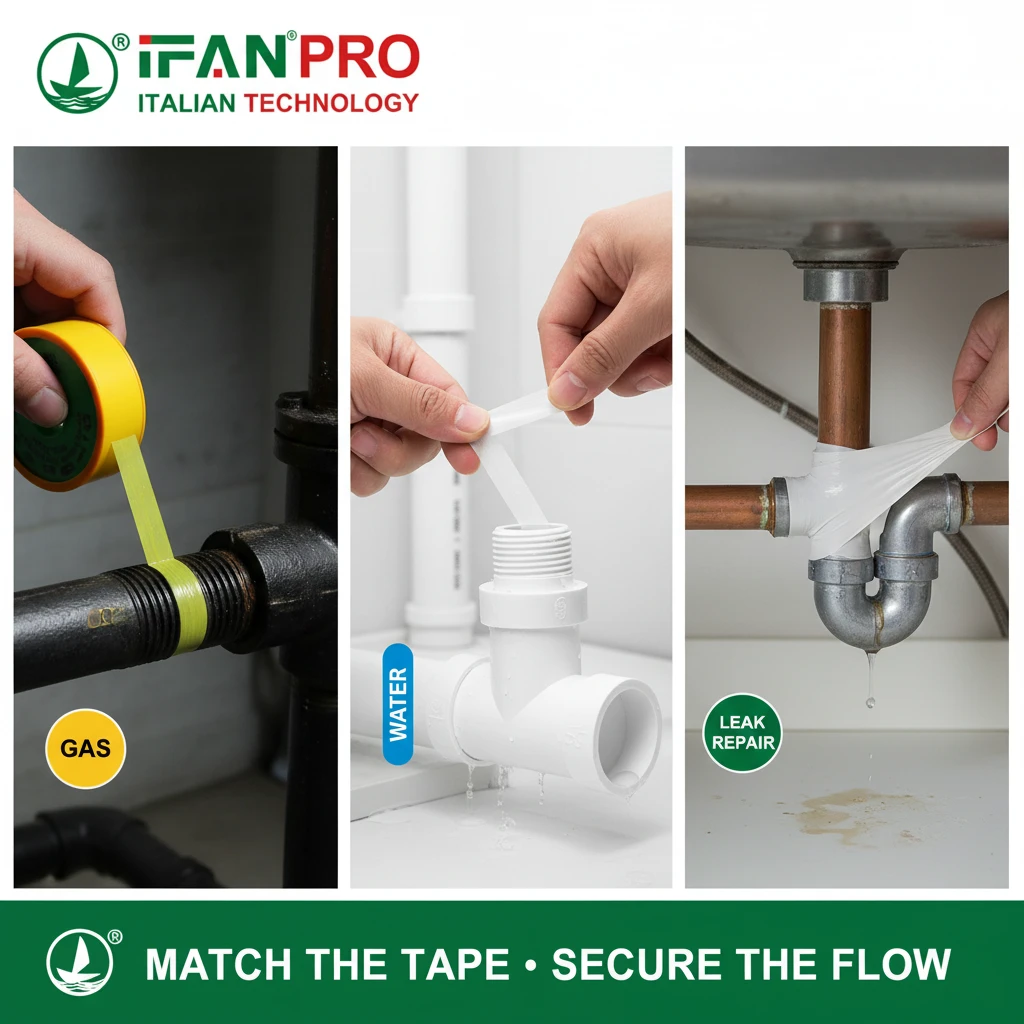
PTFE tape, often called “Teflon tape” or “thread seal tape,” is the most common type. It is a thin, white tape made from polytetrafluoroethylene. You wrap it around the male threads of a pipe before screwing on a fitting. The tape does not act as an adhesive. Instead, it fills the microscopic gaps between the metal threads, creates a smoother surface for tightening, and lubricates the connection to prevent over-tightening and cracking. It is excellent for water, air, and gas lines on both metal and plastic threaded connections. It comes in different densities; pink is often for water, yellow for gas, but white is the universal standard for most home water applications.
Pipe Joint Compound: The Liquid Alternative
Pipe joint compound, or “pipe dope,” is a thick paste applied with a brush directly onto threads. Like PTFE tape, it fills thread gaps to create a seal. It has some advantages: it can be easier to apply evenly on large-diameter pipes, and it doesn’t shred or tear like tape can if you need to adjust the fitting. However, it can be messy, and some formulas are not suitable for plastic pipes as they can cause cracking. It’s a reliable choice for permanent metal-to-metal connections, especially in tight spaces where wrapping tape is difficult.
Silicone and Rubber Self-Fusing Tapes: For Emergencies and Hoses
These tapes are different. They are designed to stick to themselves, not to the pipe.
- Silicone Tape: This stretchy tape bonds to itself on contact, creating a strong, waterproof, and pressure-resistant seal. The biggest advantage is that it can be applied to wet, oily, or dirty surfaces and even underwater. It’s perfect for emergency repairs on pipes, hoses, or to wrap around a small crack until a permanent fix can be made.
- Rubber Self-Fusing Tape: This is a thick, rubber-based tape that also fuses to itself. It creates a flexible, rubber-like sleeve over the leak. It is ideal for temporarily sealing holes in garden hoses, rubber fuel lines, or wiring bundles. It is not designed for high-pressure or permanent repairs on rigid water supply lines.
Comparison of Plumbing Tape Types
Use this table as a quick guide to choose the right type.
| Type | Best For | Not For | Key Feature |
|---|---|---|---|
| PTFE Tape | Sealing threaded connections (water, air). | Non-threaded leaks, high-temperature steam. | Fills thread gaps, provides lubrication. |
| Pipe Joint Compound | Large metal threads, tight spaces. | Most plastic pipes. | Paste that fills gaps, good for uneven threads. |
| Silicone Tape | Emergency repairs, wet surfaces, odd shapes. | High-pressure permanent fittings. | Sticks to itself, works on wet/oily surfaces. |
| Rubber Self-Fusing Tape | Temporary hose repairs, wiring, low pressure. | Permanent plumbing fixes, high pressure. | Creates a thick, flexible rubber seal. |
Understanding these types is the first step. The next, and most critical, step is applying them correctly.
How Do You Properly Apply Plumbing Tape to Ensure a Watertight Seal?
A perfect roll of tape is useless if applied wrong. I’ve seen more leaks caused by bad technique than by bad tape.
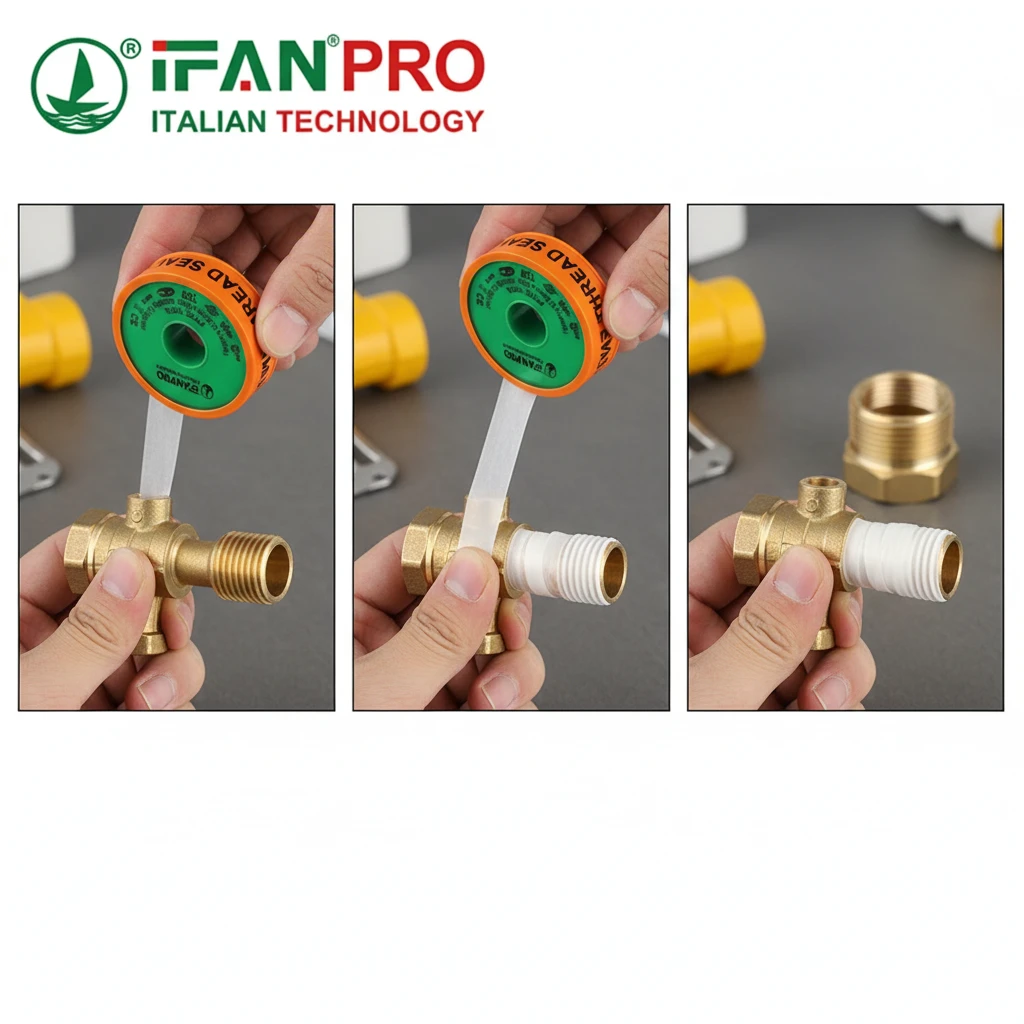
To properly apply PTFE tape, clean and dry the male threads, hold the end of the tape over the first thread, and wrap it clockwise (in the direction of thread tightening) 4-6 times, overlapping each layer. Stretch the tape slightly for a tight fit, tear it cleanly, and then screw the fitting together by hand before final tightening with a tool.
Step-by-Step Guide for PTFE Tape
A proper seal depends on following a simple but precise process. First, ensure the threads are completely clean, dry, and free of old tape or compound. Any debris will prevent a good seal. Now, take the roll of PTFE tape.
- Start Position: Place the start of the tape over the second thread from the end of the pipe. Do not start at the very end, or the tape will bunch up when you screw the fitting on.
- Direction is Everything: Wrap the tape clockwise around the threads as you look at the end of the pipe. This is the single most important rule. Wrapping clockwise ensures the tape tightens with the fitting, not against it. If you wrap counter-clockwise, the tape will unravel as you screw the joint together, rendering it useless.
- Tension and Layers: Hold the tape with slight tension and stretch it gently as you wrap. This makes it thin and helps it conform to the threads. Wrap neatly, overlapping each turn by about half the width of the tape. For standard 1/2″ or 3/4″ pipes, 4 to 6 complete wraps is usually perfect. Too few wraps won’t fill the gaps; too many can prevent the fitting from screwing on fully or cause the tape to bunch and tear.
- Finishing: Once you have enough layers, tear the tape by pulling it sharply across the threads. Then, use your finger to press the last wrap firmly against the threads to secure it.
- Assembly: Screw the female fitting onto the taped male threads by hand until it is snug. The tape provides lubrication, so it should turn smoothly. Finally, use a wrench to tighten it an additional one-and-a-half to two full turns. Do not over-tighten.
Common Mistakes to Avoid
Here are the pitfalls that cause most DIY repairs to fail:
- Wrapping the Wrong Way: As stated, this is the top error. Always wrap clockwise.
- Covering the First Thread: Leaving the first thread bare helps the fitting start straight and prevents tape from getting pushed into the pipe, where it could block water flow.
- Using Old or Low-Quality Tape: Cheap tape is thin and tears easily. It’s worth investing in a good-quality, dense PTFE tape for a reliable seal.
- Applying to the Female Threads: Tape should almost always go on the male threads. Applying it inside a female fitting is difficult and messy.
Application Tips for Other Tapes
- Pipe Joint Compound: Apply a smooth, even coat over all the male threads. A thin layer covering the threads is enough; too much can squeeze into the pipe. You do not need to apply it to the female threads.
- Silicone/Rubber Tape: For these, ensure the area is as clean as possible. Start wrapping with the tape stretched to about half its width. Overlap each turn by 50% as you work away from the leak. The self-fusing action takes a few minutes to reach full strength.
Correct application turns a simple product into a powerful solution. But is that solution meant to last a week or a decade?
Which Plumbing Tape Works Best for Temporary Versus Permanent Leak Repairs?
Choosing between a quick patch and a lasting fix saves time and prevents water damage. My advice is always to match the tape to the goal.
For temporary emergency repairs, Silicone Self-Fusing Tape is the best choice as it works on wet surfaces and odd shapes. For permanent repairs on threaded connections, high-density PTFE Tape or Pipe Joint Compound are the correct, professional-grade solutions. Never use “temporary” tapes like rubber or silicone as a permanent fix on pressurized water lines.
Defining Temporary and Permanent Repairs
It’s important to understand the difference. A temporary repair is meant to stop water flow immediately to prevent damage, giving you time to gather tools, buy parts, or call a plumber. It might last from a few hours to a few weeks. A permanent repair is part of the final plumbing system and should last for many years without failure.
Best Tapes for Temporary/Emergency Repairs
When a pipe bursts or a hose springs a leak at 2 AM, you need a fast, forgiving solution.
- Silicone Self-Fusing Tape: This is the champion of emergency fixes. Its ability to seal on wet, dirty, or even underwater surfaces is unmatched. You can wrap it around a small crack in a copper pipe, a split in a plastic fitting, or a leaking hose connection. It creates a watertight bond in minutes and can withstand significant pressure for a short period. It is your best “first aid” item to keep in your toolbox.
- Rubber Self-Fusing Tape: Similar to silicone tape but thicker and more rubber-like. It’s excellent for a temporary patch on a garden hose or a low-pressure coolant line. It is not as strong or pressure-resistant as silicone tape for rigid pipe repairs.
Important: These tapes are fantastic for emergencies, but they can degrade over time (months/years) when exposed to constant water pressure and UV light. They should always be replaced with a proper permanent fix.
Best Tapes for Permanent Repairs
For a repair that lasts, you must use materials designed for the plumbing system.
- High-Density PTFE Tape: When applied correctly to clean, dry threads, a high-quality PTFE tape creates a permanent seal. It is inert, does not dry out or degrade, and can last for decades inside a fitting. This is the standard for permanently sealing threaded connections on showerheads, toilet supply lines, and pipe fittings.
- Pipe Joint Compound: A good-quality, non-hardening pipe dope is also a permanent solution for metal threads. It remains slightly pliable, allowing for minor movement without breaking the seal. It is often used in conjunction with PTFE tape for a “belt and suspenders” approach on critical gas or high-pressure water lines.
Decision Guide: Which Tape to Use?
This table helps you decide based on your situation.
| Repair Scenario | Recommended Tape | Why? | Longevity Expectation |
|---|---|---|---|
| Leaking threaded shower arm | PTFE Tape | Designed for permanent seals on standard plumbing threads. | 10+ years (Permanent) |
| Small pinhole leak in a copper pipe | Silicone Tape (first), then Solder/Clamp | Silicone tape stops water fast for a safe permanent repair. | Days/Weeks (Temporary) |
| Garden hose burst | Rubber Self-Fusing Tape | Creates a flexible, waterproof patch on rubber. | A few months (Temporary) |
| Large-diameter metal pipe fitting | Pipe Joint Compound | Easier to apply evenly on big threads than tape. | 10+ years (Permanent) |
Knowing your goal—stop the water now or fix it for good—directs you to the right product. But to make the best choice, you also need to consider what you’re fixing.
What Factors Should You Consider When Choosing Plumbing Tape for Different Pipes?
A one-size-fits-all approach leads to leaks. The pipe material, what’s inside it, and the conditions around it all demand specific tape.
When choosing plumbing tape, consider these factors: the pipe material (plastic vs. metal), the contents (water, gas, or chemicals), the pressure and temperature of the system, and the location of the leak (threads vs. a crack). Using the wrong tape for the application can cause chemical damage, pressure failure, or a dangerous gas leak.
Factor 1: Pipe Material
The material of your pipe is the most important factor.
- Plastic Pipes (PVC, CPVC): Use PTFE Tape specifically. Never use a standard pipe joint compound on most plastic pipes, as the chemicals in the compound can stress-crack the plastic over time, leading to a sudden burst. There are special compounds labeled “safe for plastics,” but PTFE tape is the simpler, safer default.
- Metal Pipes (Copper, Galvanized Steel, Brass): You can use either PTFE Tape or Pipe Joint Compound. Both are effective. For gas lines on metal pipes, always use tape or compound rated explicitly for gas (often yellow PTFE tape).
- Rubber Hoses/Flexible Lines: Use Rubber or Silicone Self-Fusing Tape for a temporary patch. For a permanent repair, replace the hose section.
Factor 2: System Contents
What is flowing through the pipe determines the tape’s required resistance.
- Potable Water: Use only tape or compound certified for potable water (look for NSF/ANSI Standard 61). This ensures no harmful chemicals leach into your drinking water.
- Natural Gas or Propane: You must use products labeled for gas. Yellow PTFE tape is thicker and denser to withstand gas molecules. Using standard white tape on a gas line is a serious safety hazard.
- Chemicals, Oils, or Solvents: Standard PTFE is generally resistant, but for aggressive chemicals, consult the tape manufacturer’s specifications. Silicone tape has good chemical resistance for temporary containment.
Factor 3: Pressure, Temperature, and Location
- Pressure: High-pressure systems (like main water supply lines) require a robust seal. High-density PTFE tape or pipe dope is necessary. Do not rely on self-fusing tapes for permanent high-pressure repairs.
- Temperature: For hot water lines, ensure the tape is rated for the temperature. Most standard PTFE tape handles household hot water fine. For heating systems or boilers, check the specs.
- Leak Location: Is the leak at a threaded joint or on the body of the pipe? This is crucial.
- Threaded Joint: Use thread sealants (PTFE or dope).
- Crack/Hole in Pipe Body: Tape is not a permanent fix. Self-fusing silicone tape is an excellent emergency patch to control water until you can use a proper repair clamp, epoxy, or replace the pipe section.
Selection Guide for Common Scenarios
Refer to this table when you face a specific leak.
| Pipe & Scenario | Recommended Tape | Critical Consideration |
|---|---|---|
| PVC Pipe Threads (Water) | White PTFE Tape | Never use standard pipe dope; it can crack PVC. |
| Copper Pipe Threads (Gas) | Yellow Gas-Rated PTFE Tape | Using white tape for gas is dangerous and may violate code. |
| Basement Pipe Drip (Emergency) | Silicone Self-Fusing Tape | Can be applied to wet pipe to instantly stop water. |
| Rusted Steel Pipe Threads | Pipe Joint Compound | Can better fill in and seal corroded, uneven threads. |
| Toilet Supply Line Connection | High-Density White PTFE Tape | Standard application for a permanent, reliable seal. |
By carefully weighing these factors, you move from guesswork to a guaranteed seal. Having the right knowledge is as important as having the right tape in your drawer.
Conclusión
Choosing and applying the correct plumbing tape stops leaks effectively, whether for an emergency patch or a permanent fix. For all your reliable plumbing sealing needs, from standard PTFE tapes to specialized compounds, explore the quality solutions available from IFAN.










 Español
  English
  Français
  Русский
Comentarios recientes