
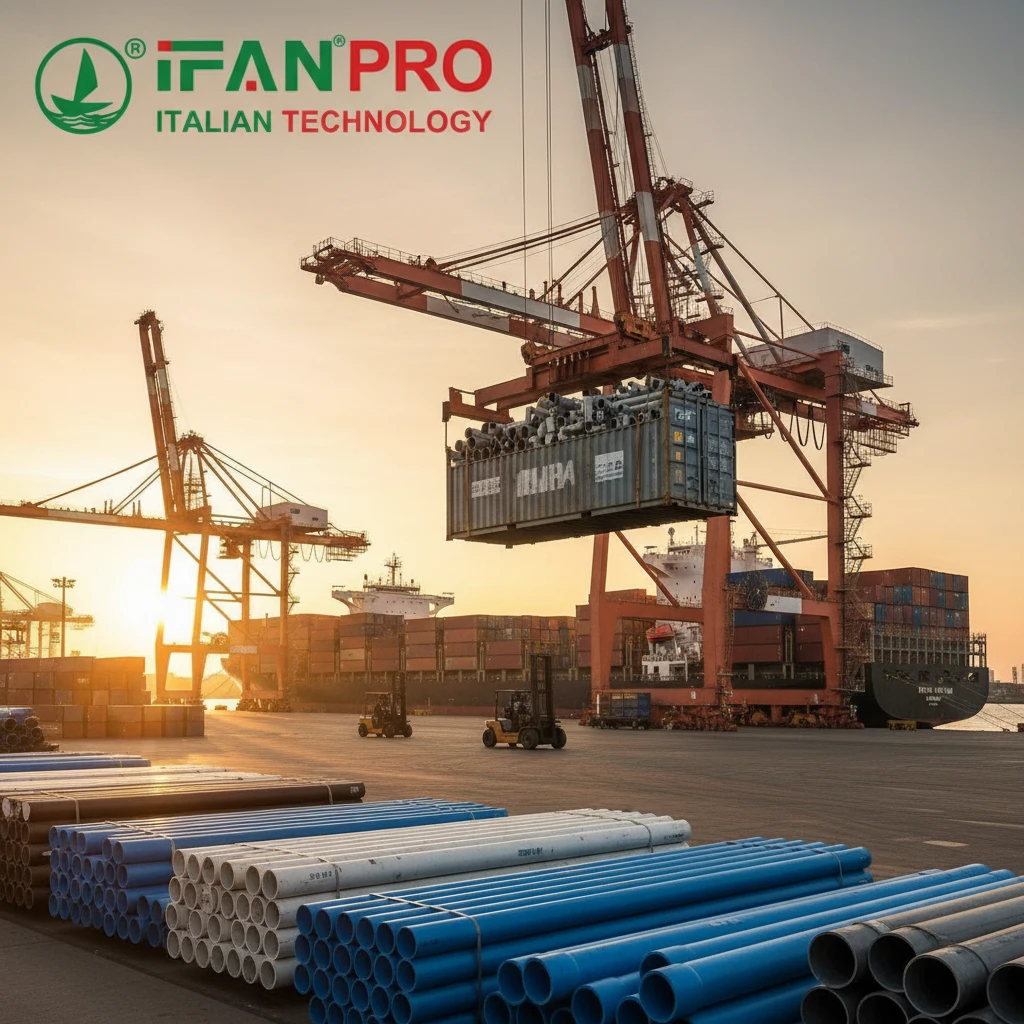
We once managed a 20-container order where missing paperwork caused a two-week port delay. That costly lesson taught us that mastering logistics is just as important as product quality.
To navigate customs and logistics for bulk pipe orders, you need precise documentation, correct tariff codes, strategic shipping choices, and robust packaging. Partnering with an experienced supplier who manages the entire supply chain is the most effective way to ensure a smooth, cost-effective, and reliable delivery from factory to your destination.
The process can seem complex, but breaking it down into key steps makes it manageable. Let’s walk through the critical areas you must get right.
What Documentation and Harmonized Tariff Codes Are Essential for Smooth Customs Clearance?
Incomplete paperwork is the number one cause of customs delays. I’ve seen shipments stuck for weeks over a single incorrect form.
Essential documents include the Commercial Invoice, Packing List, Bill of Lading, and a Certificate of Origin. The most critical element is the accurate Harmonized System (HS) Code for your pipes, which determines import duties and regulations. A mismatch here can lead to severe penalties, delays, or seizure of your cargo.
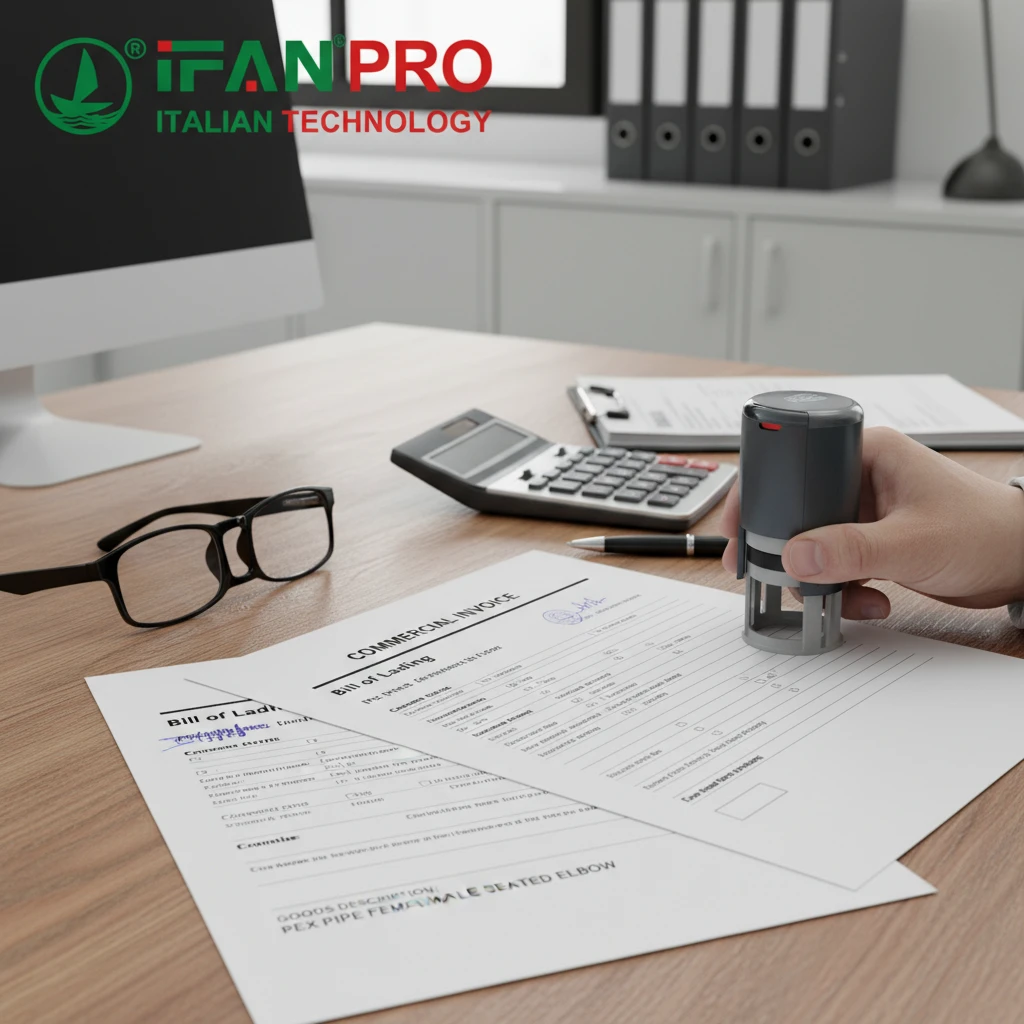
The Core Document Checklist
Think of your shipment’s documents as its passport. Each one serves a specific purpose for customs officials and logistics providers. Missing or incorrect information here guarantees problems.
Here is the non-negotiable checklist for every bulk pipe shipment:
- Commercial Invoice: This is the primary document for customs valuation. It must detail the seller and buyer, a full description of the goods, quantities, unit prices, total value, and the terms of sale (e.g., FOB Shanghai).
- Packing List: This complements the invoice. It lists how the goods are packed in each carton or crate—dimensions, weight, and contents per package. It helps customs with physical inspections and is vital for logistics planning.
- Bill of Lading (B/L) or Air Waybill (AWB): This is the contract between the shipper and carrier. The Sea Freight B/L is also a title document. You need the original to claim your goods at the destination port.
- Certificate of Origin (COO): This certifies where the goods were manufactured. It is crucial for determining if your shipment qualifies for preferential tariff rates under trade agreements (like between China and certain other countries).
Understanding and Applying the Correct HS Code
This is where many importers make a costly mistake. The Harmonized System (HS) Code is a standardized international number that classifies your product. For plastic pipes like PP-R or PEX, the code typically falls under Chapter 39 (Plastics and Articles Thereof).
Why the wrong code is a major problem:
- Higher Duties: You may pay more than necessary.
- Wrong Regulations: Your shipment may be subject to incorrect safety or quality inspections.
- Customs Holds: Officials will detain the shipment to correct the classification, causing delays and storage fees.
The table below shows examples of how codes can differ:
| Product Description | Typical HS Code (Chapter 39) | Key Reason for Classification |
|---|---|---|
| PP-R Pipes & Fittings | 3917.21.00 or 3917.22.00 | Based on material (polypropylene) and whether they are fittings or tubes/pipes. |
| PVC Pipes | 3917.23.00 | Classified specifically for polymers of vinyl chloride. |
| Plastic Pipe Fittings | 3917.40.00 | A general code for fittings of plastics. |
Best Practice: Always confirm the exact HS code with your supplier or a customs broker before shipping. A reliable partner like IFAN provides the correct code and all necessary documentation as part of the service, eliminating this headache.
How Do You Choose Between Shipping Modes to Balance Cost, Speed, and Risk?
Choosing the wrong shipping method can erase your product cost savings. The right choice depends on your project timeline, budget, and order size.
Choose Sea Freight for large, non-urgent orders due to its low cost. Choose Air Freight for small, urgent, or high-value shipments for speed. For landlocked destinations, combine Sea Freight with Rail or Truck for the final leg. Always factor in total landed cost, not just the freight quote.
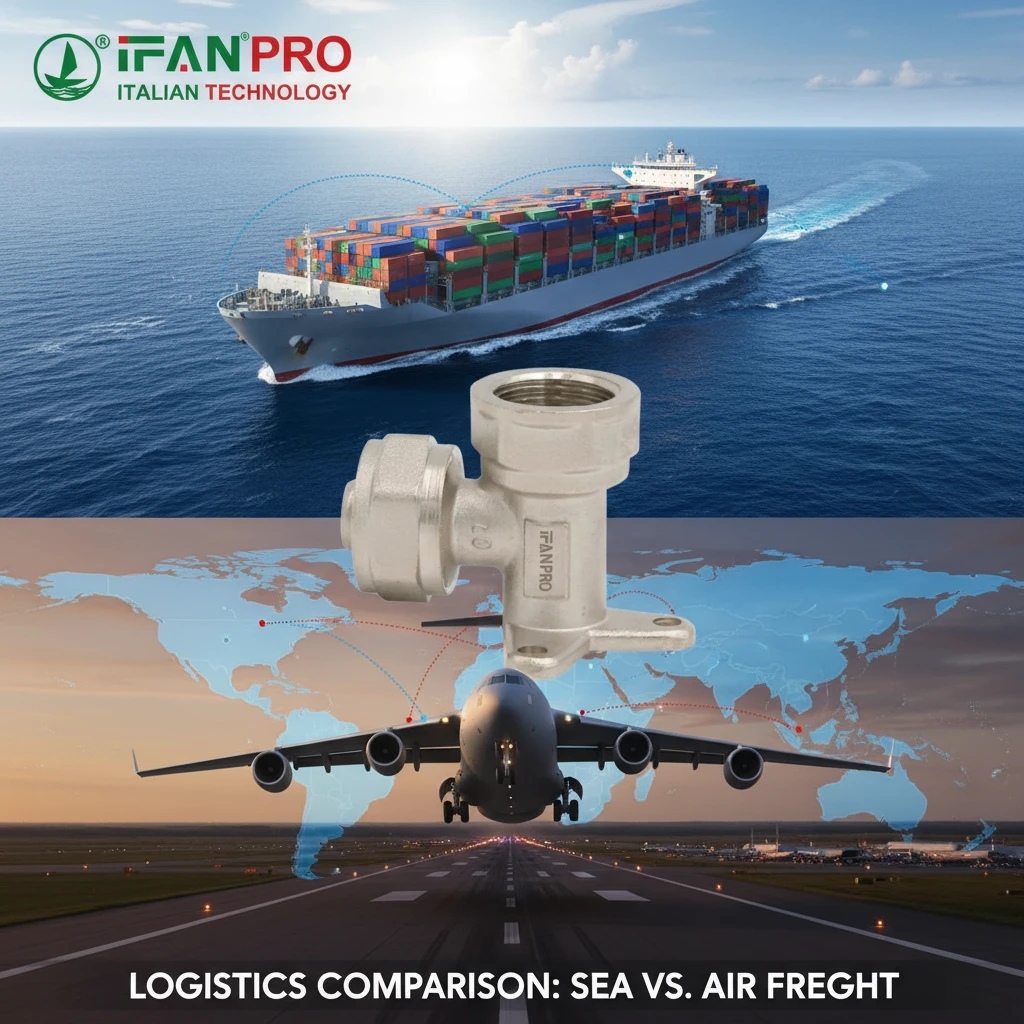
Breaking Down the Three Main Options
Each shipping mode is a different trade-off. Let’s compare them directly.
1. Sea Freight (FCL – Full Container Load):
This is the standard for bulk pipe orders. You rent an entire 20ft or 40ft container.
- Cost: Lowest per unit.
- Speed: Slowest (30-50 days from China to most global ports).
- Risk: Moderate. Goods are sealed in a container, but long transit times and port handling increase exposure to delays.
- Best For: Full container orders where time is not critical.
2. Sea Freight (LCL – Less than Container Load):
You share container space with other shippers.
- Cost: Higher than FCL per cubic meter, but you only pay for space used.
- Speed: Slower than FCL due to consolidation and deconsolidation at hubs.
- Risk: Higher. More handling increases risk of damage or misrouting.
- Best For: Orders not large enough to fill a full container.
3. Air Freight:
- Cost: Highest (often 4-6 times more expensive than sea freight).
- Speed: Fastest (5-10 days door-to-door).
- Risk: Lowest. Minimal handling and short transit time.
- Best For: Small quantities, urgent spare parts, or samples.
How to Make the Smart Choice
The decision isn’t just about freight cost. You must calculate the Total Landed Cost. This includes the product cost, freight, insurance, customs duties, port fees, and inland trucking.
Consider these questions:
- Is my production line waiting? If a delay stops your factory, air freight’s high cost may be cheaper than lost production.
- How much cash is tied up? Sea freight ties up your capital in inventory for much longer.
- What is the final destination? A port city is easier for sea freight. An inland city requires more planning and cost for the “last mile” delivery.
A good supplier doesn’t just ship; they advise. We analyze a client’s order volume, timeline, and destination to recommend the most efficient and cost-effective route, often managing the multi-modal transport seamlessly.
What Are the Best Practices for Packaging and Insurance to Prevent Transit Damage?
Pipes arriving bent or broken is a direct financial loss. Proper packaging and insurance are your financial safety net.
Best practices include using strong, export-grade cartons or wooden crates, securing pipes with straps to prevent movement, and clearly labeling fragile items. For insurance, always purchase “All Risk” marine insurance to cover damage from handling, storms, sinking, and other transit perils—never rely on the carrier’s limited liability.
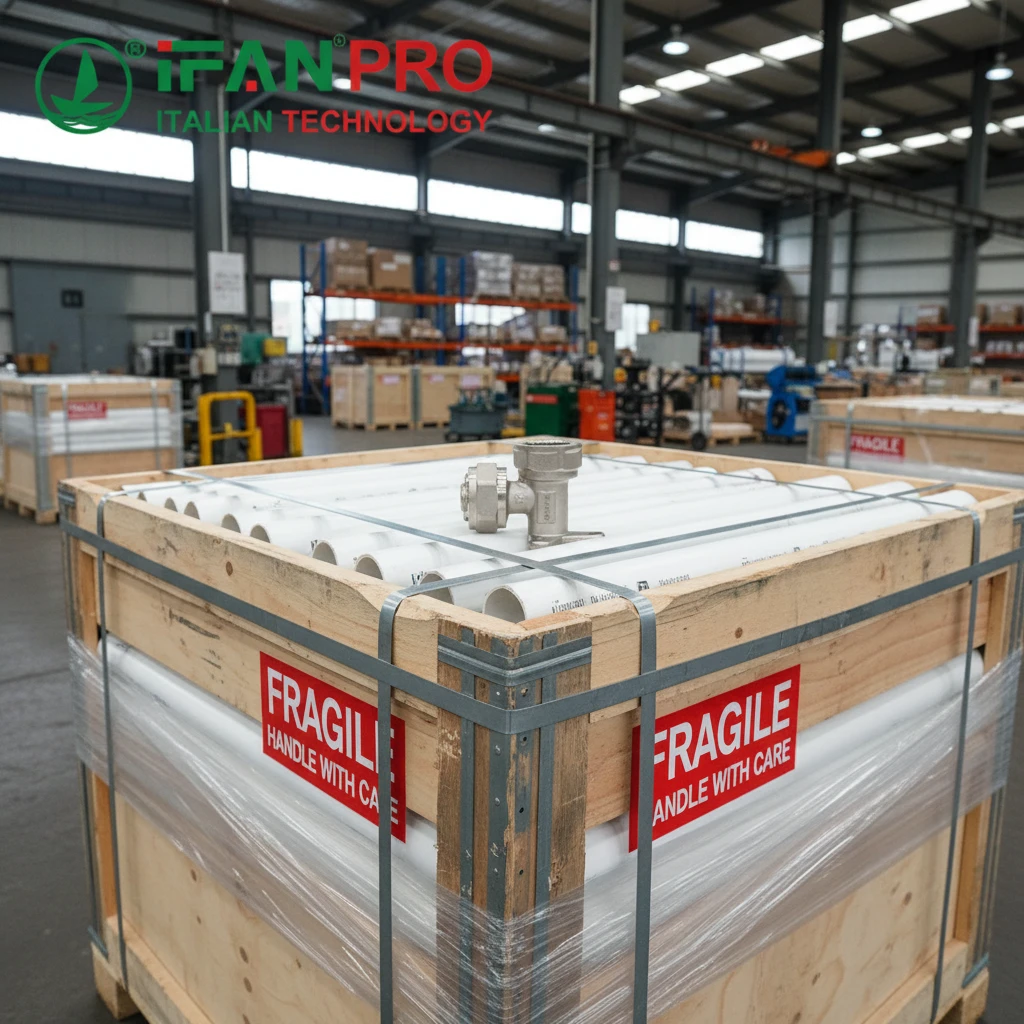
Packaging: Building a Fortress for Your Goods
The goal of packaging is to survive a rough journey across oceans and through multiple handling points. Here’s how to specify it:
- Material: For standard pipes, use 5- or 7-ply, double-walled corrugated cardboard cartons. For heavy fittings or large diameters, demand wooden crates or pallets.
- Internal Bracing: Pipes must be tightly bundled with plastic or metal straps. Use cardboard corner protectors and internal dividers to stop items from rubbing against each other.
- Weather Protection: Wrap bundles in plastic stretch film or place a plastic liner inside the carton to guard against humidity and sea spray.
- Labeling: Mark every package with handling symbols (fragile, this way up, keep dry), the gross weight, and your PO number. This ensures proper handling and easy identification.
Insurance: Your Essential Financial Protection
Never assume the shipping line is fully responsible. Their liability is limited by international treaties (like the Hague-Visby Rules) and is often minimal—sometimes as low as $500 per container.
You must purchase separate marine cargo insurance. Here is what you need to know:
The Gold Standard: “All Risk” Coverage
- What it covers: Physical loss or damage from external causes during the entire journey. This includes collisions, sinking, fire, theft, rough handling, and even drops during loading/unloading.
- What it typically excludes: Wear and tear, improper packaging, and inherent vice (a defect in the goods themselves).
The Process:
- Declare Value: Insure for the Commercial Invoice value + freight cost + 10%. The extra 10% covers potential profit loss and other fees.
- File a Claim: If damage occurs, you must immediately notify the carrier and the insurer. Provide the Bill of Lading, insurance policy, photos of damage, and a survey report.
The simple rule is: If you cannot afford to lose the entire shipment, you cannot afford to skip “All Risk” insurance. A full-service supplier will arrange this for you, ensuring correct coverage from the factory gate onward.
Why Does an Experienced Sourcing Partner Simplify International Logistics Management?
Managing international logistics alone means coordinating with factories, freight forwarders, customs brokers, and truckers. One broken link causes chaos.
An experienced sourcing partner simplifies logistics by acting as your single point of control. They handle documentation, freight booking, customs coordination, and quality control under one roof. This integrated approach prevents communication gaps, reduces risks, saves you time, and often lowers total cost through established carrier relationships.
The Multi-Supplier Challenge vs. The Single-Partner Solution
When you buy directly from multiple factories, you become the logistics manager. Each factory has its own forwarder, paperwork style, and schedule. Coordinating this is a full-time job.
A partner like IFAN flips this model. We are the sole point of contact. Here’s how this simplifies everything for you:
1. Centralized Communication and Control:
You provide requirements to one project manager. They then instruct the factories, our QC team, and our logistics department. You get one weekly update covering production, inspection, and shipping—not dozens of emails from different parties.
2. Professional Documentation Handling:
We ensure all documents from different factories are consistent, accurate, and compliant with your country’s latest customs regulations. We prepare the full document set for you.
3. Optimized Logistics and Consolidation:
This is a major advantage. We can collect products from several specialized factories and consolidate them into one optimized container shipment.
- Benefit: You get the best product from each factory but pay for only one streamlined shipment, saving significantly on freight and simplifying customs clearance.
4. Proactive Problem-Solving:
Experienced partners foresee problems. We know seasonal port congestion, upcoming holiday closures in China, and specific customs requirements for your country. We plan around these issues before they affect your shipment.
5. Accountability:
With multiple suppliers, blame is easily shifted. With a single partner, responsibility is clear. If there’s a delay or damage, one company is accountable for finding a solution.
In short, an experienced partner transforms a complex web of tasks into a streamlined, predictable process. This allows you to focus on your core business—selling and using the products—rather than on managing international shipping complexities.
Conclusión
Navigating customs and logistics requires expertise in documentation, shipping, and risk management. The simplest path is to partner with a professional supply chain manager like IFAN, who delivers your bulk pipe orders reliably from our factory to your site.





 Español
  English
  Français
  Русский
Comentarios recientes