

I’ve seen too many PVC pipes crack because someone forced a fitting the wrong way. Learning the safe method saves time, money, and a lot of frustration.
To loosen a tight threaded PVC fitting, first use two proper wrenches to hold and turn, apply a specialist penetrating lubricant for plastics to the threads, and use steady, increasing force. Never apply heat or excessive torque, as this can instantly damage the plastic. The key is patience and the right technique to break the bond without breaking the pipe.
This guide walks you through the safe, step-by-step process to tackle this common plumbing challenge successfully.
What Are the Essential Tools for Loosening Tight Threaded PVC Fittings Safely?
Using the wrong tool is the fastest way to ruin a fitting. I once saw a pair of pliers slip and gouge a deep cut into a pipe.
The essential tools are two adjustable wrenches or smooth-jawed pipe wrenches, a specialist non-petroleum-based penetrating oil for plastics, safety gloves, and safety glasses. You must never use a single wrench, standard oil, or tools with serrated jaws that can crush the PVC, as this guarantees damage.
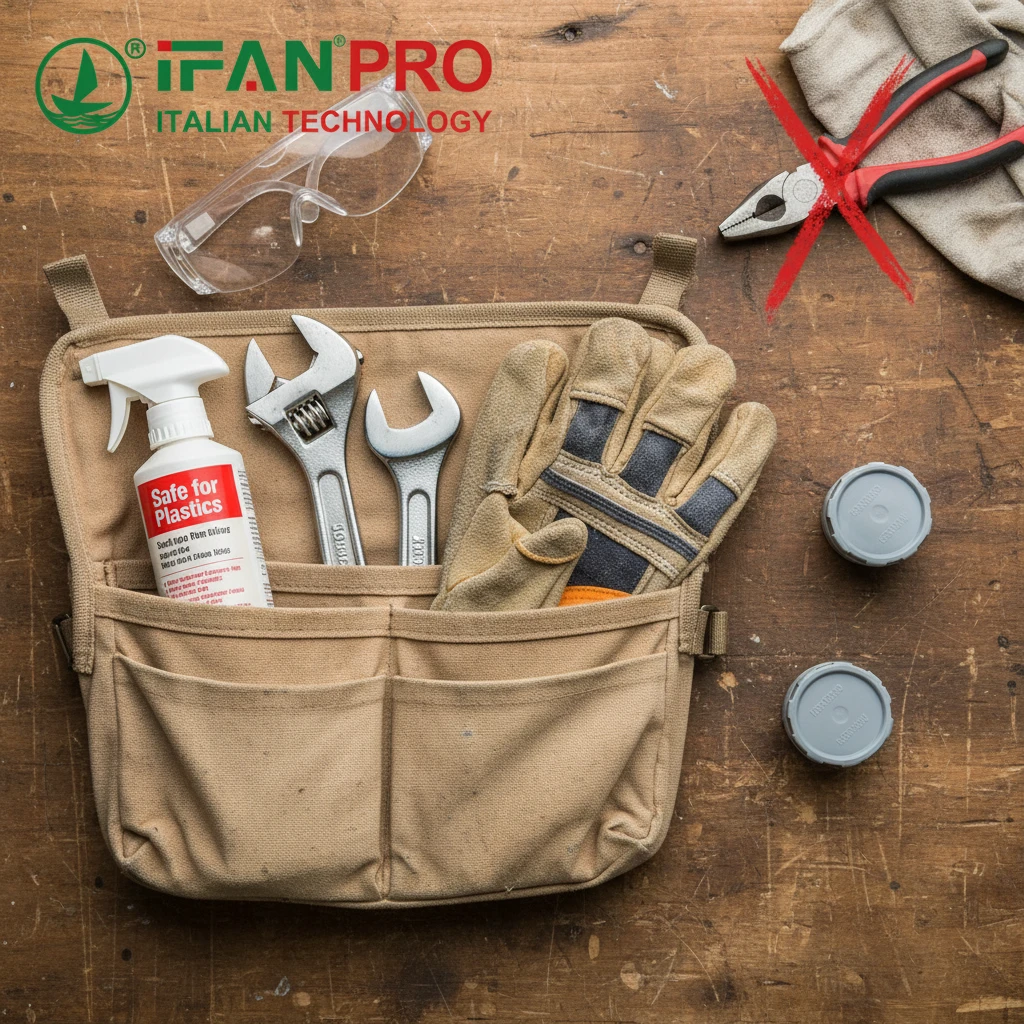
The Right Wrenches for the Job
Your main tools are wrenches, but not just any wrench. You need two of them. Why two? One wrench holds the pipe or the fitting you are NOT turning. This is called “backing up” the fitting. The other wrench applies turning force to the fitting you want to loosen. If you only use one wrench, you transfer all the twisting force into the pipe, which can twist and shear it, especially if it’s glued elsewhere.
The best wrenches for PVC are smooth-jawed. Many common tools like tongue-and-groove pliers or standard pipe wrenches have serrated teeth. These teeth dig into the soft plastic and can crush or deform it, making the problem worse. A smooth-jawed wrench or a strap wrench grips without biting.
Penetrating Oil: A Specialist Product
You also need a special kind of penetrating oil. Do not use standard WD-40 or other petroleum-based lubricants on PVC. These chemicals can attack and weaken the plastic over time, making it brittle. You must use a penetrating lubricant specifically formulated for plastics. This is a critical safety tool that prepares the threads for loosening.
Safety Gear is Non-Negotiable
Finally, safety gear is essential. Wear heavy-duty gloves. When a stuck fitting finally breaks free, your hands can slip and hit something sharp. Gloves protect your hands. Also, wear safety glasses. Penetrating oil, bits of old thread sealant, or rust can spray out when the fitting moves. Protecting your eyes is a simple but vital step.
Tool Checklist and Purpose
Here is a simple table to show what you need and why:
| Tool | Purpose | Why It’s Essential |
|---|---|---|
| Two Adjustable Wrenches | To hold one fitting and turn the other. | Prevents torsional stress on the pipe. One wrench is not enough. |
| Smooth Jaws or Strap Wrench | To grip fittings without crushing. | Serrated jaws permanently damage soft PVC surfaces. |
| Penetrating Oil for Plastics | To lubricate and break down thread sealant. | Standard oils can degrade PVC. The right oil is safe and effective. |
| Safety Gloves | To protect your hands from sharp edges and slips. | Provides grip and prevents cuts when force is applied. |
| Safety Glasses | To shield your eyes from debris and spray. | Loosening fittings can release unexpected particles. |
Gathering these tools before you start is the first and most important step. Trying to improvise with the wrong tools almost always leads to a broken fitting and a bigger repair job.
How Can Penetrating Oil Help Loosen Seized or Corroded PVC Pipe Threads?
Time and mineral deposits lock threads together. A good penetrant works like a key, but you have to use the right one.
Penetrating oil helps by seeping into the microscopic space between the threads, breaking down old sealants like Teflon tape or pipe dope, and lubricating the metal-to-plastic or plastic-to-plastic contact. For PVC, you must use a non-petroleum, plastic-safe formula that softens deposits without degrading the pipe material itself.
The Science of How It Works
Threads can seize for several reasons. The most common is the hardening of the thread sealant. Teflon tape and pipe dope can become like a solid glue over years. Another reason is galvanic corrosion if a metal fitting is threaded into plastic, leaving mineral deposits. Sometimes, the threads are just overtightened.
A proper penetrating oil is designed to be thin. It has a very low surface tension, which means it can “wick” or crawl into incredibly tiny gaps—even spaces you can’t see. It creeps between the male and female threads. Once inside, it starts to do two things: dissolve and lubricate.
Dissolving Old Sealant and Deposits
The chemicals in the penetrant work to soften and break down the old, hardened thread sealant. It also helps to dissolve minor rust and mineral scale. This breaks the chemical bond that is gluing the threads together. Think of it as gently loosening the glue before you try to pull something apart.
Lubricating the Threads
At the same time, the oil coats the threads. This lubrication reduces the friction coefficient. In simple terms, it makes the threads slippery. When you apply turning force with your wrench, the energy goes into breaking the bond and turning the fitting, instead of being wasted as friction and heat, which can melt or deform PVC.
Why You Need Plastic-Safe Oil
This is the most critical point. Never use a standard penetrating oil like WD-40 on PVC pipes. These are often petroleum-based. Petroleum acts as a solvent on many plastics, including some types of PVC. It can cause the plastic to become soft, swell, or become brittle and crack. You must look for a penetrant that is explicitly labeled as safe for plastics. These are usually silicone-based or use other plastic-friendly chemicals.
Application Technique for Best Results
- Clean: Wipe away any dirt from the joint so the oil can get to the threads.
- Apply: Spray or drip the penetrant generously where the male and female threads meet.
- Wait: This is the key step. Allow the oil to work for at least 15-30 minutes. For a severely seized fitting, applying it and waiting overnight is best. You may need to reapply once or twice during the wait.
- Tap: Gently tap the fitting with a mallet after applying the oil. This creates tiny vibrations that help the oil work its way deeper into the threads.
Using the right penetrant correctly turns a battle of brute force into a manageable task. It addresses the root cause of the problem—the bond between the threads—making the next step of applying force safe and effective.
What Is the Proper Technique to Apply Force and Avoid Damaging PVC Pipes?
Force is necessary, but uncontrolled force breaks things. The goal is to break the thread bond, not the pipe.
The proper technique is to use two wrenches in opposite directions, apply steady and increasing pressure in short, sharp attempts rather than one continuous pull, and never use a cheater bar or heat. Always turn in the correct direction (counter-clockwise to loosen) and stop immediately if you feel the PVC deforming instead of the thread moving.
The Two-Wrench Method: Creating Opposing Forces
This is the golden rule. Place one wrench on the fitting you want to loosen. Place the second wrench on the adjacent fitting or the pipe itself that you need to hold steady. The holding wrench prevents the entire assembly from twisting. Now, push the wrenches away from each other. This applies pure rotational force directly at the stuck joint. If you push them towards each other, you risk pinching your hands if the fitting lets go suddenly.
How to Apply Turning Force
Do not just lean into it with all your strength. Start with steady, moderate pressure. If it doesn’t move, increase the pressure in a controlled way. A good technique is to use short, sharp “bumps” or pulses of force. This shock can help break the initial bond better than a slow, steady push. Imagine trying to open a tight jar lid; you often use a quick jerk, not a slow twist.
If it still won’t budge, stop. Do not get a longer wrench or a pipe to slide over your wrench handle (a “cheater bar”). This gives you too much leverage, and the torque will easily exceed the strength of the PVC, causing it to crack or shear instantly. Instead, go back and apply more penetrating oil, wait longer, and try again.
Critical “Do Not” Rules
- Do Not Use Heat: Never use a propane torch or heat gun on a threaded PVC joint. PVC softens at a relatively low temperature. Applying heat can warp the threads, melt the pipe, or, if there is any residual water, create dangerous steam pressure.
- Do Not Overtighten First: Trying to tighten a fitting slightly to “break the seal” before loosening is a common metalworking trick. With PVC, this often just cements it further or cracks the female thread.
- Listen and Feel: Pay close attention. You should hear a faint “crack” or “pop” when the thread sealant bond breaks. If you hear a crunchy or cracking sound from the plastic itself, stop immediately. If the wrench is bending the fitting instead of turning it, stop.
Force Application Checklist
| Action | Right Way | Wrong Way | Why the Wrong Way Fails |
|---|---|---|---|
| Wrench Placement | Two wrenches pushing in opposite directions. | One wrench, or both wrenches pushing the same way. | Twists and shears the pipe instead of isolating the joint. |
| Type of Force | Steady, increasing pressure or short, sharp pulses. | One sudden, massive jerk of force. | Sudden extreme force is more likely to crack brittle plastic. |
| If It’s Stuck | Reapply penetrant, wait longer, try again. | Use a cheater bar for more leverage. | Guarantees the PVC will fail before the threads let go. |
| Using Heat | Never. Use penetrant and patience. | Applying a torch or heat gun. | Melts/deforms PVC, ruins threads, creates safety hazards. |
By following this controlled technique, you maximize your chance of success while minimizing the risk of turning a simple repair into a major pipe replacement job.
How Should You Inspect and Prepare Threads After Loosening a PVC Fitting?
A loose fitting is only half the job. Reusing damaged threads guarantees a future leak.
You should inspect threads by cleaning off all old sealant, then visually and manually checking for cracks, chips, stripped threads, or warping. Preparation involves thoroughly cleaning the threads with a plastic-safe brush, deciding if the fitting is reusable, and carefully applying new thread sealant (Teflon tape or paste) correctly before any reassembly.
Step 1: Complete Cleaning for Inspection
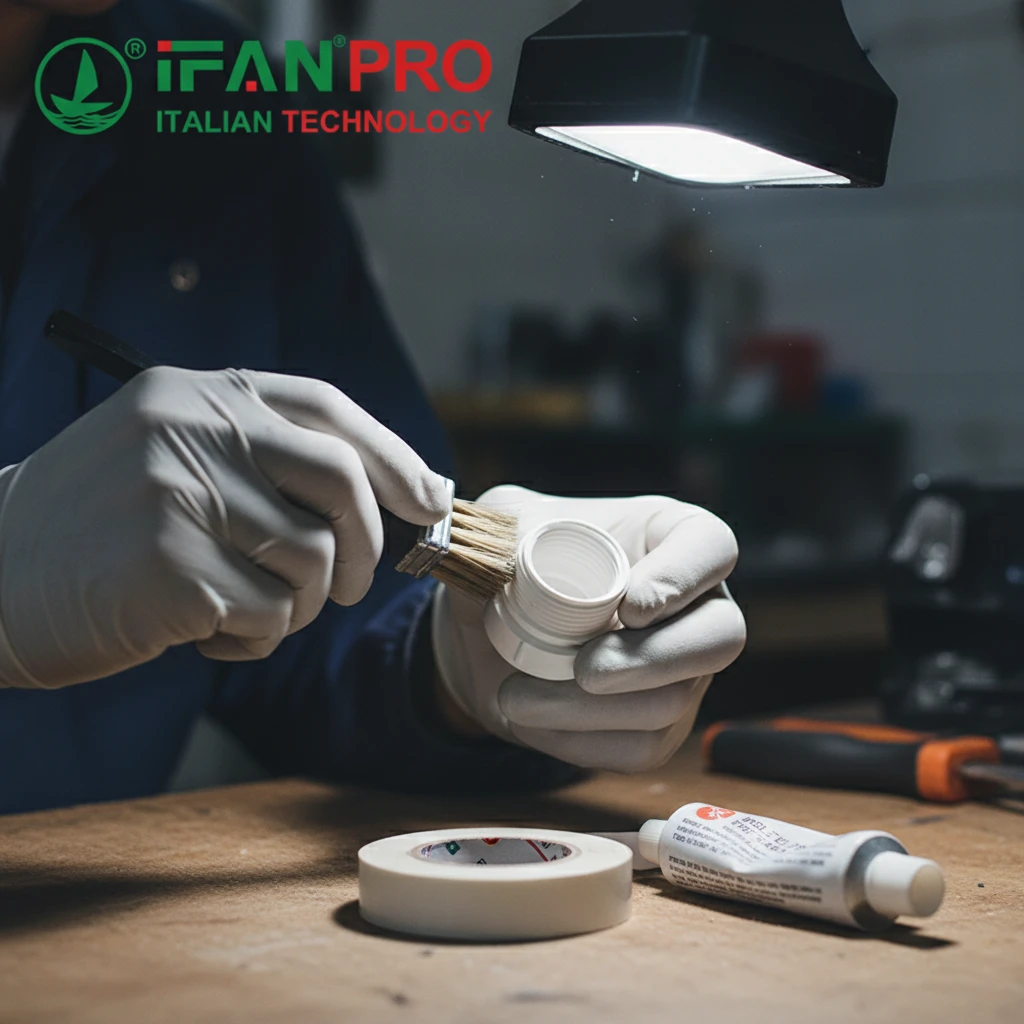
Once the fitting is loose, the first job is to clean it completely. You cannot inspect what you cannot see. Use a dry rag first to wipe away bulk debris. Then, use a small, stiff-bristled brush (like a toothbrush dedicated to tools) to scrub the threads. For male threads, brush in the direction that follows the thread spiral. For female threads, use a picking tool or the brush to dig out old, compacted Teflon tape and paste from the root of the threads. They must be completely clean and dry.
Step 2: Detailed Visual and Physical Inspection
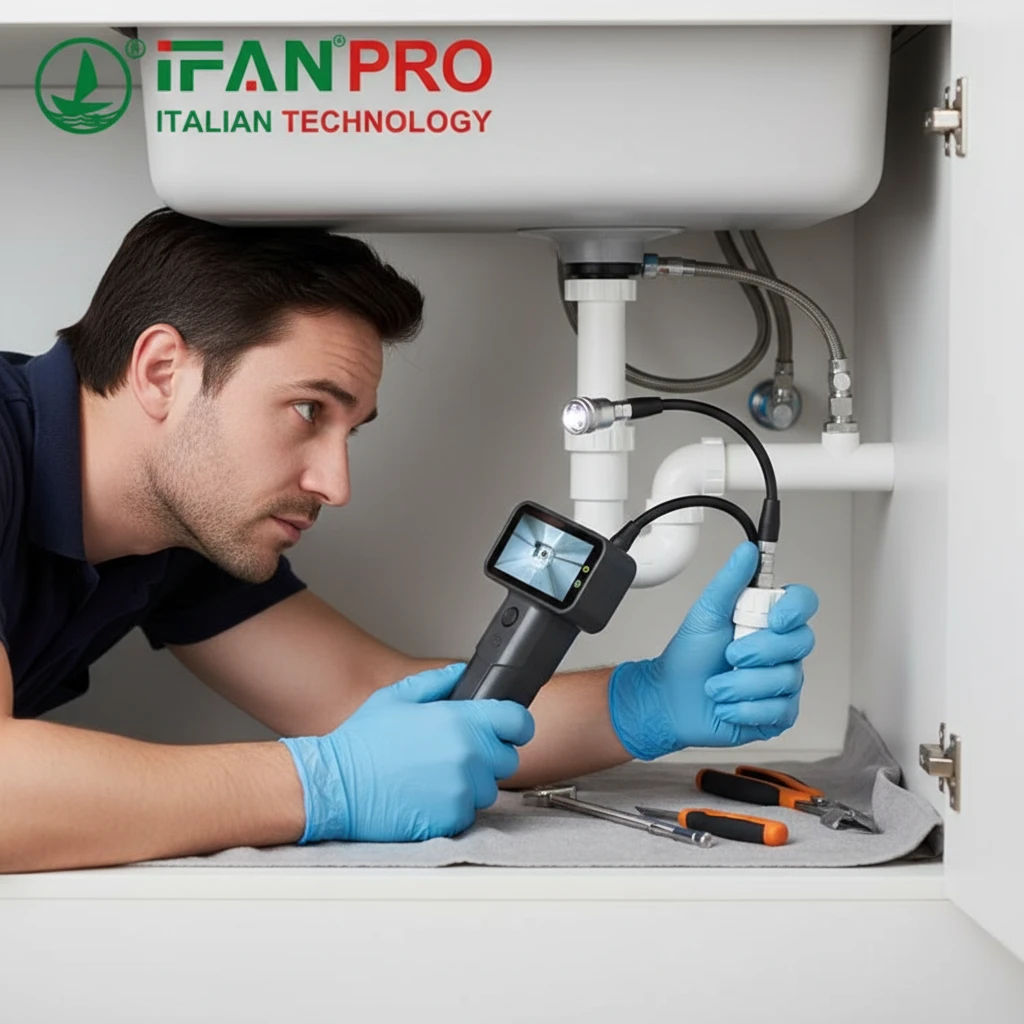
Now, inspect under good light. Look for the following defects:
- Cracks: Any hairline fracture, especially at the base of a male thread or on the shoulder of a female fitting, means the part is trash. It will leak under pressure.
- Chips or Nicks: Small imperfections can sometimes be filed smooth with a fine file if they are minor and not in the primary sealing area. Large chips are a problem.
- Stripped Threads: Do the threads look flattened or worn down? Try threading the fitting back together by hand (with no sealant). It should screw on smoothly for several turns. If it feels loose, wobbly, or “cross-threads” easily, the threads are stripped and will not seal.
- Warping: Has the fitting lost its round shape? Compare it to a new fitting. If it looks distorted from heat or crushing, do not reuse it.
Step 3: Making the Reuse or Replace Decision
Based on your inspection, you must decide. When in doubt, replace the fitting. A new PVC fitting is very inexpensive. The cost of a leak causing water damage is enormous. It is almost always better to use a new fitting, especially for pressurized water lines.
Step 4: Proper Preparation for Reassembly
If the fitting passes inspection, prepare it for a perfect new seal.
- Ensure threads are bone dry and oil-free.
- Choose your sealant: Use Teflon tape (for water, use the thick pink or white tape for water; yellow gas tape is too thick) or non-hardening pipe thread paste made for plastics.
- Apply Teflon Tape Correctly:
- Start at the end of the male threads, leaving the first thread exposed.
- Wrap in the direction of the threads (usually clockwise as you look at the end). This ensures the tape doesn’t unravel when you screw the fitting on.
- Wrap 3-4 layers, overlapping each wrap by half. Do not over-wrap.
- Press the tape firmly into the threads as you go. Tear it off and press the end down firmly.
Thread Sealant Comparison
| Sealant Type | Best For | How to Apply | Key Tip |
|---|---|---|---|
| Teflon Tape | New, clean threads; water lines. | Wrap 3-4 times clockwise, tight and flat. | Never wrap backwards or over the first thread. |
| Pipe Thread Paste | Older or slightly imperfect threads; mixed material joints (metal into plastic). | Apply a thin, even coat to male threads. | Use a non-hardening, plastic-safe formula. A little goes a long way. |
Once prepared, thread the fitting together by hand as far as possible to ensure it’s not cross-threaded, then tighten with wrenches using the two-wrench method. Do not overtighten; a common rule is to go “hand-tight plus one to two turns with a wrench.” A proper seal comes from the thread sealant, not extreme force.
Conclusión
By using the right tools, a plastic-safe penetrant, controlled force, and careful re-preparation, you can loosen threaded PVC fittings safely. For all your reliable PVC piping and fitting needs, from standard to custom solutions, trust the quality and expertise of IFAN.










 Español
  English
  Français
  Русский
Comentarios recientes