
PPR (Polypropylene Random Copolymer) piping systems are widely used for hot and cold water installations due to their high durability, corrosion resistance, and easy installation. One of the most commonly used components in these systems is the PPR elbow fitting, which allows for directional changes in the pipeline.
However, sealing PPR elbow fittings properly is crucial to avoid leaks and ensure long-term performance. In this article, we’ll explain step-by-step how to seal PPR elbow fittings, the tools you need, and tips to achieve a reliable, watertight connection.
What Is a PPR Elbow Fitting?
A PPR elbow fitting is used to change the direction of the pipe—typically at 90° or 45° angles. It’s commonly found in plumbing installations for both residential and commercial applications.
Unlike traditional metal fittings, PPR fittings require heat fusion to connect, forming a seamless bond between pipe and fitting.
Tools and Materials You’ll Need
To seal a PPR elbow fitting, you need:
- PPR pipe cutter
- PPR welding machine (fusion tool)
- PPR pipes and elbow fittings (matching diameter)
- Marker and measuring tape
- Clean cloth or alcohol wipes
Step-by-Step Guide: How to Seal PPR Elbow Fittings
Step 1: Measure and Cut the Pipe
- Measure the length of pipe needed.
- Use a PPR pipe cutter to make a straight, clean cut. Avoid jagged or angled cuts, as these can compromise the seal.
Step 2: Clean the Pipe Ends and Fittings
- Wipe the outer surface of the pipe and the inner surface of the elbow fitting with a clean cloth or alcohol wipe.
- Remove any dirt, grease, or moisture to ensure a clean bond.
Step 3: Heat the Pipe and Fitting
- Set the PPR welding machine to the appropriate temperature (typically around 260°C / 500°F).
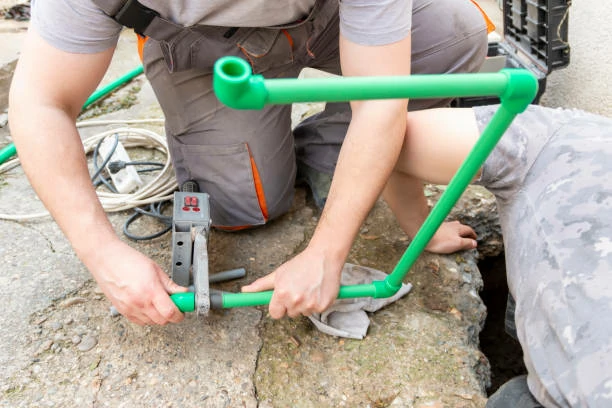
- Insert the pipe and fitting into the heating sockets of the machine simultaneously.
- Heat them for the recommended time based on pipe size (usually 5–8 seconds for small diameters).
Step 4: Join the Pipe and Fitting
- Immediately after heating, remove both from the machine and push the pipe into the elbow fitting without twisting.
- Hold firmly for a few seconds until the material cools and sets.
✅ Tip: Make sure to align the elbow correctly before the joint cools. Once fused, the angle cannot be changed.
Step 5: Allow the Joint to Cool
- Wait at least 10–15 minutes before applying any pressure or conducting a leak test.
- Let the system cool naturally—avoid using water or fans to speed up cooling.
Common Mistakes to Avoid
- Overheating or underheating the joint
- Contaminated surfaces (dust, oil, or moisture)
- Improper alignment before cooling
- Using incompatible pipe sizes
Why Proper Sealing Matters
A poorly sealed PPR elbow fitting can lead to:
- Leaks and water damage
- Reduced water pressure
- Costly maintenance or reinstallation
That’s why it’s essential to follow proper heat fusion procedures using quality PPR fittings, like those manufactured by ifanpro.
Choose Quality PPR Fittings from ifanpro
At ifanpro, we specialize in manufacturing high-quality PPR piping systems, including a full range of elbow fittings. Our products are tested for durability, pressure resistance, and ease of installation.
Looking for custom sizes or OEM services? We also offer customization to fit your project needs.









 Español
  English
  Français
  Русский
Comentarios recientes