
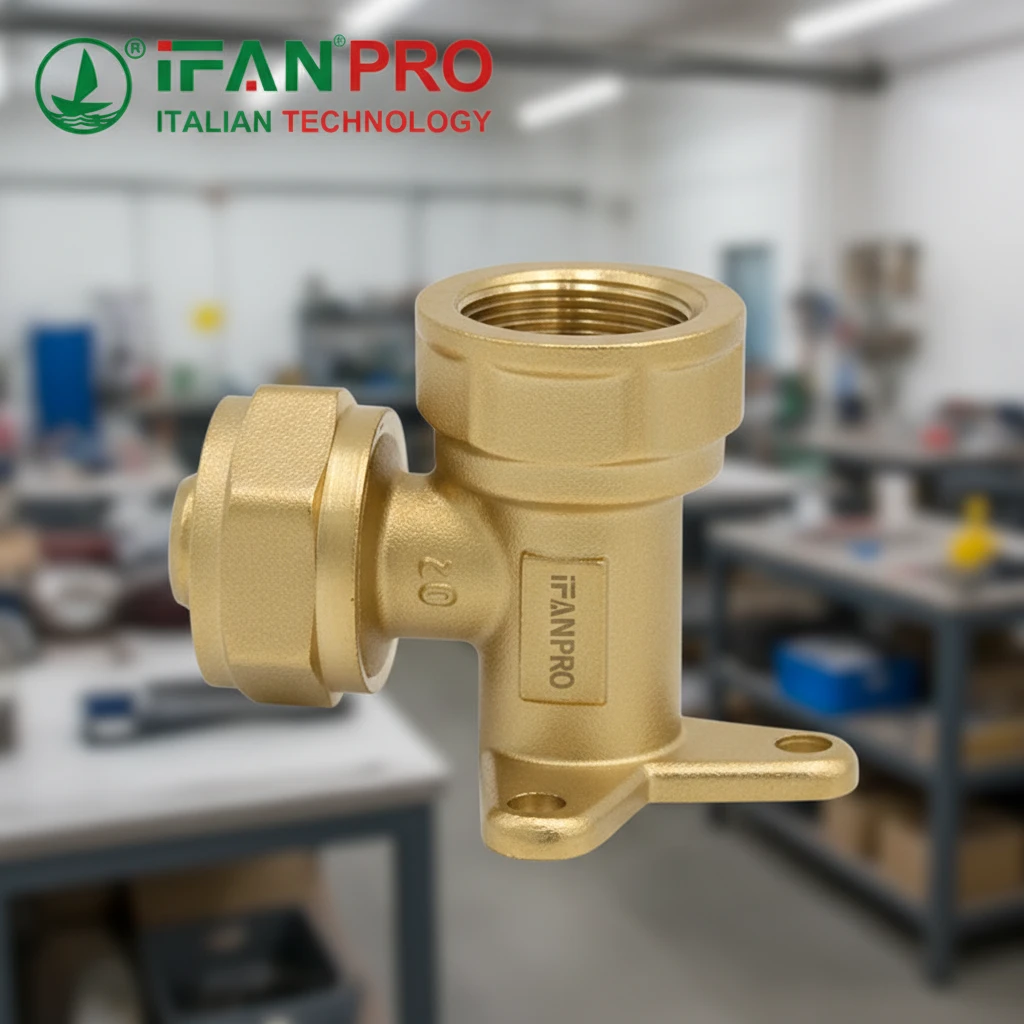
I’ve seen too many projects delayed by a single dripping connection. The promise of a leak-proof seal is what every installer relies on from the very first fitting.
Yes, a high-quality elbow, like those from IFAN, is engineered to ensure a leak-proof seal at the female connection point. It achieves this through a combination of precision-machined brass threads, a correctly applied thread sealant, and often an integrated secondary seal, such as a rubber gasket. When installed with the proper torque, these elements work together to create a durable, pressure-tight joint.
But simply having a female thread doesn’t guarantee a seal. The real security comes from understanding and correctly using the components and methods involved. Let’s examine how each factor contributes to a perfect connection.
What Type of Thread Sealant Is Recommended for the Female Brass Threads?
Choosing the wrong sealant is a common first mistake. I’ve spent hours cleaning off old, failed paste from poorly sealed joints.
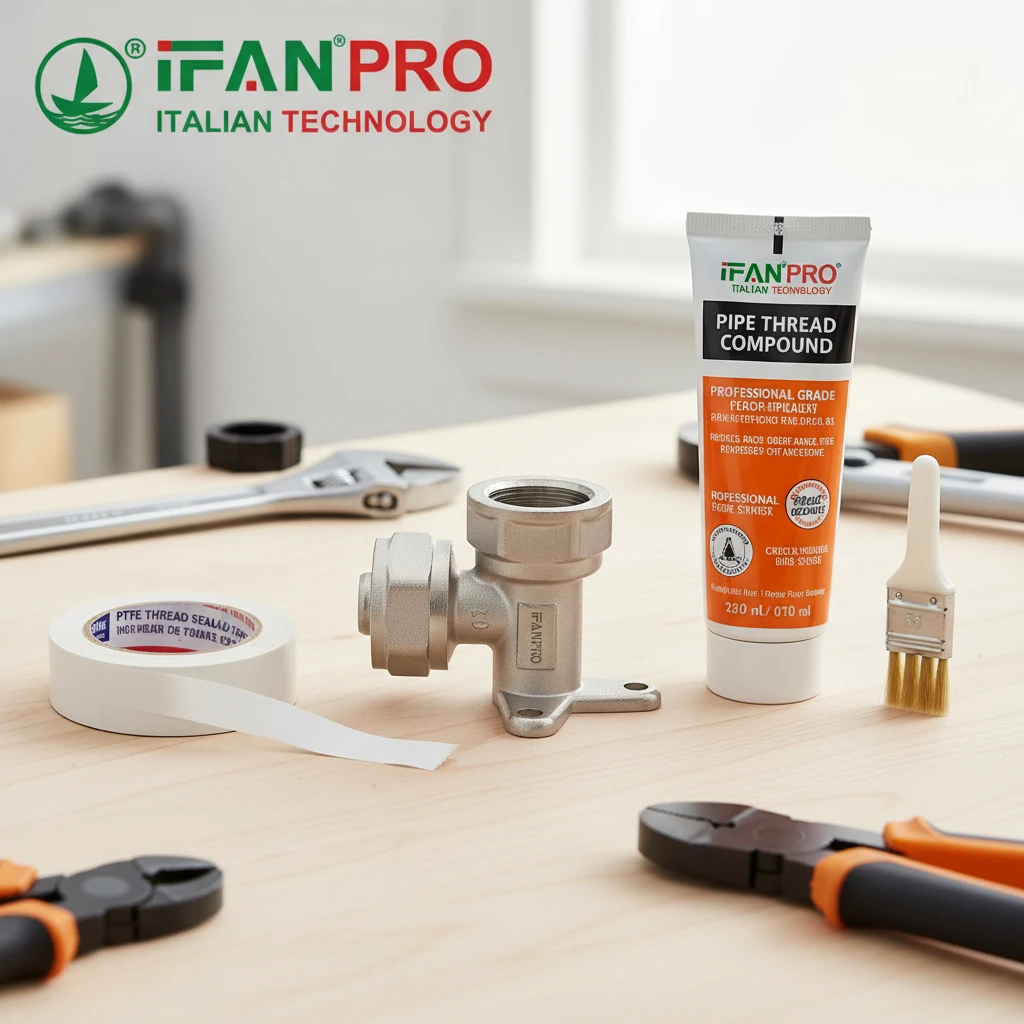
For female brass threads on plumbing elbows, we strongly recommend using a high-quality PTFE (polytetrafluoroethylene) thread sealant tape or a non-hardening, brush-on pipe thread compound. These sealants fill the microscopic gaps between the threads without bonding the metals permanently, allowing for future adjustment and creating a reliable seal against water and gas pressure.
Understanding the Role of Thread Sealant
The threads on a pipe fitting are not perfectly smooth. They have tiny imperfections and spiral pathways. The primary job of a sealant is not to glue the pieces together, but to fill these voids and prevent fluid from traveling along the thread path. For brass-to-brass connections, which are common in many IFAN fittings, you need a sealant that works with the material’s properties.
Comparing Tape vs. Paste Sealants
Both tape and paste have their place, and the best choice often depends on the specific application and installer preference.
1. PTFE Tape (Thread Seal Tape):
This is a thin, white tape you wrap around the male threads before assembly.
- How it works: The tape fills the thread gaps and provides lubrication, allowing you to tighten the connection to the proper depth without galling the brass threads.
- Best for: Beginners and standard water connections. It’s clean and easy to control.
- Key Tip: Always wrap the tape clockwise (looking from the end of the pipe) so it doesn’t unravel when you screw on the fitting. Use 3-5 wraps for a good seal.
2. Non-Hardening Pipe Thread Compound (Paste):
This is a thick, brush-on or squeeze-tube sealant.
- How it works: The paste flows into all thread imperfections and remains slightly flexible after assembly, accommodating minor vibrations or thermal expansion.
- Best for: Experienced installers, gas lines, larger diameter pipes, or situations where a more robust seal is needed.
- Key Tip: Apply a consistent, thin coat to all the male threads. Avoid getting paste inside the pipe, as it can contaminate the water system.
A Simple Selection Guide
Use this table to choose the right sealant for your job:
| Sealant Type | Best Used For | Ventajas | Things to Watch |
|---|---|---|---|
| PTFE Tape | Standard hot/cold water lines, DIY projects. | Clean, easy to apply and remove, no mess. | Can tear if over-wrapped; not ideal for very large threads. |
| Pipe Thread Paste | Gas lines, large diameter pipes, professional installations, systems with vibration. | Excellent gap-filling, good for imperfect threads, lubricates well. | Can be messy; must not contaminate water supply. |
Crucial Advice: Never use Teflon tape AND paste together. This is a common error. Using both can actually prevent the threads from tightening fully and may cause the seal to fail. Choose one method and apply it correctly.
How Does the Brass-to-Brass Threaded Interface Enhance Sealing Reliability?
Many clients think any metal will do. However, the choice of brass specifically is a major reason for the fitting’s reliability.
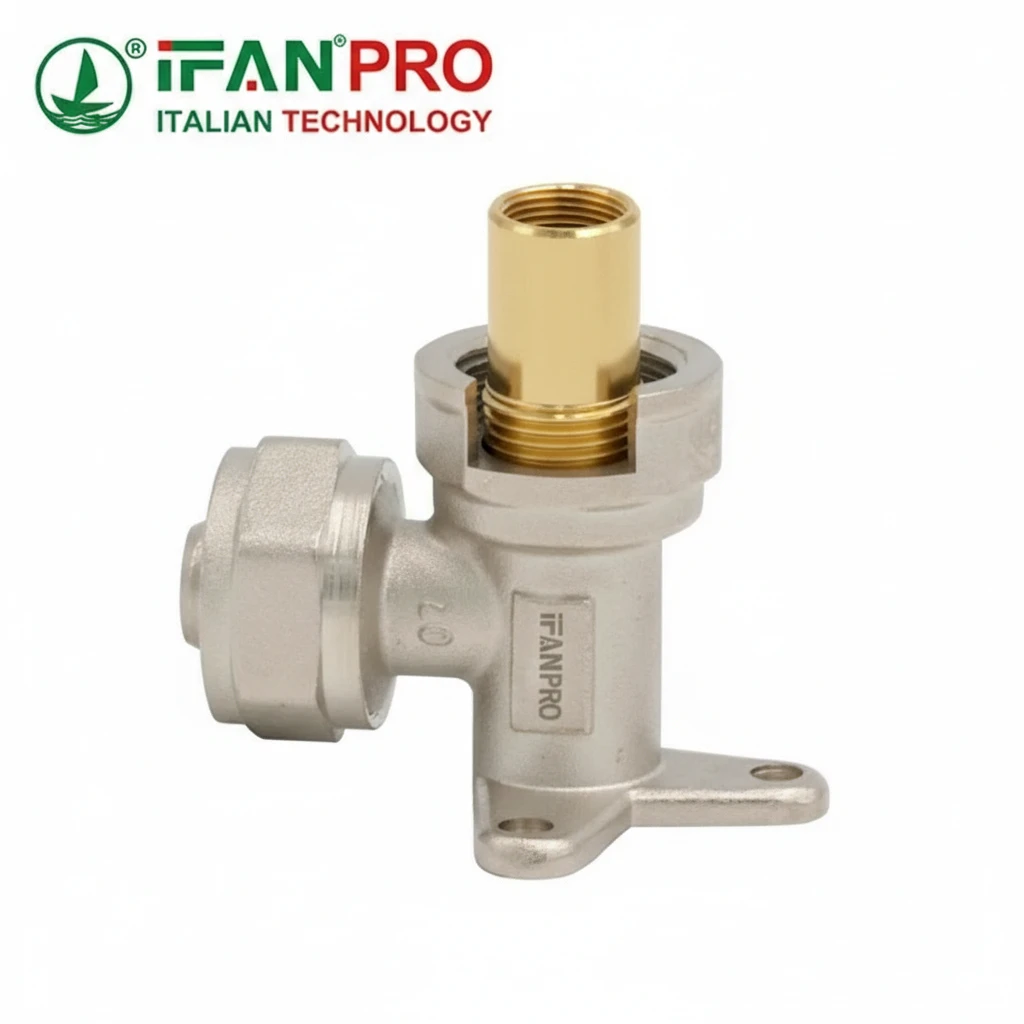
The brass-to-brass threaded interface enhances sealing reliability because both parts have similar hardness and thermal expansion rates. This means the threads engage smoothly without galling or seizing, and the connection stays uniformly tight as temperatures change, preventing leaks caused by material stress or contraction.
The Problem with Dissimilar Metals
When you connect two different metals, like steel into brass, you can create a problem called “galvanic corrosion.” This is a chemical reaction where one metal corrodes faster when in electrical contact with another in the presence of an electrolyte (like water). This corrosion can eat away at the threads, weakening the seal and causing leaks over time. A brass-to-brass connection eliminates this risk entirely.
Smooth Engagement and Durability
Brass is a relatively soft metal compared to steel. This softness is actually a benefit for sealing. When you screw a brass male thread into a brass female thread, the materials deform slightly against each other. This controlled deformation helps the threads conform and create a tighter mechanical seal. The sealant then fills the remaining micro-gaps.
Because both parts are the same hardness, they are also less likely to “gallen” or seize. Galling is when friction during tightening causes the metals to tear and fuse together. This can make the joint impossible to tighten properly or to disassemble later. Brass-on-brass, when lubricated with the proper sealant, turns smoothly to the correct position.
Performance Under Temperature Changes
Pipes get hot and cold. Different metals expand and contract at different rates. If a steel pipe is screwed into a brass fitting, the two will expand and contract at different rates when the hot water runs. This difference can put stress on the threads and break the seal, leading to leaks.
Brass parts, however, expand and contract at almost exactly the same rate. So, when the hot water flows, the entire connection expands together as one unit. The tension on the threads remains constant, and the seal stays intact. This thermal compatibility is a key engineering advantage for reliable plumbing in systems with temperature cycles.
Are There Gaskets or O-Rings Integrated into the Design for a Positive Seal?
Relying only on threads is an old-school approach. Modern premium fittings add a second line of defense.
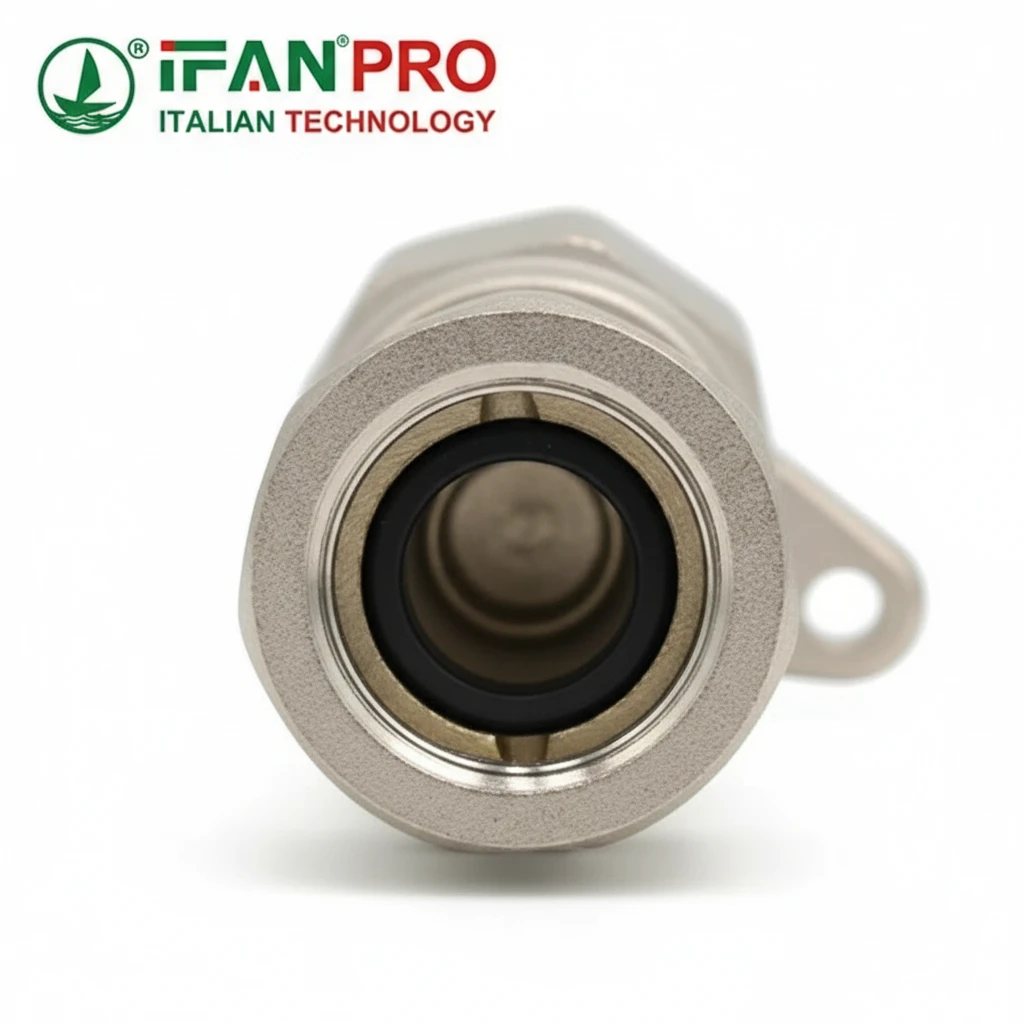
Yes, many high-performance elbows, including specific IFAN models, integrate a rubber gasket or O-ring inside the female socket. This provides a positive, compression-based seal that is independent of the threaded connection, offering a double layer of protection against leaks and making the joint more tolerant of minor installation variances.
The Two-Layer Sealing Strategy
Think of a high-quality elbow as having two separate sealing systems that work together:
- The Thread Seal: This is the first seal, created by the thread sealant in the brass threads. It handles the initial pressure and holds the fitting in place.
- The Gasket Seal: This is the second, often more critical seal. It is a soft rubber (usually EPDM or NBR) ring seated in a groove at the base of the female threads. When the male pipe is screwed in, its end compresses firmly against this gasket.
This design is superior because it creates a seal on the face of the connection, not just in the spiral threads. A face seal is almost always more reliable for preventing direct fluid passage.
Benefits of an Integrated Gasket
Adding a gasket solves several common problems with threaded-only connections:
- Compensates for Thread Wear: Over time, or if disassembled and reassembled, threads can wear. A gasket provides a fresh sealing surface every time.
- Tolerates Minor Angle Misalignment: If the pipe isn’t perfectly straight, a threaded-only seal can fail. A soft gasket can compress unevenly to accommodate slight angles.
- Absorbs Vibration: The rubber gasket acts as a dampener, reducing the chance that vibration will loosen the threaded connection.
- Simplifies Installation: For the installer, it provides a clear “stop” point. You tighten until you feel the pipe shoulder compress firmly against the gasket, which is often more intuitive than judging thread engagement alone.
Identifying Fittings with Integrated Seals
Not all elbows have this feature. When selecting a fitting, look for these indicators:
- Product Description: It may say “with seal ring,” “with gasket,” or “double sealing system.”
- Visual Inspection: You can often see a black or dark-colored rubber ring seated inside the female thread opening.
For critical applications or where the highest reliability is needed, always choose a fitting with an integrated gasket. It is a simple feature that dramatically improves performance.
How Should You Torque the Connection for Optimal Leak-Proof Performance?
This is where most leaks happen—not from a bad part, but from incorrect installation. Guessing the right tightness is not a strategy.
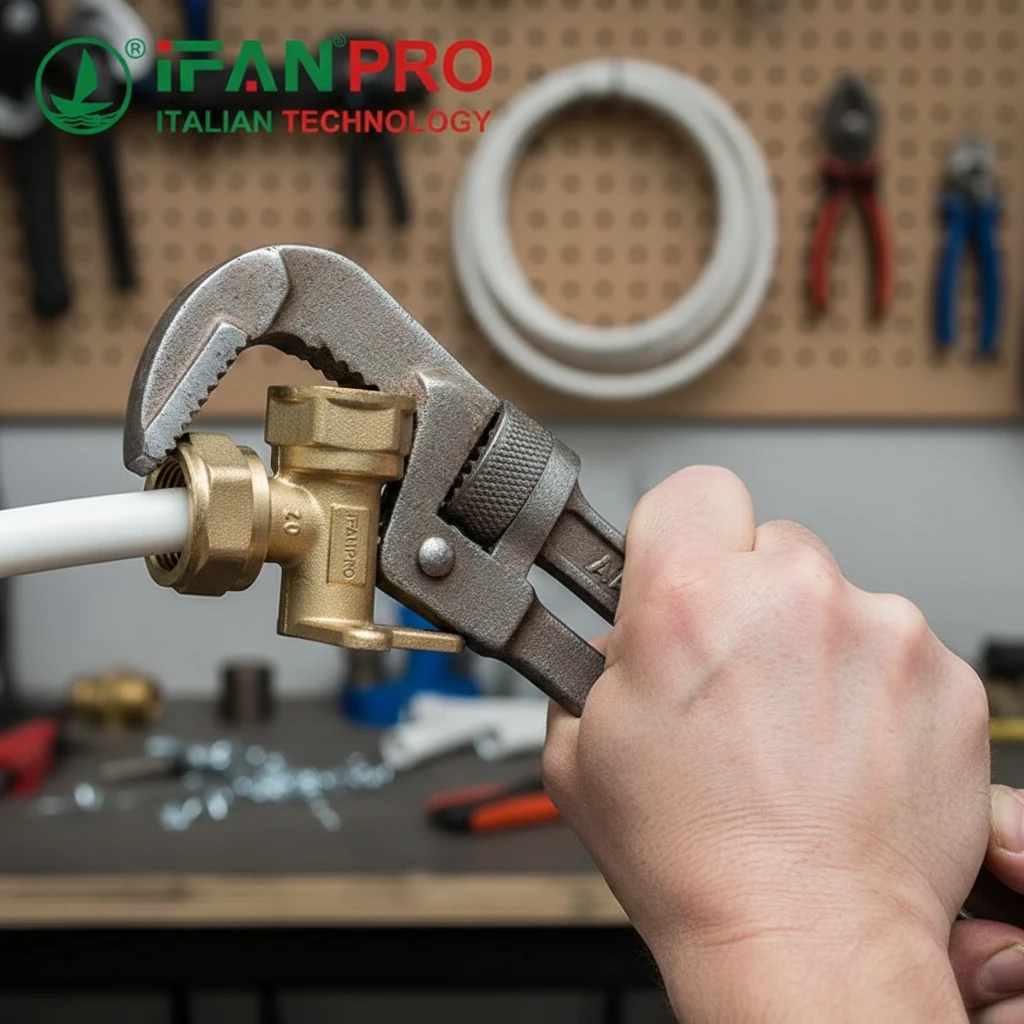
For optimal leak-proof performance, you should tighten the connection by hand until snug, then use a wrench to apply a specific additional turn—typically 1/2 to 2 full turns—depending on the pipe size and sealant type. The goal is to compress the sealant and/or gasket fully without over-torquing, which can damage threads and cause stress cracks.
The Dangers of “Just Tighten It More”
The most common installer mistake is over-tightening, or “gorilla tightening.” People think if it leaks at a little tight, it will seal at very tight. This is wrong with brass fittings. Over-torquing can:
- Strip the Threads: The soft brass threads can shear off, ruining the fitting.
- Crack the Fitting Body: Excessive force can cause a hairline crack in the elbow itself, which will leak immediately or fail later.
- Over-Compress the Gasket: Squashing a rubber gasket too much can cause it to extrude out of its groove or lose its elasticity, breaking the seal.
A Practical Tightening Guide
Since most installers don’t use a torque wrench for pipes, the standard method is the “turn-of-the-nut” technique. Here is a reliable, step-by-step process:
- Start by Hand: First, screw the male pipe into the female elbow by hand as far as it will go. This ensures the threads are aligned correctly and not cross-threaded.
- Mark the Position: Once hand-tight, use a marker to make a line on the pipe that aligns with a point on the fitting. This is your starting reference.
- Apply Wrench and Turn: Put a wrench on the fitting (not the pipe, to avoid twisting the entire assembly). Turn the fitting relative to your mark. The amount of turn depends on the pipe diameter.
Use this table as a general guide for turns after hand-tight:
| Pipe Diameter (NPT) | Recommended Turns with PTFE Tape | Recommended Turns with Paste |
|---|---|---|
| 1/2″ | 1.5 to 2 turns | 1 to 1.5 turns |
| 3/4″ | 1 to 1.5 turns | 3/4 to 1 turn |
| 1″ | 3/4 to 1 turn | 1/2 to 3/4 turn |
Important Note: If the fitting has an integrated gasket, tighten until you feel a firm resistance increase. This indicates the gasket is fully compressed. Do not force beyond this point.
The Final, Essential Step: Pressure Testing
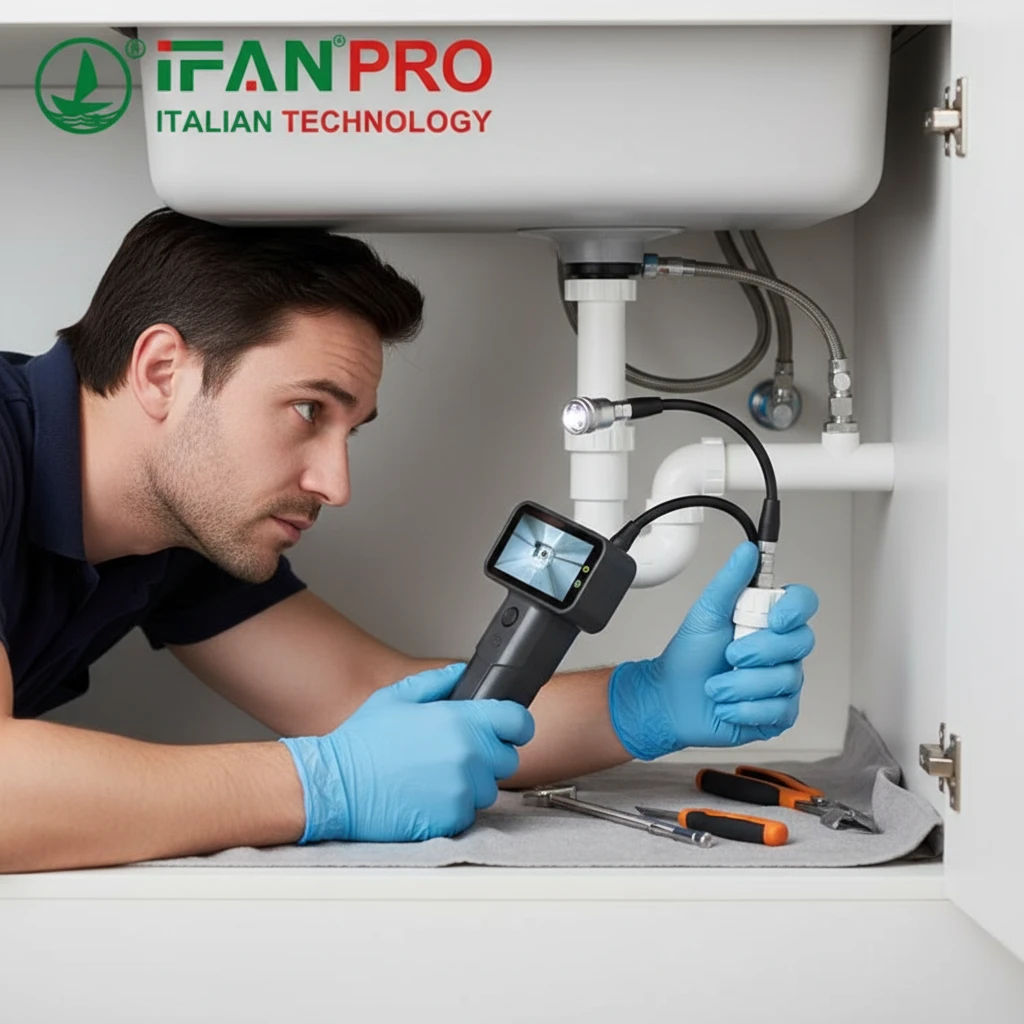
After installing and torquing all connections, you must never skip the final test. Fill the system with water, pressurize it to at least 1.5x its operating pressure, and hold it for an hour. Check every single joint. A proper torque job will pass this test with no drips. If a joint leaks, slightly tighten it (no more than an extra 1/6 of a turn) and re-test. If it still leaks, disassemble it to check for damaged threads or a missing sealant.
Conclusión
A leak-proof seal at the female connection is achievable with the right fitting, sealant, and technique. For reliability at every joint, choose IFAN’s premium brass elbows with integrated gaskets and precision threads.










 Español
  English
  Français
  Русский
Comentarios recientes