
I once watched a contractor install dozens of wrong-sized unions before realizing his mistake. That costly error taught me how critical size selection really is for plumbing success.
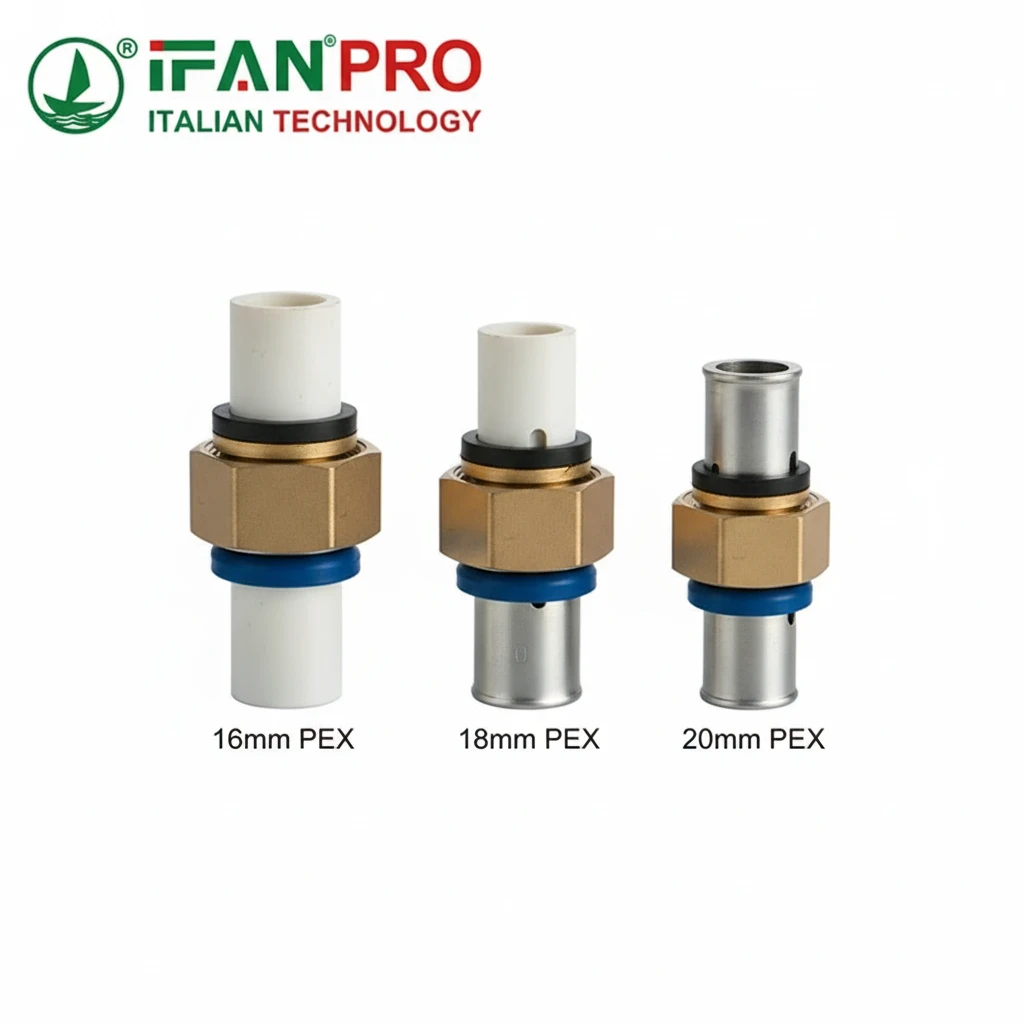
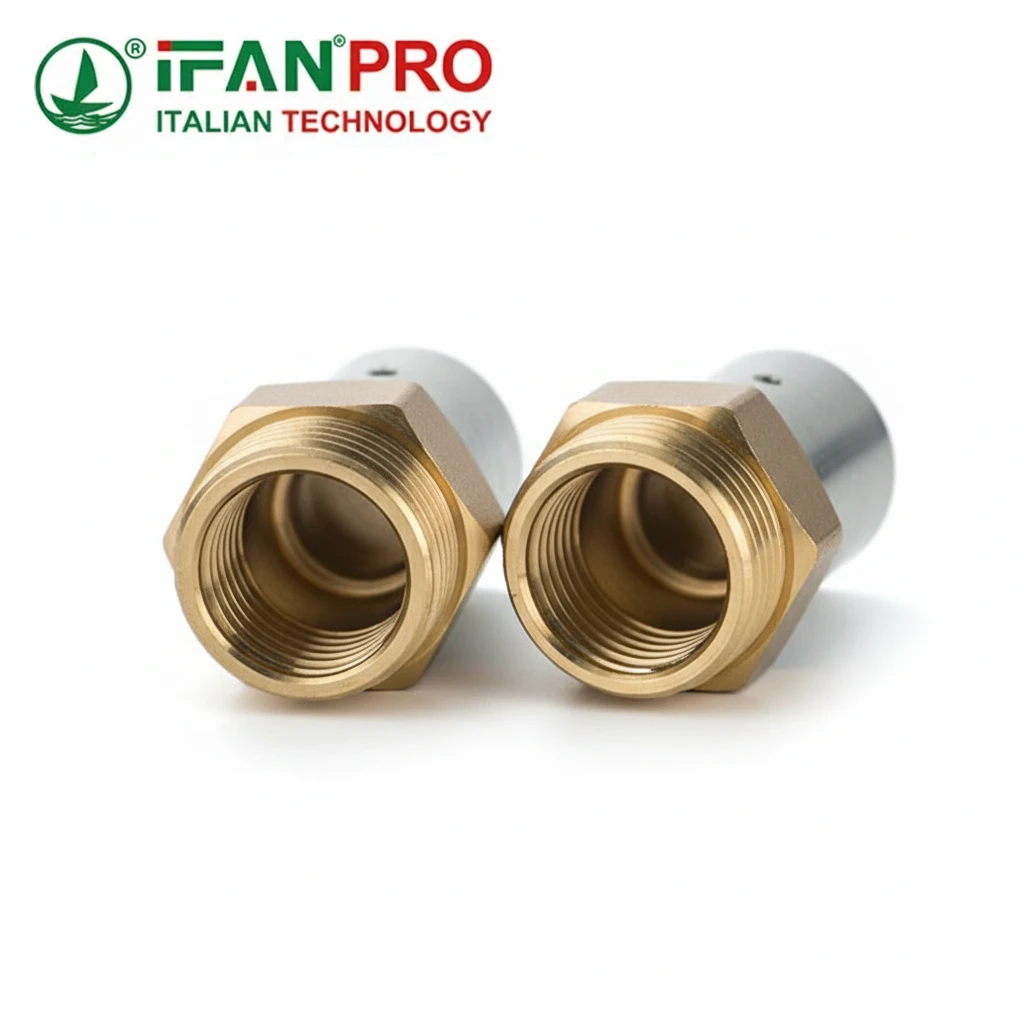
Choosing the right 121UC female union size requires matching two key dimensions: the PEX socket size (typically 16mm, 18mm, or 20mm) and the thread size (usually 1/2″ or 3/4″ female NPT/BSP). You must also verify that the fitting’s pressure and temperature ratings meet your system requirements and that it will connect properly to your existing fixtures and pipes.
Let’s walk through each factor to help you make the right choice for your specific project.
Three similar sizes. One wrong choice means a failed connection. I’ve seen this confusion cause countless project delays.
The PEX socket size refers to the outer diameter of the pipe that inserts into the fitting. 16mm sockets typically connect to smaller distribution lines, 18mm is common for standard residential branches, and 20mm handles higher-flow main lines. Your pipe’s actual outer diameter determines which socket size you need.
Understanding PEX Pipe Dimensions
PEX pipes use their outer diameter for sizing, unlike metal pipes which size by inner diameter. This creates some confusion for plumbers switching between systems. The numbers 16mm, 18mm, and 20mm all refer to the pipe’s outside measurement.
Here is what each size typically handles:
| Socket Size | Common Application | Typical Flow Capacity |
|---|---|---|
| 16mm | Individual fixture connections (sinks, toilets) | Low flow, single fixtures |
| 18mm | Branch lines serving 2-3 fixtures | Medium flow |
| 20mm | Main distribution lines, manifolds | High flow, multiple fixtures |
Matching Socket to Pipe
The rule here is simple: the socket must match your pipe’s exact outer diameter. You cannot force a 18mm pipe into a 16mm socket. You also cannot create a proper seal with a 16mm pipe inside an 18mm socket, even with adapters.
We recommend always measuring your pipe before ordering fittings. Pipe markings often list the size, but physical verification prevents mistakes. A simple caliper tool gives you a precise reading in seconds.
Common Mistakes and How to Avoid Them
Many buyers assume “bigger is better” and select 20mm sockets for everything. This creates problems when they try connecting to 16mm fixture inlets later. Conversely, choosing 16mm for main lines restricts flow and causes pressure drops.
A better approach involves mapping your entire system first. Identify where high flow matters and where it doesn’t. Then match socket sizes accordingly throughout the design.
When to Use 1/2″ vs. 3/4″ Female Union Threads
Thread size confusion ranks among the top reasons for returned fittings. I’ve handled enough returns to know this pattern well.
Use 1/2″ female threads for standard residential fixtures like faucets, toilets, and water heaters. Use 3/4″ female threads for main supply lines, hose bibs, commercial equipment, or any application requiring higher flow rates. The thread size must match your existing female threaded connections on valves, fixtures, or equipment.
The Two Standards: NPT vs. BSP
Before discussing sizes, we must address thread standards. NPT (National Pipe Taper) dominates in North America. BSP (British Standard Pipe) prevails in Europe, Asia, and many other regions. These two standards do not interchange reliably.
A 1/2″ NPT thread will not seal properly with a 1/2″ BSP fitting. The thread angles and pitches differ. Using mismatched standards causes leaks or cross-threading damage. Always verify which standard your region and equipment use.
Flow Considerations for Thread Selection
The thread size directly impacts flow capacity. Here is a practical breakdown:
| Thread Size | Maximum Recommended Flow Rate | Typical Applications |
|---|---|---|
| 1/2″ Female | Up to 6-8 GPM | Kitchen sinks, bathroom faucets, ice makers, toilets |
| 3/4″ Female | Up to 12-15 GPM | Main lines, hose connections, tankless water heaters, commercial fixtures |
Reading Existing Threads Correctly
When connecting to existing equipment, inspect the threads carefully. Count the threads per inch if possible. Check for taper (NPT) versus parallel (BSP) profiles. When uncertain, thread gauges provide definitive answers.
We also recommend keeping a thread identification card in your tool kit. These cards have cutouts for common thread sizes and types. They save hours of frustration on job sites.
Pressure and Temperature Limits: What You Need to Know
A fitting that looks right can still fail catastrophically under wrong conditions. I’ve seen burst fittings cause flood damage more times than I want to remember.
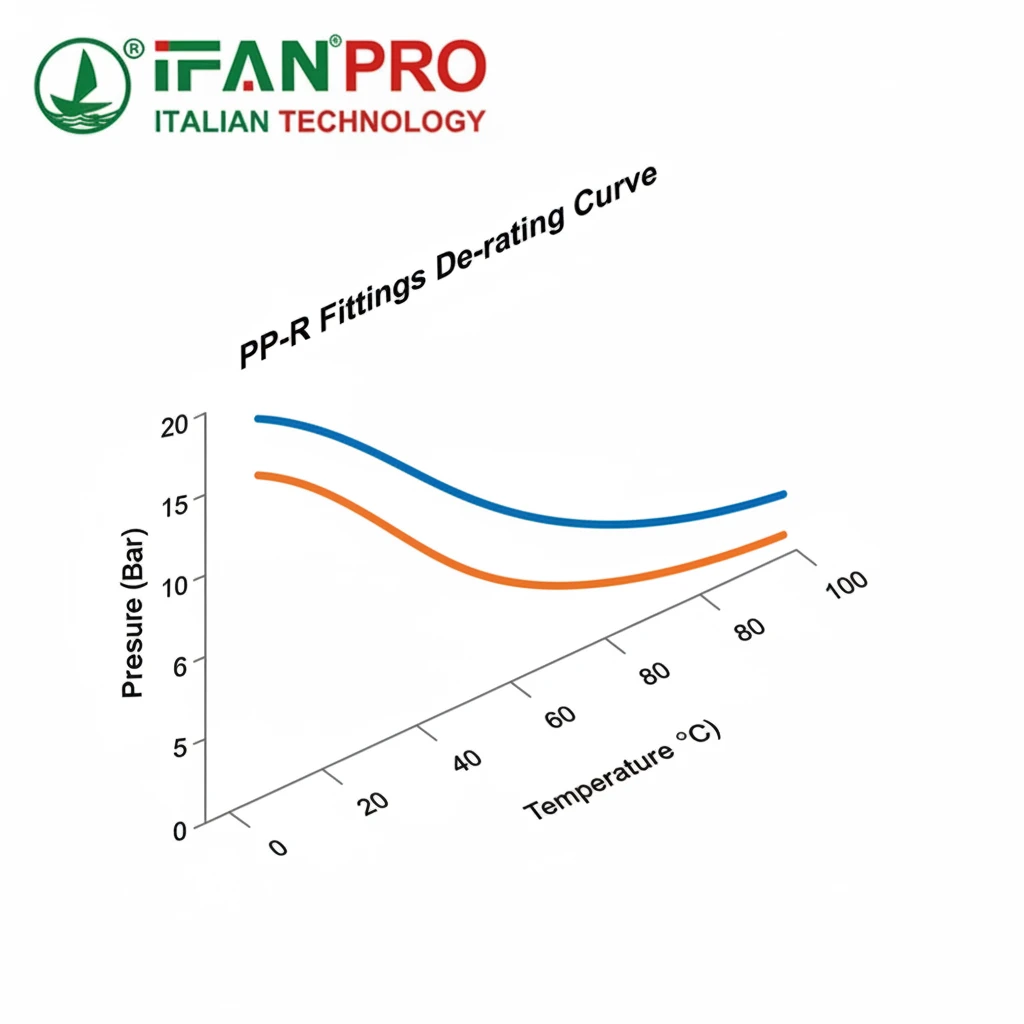
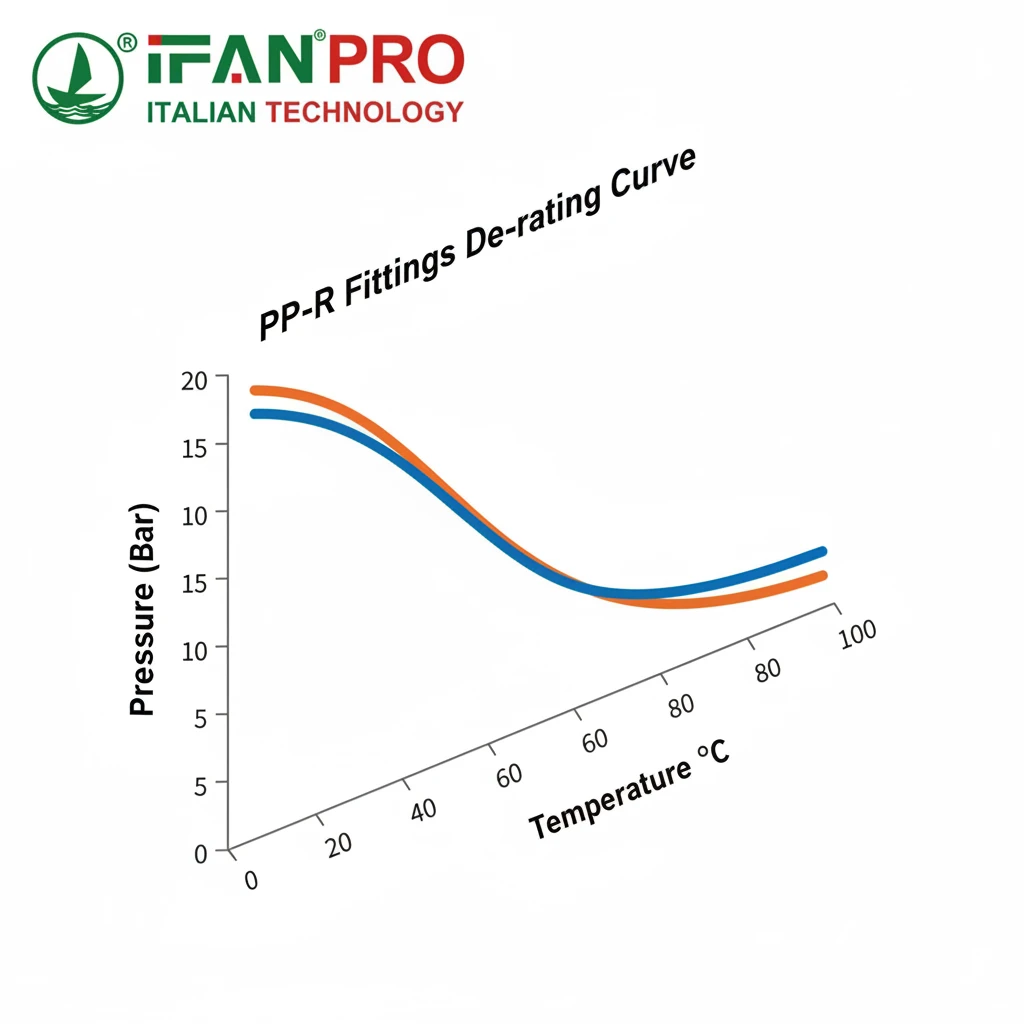
Every 121UC female union has rated pressure and temperature limits. Exceeding these ratings risks fitting failure, leaks, and system damage. Standard PP-R fittings typically handle pressures up to 20-25 bar at 20°C, but this rating decreases as temperature increases. Always verify the specifications for your specific application.
Understanding De-Rating Curves
This concept matters tremendously. A fitting rated for 25 bar at cold water temperatures may only handle 6-8 bar at 80°C hot water temperatures. Manufacturers publish de-rating curves showing this relationship.
The table below shows typical pressure capabilities at different temperatures:
| Water Temperature | Maximum Working Pressure (Standard PP-R) |
|---|---|
| 20°C (68°F) | 25 bar (360 PSI) |
| 60°C (140°F) | 15 bar (220 PSI) |
| 80°C (176°F) | 8 bar (115 PSI) |
| 95°C (203°F) | 5 bar (70 PSI) |
Matching Ratings to Your System
Different applications impose different demands. Here are common scenarios:
Residential Hot Water: Standard systems operate at 60°C and 3-5 bar. Most PP-R fittings handle this easily. However, recirculating systems may see higher temperatures and require careful verification.
Solar Heating: These systems can exceed 95°C. Standard PP-R fittings may not suffice. Special high-temperature grades exist for these applications.
Compressed Air: Pressure ratings matter most here, with temperature less critical. Verify the fitting’s maximum pressure against your compressor’s output.
Safety Margins and Why They Matter
We recommend selecting fittings rated at least 1.5 times your expected operating pressure. This safety margin accounts for pressure spikes, water hammer, and long-term material fatigue. A system running at 6 bar should use fittings rated for 9 bar minimum at that temperature.
Pressure spikes from quick-closing valves can momentarily double system pressure. Without safety margins, these spikes push fittings past their limits.
Cross-Compatibility with Standard Fixtures and Pipes
Nothing frustrates more than a fitting that won’t connect to your carefully selected faucet. I’ve watched projects stall over this single issue.
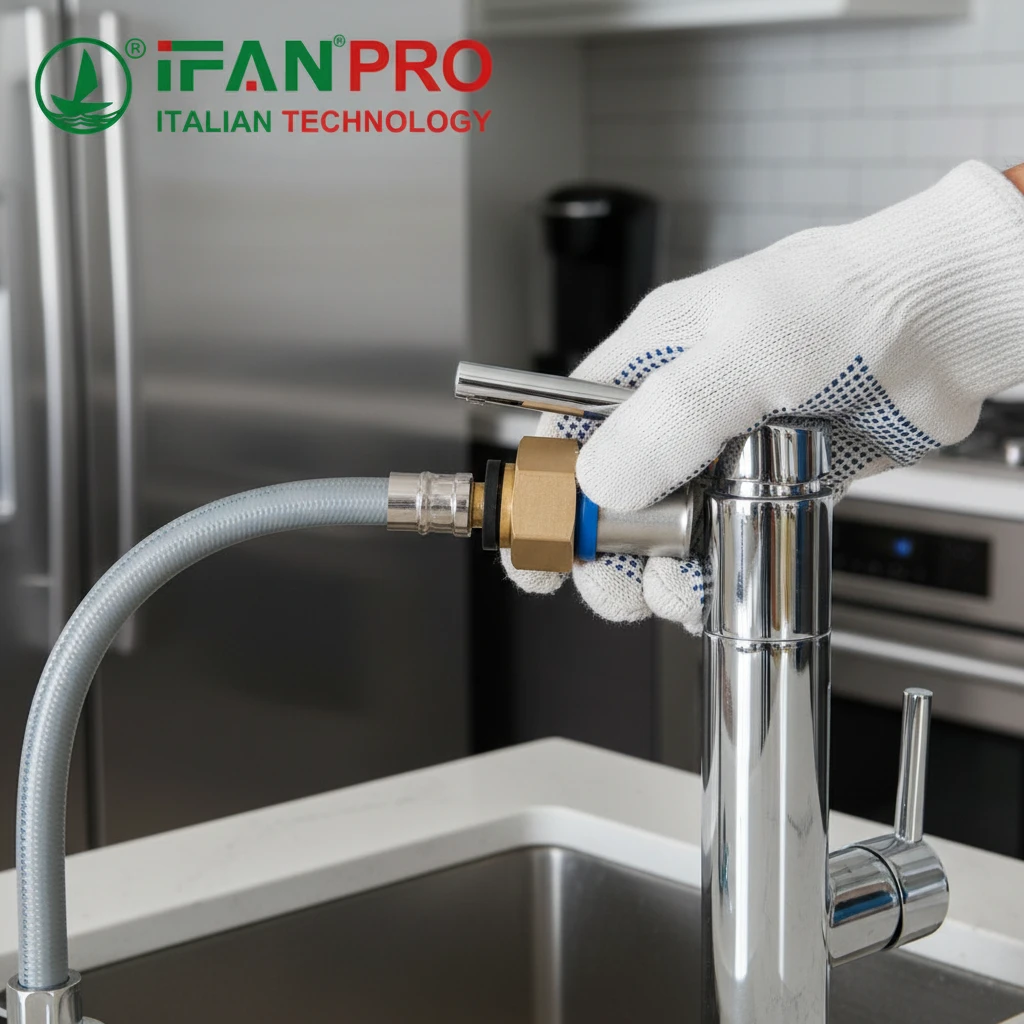
Cross-compatibility depends on three factors: thread standard (NPT vs. BSP), thread size (1/2″, 3/4″, etc.), and the connection type on your fixture. Most modern fixtures use standard female threads, but always verify before purchasing. Adapters exist for mismatched connections but add potential leak points.
Common Fixture Connection Types
Different fixtures use different connection methods. Understanding these helps you select correctly:
| Fixture Type | Typical Connection | Notes |
|---|---|---|
| Standard Faucets | 1/2″ female NPT or BSP | Most common worldwide |
| Toilet Supply Valves | 1/2″ or 3/8″ compression | May need adapter from union |
| Water Heaters | 3/4″ female NPT or BSP | Standard for tank connections |
| Hose Bibs | 3/4″ female garden hose thread | Different from pipe threads |
Mixing Pipe Materials
Your 121UC union connects PEX or PP-R pipes to fixtures, but what about mixing with existing metal pipes? This requires additional consideration.
When connecting PP-R to copper or galvanized steel, ensure your union has appropriate transition capabilities. Some unions include integrated brass threads for metal-to-plastic connections. Others require separate transition fittings.
The Adapter Solution
When direct compatibility doesn’t exist, adapters bridge the gap. However, each adapter adds another potential leak point and increases installation complexity. We recommend minimizing adapters where possible.
For example, if your system uses 18mm PEX but your fixture requires 1/2″ female threads, a properly selected 121UC union handles this directly. No adapter needed. But if your fixture requires 3/8″ compression, you will need an additional adapter from 1/2″ female to compression.
Verifying Before Purchase
We strongly recommend creating a connection diagram before ordering. List every connection point, its thread type and size, and the pipe size feeding it. Match this against your proposed union specifications. This simple step catches most compatibility issues before they become expensive mistakes.
Conclusión
Selecting the correct 121UC female union requires matching socket size, thread size, pressure ratings, and fixture compatibility. For guaranteed performance across all these factors, choose IFAN’s precision-engineered 121UC unions with clear specifications and broad compatibility.








 Español
  English
  Français
  Русский
Comentarios recientes