
1. Introducción
The safety and durability of underground water systems are critical for both residential and industrial applications. As a leading manufacturer of pipeline solutions, Yifan Pipeline understands the challenges of underground installations. This article explores whether PPR fittings are suitable for underground water systems, addressing common concerns and highlighting their advantages.
2. What Are PPR Fittings?
PPR (Polypropylene Random Copolymer) fittings are thermoplastic components designed to connect PPR pipes. They share the same chemical properties as PPR pipes, including:
- High resistance to corrosion and chemical degradation
- Flexibility to withstand temperature fluctuations
- Lightweight design for easy handling
- Long service life of up to 50 years
3. Challenges of Underground Water Systems
Underground environments present unique challenges:
- Soil Corrosion: Acidic or alkaline soil can degrade metal fittings
- Temperature Extremes: Wide temperature variations between seasons
- Hydrostatic Pressure: Constant water pressure from soil weight
- Root Penetration: Tree roots seeking water sources
- Mechanical Stress: Construction equipment or ground movement
4. Why PPR Fittings Are Ideal for Underground Use
4.1 Corrosion Resistance
PPR’s inert nature prevents reactions with soil chemicals, unlike galvanized steel or copper fittings.
4.2 Frost Resistance
PPR maintains structural integrity in freezing temperatures (-20°C to 95°C), avoiding burst risks during winter.
4.3 Longevity
With proper installation, PPR fittings outlast traditional materials like PVC, which degrade under UV exposure.
4.4 Leak Prevention
Hot-melt welded joints create seamless connections, eliminating leaks common in threaded metal fittings.
5. Key Installation Considerations
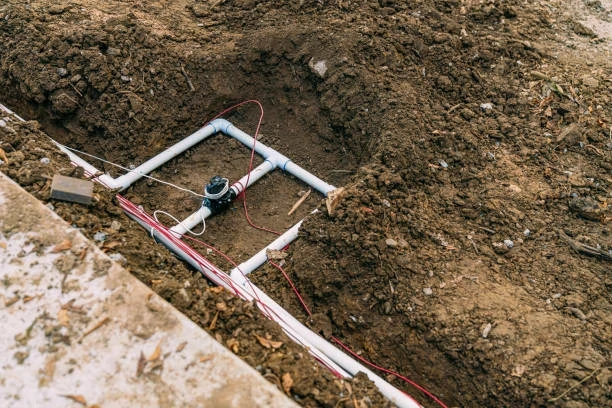
5.1 Burial Depth
- Minimum 60cm for residential systems
- 1-1.5m for industrial applications to avoid frost damage
5.2 Protective Layers
- Use sand bedding to prevent sharp stones puncturing pipes
- Install polyethylene jackets for extra protection in aggressive soil
5.3 Slope & Drainage
- Maintain 0.5-1% slope for proper water flow
- Install drain valves at low points to prevent water accumulation
5.4 Backfill Compaction
- Gradual compaction of backfill to avoid excessive pressure
6. Case Studies
6.1 Municipal Project in Chongqing
A 20km water main upgrade using PPR fittings reduced maintenance costs by 40% over 5 years compared to previous cast iron systems.
6.2 Rural Water Supply in Ethiopia
PPR fittings withstood extreme temperature variations and corrosive soil in a UN-sponsored project, providing safe water to 50,000 residents.
6.3 Industrial Complex in Texas
A petrochemical plant chose PPR fittings for their underground cooling system due to resistance to chemical-laden groundwater.
7. Yifan Pipeline’s Underground Solutions
As a leading PPR fittings manufacturer, we offer:
- Customized Fittings: Including elbows, tees, and flanges in DN15-DN300 sizes
- Corrosion-Resistant Coatings: For highly acidic/alkaline environments
- Integrated Design Services: From layout planning to pressure testing
- Certificaciones: Comply with ISO 9001, EN 12201, and NSF/ANSI 61
8. Maintenance Tips for Underground Systems
- Annual visual inspections of access points
- Pressure testing every 3 years
- Regular flushing to prevent sediment buildup
- Use of smart sensors for leak detection
9. Conclusión
PPR fittings provide a reliable, cost-effective solution for underground water systems when installed correctly. Their corrosion resistance, frost tolerance, and long lifespan make them ideal for challenging environments.




 Español
  English
  Français
  Русский
Comentarios recientes