
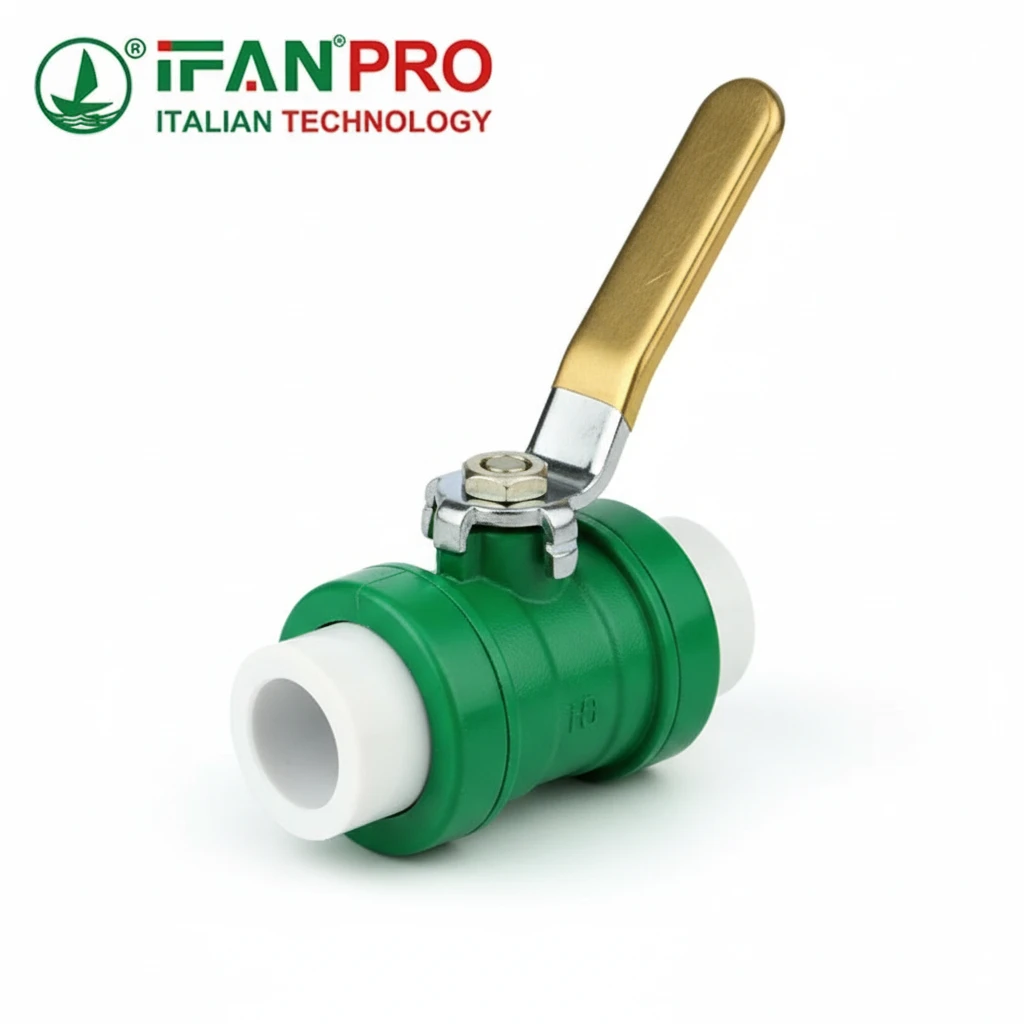
I once visited a client whose entire heating system failed because a cheap valve cracked under high temperature. That costly lesson taught me exactly what to look for in a reliable heating valve.
The best PPR valves for heating systems combine high temperature resistance (up to 90°C continuous), robust pressure ratings (PN20 or PN25), and durable brass or stainless steel cores. They also feature reinforced sealing mechanisms and carry international certifications like ISO, EN, or GOST to ensure both leak resistance and operational safety in closed-loop applications.
Let’s examine the critical factors that separate quality heating valves from potential system failures.
What Temperature and Pressure Ratings Are Essential for Heating System Valves?
Heating systems push materials to their limits. I’ve seen underspecified valves warp and fail within months of installation.
Essential temperature ratings for heating system valves include a minimum continuous operating temperature of 80°C, with 90°C or higher preferred for buffer. Pressure ratings must match or exceed the system’s maximum working pressure, typically PN20 (20 bar) for residential heating and PN25 (25 bar) for commercial applications. Valves should also withstand pressure spikes without deformation.
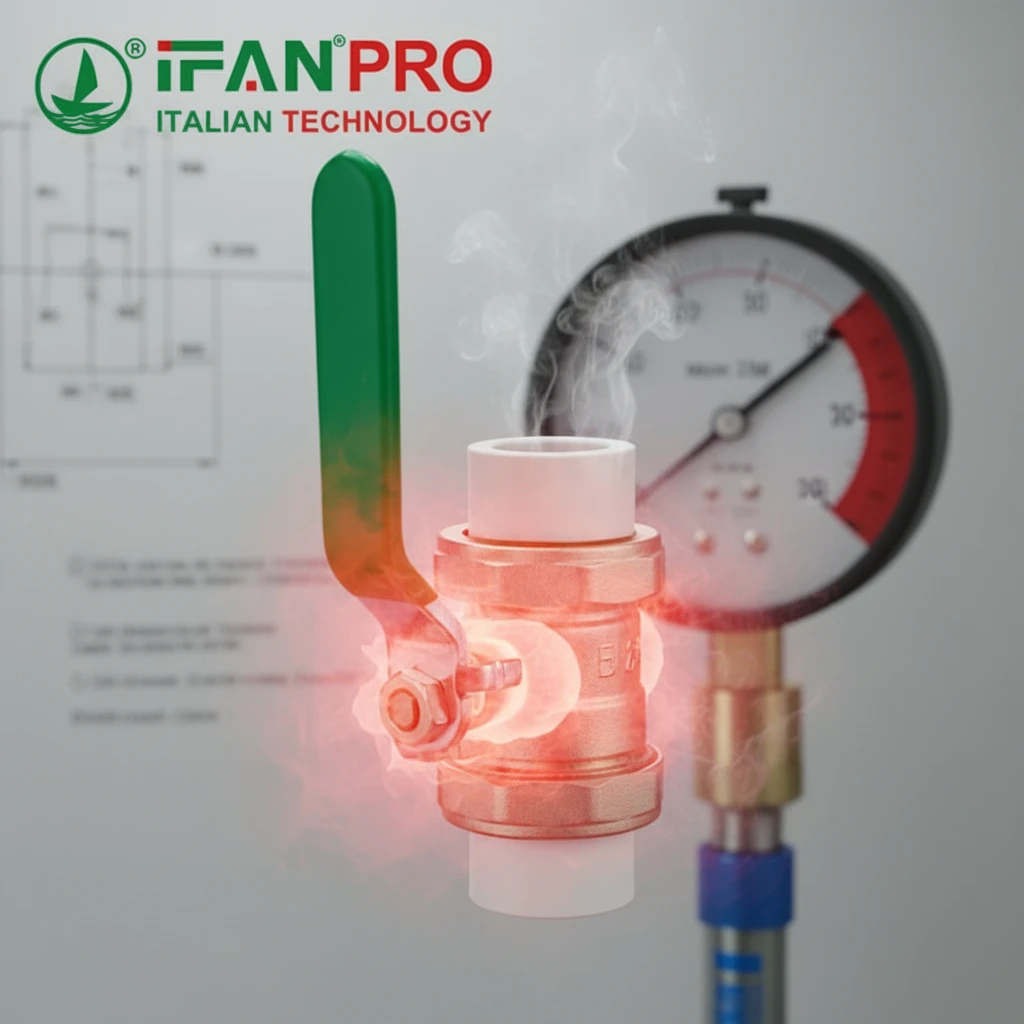
Understanding the Thermal Demands of Heating Systems
Heating systems operate differently than cold water plumbing. The water circulating through radiators, underfloor heating, or baseboard systems maintains elevated temperatures for extended periods. This constant thermal exposure creates unique challenges for valve materials.
The Temperature Factor:
Standard PPR pipes and fittings for cold water typically handle up to 60°C continuously. However, heating systems demand more. The valve must maintain its structural integrity at:
- Normal Operating Range: 70°C to 80°C for most residential systems
- Peak Conditions: 90°C to 95°C during boiler startup or extreme weather
- Short-Term Spikes: Up to 100°C in system malfunction scenarios
Materials degrade faster at higher temperatures. For every 10°C increase above 60°C, the pressure resistance of PPR materials decreases by approximately 10-15%. This is why valve specifications must account for both normal and extreme conditions.
The Pressure Factor:
Pressure ratings tell you how much internal force the valve body can handle before failing. Common ratings include:
| Presión nominal | Maximum Pressure | Typical Application |
|---|---|---|
| PN16 | 16 bar (232 psi) | Low-rise residential, cold zones only |
| PN20 | 20 bar (290 psi) | Standard residential heating systems |
| PN25 | 25 bar (363 psi) | High-rise buildings, commercial heating |
| PN30+ | 30 bar+ (435 psi+) | Industrial, district heating networks |
The rating must account for both static pressure and water hammer effects. Water hammer occurs when fast-closing valves suddenly stop moving water, creating pressure spikes that can exceed the system’s normal operating pressure by several times.
The Combined Effect: Temperature + Pressure
The real challenge comes from the combination of high temperature and high pressure working together. A valve rated for 90°C at low pressure might fail when both temperature and pressure peak simultaneously.
Quality manufacturers provide pressure-temperature derating curves. These charts show how the maximum allowable pressure decreases as temperature increases. For heating applications, always select valves rated for the worst-case combination you expect.
From IFAN’s experience, we recommend selecting valves with ratings at least 20% above your calculated maximum requirements. This safety margin accounts for manufacturing tolerances, installation variations, and long-term material creep.
How Does the Brass Core Maintain Integrity Under Continuous Thermal Stress?
The plastic body provides insulation, but the brass core handles the mechanical work. I’ve examined failed cores where cheap brass simply crumbled after a few heating cycles.
A quality brass core maintains integrity under thermal stress through its material composition and precision machining. Lead-free brass or DZR (dezincification resistant) brass resists corrosion and metal fatigue during repeated heating and cooling cycles. The core’s design also accommodates thermal expansion without binding or seizing, ensuring smooth operation over decades of use.
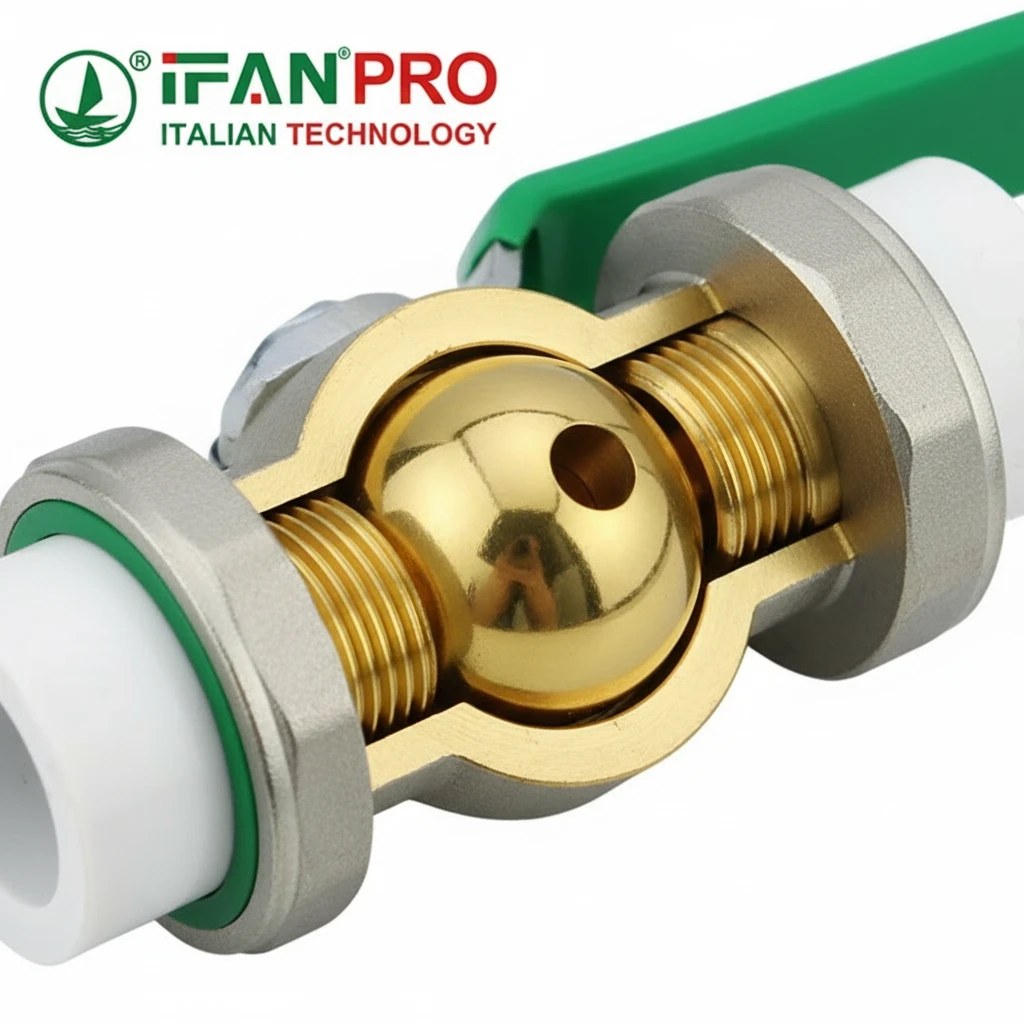
Why Brass? The Material Science Behind Valve Cores
Manufacturers choose brass for valve cores because it offers an ideal balance of properties:
- Strength: Withstands internal pressure without deforming
- Machinability: Allows precise manufacturing of sealing surfaces and threads
- Thermal Conductivity: Helps dissipate heat evenly
- Corrosion Resistance: Survives years of water exposure
However, not all brass performs equally under heating system conditions. The specific alloy composition makes a significant difference.
The Problem with Standard Brass
Standard brass contains approximately 60-70% copper and 30-40% zinc. In certain water conditions, especially at elevated temperatures, a phenomenon called dezincification occurs. This involves zinc selectively leaching out of the alloy, leaving behind a porous, weak copper structure. The brass turns reddish, becomes brittle, and eventually crumbles.
Dezincification accelerates under:
- High temperatures (above 60°C)
- Soft water or water with high chloride content
- Stagnant conditions
- Oxygen-rich environments
All these factors exist in typical heating systems, making dezincification a real threat to valve longevity.
The Solution: DZR and Lead-Free Brass
DZR (Dezincification Resistant) Brass: Manufacturers specially formulate this alloy to resist dezincification. By adding small amounts of arsenic, antimony, or phosphorus, they stabilize the brass structure. DZR brass undergoes strict testing (ISO 6509) to verify its resistance.
Lead-Free Brass: Health and environmental regulations increasingly require lead-free materials for potable water. While heating systems aren’t always classified as potable, lead-free brass offers additional benefits. It typically has a more uniform grain structure and better corrosion resistance than leaded alternatives.
The table below compares different brass types for heating applications:
| Brass Type | Composition | Thermal Resistance | Corrosion Resistance | Best Application |
|---|---|---|---|---|
| Standard Brass | CuZn40Pb2 | Moderate | Low | Cold water only |
| DZR Brass | CuZn36As | High | High | Heating systems, aggressive water |
| Lead-Free Brass | CuZn21Si3P | High | Very High | Potable water, premium heating |
| Forged Brass | Various | Very High | High | High-pressure, critical systems |
Design Considerations for Thermal Cycling
Beyond material selection, the core’s design must accommodate thermal cycling. As temperatures change, the brass core expands and contracts. Poor designs can cause:
- Binding: The valve stem seizes in the closed or open position
- Leakage: Sealing surfaces separate as components move
- Fatigue: Repeated stress cycles eventually crack the metal
Quality manufacturers address these issues through:
- Clearance Tolerances: Allowing adequate space for expansion
- Guide Surfaces: Keeping the stem aligned during movement
- Material Matching: Using compatible metals throughout the assembly
IFAN specifies DZR brass cores for all heating system valves. We’ve seen them perform flawlessly in Russian heating systems where winter temperatures fluctuate dramatically and summer shutdowns create stagnant conditions.
Why Is a Leak-Proof Seal Paramount in Closed-Loop Heating Applications?
A small leak in a drain line causes a puddle. A small leak in a heating system causes system-wide failure. The difference matters enormously.
A leak-proof seal is paramount in closed-loop heating because even minor leaks introduce oxygen into the system, accelerating corrosion throughout all components. They also cause pressure loss, reducing system efficiency and potentially leading to boiler lockout or pump damage. Additionally, leaks waste treated water containing costly corrosion inhibitors, compromising long-term system protection.
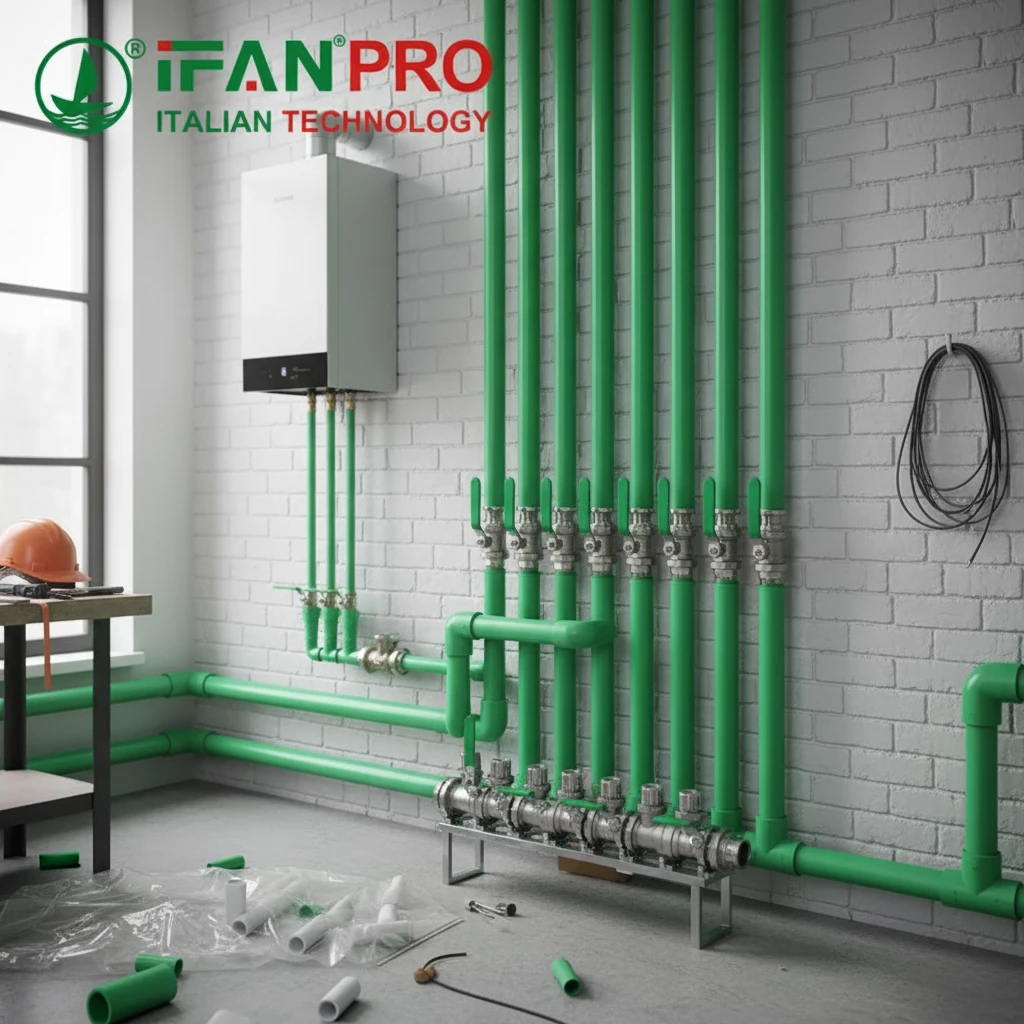
The Cascade Effect of a Single Leak
A closed-loop heating system relies on complete isolation from the atmosphere. This sealed environment allows precise control of pressure, temperature, and water chemistry. When a valve leaks, it breaks this seal and triggers a cascade of problems:
1. Oxygen Ingress:
Water normally contains dissolved oxygen. However, in a properly sealed system, this oxygen quickly reacts with internal surfaces and depletes. Once depleted, corrosion stops. A leak allows fresh, oxygenated water to enter (or air to be drawn in during cooling cycles). This replenishes the oxygen supply, restarting corrosion throughout the entire system.
The result? Radiators develop pinhole leaks. Pipe walls thin. Pump impellers erode. Boiler heat exchangers fail. All because one valve allowed oxygen entry.
2. Pressure Instability:
Heating systems maintain specific pressure ranges for proper operation. Too low, and pumps cavitate or boilers lock out. Too high, and safety valves discharge. A small leak gradually reduces system pressure, triggering automatic makeup water valves. Each makeup cycle introduces fresh oxygen and minerals, compounding the corrosion problem.
3. Inhibitor Dilution:
Professional installers add corrosion inhibitors to heating system water. These chemicals coat internal surfaces and neutralize corrosive elements. When leaks trigger makeup water addition, they dilute these inhibitors. Eventually, the protection fails entirely, leaving the system vulnerable.
Common Leak Points in Heating Valves
Based on IFAN’s field experience, here’s where heating valves most frequently leak:
| Leak Location | Primary Cause | Consequence |
|---|---|---|
| Stem Seal | Worn O-ring, stem surface damage | Gradual weeping, oxygen ingress |
| Bonnet Threads | Insufficient thread sealant, thermal cycling | Pressure loss, external dripping |
| Body-Fitting Joint | Improper installation, overtightening | Immediate leakage, system drain-down |
| Seat Seal | Debris, seat damage, thermal deformation | Internal leakage (cross-port), efficiency loss |
The Hidden Danger: Internal Leakage
External leaks are obvious. Water dripping from a valve demands attention. However, internal leakage proves equally damaging but much harder to detect.
Internal leakage occurs when the valve’s sealing surfaces fail to close completely. Hot water bypasses the closed valve, flowing through radiators or zones that should be off. This wastes energy, reduces control accuracy, and can overheat spaces. Over time, the constant flow erodes sealing surfaces, worsening the leak.
In heating systems, the consequences include:
- Stratification: Hot and cold layers form in storage tanks
- Short Cycling: Boilers turn on and off frequently as heat escapes
- Comfort Issues: Rooms never reach set temperatures
- Energy Waste: Typically 10-20% higher energy bills
The Solution: Multiple Redundancy
Quality heating valves incorporate multiple sealing barriers:
Primary Seal: The main sealing surface between valve seat and closure member (ball, disc, or plug). This stops flow when the valve closes.
Secondary Seal: Stem seals (O-rings, gland packings) prevent water from escaping along the rotating or sliding stem.
Tertiary Seal: Bonnet gaskets or thread sealants prevent leakage through assembly joints.
The best designs also include blowout-proof stems that cannot eject under pressure and self-adjusting stem seals that maintain compression as materials age.
IFAN’s heating valves use EPDM O-rings specifically formulated for continuous hot water exposure. They maintain elasticity for decades, ensuring the secondary seal remains intact even after thousands of thermal cycles.
What Certifications Should Heating System Valves Carry for Safety Compliance?
Certifications aren’t just paperwork. They represent independent verification that a product meets established safety and performance standards.
Heating system valves should carry certifications that verify pressure-temperature ratings, material safety, and manufacturing quality. Key certifications include ISO 9001 for quality management, EN 12108 for plastics piping systems, GOST-R for Russian markets, and WRAS or KIWA for potable water contact. Valves should also comply with regional pressure equipment directives (PED in Europe, TP TC 032 in Eurasian Economic Union).
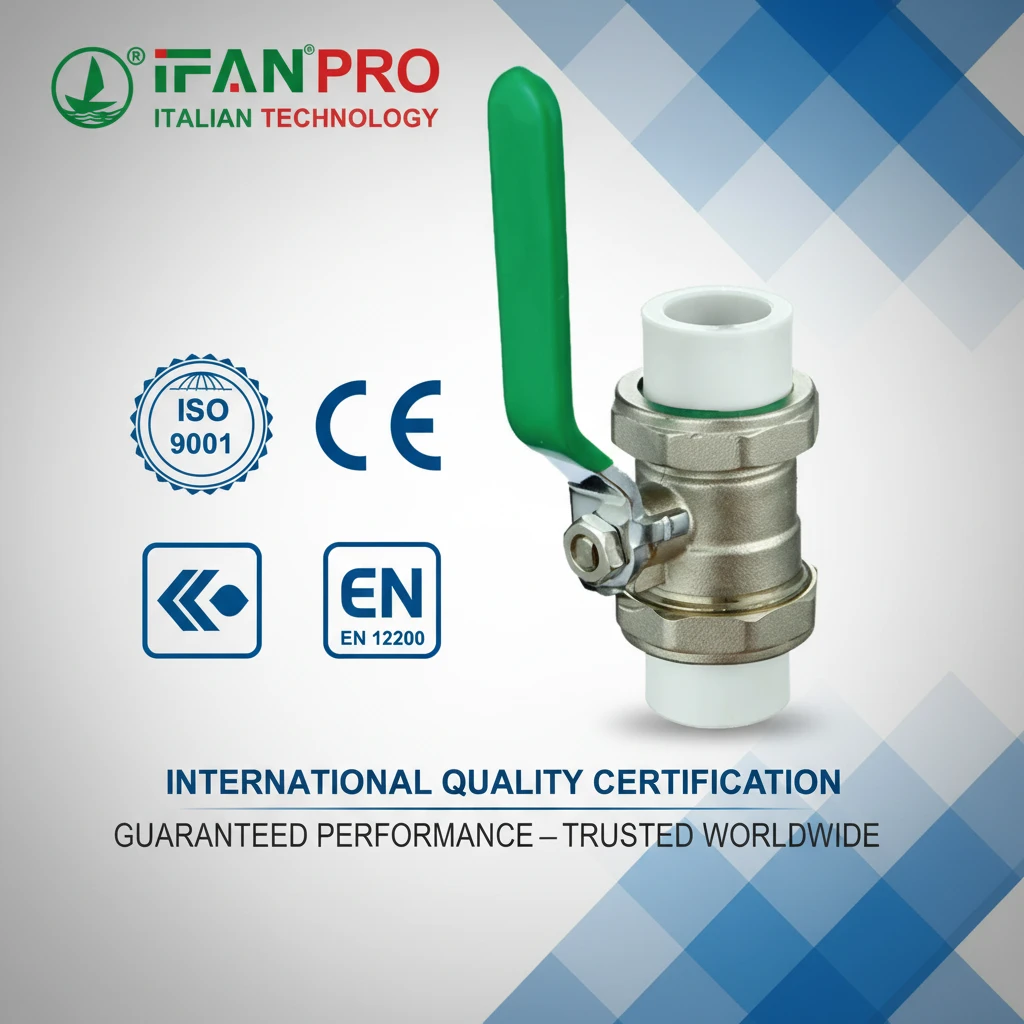
Why Certifications Matter
Certifications provide objective evidence that a product meets specific requirements. They protect both the installer and the end user by ensuring:
- Consistent Quality: Products meet documented standards
- Traceability: Materials and processes can be verified
- Accountability: Manufacturers commit to ongoing compliance
- Legal Compliance: Products meet regulatory requirements
Without certifications, you rely entirely on the manufacturer’s claims. Given the consequences of valve failure, independent verification proves essential.
Key Certifications Explained
ISO 9001: Quality Management Systems
This certification doesn’t directly test products. Instead, it verifies that the manufacturer maintains consistent quality control processes. It ensures traceability, documented procedures, and continuous improvement. While not product-specific, ISO 9001 indicates a serious manufacturer.
ISO 15874: Plastics Piping Systems for Hot and Cold Water Installations
This international standard specifically covers PPR materials and products. Compliance ensures:
- Material classification (PP-R 100, PP-RCT)
- Dimensional accuracy
- Mechanical strength requirements
- Thermal stability
EN 12108: Plastics Piping Systems – Valves
This European standard addresses valve performance in plastics piping systems. It covers:
- Operating characteristics
- Test methods
- Requirements for valve body strength
- Sealing performance
Regional Certifications:
| Market | Key Certification | What It Covers |
|---|---|---|
| Russia/CIS | GOST-R, EAC (TP TC 032) | Pressure equipment safety, material compliance |
| Europe | CE (PED 2014/68/EU), DVGW, KIWA | Pressure equipment directive, drinking water safety |
| UK | WRAS, BSI Kitemark | Drinking water safety, product quality |
| North America | NSF/ANSI 61, UL/cUL | Drinking water components, safety standards |
| Global | ISO 9001, ISO 15874 | Quality management, product standards |
Material-Specific Certifications
For heating valves, material certifications prove equally important:
WRAS (UK) and KIWA (Netherlands): These certifications verify that materials in contact with water won’t leach harmful substances or support bacterial growth. Even for closed heating systems, these certifications indicate high material quality.
NSF/ANSI 61 (USA): Similar to WRAS, this standard ensures drinking water safety. Manufacturers meeting this standard typically use higher-grade materials.
DZR Brass Certification: Specific tests (ISO 6509) verify that brass resists dezincification. Look for documented test results, not just claims.
Red Flags: When Certifications Are Missing
IFAN’s experience shows that uncertified products often hide behind excuses:
- “Our products meet the same standards” — without certification, you cannot verify this
- “Certifications cost too much” — legitimate manufacturers budget for compliance
- “We have internal testing” — internal tests lack independence and rigor
- “The customer never asked before” — past silence doesn’t justify current risk
Practical Verification Steps
When evaluating heating valves, take these practical steps:
- Request Certification Copies: Legitimate suppliers provide certificates readily
- Verify Scope: Ensure the certificate covers the specific product, not just the factory
- Check Expiration: Certifications require renewal; expired certificates indicate problems
- Contact Issuing Body: For critical applications, verify directly with the certification body
IFAN maintains current certifications for all heating system products. We provide documentation upon request and welcome independent verification.
Conclusión
Quality heating valves combine proper temperature-pressure ratings, durable brass cores, robust sealing, and recognized certifications. For reliable heating system performance, choose IFAN’s certified PPR heating valves with DZR brass cores and EPDM seals rated for continuous 95°C operation.





 Español
  English
  Français
  Русский
Comentarios recientes