
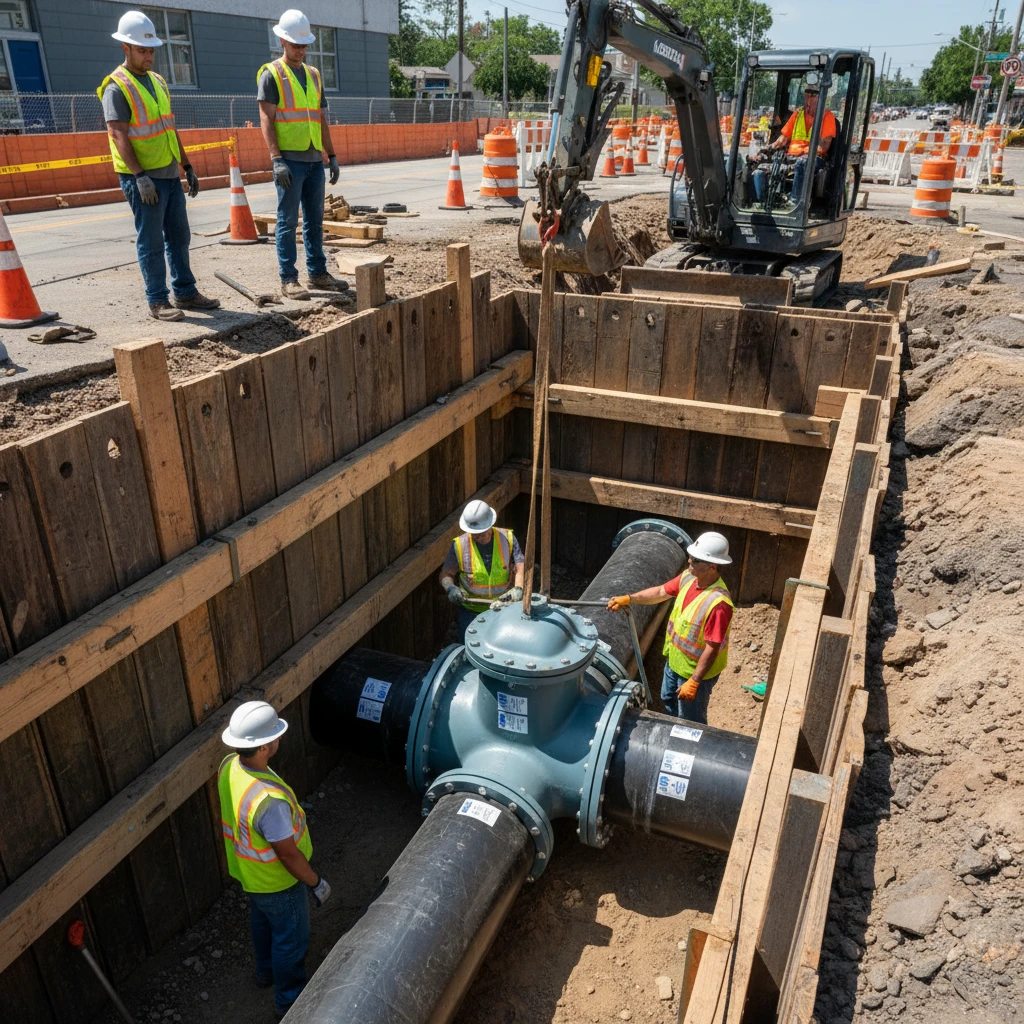
A client once sent me a failed valve spec sheet, asking why their project got rejected. The missing AWWA certification was the clear culprit, a costly lesson in industrial standards.
Yes, large series PVC valves (typically 4 inches and above) can and must meet specific AWWA standards for use in municipal, industrial, and irrigation water systems. AWWA standards, such as C509 for resilient-seated gate valves and C515 for butterfly valves, define the strict material, design, pressure, and performance requirements that ensure reliability in demanding water service applications.
Understanding this compliance is not just about checking a box; it’s about ensuring system longevity and safety. Let’s break down exactly what this means for your project.
Which Specific AWWA Standards Apply to Large Series PVC Valve Specifications?
Procurement managers often get confused by the alphabet soup of standards. I simplify it by focusing on the two most critical documents for PVC valves.
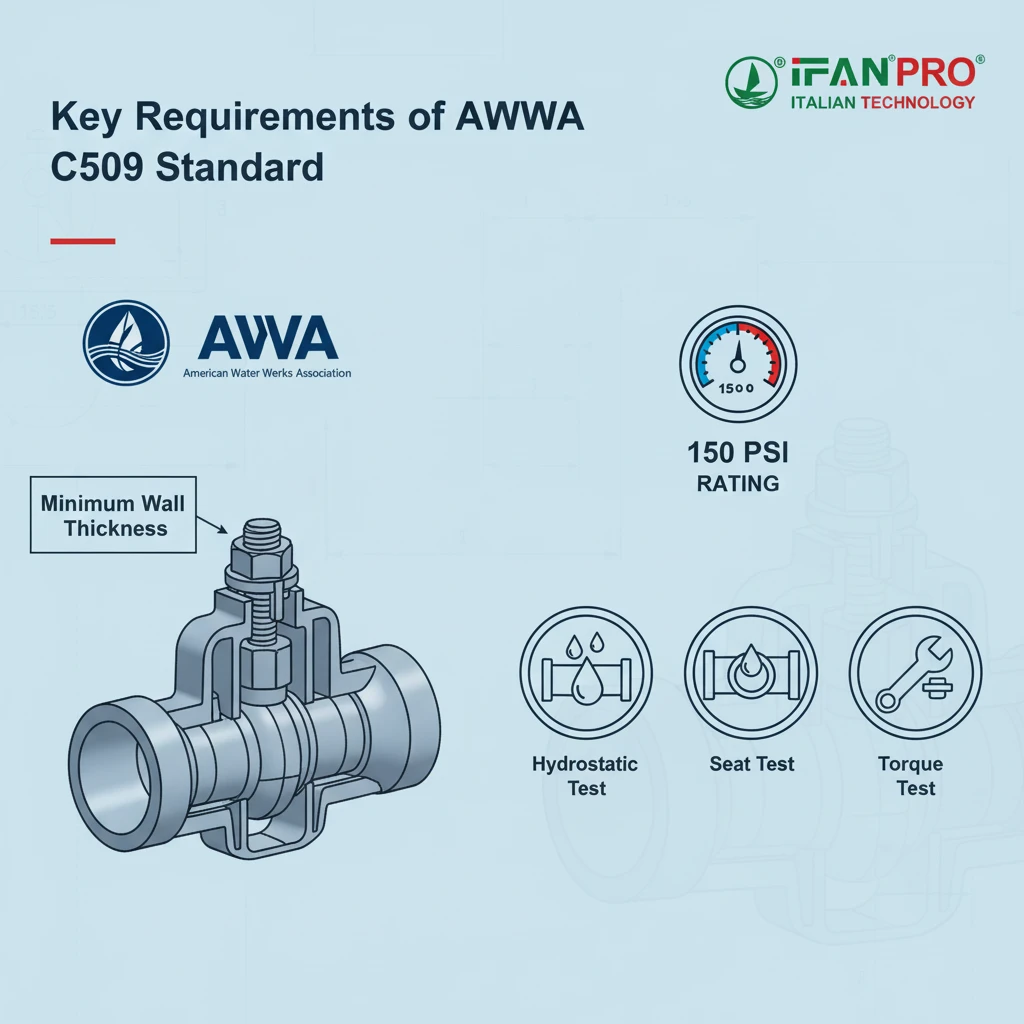
The primary AWWA standards for large series PVC valves are AWWA C509 for underground gate valves and AWWA C515 for butterfly valves. These standards comprehensively cover material composition, minimum wall thickness, design requirements, pressure ratings (like 150 PSI), and performance testing to ensure valves can withstand decades of buried or mechanical service.
The Two Pillars: C509 and C515
When specifying large PVC valves, you are mainly dealing with two types: gate valves and butterfly valves. The American Water Works Association (AWWA) has a dedicated standard for each. These are not mere guidelines but are legally referenced in countless municipal and engineering codes across the United States and other countries.
AWWA C509 applies to resilient-seated gate valves for water and wastewater service. This standard is crucial for valves used in isolation and shut-off applications. It dictates everything from the valve’s end connections (like bell ends or flanges) to the thickness of the PVC body. Most importantly, it defines the requirements for the elastomeric seal, which ensures a bubble-tight shut-off. Valves meeting C509 are designed for direct burial and long-term cyclic operation.
AWWA C515 covers butterfly valves in water and wastewater systems. Butterfly valves are popular for flow control in larger diameters because they are more compact and cost-effective than gate valves. This standard specifies requirements for the disc, the seat, the shaft, and the operating mechanism. It ensures the valve can handle full-rated pressure in both flow directions and operate smoothly for its entire service life.
Key Requirements Detailed in These Standards
These documents are extensive, but their core demands fall into a few critical categories that directly impact valve quality:
- Material Specifications: The standards mandate the use of specific, high-grade PVC material (e.g., Cell Classification 12454-B per ASTM D1784). This guarantees the raw plastic has the necessary strength, durability, and chemical resistance.
- Design and Dimensions: They provide detailed dimensional tables. For example, they set the minimum wall thickness for each valve size and pressure class. A thinner wall might save cost but will fail under surge pressure or long-term stress.
- Performance Testing: Compliance is proven through rigorous tests. Valves must pass shell tests (holding pressure without leaking), seat tests (bubble-tight shut-off), and operational torque tests (ensuring the valve can be opened/closed easily, even after thousands of cycles).
Common AWWA Standards for PVC Valves
The table below summarizes the key standards you need to know.
| AWWA Standard | Valve Type | Primary Application | Key Focus Areas |
|---|---|---|---|
| C509 | Resilient-Seated Gate Valve | Water/Wastewater Isolation & Shut-off | Body strength, elastomeric seal integrity, burial suitability. |
| C515 | Butterfly Valve | Water/Wastewater Flow Control | Disc/shaft design, bi-directional sealing, operational torque. |
| C900 | PVC Pressure Pipe | Pipe Systems | Pipe dimensions, pressure rating, joint performance. (Note: For pipe, but valves must be compatible) |
In short, if your project specifications mention AWWA, you must confirm your large series PVC valves comply with the relevant C509 or C515 standard. Using a non-compliant valve risks rejection by the engineering firm, failure during pressure tests, or premature breakdown in the field.
How Can You Verify AWWA Standard Compliance for PVC Valve Certifications?
You can’t just take a supplier’s word for it. I always tell clients that verification is a three-step process: request, review, and confirm.
You verify AWWA compliance by first requesting the official certification report from the manufacturer, then reviewing it for the correct standard (e.g., C509) and scope, and finally confirming its validity through the listing agency’s online directory or by checking for the agency’s mark physically stamped on the valve body.

Step 1: Request the Right Documents
The first step is to formally request proof from your supplier. Do not accept a simple “yes, we are compliant” in an email. You need tangible, third-party documentation.
Ask for the “AWWA Certification Report” or “Listing Report.” This document is issued by an independent testing and certification agency accredited to evaluate products against AWWA standards. Reputable agencies include NSF International, UL (Underwriters Laboratories), and IAPMO. The report is the cornerstone of verification.
Step 2: Review the Report Critically
Once you receive the report, inspect it carefully. A real certification document is not a brochure; it is a detailed technical dossier.
- Check the Standard: Ensure the report explicitly lists AWWA C509 or AWWA C515. Sometimes a valve may be certified to a different standard (like ASTM), which is not an acceptable substitute for AWWA-specific projects.
- Verify the Scope: Look at the “Scope of Listing” section. It should include the exact sizes, pressure classes, and end types (flanged, bell, etc.) of the valves you are ordering. A certification for 8″ valves does not automatically cover 12″ valves.
- Identify the Manufacturer: Confirm the manufacturer’s name and factory address on the report match your supplier’s claims. This prevents issues with subcontracted or white-label products.
- Note the Expiry Date: Certifications are not always permanent. Ensure the report is current and valid.
Step 3: Confirm with the Agency and Physical Markings
For ultimate due diligence, take verification one step further.
- Online Directory Check: Major listing agencies maintain online databases. You can visit the NSF, UL, or IAPMO website, search by the manufacturer’s name or report number, and confirm the product’s active listed status.
- Physical Product Marking: A truly compliant valve will have the certification mark permanently stamped or molded onto the valve body. Look for markings like “NSF-pw” (for potable water) or “UL” alongside the AWWA standard (e.g., “AWWA C509”).
AWWA Compliance Verification Checklist
Use this table as a practical guide during your procurement process.
| Verification Step | What to Ask For / Look For | Why It’s Important |
|---|---|---|
| Document Request | Official AWWA Certification Report from NSF, UL, or IAPMO. | Replaces supplier promises with independent proof. |
| Report Review | Correct standard (C509/C515), product scope, valid dates. | Ensures the specific valve you’re buying is covered. |
| Agency Confirmation | Cross-check listing in the agency’s online database. | Protects against forged or outdated documents. |
| Physical Inspection | Certification mark (e.g., NSF-pw) stamped on the valve body. | Provides final, on-site confirmation of compliance. |
By following this process, you shift from hoping a valve is compliant to knowing it is. This protects your project from costly delays, replacements, and liability issues.
What Are the Key Differences Between AWWA and Other PVC Valve Standards?
Choosing the wrong standard is a common and expensive mistake. I’ve seen projects specify the cheaper option, only to face failures later.
The key difference is that AWWA standards (C509/C515) are performance-based specifications for heavy-duty water system valves, focusing on long-term reliability under burial and cyclic loads. In contrast, other common standards like ASTM or manufacturer specs are often material or dimension-focused and may not guarantee the same level of system integration and durability for municipal applications.

AWWA vs. ASTM: Purpose and Philosophy
To understand the difference, think about their core purpose. AWWA standards are application-specific. They are written by water industry experts for valves that will be buried, operated infrequently, and must last 50+ years in potable water systems. They simulate real-world conditions like surge pressure and corrosion.
ASTM standards are often material or test method standards. For example, ASTM D1784 classifies PVC materials. A valve can be made from an ASTM-classified material but still not be designed or tested to meet the comprehensive system demands of an AWWA standard. AWWA standards reference ASTM materials but then add many more layers of requirements.
AWWA vs. “Manufacturer’s Standard”
Many suppliers offer valves built to their own “commercial” or “industrial” standard. These are typically cost-optimized designs for lower-pressure or less critical applications, like agricultural irrigation or pool systems.
Here is a clear breakdown of the critical distinctions:
- Wall Thickness: AWWA standards mandate minimum wall thicknesses to withstand external burial loads and internal pressure surges. Commercial standards often use thinner walls to save on material cost, making the valve more susceptible to damage.
- End Connections: AWWA valves are designed for direct integration with AWWA C900/C905 PVC pipe. Their dimensions and joint types (like bell ends) ensure a perfect, leak-free fit. A commercial valve might have “standard” dimensions that don’t match properly, leading to installation headaches and potential leaks.
- Performance Testing: As noted, AWWA requires shell, seat, and torque testing. A manufacturer’s standard might only require a simple pressure test, which doesn’t prove long-term cycle life or sealing integrity.
- Certification: AWWA compliance requires independent third-party certification. A “manufacturer’s standard” is self-declared, with no external verification.
Comparison Table: AWWA vs. Typical Commercial Standards
| Feature | AWWA Standard (C509/C515) | Typical Commercial/Industrial Standard |
|---|---|---|
| Governed By | American Water Works Association | Individual Manufacturer |
| Primary Goal | Long-term reliability & safety in public water systems | Cost-effectiveness for general purpose use |
| Wall Thickness | Defined minimums for each size/pressure class | Often thinner to reduce material cost |
| Pruebas | Mandatory shell, seat, cycle, and torque tests by independent lab | Usually basic factory hydrostatic pressure test |
| Certification | Third-party certification (NSF, UL) required | Self-certified by manufacturer |
| Ideal Use Case | Municipal water, wastewater, major irrigation mains | Light-duty irrigation, pool systems, industrial process water |
The Risk of Using the Wrong Standard
Using a non-AWWA valve in an AWWA-specified project is a major risk. The engineer or municipality can rightfully reject the installation. Even if installed, the valve is more likely to fail from soil loading, pressure surges, or wear, leading to water loss, service disruption, and very high replacement costs. Always match the standard to the project’s specification and intended service life.
How Does AWWA Compliance Affect PVC Valve Performance and Selection Criteria?
AWWA compliance isn’t just paperwork; it’s the single biggest predictor of field performance. It simplifies selection by giving you clear, non-negotiable criteria.
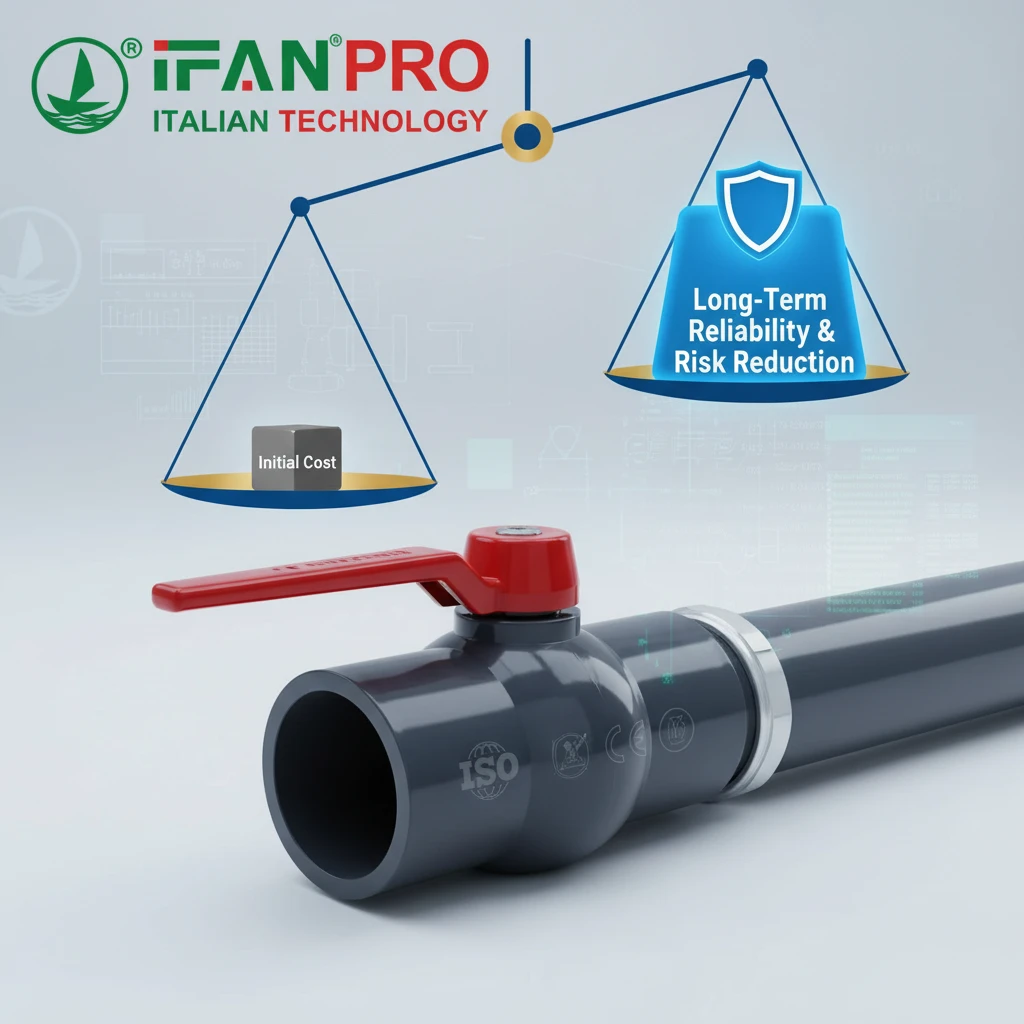
AWWA compliance directly ensures superior performance in pressure integrity, sealing reliability, and long-term durability. For selection, it mandates specific criteria: you must choose valves with the correct pressure class (e.g., Class 150), appropriate end type for your pipe, and independent certification, moving focus away from just price to verified value and risk reduction.
Direct Impact on Critical Performance Metrics
When a valve is designed and tested to AWWA standards, its performance is enhanced in several key, measurable ways:
- Pressure and Surge Withstand: The mandated minimum wall thickness and rigorous shell test mean the valve body can handle not only the static working pressure (e.g., 150 PSI) but also the inevitable pressure surges (water hammer) that occur in pipelines. A non-compliant valve might crack under these transient conditions.
- Bubble-Tight Sealing: The seat test requirement guarantees a leak-free shut-off. This is critical for isolating sections of pipeline for maintenance without losing water or for preventing backflow. Over time, the quality of the elastomer specified in the standard ensures the seat doesn’t degrade, maintaining the seal.
- Cyclic Endurance: Valves in municipal systems may not be operated for years, but then must work perfectly. AWWA standards consider this. The required materials resist becoming brittle or fused in place. The torque testing ensures the valve will still be operable after long periods of stagnation.
- Burial Suitability: AWWA valves are engineered for direct burial. Their design accounts for the constant stress from soil and traffic loads above. Using a valve not built for this can lead to collapse or joint failure underground.
A Framework for Smart Valve Selection
Knowing a project requires AWWA compliance transforms your selection process from a confusing comparison of brochures into a structured evaluation.
Your selection checklist becomes clear and non-negotiable:
- 1. Pressure Class: Match the valve’s pressure rating (e.g., Pressure Class 150) precisely to your system’s requirements. Do not downgrade.
- 2. Size and End Type: Select the exact nominal size (e.g., 12-inch) and end connection type (Flanged, Bell End, etc.) that matches your existing or specified piping (AWWA C900 pipe).
- 3. Certification Proof: Prioritize suppliers who can instantly provide the official third-party certification report. This is your primary filter.
- 4. Manufacturer Reputation: Choose manufacturers with a proven track record in the waterworks industry. Longevity indicates consistent quality.
- 5. Total Cost of Ownership: While the initial price of an AWWA valve is higher, its 50+ year service life and near-zero failure rate make it cheaper over time. Factor in the high cost of digging up and replacing a failed valve.
How Compliance Guides Decision-Making
The table below shows how AWWA requirements shift your focus during the procurement process.
| Selection Factor | Without AWWA Requirement (Price-Driven) | With AWWA Requirement (Value & Risk-Driven) |
|---|---|---|
| Primary Decider | Lowest Initial Price | Proof of Certification & Compliance |
| Garantía de calidad | Supplier’s verbal assurance. | Independent 3rd-party test report. |
| Key Specifications | “Size” and “Pressure.” | “AWWA C509,” “Class 150,” “NSF-listed.” |
| Long-Term View | Often ignored. | Central to the decision; calculates failure risk. |
| Negotiation Basis | Price per unit. | Value of reliability, certification, and service. |
In essence, AWWA compliance gives you a precise, high-performance product and a rigorous process for selecting it. It protects your project from the severe operational and financial risks of valve failure.
Conclusión
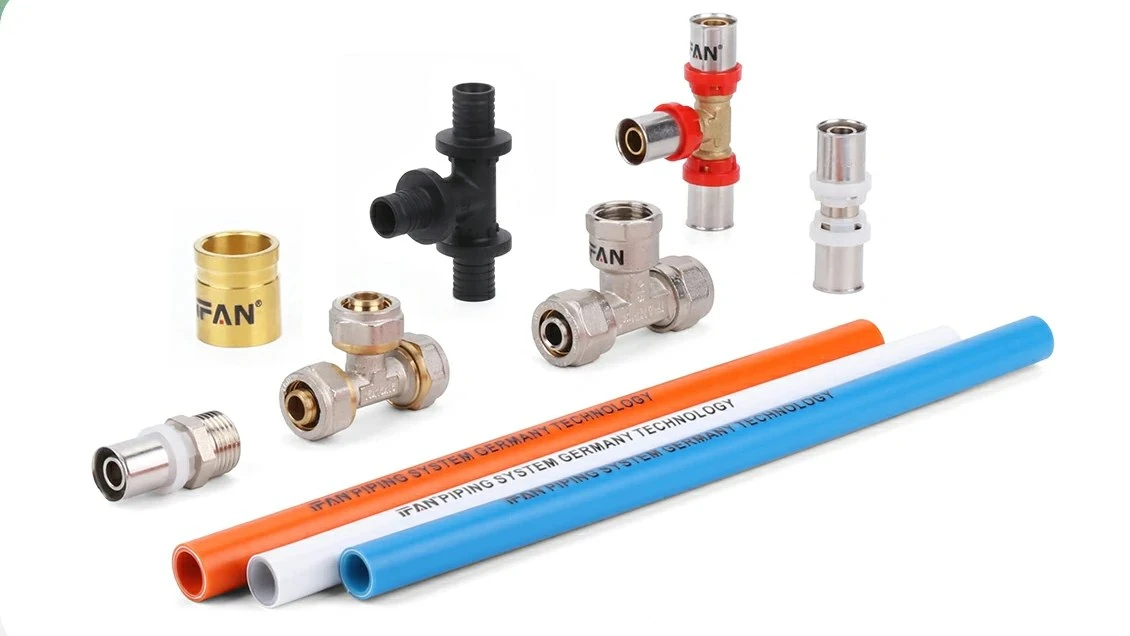
AWWA standards are essential for reliable, long-lasting large PVC valves in water systems. For guaranteed compliant valves, choose the IFAN AWWA-C509/C515 Certified PVC Valve Series for your next project.





 Español
  English
  Français
  Русский
Comentarios recientes