
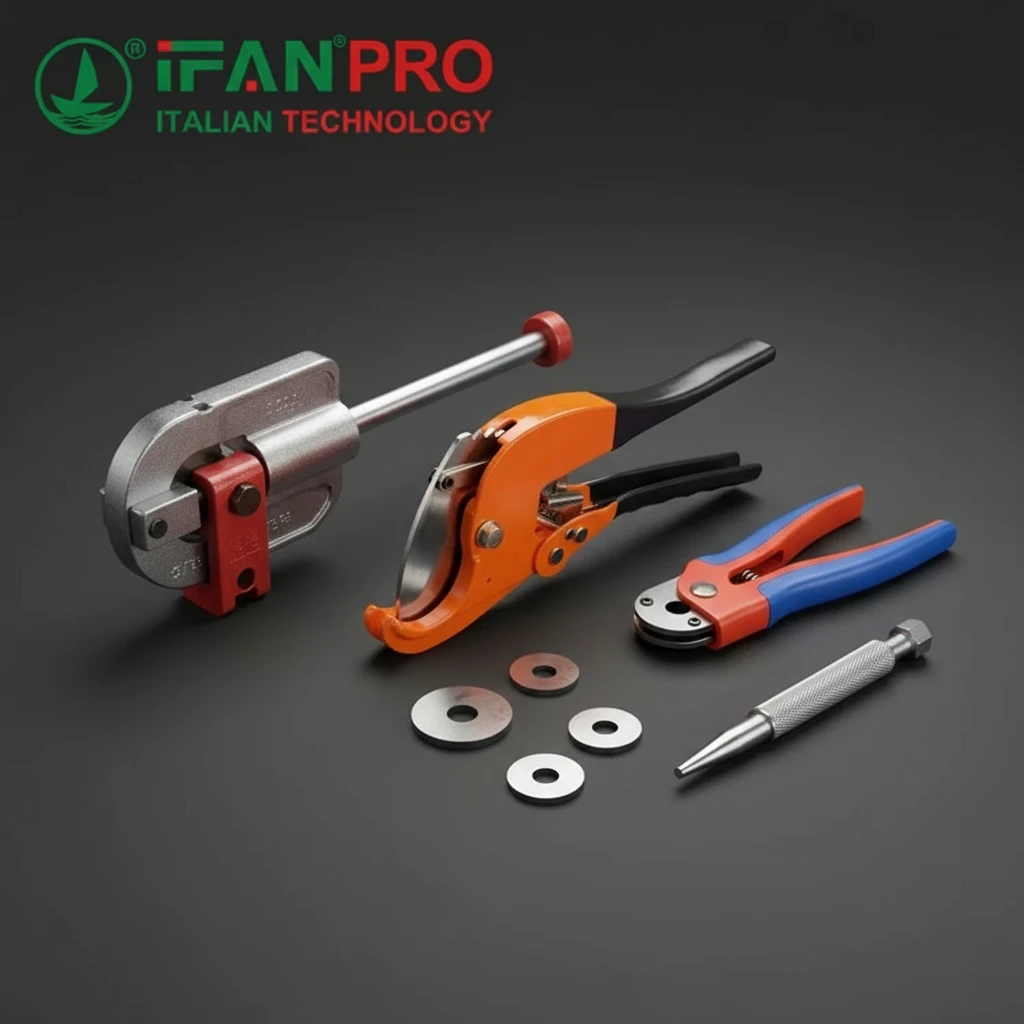
I’ve seen too many plumbing jobs delayed by jagged, uneven pipe cuts made with basic saws. A clean cut is the foundation of a perfect installation, and that’s where the right tool makes all the difference.
Professional pipe cutters are absolutely worth the investment for anyone doing regular plumbing work. They deliver cleaner, square cuts that ensure leak-proof fittings, drastically speed up installation time, and reduce material waste. For contractors and serious DIYers, the tool pays for itself by preventing costly callbacks and rework.
If you’re still using a hacksaw, let me walk you through exactly why upgrading is a smart business and practical decision.
What Specific Advantages Do Professional Pipe Cutters Offer Over Standard Tools?
Using a dull hacksaw on a PPR pipe can ruin the end, making a proper fusion weld impossible. I always tell my clients that the right cutter is their first step to quality.
Professional pipe cutters offer three key advantages over standard tools: they produce perfectly square and burr-free ends essential for proper sealing, they work much faster with less physical effort, and they ensure consistent results every time, which is critical for reliable pressure systems.
Beyond Just Cutting: The Problem with Basic Tools
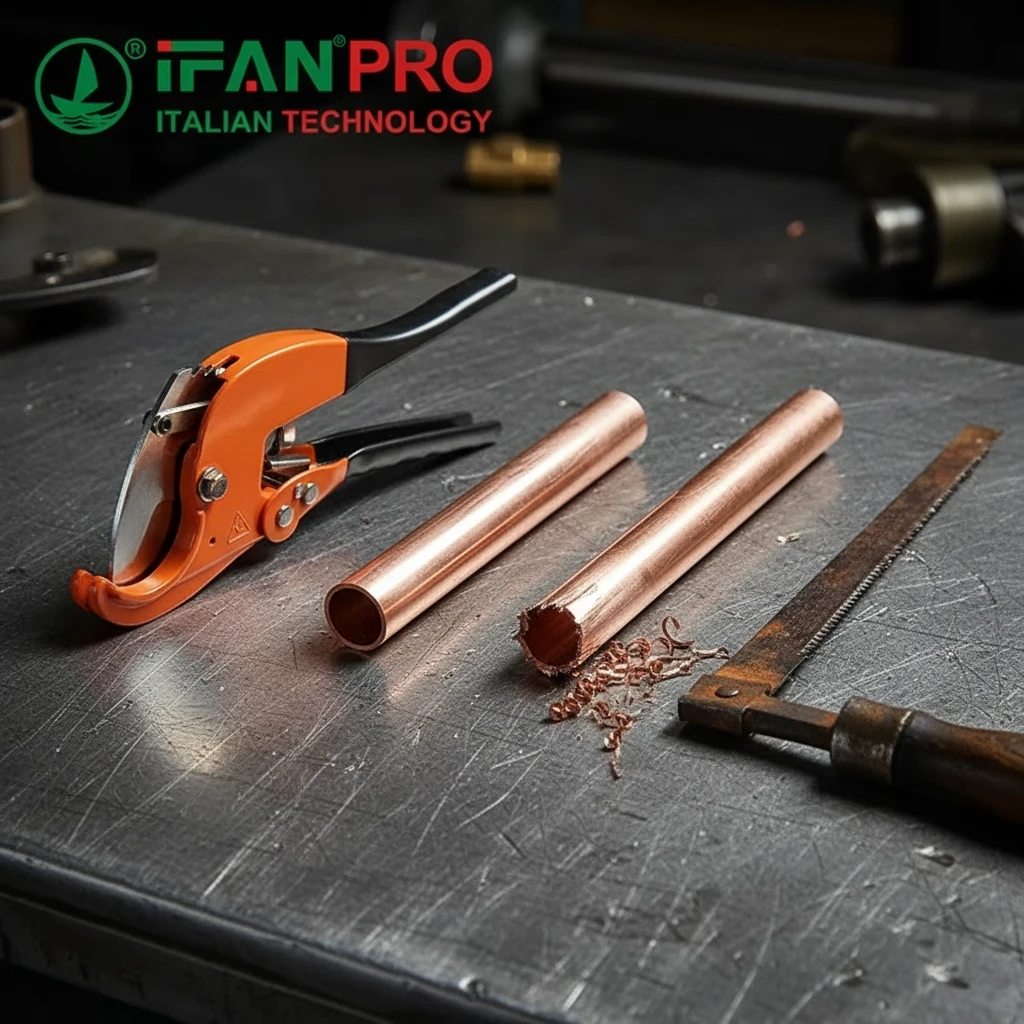
First, let’s talk about what happens with a standard tool like a hacksaw or a general-purpose cutter. The main issue is inconsistency. It’s very hard to keep a perfect 90-degree angle by hand. An angled cut means the pipe won’t seat properly in the fitting. This creates a gap, leading to potential leaks in threaded systems or weak, uneven fusion joints in plastic systems.
Another big problem is the burr. A hacksaw leaves a rough, ragged edge of metal or plastic shavings on the inside and outside of the pipe. This burr is a serious issue. Inside the pipe, it disrupts water flow and can trap debris. On the outside, it prevents a clean, flush connection with the fitting. You must spend extra time filing and deburring, which adds labor.
The Professional Solution: Precision Engineering
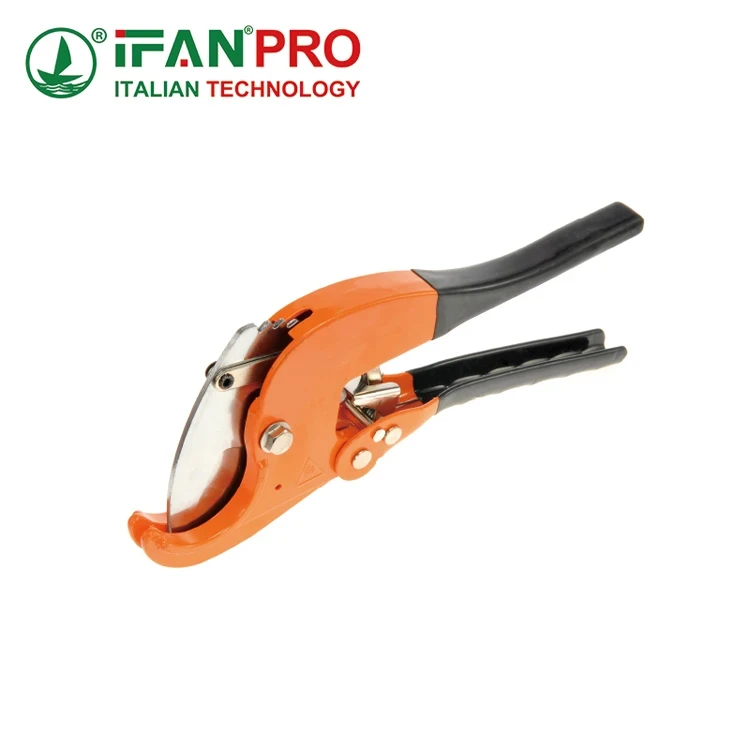
A professional pipe cutter, whether a rotary tube cutter for metal or a scissor-style cutter for plastics, solves these problems by design. Here’s how:
- Guided Square Cuts: The tool clamps around the pipe, acting as a built-in guide. This guarantees a perfectly square cut every single time, with no guesswork.
- Clean, Burr-Free Results: A sharp, dedicated cutting wheel (for metal) or blade (for plastic) shears the material cleanly. Rotary cutters for copper actually roll a sharp wheel around the pipe, gradually applying pressure until a clean break happens, leaving a minimal internal burr that is easily reamed.
- Speed and Ease: A few rotations around a copper pipe or a single squeeze on a plastic cutter is all it takes. Compare that to the back-and-forth motion of a saw. The time savings on a large project are enormous.
Direct Comparison of Tools
The table below shows the clear operational differences:
| Task | Using a Hacksaw | Using a Professional Pipe Cutter |
|---|---|---|
| Making a Cut | Manual sawing; requires skill to stay straight. | Tool is clamped and rotated/squeezed; guides itself. |
| Cut Quality | Often angled and ragged; creates large burrs. | Consistently square and clean; minimal burr. |
| Post-Cut Work | Must file and deburr extensively. | Light deburring (metal) or none (plastic) required. |
| User Fatigue | High (repetitive motion). | Low (efficient mechanical action). |
In short, the advantage is control. A professional cutter removes human error from the most critical first step of installation. For someone like IFAN, which manages large projects, ensuring every installer has the right tool is non-negotiable for maintaining our quality standards.
How Does a Professional Pipe Cutter Improve Precision and Installation Speed?
On a multi-unit apartment project, the plumbing crew using standard saws fell days behind. Switching to professional cutters got them back on schedule immediately.
A professional pipe cutter improves precision by mechanically guaranteeing a square end, which is the absolute requirement for watertight joints. It improves speed by completing a perfect cut in seconds, eliminating the time-consuming steps of measuring angles, sawing, and corrective filing, thereby streamlining the entire workflow.
The Direct Impact of Precision on Installation
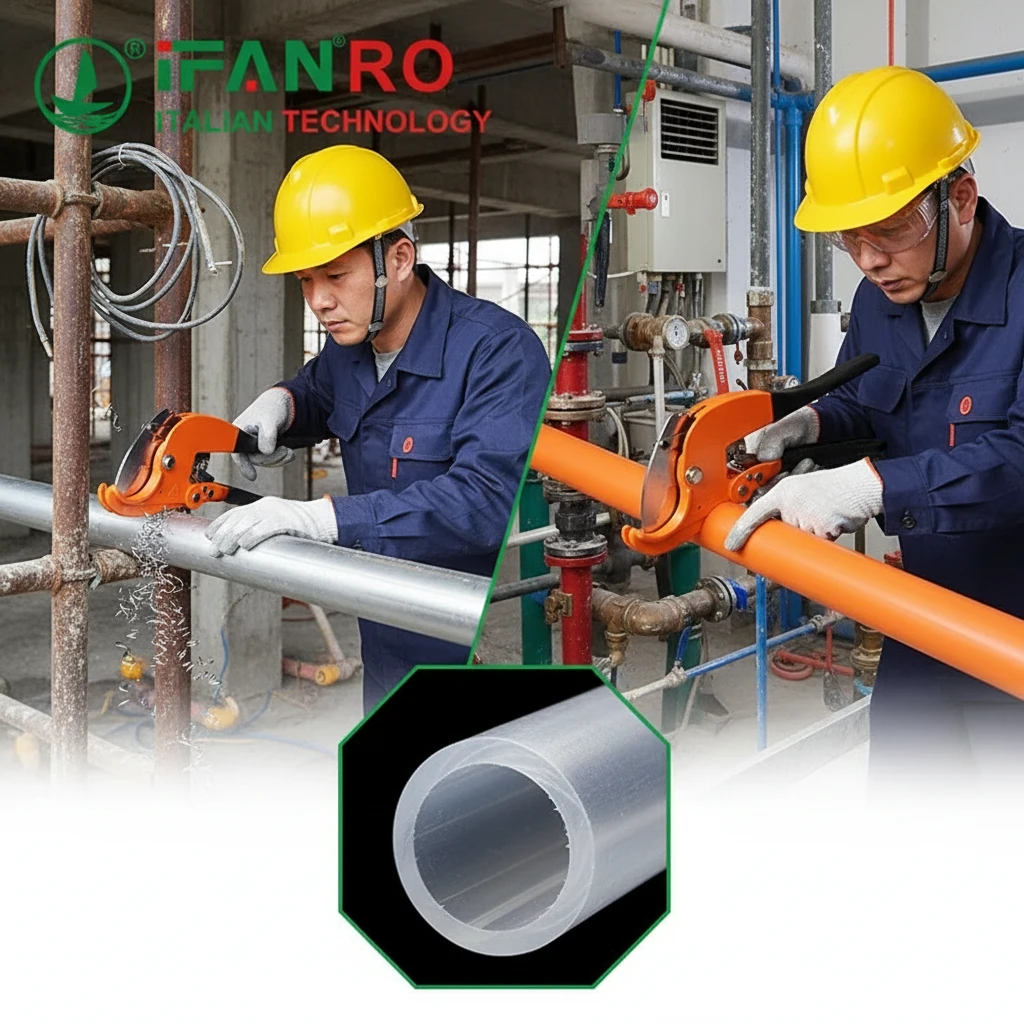
Precision in plumbing isn’t about being fancy; it’s about function. A pipe that is cut even a few degrees off-square will not seal correctly. In a threaded joint, the threads will engage unevenly, creating a path for leaks. In a soldered or fused joint, the gap will be uneven, leading to a weak spot that will likely fail under stress or over time.
A professional cutter eliminates this variable. When you clamp the tool on and make the cut, you know the end is square. This precision means every fitting goes on straight and seats fully. The installer can have confidence in their work immediately, without second-guessing the cut.
The Compound Effect on Speed
Now, let’s break down how this precision translates directly into faster installation. Speed isn’t just about the cutting motion itself; it’s about the elimination of all the other steps that a bad cut forces you to take.
Step-by-Step Time Savings:
- Measurement: With a guided cutter, simple marking suffices. With a saw, you often need more complex marking to try and guide a straight line.
- The Cut: A rotary cutter severs a 1/2″ copper pipe in 10-15 seconds. A hacksaw might take 30-60 seconds of vigorous work.
- Correction: This is the biggest time sink. With a saw, you often need to file the end to square it up. This can take another 30 seconds to a minute.
- Deburring: A saw creates a large burr that must be filed away inside and out. A rotary cutter creates a small “rolling” burr on the inside only, which is removed with a single twist of a reaming tool in 2-3 seconds.
When you add up these saved seconds over hundreds of cuts in a single house or building, the time savings translate into literal days of labor. Faster installation means lower labor costs for contractors and quicker project completion for everyone.
Real-World Workflow Comparison
Consider installing 20 copper joints:
- With Basic Tools: (60s to cut + 45s to square/file + 30s to deburr) x 20 = 45 minutes of pure cutting/finishing time.
- With Pro Cutter: (15s to cut + 3s to ream) x 20 = just 6 minutes.
The pro cutter is over 7 times faster for this sequence alone. This efficiency allows plumbers to focus on the skilled work of assembly and testing, not on fixing poorly prepared pipe ends.
Which Materials and Projects Require a Professional Pipe Cutter for Best Results?
We once audited a factory that complained of high leak rates. The issue wasn’t the pipes from IFAN, but their use of saws on PEX that crushed and distorted the ends.
Professional pipe cutters are essential for all plastic plumbing materials (PP-R, PEX, PVC) to avoid crushing and ensure fusion-ready ends. They are also highly recommended for copper and stainless steel to achieve the clean, square cuts necessary for soldering, press-fitting, or threading. Any project beyond a single, simple repair justifies the tool.
The Critical Need for Plastic Pipes
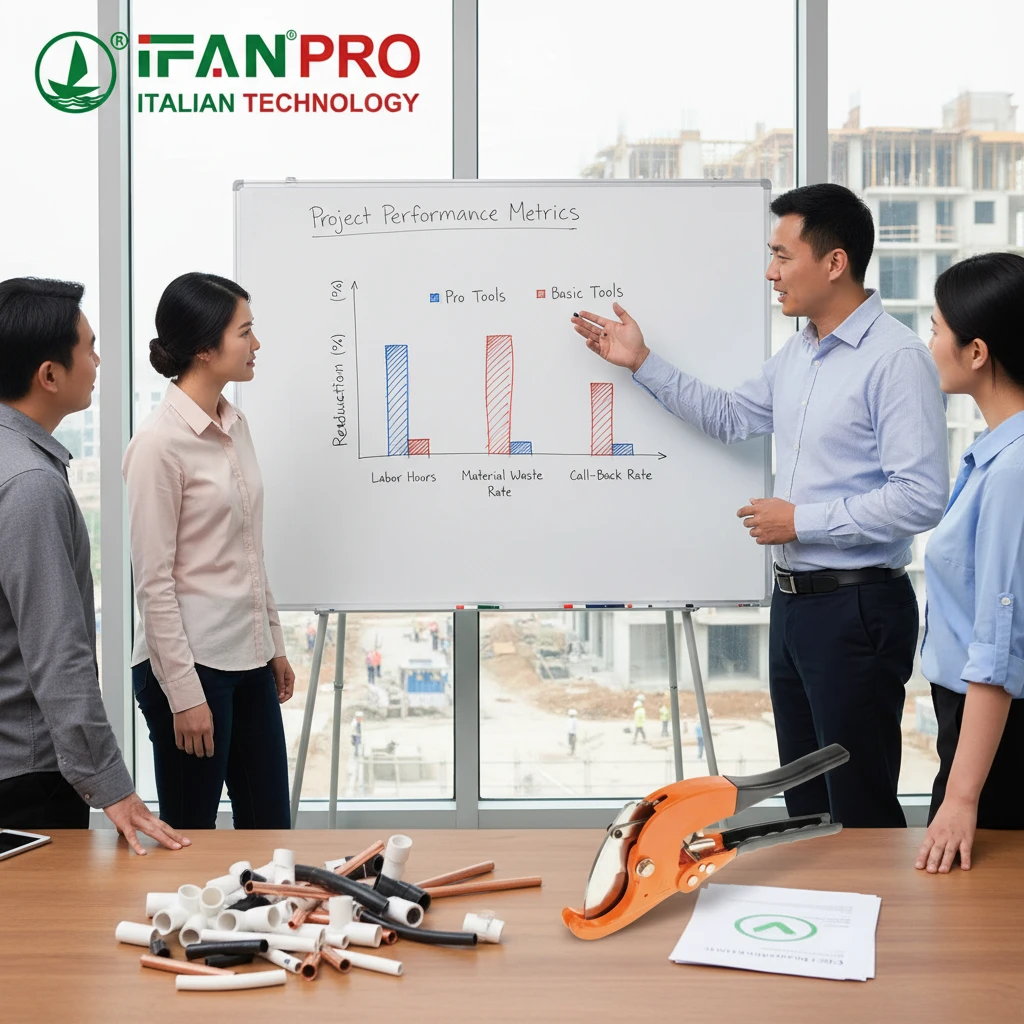
For plastic pipes like PP-R, PEX, and PVC, using the wrong cutter can actually ruin the material before you even start.
- PP-R for Fusion Welding: This is the most critical case. The end of the pipe must be perfectly square and clean to fuse properly with the fitting. A saw will leave plastic strands and an uneven surface. A scissor-style plastic pipe cutter makes a clean, instantaneous shear cut that is perfectly square and ready for welding. There is no room for compromise here.
- PEX: While PEX is more forgiving, a dull blade or saw can crush and distort the pipe, making it difficult to push a fitting ring or clamp over it. A dedicated PEX cutter makes a fast, clean cut that maintains the pipe’s roundness.
- PVC: A hacksaw can work, but it leaves a huge burr and uneven edge. A plastic tubing cutter gives a clean result in one second, saving immense time on deburring, especially for large-diameter pipes.
Metal Pipes and Specialized Projects
For metal pipes, the requirement is about precision and professional results.
- Copper Pipe (Soft): A rotary tube cutter is the standard for a reason. It gives a perfect square end for soldering or press fittings. The small internal burr it creates is easily removed. Trying to solder a pipe cut with a saw that isn’t square is a leading cause of novice plumbing failures.
- Stainless Steel or Hard Copper: These tougher materials require a heavier-duty rotary cutter with a hardened steel wheel. A hacksaw is often impractical and will destroy blades quickly.
- Large-Diameter or Threaded Pipe: For cutting larger steel pipes that will be threaded, a professional-grade pipe cutter (or a chop saw) is mandatory. The threads require an absolutely square end to seal correctly inside a fitting.
Project Type Guide
This table helps decide when the investment is necessary:
| Project Scale | Recommended Tool | Why It’s Needed |
|---|---|---|
| Single DIY Repair | A fine-tooth hacksaw can suffice. | Cost may outweigh benefit for one-time use. |
| Whole-House Renovation | Professional Cutters. | The volume of cuts makes speed and precision vital. |
| Professional Plumbing Service | Full set of Pro Cutters. | Essential for efficiency, quality, and brand reputation. |
| Industrial/Commercial Install | Heavy-Duty Pro Cutters. | Materials are larger/tougher; tolerance for error is zero. |
In essence, if you are doing more than one plumbing project, or any project involving multiple cuts, a professional cutter transitions from a “tool” to a necessary “investment in quality.” At IFAN, we specify the use of proper cutters in our quality control protocols for all contract manufacturing we oversee.
What Are the Long-Term Cost Benefits of Investing in a Professional Pipe Cutter?
A contractor client resisted buying proper cutters for his team, citing cost. Within a year, the cost of two leak repairs on warranty work far exceeded the price of the tools.
The long-term cost benefits are significant: reduced material waste from bad cuts, lower labor costs due to faster installation, and the virtual elimination of costly callbacks and repairs due to joint failures. For a professional, the tool typically pays for itself on the first or second medium-sized job.
Breaking Down the Hidden Costs of Cheap Tools
To see the benefit, you must look at the true costs avoided by using the right tool. These are often hidden but very real.
1. Cost of Wasted Material:
Every angled cut from a saw means you must cut the pipe again. That piece of pipe is thrown away. Over a project, these wasted 2-inch segments add up to whole lengths of new pipe you must buy. A precise cutter eliminates this “measure twice, cut once, then cut again” waste.
2. Cost of Extra Labor:
As we calculated earlier, a professional cutter can be over 7 times faster per cut when you factor in finishing work. Labor is the single biggest expense in plumbing. Saving 30-40 hours of labor on a large project far outweighs the one-time $50-$150 cost of a quality cutter.
3. Cost of Callbacks and Repairs (The Biggest Saver):
This is the most important financial argument. A leak caused by a poorly cut pipe can be a disaster. It may require:
- A service truck roll-out.
- 1-2 hours of diagnostic and repair time.
- New fittings and pipe.
- Potential cost for repairing damaged drywall, ceilings, or flooring.
- Loss of customer trust and reputation.
A single callback can cost hundreds, if not thousands, of dollars and erase the profit from an entire job. A professional cutter is your primary insurance policy against this.
The Investment Payback Calculation
Let’s do a simple breakdown for a small plumbing contractor:
| Cost & Benefit | Amount |
|---|---|
| Investment: Top-quality pipe cutter for plastic & copper | -$200 |
| Savings on First Major Job: 4 hours saved labor (4 hrs x $80/hr) | +$320 |
| Savings on Material: One less 10ft copper pipe avoided as waste | +$40 |
| Avoided Cost: Prevention of just one potential leak callback | +$300 (minimum) |
| Net Financial Position After First Job | +$460 |
The table shows the tool doesn’t just pay for itself—it becomes a profit center by increasing efficiency and reliability.
Long-Term Durability and Reliability
A final point is the tool’s own lifespan. A cheap, stamped-metal cutter will wear out or break. A professional-grade tool from a reputable brand is built to last for thousands of cuts. It’s a one-time purchase that supports your business for years. For a company like IFAN that values consistent quality, equipping teams with durable, reliable tools is part of our core operational philosophy.
Conclusión
Professional pipe cutters are a fundamental investment for quality, speed, and long-term savings. For precise cuts that match the quality of IFAN pipes and fittings, using the right tool is the essential first step.








 Español
  English
  Français
  Русский
Comentarios recientes